✓ Fossil fuels (coal, oil, natural gas) currently account for over 80% of global energy consumption.
✓ Burning fossil fuels releases greenhouse gases like CO2, methane, and nitrous oxide, trapping heat and driving climate change.
✓ Air pollution from fossil fuels contributes to millions of premature deaths annually worldwide.
✓ Extraction processes can lead to habitat destruction, water contamination, and land degradation.
How It Works
1
Extraction & Processing
Fossil fuels are mined (coal) or drilled (oil, gas) from underground reservoirs. This process often involves significant land disturbance, habitat destruction, and potential for spills or leaks.
2
Transportation
Once extracted, fossil fuels are transported via pipelines, ships, trains, and trucks to refineries and power plants. This phase carries risks of spills, emissions from transport vehicles, and infrastructure impacts.
3
Combustion & Energy Generation
At power plants, factories, and in vehicles, fossil fuels are burned to generate electricity, heat, or propulsion. This combustion releases a variety of pollutants and greenhouse gases into the atmosphere.
4
Environmental & Health Consequences
The emitted gases and particulates contribute to air pollution, acid rain, climate change, and various health issues. Long-term accumulation of greenhouse gases leads to global warming and its cascading effects.
Greenhouse Gas Emissions and Climate Change Acceleration
Photo: K / Pexels
The most widely recognized and perhaps the most devastating impact of fossil fuels on the environment is their contribution to greenhouse gas emissions, primarily carbon dioxide (CO2), but also methane (CH4) and nitrous oxide (N2O). These gases are inherent byproducts of burning coal, oil, and natural gas for energy. When released into the atmosphere, they act like a blanket, trapping heat and leading to a phenomenon known as the greenhouse effect. While a natural greenhouse effect is essential for maintaining Earth's habitable temperature, the excessive emissions from human activities, predominantly from fossil fuel combustion, have intensified this effect, leading to global warming and climate change.
Carbon dioxide is the most significant long-lived greenhouse gas, accounting for roughly 76% of total global greenhouse gas emissions. Its concentration in the atmosphere has risen by over 47% since the Industrial Revolution, directly correlating with increased fossil fuel consumption. Methane, though less abundant, is a far more potent greenhouse gas over a 20-year period, with sources including natural gas leaks during extraction and transportation, and agricultural practices often linked to energy-intensive processes. Nitrous oxide, another potent gas, is released from industrial processes and agricultural soil management, often fueled by fossil fuel-derived fertilizers.
The consequences of this accelerated warming are multifaceted and increasingly evident. We are witnessing more frequent and intense heatwaves, altering agricultural cycles and posing severe health risks. Changes in precipitation patterns lead to more severe droughts in some regions and increased flooding in others. Glaciers and ice sheets are melting at an unprecedented rate, contributing to rising sea levels, which threaten coastal communities and ecosystems. Ocean acidification, a direct result of increased CO2 absorption by seawater, harms marine life, particularly organisms with shells or skeletons like corals and shellfish. Understanding the mechanisms and scale of these emissions is the first critical step toward mitigating the broader environmental crisis we face.
Air and Water Pollution: Direct Threats to Ecosystems and Health
Photo: Ira Bowman / Pexels
Beyond greenhouse gases, the combustion and extraction of fossil fuels release a cocktail of other harmful pollutants into our air and water, posing direct and immediate threats to both natural ecosystems and human health. Air pollution, often visible as smog, is a complex mixture of particulate matter (PM2.5), sulfur dioxide (SO2), nitrogen oxides (NOx), volatile organic compounds (VOCs), and heavy metals like mercury. These pollutants are released from power plants, industrial facilities, and vehicle exhausts that rely on fossil fuels.
Particulate matter, especially fine particles (PM2.5), can penetrate deep into the lungs and even enter the bloodstream, causing respiratory diseases such as asthma, bronchitis, and lung cancer, as well as cardiovascular problems. According to the World Health Organization, air pollution is responsible for millions of premature deaths globally each year. Sulfur dioxide and nitrogen oxides are primary precursors to acid rain, which acidifies lakes and streams, damages forests, and corrodes buildings and infrastructure. Ground-level ozone, formed when NOx and VOCs react in sunlight, is a potent respiratory irritant and damages crops.
Water pollution is another significant concern. Oil spills, whether from offshore drilling rigs, tankers, or pipelines, can devastate marine and coastal ecosystems, harming wildlife, contaminating beaches, and impacting fisheries. Fracking, a method used to extract natural gas and oil, involves injecting vast quantities of water, sand, and chemicals into rock formations. This process has been linked to groundwater contamination, depletion of freshwater resources, and even induced seismicity. Coal mining can lead to acid mine drainage, where sulfuric acid and heavy metals leach into rivers and streams, rendering them toxic to aquatic life. These direct forms of pollution underscore the pervasive impact of fossil fuels on the fundamental elements of life: the air we breathe and the water we drink. Addressing these localized but widespread issues is crucial for protecting public health and preserving biodiversity.
Land Degradation, Biodiversity Loss, and Resource Depletion
Photo: Emilio Sánchez Hernández / Pexels
The lifecycle of fossil fuels, from extraction to disposal, inherently involves significant land use and alteration, leading to widespread land degradation and subsequent biodiversity loss. Mining for coal, particularly through methods like mountaintop removal, completely alters landscapes, destroys habitats, and can lead to irreversible ecological damage. These operations strip away topsoil, remove vegetation, and can contaminate surrounding soil and water with heavy metals and other toxic substances. Similarly, the infrastructure required for oil and gas extraction – drilling pads, pipelines, access roads, and processing facilities – fragments natural habitats, disrupting wildlife migration patterns and reducing viable areas for plant and animal species.
Habitat destruction is a leading cause of biodiversity loss. When ecosystems are fragmented or destroyed, species lose their homes, food sources, and breeding grounds, often leading to population declines and, in severe cases, extinction. Wetlands, forests, and other critical ecosystems are particularly vulnerable to the encroachment of fossil fuel operations. For instance, the Amazon rainforest, a global biodiversity hotspot, faces threats from oil exploration and deforestation often linked to energy sector demands.
Furthermore, the extraction of fossil fuels is, by definition, the depletion of finite natural resources. Fossil fuels are non-renewable, meaning they form over millions of years and cannot be replenished on a human timescale. The relentless pursuit of these resources leads to increasingly complex and environmentally destructive extraction methods, as easily accessible reserves dwindle. This creates a cycle where the environmental cost of obtaining energy escalates. Beyond the direct impacts, the sheer scale of the fossil fuel industry requires vast amounts of land for infrastructure, waste disposal, and associated industries, further encroaching on natural spaces. The long-term implications for ecological stability and the availability of natural resources are profound, highlighting the urgent need for a shift towards sustainable renewable energy alternatives.
The Human Cost and Future Pathways
Photo: Quang Nguyen Vinh / Pexels
The environmental impact of fossil fuels is inextricably linked to significant human costs, affecting public health, economic stability, and social equity. Communities living near fossil fuel extraction sites, refineries, and power plants often bear a disproportionate burden of air and water pollution, leading to higher rates of respiratory illnesses, cancers, and other chronic health conditions. These 'sacrifice zones' are frequently inhabited by marginalized and low-income populations, exacerbating existing inequalities. The economic consequences are also substantial, ranging from healthcare costs associated with pollution-related diseases to the financial losses incurred from climate change impacts like extreme weather events, agricultural failures, and infrastructure damage. Rising sea levels displace coastal communities, and increasing climate migration puts pressure on resources and social structures.
Recognizing these profound and interconnected challenges, the world is increasingly looking towards a transition to cleaner, more sustainable energy sources. This shift is not merely an environmental imperative but also an economic opportunity and a moral obligation. Here are key pathways for moving forward:
* **Accelerated Investment in Renewable Energy:** Scaling up solar, wind, hydro, geothermal, and other renewable technologies is paramount. This requires significant investment in infrastructure, research and development, and supportive policy frameworks to make renewables competitive and accessible.
* **Energy Efficiency and Conservation:** Reducing overall energy demand through improved building insulation, efficient appliances, smart grids, and behavioral changes can significantly decrease our reliance on fossil fuels.
* **Electrification of Transportation and Industry:** Shifting from fossil fuel-powered vehicles to electric vehicles (EVs) and electrifying industrial processes, powered by renewable electricity, will drastically cut emissions.
* **Carbon Capture and Storage (CCS):** While not a silver bullet, CCS technologies can play a role in mitigating emissions from existing industrial facilities that are difficult to decarbonize in the short term, though their long-term efficacy and cost-effectiveness are still debated.
* **Policy and International Cooperation:** Strong government policies, carbon pricing mechanisms, international agreements, and incentives for sustainable practices are crucial to drive the transition at the necessary speed and scale.
* **Just Transition Frameworks:** Ensuring that the transition away from fossil fuels is equitable, providing new job opportunities and support for workers and communities currently dependent on the fossil fuel industry.
The global commitment to limiting warming to 1.5°C above pre-industrial levels, as outlined in the Paris Agreement, necessitates a rapid and dramatic reduction in fossil fuel dependence. The future of energy lies in innovation, collaboration, and a collective commitment to protecting our planet and its inhabitants.
Comparison
Feature
Fossil Fuels (Coal, Oil, Gas)
Solar Energy
Wind Energy
Nuclear Energy
Greenhouse Gas Emissions
Very High
Very Low (during operation)
Very Low (during operation)
Very Low (during operation)
Resource Depletion
Non-Renewable, Finite
Renewable, Abundant
Renewable, Abundant
Finite (Uranium), but long-lasting
Air Pollution (Particulates, SOx, NOx)
High
None (during operation)
None (during operation)
None (during operation)
Water Pollution Risk
High (spills, fracking, acid mine drainage)
Low (manufacturing)
Low (manufacturing)
Moderate (thermal pollution, waste storage)
Land Use Impact
High (mining, drilling, infrastructure)
Moderate (large arrays)
Moderate (wind farms)
Low (power plant footprint)
Energy Density
High
Variable
Variable
Extremely High
Maturity of Technology
Mature, Established
Mature, Rapidly Growing
Mature, Rapidly Growing
Mature, Complex
What Readers Say
★★★★★
"This article clearly lays out the impact of fossil fuels on our environment. It's comprehensive and really solidified my understanding of why we need to transition to renewables."
Sarah J. · Boulder, CO
★★★★★
"As someone in the energy sector, I appreciate the balanced view presented here. It doesn't shy away from the negative impact of fossil fuels environment but also offers tangible solutions."
David M. · Houston, TX
★★★★★
"I was looking for a deep dive into this topic, and this delivered. The sections on land degradation and human cost were particularly impactful, making me rethink my personal energy consumption."
Emily R. · Portland, OR
★★★★★
"A very informative read, though I wish there was a bit more emphasis on the economic challenges of transitioning away from fossil fuels, beyond just the environmental benefits. Still, a great overview."
Mark T. · Chicago, IL
★★★★★
"Living in a coastal city, the information on sea-level rise and ocean acidification due to the impact of fossil fuels environment truly resonated. It's a call to action for all of us."
Jessica L. · Miami, FL
Frequently Asked Questions
What are the primary greenhouse gases released by fossil fuels?
The primary greenhouse gases released by the combustion of fossil fuels are carbon dioxide (CO2), methane (CH4), and nitrous oxide (N2O). These gases trap heat in the Earth's atmosphere, leading to global warming and climate change.
Does natural gas have a lower environmental impact than coal or oil?
While natural gas burns cleaner than coal and oil in terms of air pollutants like sulfur dioxide and particulate matter, it is still a fossil fuel. Its primary greenhouse gas emission is CO2, and methane leaks during extraction and transportation are a significant concern, as methane is a very potent greenhouse gas.
How does fossil fuel extraction affect local ecosystems?
Fossil fuel extraction can severely impact local ecosystems through habitat destruction, deforestation, soil erosion, and water contamination. Methods like mountaintop removal for coal mining or fracking for natural gas alter landscapes, disrupt wildlife, and can introduce toxic chemicals into soil and water sources.
What are the main alternatives to fossil fuels?
The main alternatives to fossil fuels are renewable energy sources such as solar power, wind power, hydropower, geothermal energy, and biomass. Nuclear energy also serves as a low-carbon alternative, though it has its own unique set of considerations regarding waste and safety.
Is carbon capture and storage (CCS) a viable solution to the impact of fossil fuels environment?
Carbon capture and storage (CCS) technology aims to capture CO2 emissions from industrial sources before they enter the atmosphere and store them underground. While it holds promise for hard-to-decarbonize industries, its large-scale effectiveness, cost, and long-term storage safety are still subjects of ongoing research and debate.
Who is most affected by the health impacts of fossil fuel pollution?
Communities living near fossil fuel extraction sites, refineries, and power plants are often most affected by the health impacts, experiencing higher rates of respiratory illnesses, cardiovascular diseases, and cancers. These are frequently marginalized and low-income populations, highlighting environmental justice concerns.
What are the risks associated with transporting fossil fuels?
Transporting fossil fuels, whether by pipeline, ship, rail, or truck, carries significant risks. These include oil spills (especially from tankers or offshore platforms), pipeline ruptures, and emissions from the transport vehicles themselves, all of which can lead to environmental degradation and economic losses.
What does a 'just transition' mean in the context of moving away from fossil fuels?
A 'just transition' refers to the idea that the shift from fossil fuels to renewable energy should be done in a way that is fair and equitable for everyone, especially for workers and communities currently dependent on the fossil fuel industry. This includes providing job retraining, economic diversification, and social support to ensure no one is left behind.
The impact of fossil fuels on our environment is undeniable and far-reaching, affecting everything from our climate to our health. By understanding these profound challenges, we can collectively push for and embrace the transition to sustainable energy, safeguarding our planet for future generations.

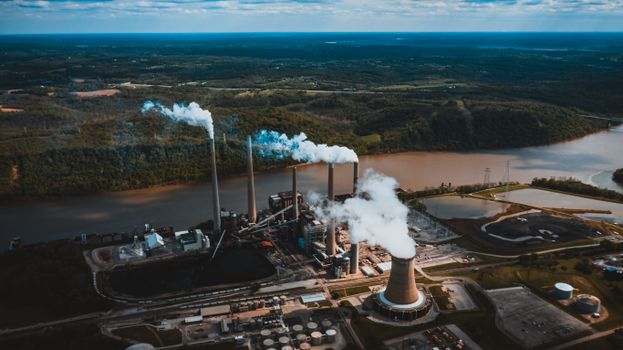 Photo: K / Pexels
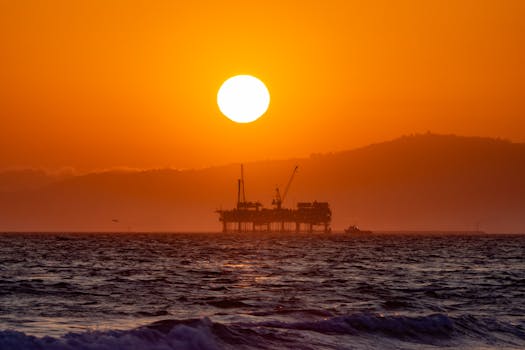 Photo: Ira Bowman / Pexels
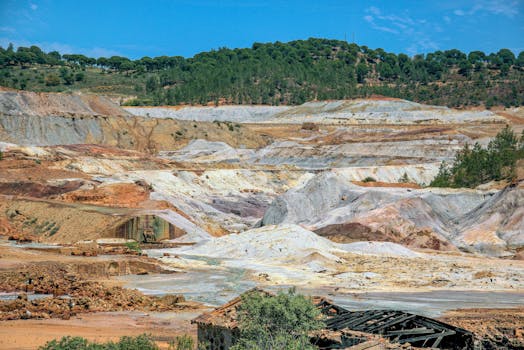 Photo: Emilio Sánchez Hernández / Pexels
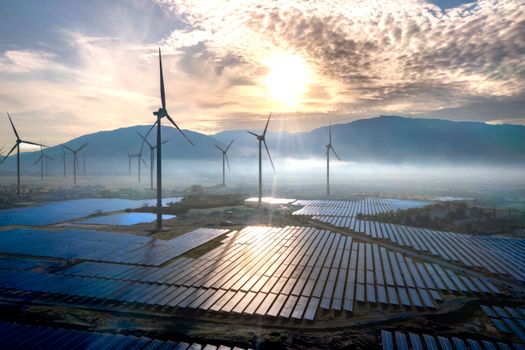 Photo: Quang Nguyen Vinh / Pexels