
The Profound impact of fossil fuels environment
Understand the far-reaching consequences of our reliance on fossil fuels and discover pathways to a healthier planet.
Explore SolutionsKey Takeaways
- ✓ Fossil fuels account for over 80% of global energy consumption.
- ✓ Burning fossil fuels releases greenhouse gases, primarily CO2, accelerating climate change.
- ✓ Air pollution from fossil fuels contributes to millions of premature deaths annually.
- ✓ Extraction processes can lead to habitat destruction and water contamination.
How It Works
Fossil fuels (coal, oil, natural gas) are extracted from the Earth through mining, drilling, and fracking. This process often involves significant land disturbance, habitat destruction, and potential for spills or leaks that contaminate soil and water.
Once extracted and refined, these fuels are burned in power plants, vehicles, and industrial facilities to generate electricity, power transportation, and drive manufacturing. This combustion is the primary release point for pollutants.
The burning process releases various harmful substances into the atmosphere. Key emissions include carbon dioxide (CO2), methane (CH4), nitrous oxide (N2O), sulfur dioxide (SO2), nitrogen oxides (NOx), particulate matter, and heavy metals.
These emitted pollutants contribute to global warming, acid rain, smog, and ocean acidification. They also directly impact human health, leading to respiratory illnesses, cardiovascular problems, and other chronic conditions.
Climate Change and Greenhouse Gas Emissions from Fossil Fuels
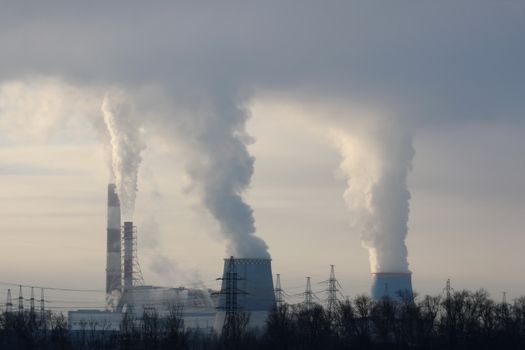 Photo: Aleksandr Slavich / Pexels
Air Quality Degradation and Public Health Consequences
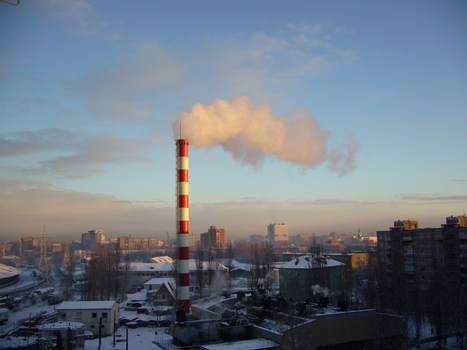 Photo: Dina Sivak / Pexels
Ecological Damage and Resource Depletion from Extraction
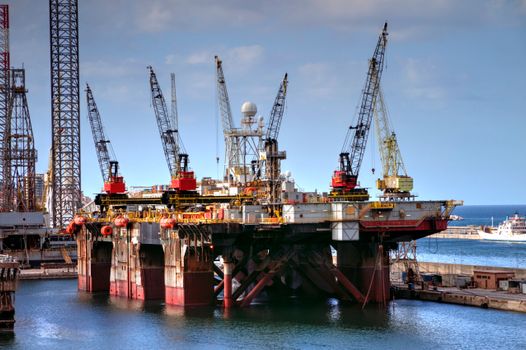 Photo: Gildo Cancelli / Pexels
Mitigating the Impact: Strategies for a Sustainable Future
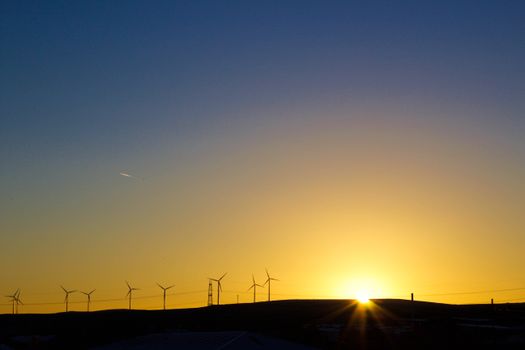 Photo: Georgi Petrov / Pexels
- Accelerated Renewable Energy Deployment: Prioritize and invest heavily in solar, wind, hydro, and geothermal energy to replace fossil fuel-based electricity generation.
- Energy Efficiency and Conservation: Implement policies and technologies that reduce energy consumption across all sectors, from homes to industries.
- Electrification of Transportation: Promote the adoption of electric vehicles (EVs) and develop robust charging infrastructure, alongside expanding public transit options.
- Carbon Pricing Mechanisms: Introduce carbon taxes or cap-and-trade systems to make fossil fuels more expensive and incentivize cleaner alternatives.
- Sustainable Land Use and Forestry: Protect existing forests and promote reforestation to enhance natural carbon sinks.
- International Cooperation: Strengthen global agreements and collaborations to share technologies and strategies for emissions reduction.
- Innovation in Green Technologies: Fund research and development into advanced energy storage, smart grids, and sustainable industrial processes.
Comparison
| Feature | Fossil Fuels (Coal, Oil, Gas) | Renewable Energy (Solar, Wind) | Nuclear Energy |
|---|---|---|---|
| Carbon Emissions | Very High (Major GHG contributor) | Near Zero (Operational) | Near Zero (Operational) |
| Air Pollution | High (SOx, NOx, Particulates) | Minimal | Minimal |
| Resource Availability | Finite, Non-renewable | Infinite, Renewable | Finite (Uranium), but long-lasting |
| Land Footprint | Moderate to High (Extraction & Infrastructure) | Moderate (Can be extensive) | Small (High power density) |
| Water Use | High (Cooling, Fracking, Processing) | Low to Moderate (Hydro, some cooling) | High (Cooling) |
| Waste Products | Combustion waste, toxic byproducts | Minimal (Manufacturing waste) | Radioactive waste (requires long-term storage) |
| Energy Security | Volatile prices, geopolitical risks | Distributed, reduces import reliance | Stable, domestic fuel supply possible |
What Readers Say
"This article clearly lays out the devastating impact of fossil fuels on our environment. It's comprehensive and makes you truly understand the urgency of switching to renewables."
Sarah J. · Denver, CO"As someone concerned about climate change, this deep dive into the environmental effects of burning fossil fuels was incredibly insightful. The breakdown of air quality and ecological damage was particularly impactful."
Mark D. · Austin, TX"The scientific detail provided here on greenhouse gas emissions and their link to climate change is excellent. It reinforces the critical need for immediate action to reduce our fossil fuel dependence."
Dr. Elena R. · Boston, MA"While incredibly informative, I wish there was a bit more emphasis on individual actions beyond just policy and technology. Still, a fantastic resource for understanding the impact of fossil fuels environment."
David L. · Portland, OR"Living in a coastal city, the information about rising sea levels and ocean acidification due to fossil fuels really hit home. This article provides a clear picture of the stakes involved."
Maria S. · Miami, FLFrequently Asked Questions
What are the primary ways fossil fuels impact the environment?
The primary impacts include contributing to climate change through greenhouse gas emissions (CO2, methane), degrading air quality leading to respiratory and cardiovascular diseases, causing ecological damage through extraction processes like habitat destruction and water contamination, and contributing to ocean acidification.
Is natural gas better for the environment than coal or oil?
While natural gas burns cleaner than coal and oil, producing less CO2 and fewer particulate emissions, it is still a fossil fuel. Its extraction (fracking) can lead to methane leaks, a potent greenhouse gas, and concerns about water contamination. It's often considered a 'bridge fuel' but not a long-term sustainable solution.
How can I personally reduce my reliance on fossil fuels?
You can reduce your reliance by improving home energy efficiency (insulation, LED lights), choosing renewable energy providers if available, using public transport, cycling or walking, driving electric vehicles, reducing consumption, and supporting policies that promote clean energy.
What are the economic costs associated with the environmental impact of fossil fuels?
The economic costs are vast and include healthcare expenses due to air pollution, losses from extreme weather events (damages to infrastructure, agriculture), costs of environmental remediation (spill cleanups), reduced productivity due to climate-related issues, and the long-term economic instability from resource scarcity.
How do renewable energy sources compare to fossil fuels in terms of environmental impact?
Renewable energy sources like solar and wind have significantly lower operational carbon emissions and air pollution compared to fossil fuels. While they have their own environmental considerations (e.g., land use for solar farms, bird impacts for wind), their overall ecological footprint is far smaller and they do not deplete finite resources.
Who is most affected by the impact of fossil fuels environment?
Everyone is affected by climate change, but disproportionately, vulnerable communities, low-income populations, and indigenous groups often bear the brunt of pollution and environmental degradation from fossil fuel extraction and processing. Children and the elderly are also more susceptible to health issues from air pollution.
Are there any safe ways to use fossil fuels?
No method of using fossil fuels is entirely 'safe' for the environment due to their inherent carbon content and the pollutants released during combustion. While technologies like carbon capture and storage aim to mitigate emissions, they are costly, energy-intensive, and do not eliminate all environmental impacts or the fundamental issue of resource depletion.
What is the future outlook for fossil fuels and the environment?
The future outlook involves a global imperative to rapidly transition away from fossil fuels to avoid the most catastrophic effects of climate change. While they will likely remain part of the energy mix for some time, their role is expected to diminish significantly as renewable energy technologies advance and policies support decarbonization.
Understanding the profound impact of fossil fuels on our environment is the first step towards meaningful change. Explore sustainable alternatives and advocate for policies that prioritize a cleaner, healthier future for all. Your actions, big or small, contribute to mitigating the impact of fossil fuels environment.