
The Profound Impact of Fossil Fuels on Our World
Explore the complex, far-reaching consequences of fossil fuel dependence and the urgent need for sustainable alternatives.
Discover the Full StoryKey Takeaways
- ✓ Fossil fuels (coal, oil, natural gas) provide over 80% of global energy.
- ✓ Burning fossil fuels is the primary driver of climate change due to greenhouse gas emissions.
- ✓ Extraction and combustion of fossil fuels lead to significant air and water pollution.
- ✓ Geopolitical conflicts often arise from competition for fossil fuel resources.
- ✓ Transitioning to renewable energy offers environmental, economic, and health benefits.
How It Works
Over millions of years, ancient organic matter (plants, animals) subjected to intense heat and pressure transformed into coal, oil, and natural gas. These non-renewable resources are trapped deep within the Earth's crust.
Fossil fuels are extracted through mining (coal), drilling (oil, gas), and hydraulic fracturing (fracking). They then undergo extensive processing and refining to create usable products like gasoline, diesel, and electricity.
When burned, fossil fuels release stored chemical energy, which is converted into heat, electricity, or mechanical power. This combustion process also releases various byproducts, including greenhouse gases and pollutants.
Extracted and processed fossil fuels are transported globally to power industries, homes, and transportation. Their widespread use underpins modern society, but at a significant environmental and societal cost.
The Environmental Impact of Fossil Fuels: A Looming Crisis
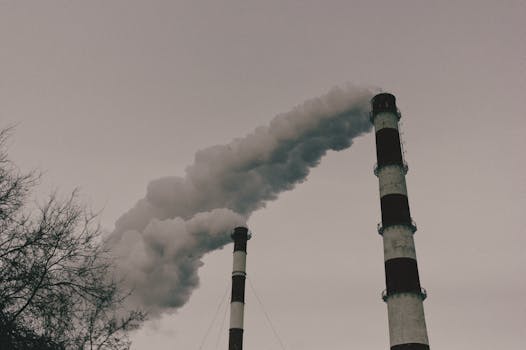 Photo: Primitive Spaces / Pexels
Economic and Geopolitical Ramifications of Fossil Fuel Dependence
 Photo: Arthur Brognoli / Pexels
Societal and Health Implications of Fossil Fuel Use
 Photo: Wendy Wei / Pexels
Navigating the Transition: Challenges and Opportunities for a Sustainable Future
 Photo: Kristina Kutleša / Pexels
Comparison
| Feature | Fossil Fuels | Solar Power | Wind Power |
|---|---|---|---|
| Carbon Emissions | High | Very Low (Operational) | Very Low (Operational) |
| Resource Availability | Finite, Concentrated | Abundant, Distributed | Abundant, Distributed |
| Fuel Cost Volatility | High | Low (Sunlight is Free) | Low (Wind is Free) |
| Environmental Impact | High (Pollution, Climate Change) | Low (Land Use, Manufacturing) | Low (Visual, Wildlife) |
| Energy Security | Vulnerable to Geopolitics | High (Local Generation) | High (Local Generation) |
| Infrastructure Scale | Massive, Centralized | Modular, Scalable | Modular, Scalable |
| Startup Cost | High (Extraction, Refinement) | Moderate (Declining) | Moderate (Declining) |
| Operating Cost | Moderate to High | Low | Low |
What Readers Say
"This article provided an incredibly comprehensive look at the impact of fossil fuels. It really drove home the interconnectedness of environmental, economic, and health issues. I feel much more informed now."
Sarah J. · Boulder, CO"As someone working in the energy sector, I appreciate the balanced perspective. It acknowledges the historical role of fossil fuels while clearly outlining the urgent need for change. Very well-researched."
David M. · Houston, TX"Living in a coastal city, the climate change aspects of fossil fuels are very real to me. This article explained the science and consequences so clearly. It reinforced my commitment to supporting renewable energy initiatives."
Maria P. · Miami, FL"While the article paints a stark picture, it also highlights the opportunities in transitioning away from fossil fuels, which is encouraging. It's a complex issue, and this piece does an excellent job of breaking it down without oversimplifying."
Robert L. · Pittsburgh, PA"The sections on health and societal impacts really resonated with me. I hadn't fully considered how deeply fossil fuel use affects public health and environmental justice. A truly eye-opening read."
Jessica T. · Los Angeles, CAFrequently Asked Questions
What are the primary greenhouse gases released by burning fossil fuels?
The primary greenhouse gases released are carbon dioxide (CO2), methane (CH4), and nitrous oxide (N2O). CO2 is the most abundant, while methane has a much higher global warming potential over a shorter period, making all three significant contributors to climate change.
Are there economic benefits to transitioning away from fossil fuels?
Yes, significant economic benefits exist. These include the creation of new jobs in renewable energy sectors, reduced exposure to volatile fossil fuel prices, increased energy security, and avoided costs associated with climate change impacts and public health issues.
How can individuals reduce their personal impact related to fossil fuels?
Individuals can reduce their impact by conserving energy at home, using public transportation or electric vehicles, choosing renewable energy providers if available, supporting energy-efficient products, and advocating for clean energy policies.
What is the cost of not addressing the impact of fossil fuels?
The cost of inaction is projected to be enormous, including increased frequency and intensity of extreme weather events, massive infrastructure damage, agricultural losses, displacement of populations, widespread health crises, and significant economic disruption globally.
How do renewable energy sources compare to fossil fuels in terms of environmental impact?
Renewable energy sources generally have a much lower environmental impact than fossil fuels. While they have some footprint from manufacturing and land use, they produce virtually no greenhouse gas emissions or air pollutants during operation, and their resources are inexhaustible.
Who is most affected by the negative impacts of fossil fuel use?
Vulnerable populations, including low-income communities, communities of color, indigenous peoples, and residents of developing nations, are often disproportionately affected by pollution and the effects of climate change due to their proximity to industrial sites and limited resources for adaptation.
Is natural gas a 'bridge fuel' to a renewable future?
While natural gas burns cleaner than coal and produces less CO2, it is still a fossil fuel and a significant source of methane emissions, a potent greenhouse gas. Its role as a 'bridge fuel' is debated, with many advocating for a direct and rapid transition to zero-emission renewables.
What future trends are expected regarding fossil fuel use?
Future trends indicate a gradual decline in fossil fuel dominance, driven by technological advancements in renewables, increasing climate policies, and growing public awareness. However, the pace and equity of this transition remain key challenges and areas of focus globally.
Understanding the profound impact of fossil fuels is the first step towards a sustainable future. Explore our resources further to learn how you can contribute to a cleaner, healthier energy landscape for generations to come. Your informed choices power change.