✓ Fossil fuels (coal, oil, natural gas) currently supply over 80% of global primary energy.
✓ Their combustion is the primary driver of anthropogenic greenhouse gas emissions, leading to climate change.
✓ The U.S. is both a major consumer and producer of fossil fuels, influencing global energy markets.
✓ Transitioning away from fossil fuels requires significant investment in renewable energy and infrastructure development.
How It Works
1
Extraction & Production
Fossil fuels are extracted from the earth through mining (coal) or drilling (oil, gas). This process can involve significant environmental disruption and resource consumption.
2
Processing & Refinement
Raw fossil fuels are transported to refineries or processing plants. Here, they are transformed into usable products like gasoline, diesel, jet fuel, and electricity.
3
Combustion & Energy Generation
These refined fuels are then burned in power plants, vehicles, and industrial facilities. This combustion releases energy, but also greenhouse gases and pollutants into the atmosphere.
4
Global Distribution & Consumption
Fossil fuel products are distributed worldwide, powering economies and daily life. Their widespread use contributes to global energy security concerns and geopolitical tensions.
The Environmental Impact of Fossil Fuels: A Critical Examination
Photo: Jepoy Fabian / Pexels
The environmental impact of fossil fuels is arguably the most pressing concern associated with their continued use. When coal, oil, and natural gas are combusted for energy, they release a substantial amount of greenhouse gases, primarily carbon dioxide (CO2), methane (CH4), and nitrous oxide (N2O), into the atmosphere. These gases trap heat, leading to the phenomenon known as global warming, which in turn drives climate change. The consequences of climate change are already being observed globally and are projected to intensify. We're witnessing more frequent and intense heatwaves, altered precipitation patterns leading to severe droughts in some regions and increased flooding in others, rising sea levels threatening coastal communities, and an increase in the intensity of extreme weather events like hurricanes and wildfires. The acidification of oceans, a direct result of increased atmospheric CO2 dissolving into seawater, poses a severe threat to marine ecosystems, particularly coral reefs and shellfish. Beyond climate change, fossil fuel extraction and combustion contribute to a host of other environmental problems. Air pollution, for instance, is a major public health crisis. Particulate matter, sulfur dioxide (SO2), nitrogen oxides (NOx), and volatile organic compounds (VOCs) released from power plants and vehicles can cause respiratory illnesses, heart disease, and premature death. Smog, acid rain, and ground-level ozone are all direct consequences of these emissions, impacting ecosystems, agriculture, and human health. Water pollution is another significant concern. Oil spills, whether from offshore drilling platforms, pipelines, or tanker accidents, can devastate marine life, coastal habitats, and fishing industries. Fracking, a method used to extract natural gas, has raised concerns about groundwater contamination from chemicals used in the process and potential seismic activity. Coal mining, especially mountaintop removal, can destroy entire ecosystems, contaminate waterways with heavy metals, and leave behind toxic waste. The sheer scale of land disturbance from mining and drilling operations also leads to habitat destruction and biodiversity loss. Furthermore, the infrastructure required for fossil fuel production—pipelines, refineries, storage facilities—can fragment landscapes and pose additional risks of leaks and spills. The long-term disposal of fossil fuel byproducts, such as coal ash, presents ongoing environmental challenges due to its toxic heavy metal content. The cumulative effect of these environmental stressors places immense pressure on natural systems, pushing many beyond their capacity to recover. Understanding the full scope of these environmental ramifications is crucial for appreciating the urgency of transitioning to more sustainable energy sources. The planet's health and the well-being of future generations depend on our ability to mitigate these impacts. For more insights into sustainable practices, explore sustainable energy solutions.
The Economic and Geopolitical Impact of Fossil Fuels in the U.S.
Photo: Gildo Cancelli / Pexels
The economic and geopolitical impact of fossil fuels in the United States is deeply intertwined, shaping domestic policy, international relations, and global energy markets. For decades, the U.S. economy has been heavily reliant on fossil fuels, which have powered its industrial growth, transportation, and electricity generation. The fossil fuel industry itself is a massive economic engine, supporting millions of jobs directly and indirectly, from exploration and extraction to refining, transportation, and distribution. States rich in oil, gas, or coal reserves often see significant economic benefits from these industries, including tax revenues, employment, and infrastructure development. However, this reliance also brings economic vulnerabilities. Fluctuations in global oil prices, often influenced by geopolitical events and OPEC decisions, can have a profound impact on American consumers and businesses. High gasoline prices can dampen consumer spending and increase operational costs for industries, leading to inflation and economic instability. Conversely, low prices can harm domestic producers, leading to job losses and reduced investment in the sector. The drive for energy independence has been a recurring theme in U.S. energy policy, often motivated by a desire to reduce susceptibility to global supply shocks and political instability in oil-producing regions. The shale revolution, which significantly increased domestic oil and natural gas production, has dramatically reshaped the U.S. energy landscape, turning the country into a net energy exporter and enhancing its energy security. This shift has also granted the U.S. greater leverage in international affairs, influencing trade relationships and geopolitical strategies. Geopolitically, fossil fuels have been a source of both cooperation and conflict. Access to and control over energy resources have historically driven foreign policy decisions, military interventions, and international alliances. The U.S. role as a major energy consumer and now a significant producer places it at the center of global energy discussions. Its actions regarding fossil fuel production, consumption, and climate policy have ripple effects worldwide, influencing global energy markets, climate negotiations, and the pace of the global energy transition. The transition away from fossil fuels presents both economic challenges and opportunities. While there will be job displacement in traditional fossil fuel sectors, there is also immense potential for job creation in renewable energy, energy efficiency, and related green industries. Investing in these new sectors can stimulate economic growth, foster innovation, and create a more resilient and sustainable economy. However, managing this transition equitably, ensuring support for affected communities and workers, is a critical policy challenge. The economic narrative around fossil fuels is shifting from one of unbridled growth to a more nuanced view that incorporates environmental costs and the long-term benefits of sustainable alternatives. The economic future of the U.S. will increasingly depend on its ability to navigate this complex energy landscape effectively.
Societal and Public Health Ramifications of Fossil Fuel Dependence
Photo: Antonius Ferret / Pexels
The societal and public health ramifications of fossil fuel dependence extend far beyond environmental degradation and economic fluctuations, deeply affecting communities and individual well-being across the United States. One of the most direct and severe impacts is on public health. The combustion of fossil fuels releases a cocktail of pollutants into the air, including particulate matter, nitrogen oxides, sulfur dioxide, and heavy metals. These airborne toxins are linked to a wide array of health problems, from respiratory illnesses like asthma, bronchitis, and emphysema to cardiovascular diseases, strokes, and certain cancers. Children, the elderly, and individuals with pre-existing conditions are particularly vulnerable. Communities located near power plants, refineries, and major transportation corridors often bear a disproportionate burden of this pollution, leading to significant health disparities. These are often low-income communities or communities of color, highlighting issues of environmental injustice. Beyond direct pollution, the health impacts of climate change, driven largely by fossil fuel emissions, are also increasingly evident. Heatwaves lead to heatstroke and exacerbate existing health conditions. Extreme weather events cause injuries, displacement, and mental health trauma. Changes in vector-borne disease patterns, water quality issues, and food insecurity are also emerging public health threats linked to a changing climate. Socially, the reliance on fossil fuels has shaped urban development, transportation systems, and even social equity. The automobile-centric culture, fueled by readily available gasoline, has contributed to suburban sprawl, reduced walkability, and increased reliance on personal vehicles, impacting community cohesion and access to essential services for those without cars. Energy poverty, where households struggle to afford adequate heating or cooling, is another societal issue exacerbated by volatile fossil fuel prices. Low-income households often spend a larger proportion of their income on energy, leaving less for other necessities. The transition away from fossil fuels also presents significant social challenges. While it promises long-term benefits, it can create short-term disruptions for communities heavily reliant on the fossil fuel industry for jobs and economic stability. Coal towns, for instance, face profound economic and social upheaval as mines close. Ensuring a just transition that provides retraining, new economic opportunities, and social support for these communities is a critical societal imperative. Moreover, the geopolitical aspects of fossil fuels can lead to social instability. Conflicts over resources, migration due to climate change impacts, and the exacerbation of existing inequalities can all stem from our global energy system. Recognizing and addressing these complex societal and public health dimensions is essential for a holistic understanding of the full impact of fossil fuels and for planning a transition that prioritizes human well-being and equity. Further reading on energy policy can be found at energy policy and societal impact.
Navigating the Transition: Challenges and Opportunities Beyond Fossil Fuels
Photo: Quang Nguyen Vinh / Pexels
Transitioning away from a global energy system built over a century on fossil fuels presents an unprecedented challenge, yet it also unlocks immense opportunities for innovation, economic growth, and a more sustainable future. The challenges are multifaceted, encompassing technological, economic, political, and social dimensions. Technologically, while renewable energy sources like solar and wind power have seen remarkable advancements and cost reductions, integrating them into existing grids requires significant infrastructure upgrades, grid modernization, and solutions for intermittency and energy storage. Developing reliable, affordable, and scalable energy storage technologies remains a key hurdle. Economically, the sheer scale of investment required to replace fossil fuel infrastructure with renewable alternatives is staggering. This includes not just power generation but also electric vehicle charging networks, smart grid technologies, and industrial process electrification. There's also the challenge of managing the decline of the fossil fuel industry without causing widespread economic disruption and job losses in affected regions. Political will and policy frameworks are crucial. Establishing clear, consistent, and supportive government policies—such as carbon pricing, renewable energy mandates, and incentives for clean technologies—is essential to accelerate the transition. Overcoming lobbying efforts from entrenched fossil fuel interests and navigating international agreements further complicate the political landscape. Socially, ensuring a just transition is paramount. This means actively planning for the retraining and re-employment of workers in fossil fuel industries, supporting communities that depend on these industries, and ensuring that the benefits of clean energy are accessible and affordable to all, not just the privileged. Addressing energy poverty and ensuring equitable access to clean energy solutions are critical for social acceptance and success. However, the opportunities presented by this transition are equally profound. The renewable energy sector is a burgeoning source of economic growth and job creation. Investment in solar, wind, geothermal, and hydropower creates manufacturing jobs, installation jobs, and research and development opportunities. Innovation in areas like advanced battery technology, smart grids, green hydrogen, and carbon capture (though the latter is still debated as a long-term solution) promises new industries and technological breakthroughs. Improved air and water quality from reduced fossil fuel combustion will lead to significant public health benefits, lowering healthcare costs and improving quality of life. Greater energy independence through diversified domestic renewable sources can enhance national security and reduce exposure to volatile global energy markets. Furthermore, leading the clean energy transition positions the U.S. as a global innovator and leader in combating climate change, fostering international cooperation and potentially opening new export markets for green technologies. The transition is not merely about replacing one energy source with another; it's about fundamentally rethinking how we produce, consume, and manage energy to build a more resilient, equitable, and sustainable society for generations to come. It demands a holistic approach, fostering collaboration between governments, industries, researchers, and communities to collectively navigate this transformative period.
Comparison
Feature
Fossil Fuels
Solar Power
Wind Power
Nuclear Power
Carbon Emissions
High
Very Low
Very Low
Very Low
Reliability/Intermittency
High (dispatchable)
Intermittent
Intermittent
High (baseload)
Fuel Cost Volatility
High
Low (no fuel cost)
Low (no fuel cost)
Low
Land Footprint
Moderate (extraction/refining)
Moderate to High
Moderate to High
Low
Waste Products
GHG, air pollutants, toxic ash
Recyclable materials (panels)
Recyclable materials (blades)
Radioactive waste
Energy Density
High
Low
Low
Very High
What Readers Say
★★★★★
"This article really breaks down the impact of fossil fuels from every angle. I've always known about climate change, but the detailed look at public health and economic vulnerabilities was eye-opening. It's comprehensive and easy to understand."
David R. · Houston, TX
★★★★★
"As someone working in the energy sector, I found this incredibly insightful. It clearly articulates the complex interplay between environmental consequences, economic realities, and societal challenges stemming from our reliance on fossil fuels. A must-read for anyone in energy."
Sarah L. · Denver, CO
★★★★★
"The information presented here about the impact of fossil fuels has completely changed my perspective. I now understand the urgency of transitioning to renewable energy, not just for the environment, but for our communities' health and economic stability. It motivated me to look into solar for my home."
Mark T. · Pittsburgh, PA
★★★★★
"A very thorough and well-researched article. While it painted a stark picture, I appreciated the balanced view on the challenges and opportunities of moving beyond fossil fuels. It's a complex topic, and this piece handled it thoughtfully, though I wish there was more on specific policy recommendations."
Emily C. · Miami, FL
★★★★★
"From a policy standpoint, this article on the impact of fossil fuels is invaluable. It consolidates so much critical information about the environmental, economic, and social costs, providing a strong foundation for discussions on energy transition strategies. Excellent resource."
James P. · Sacramento, CA
Frequently Asked Questions
What are the primary environmental impacts of fossil fuels?
The primary environmental impacts include climate change due to greenhouse gas emissions (CO2, methane), air pollution leading to respiratory and cardiovascular diseases, water pollution from spills and fracking, and habitat destruction from extraction and infrastructure development. These issues collectively threaten biodiversity and ecosystem stability.
Are there any benefits to using fossil fuels?
Historically, fossil fuels have been a highly energy-dense and relatively inexpensive source of power, driving industrialization and economic growth. They are easily transportable and provide consistent, on-demand energy, which has been crucial for grid stability before the advent of large-scale energy storage solutions. However, these benefits are increasingly outweighed by their negative impacts.
How can the U.S. reduce its reliance on fossil fuels?
Reducing reliance involves several strategies: investing heavily in renewable energy sources like solar and wind, improving energy efficiency in homes and industries, electrifying transportation and industrial processes, developing advanced energy storage solutions, and implementing supportive policies such as carbon pricing and incentives for clean energy adoption.
What is the economic cost of fossil fuel dependence?
The economic costs include direct costs of extraction and processing, the volatility of global fuel prices affecting consumers and businesses, and significant indirect costs from environmental damage (e.g., healthcare costs due to pollution, climate disaster recovery, biodiversity loss). These externalized costs are often not reflected in the market price of fossil fuels.
How do fossil fuels compare to renewable energy sources in terms of overall impact?
Fossil fuels have a significantly higher negative impact, particularly concerning greenhouse gas emissions, air/water pollution, and resource depletion. Renewable energy sources, while having their own localized impacts during manufacturing and installation, produce virtually no emissions during operation and utilize naturally replenishing resources, offering a far more sustainable long-term solution.
Who is most affected by the negative impact of fossil fuels?
Vulnerable populations, including low-income communities and communities of color, often bear a disproportionate burden of air and water pollution due to their proximity to industrial sites. Globally, developing nations are often most severely affected by climate change impacts despite contributing least to historical emissions. Future generations will also inherit the long-term consequences.
What are the risks associated with transitioning away from fossil fuels?
Risks include potential job losses in traditional energy sectors, economic disruption in fossil fuel-dependent regions, challenges in grid stability during the transition, and the high upfront capital investment required for new infrastructure. However, these risks can be mitigated through careful planning, policy support, and investment in a just transition.
What role does policy play in addressing the impact of fossil fuels?
Policy plays a critical role by setting emissions targets, implementing carbon pricing, offering incentives for renewable energy and efficiency, regulating pollution, funding research and development, and creating frameworks for a just transition. Strong, consistent government policy is essential to accelerate the shift away from fossil fuels and manage its impacts.
Understanding the profound impact of fossil fuels is the first step towards building a sustainable future. Explore the opportunities in renewable energy and advocate for policies that prioritize planetary health and human well-being. Your informed choices and actions can contribute to a cleaner, more resilient energy landscape for generations to come.

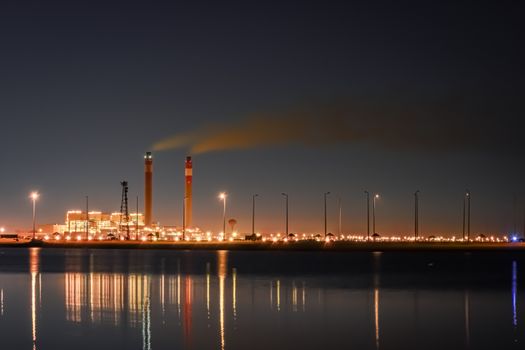 Photo: Jepoy Fabian / Pexels
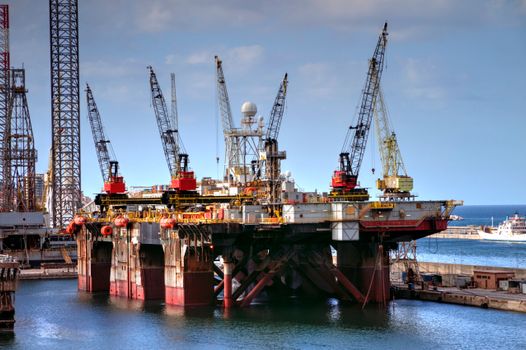 Photo: Gildo Cancelli / Pexels
 Photo: Antonius Ferret / Pexels
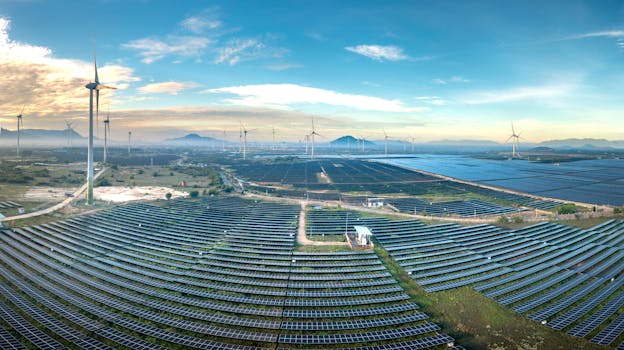 Photo: Quang Nguyen Vinh / Pexels