Unlocking the Benefits of Wind Power for a Sustainable Future
benefits of wind power

Unlocking the Benefits of Wind Power for a Sustainable Future

Harnessing the invisible force of wind offers a cascade of advantages for our planet and economy, paving the way for a greener tomorrow.

Explore Wind's Potential

Key Takeaways

  • ✓ Wind power is a clean, renewable energy source that produces no greenhouse gas emissions during operation.
  • ✓ The US wind industry supports hundreds of thousands of jobs and contributes billions to local economies.
  • ✓ Technological advancements have made wind turbines more efficient and cost-effective than ever before.
  • ✓ Wind energy reduces reliance on fossil fuels, enhancing energy independence and security.

How It Works

1
Wind Capture

Wind turns the large blades of a turbine, which are designed to capture the maximum amount of kinetic energy from the moving air. These blades are aerodynamically shaped, similar to airplane wings, to maximize lift and rotation.

2
Rotor Rotation & Gearbox

The rotating blades are connected to a shaft, which spins a low-speed gear. This low-speed shaft then feeds into a gearbox that significantly increases the rotational speed, preparing it for electricity generation.

3
Electricity Generation

The high-speed shaft from the gearbox drives a generator, which uses electromagnetic induction to convert mechanical energy into electrical energy. This is the same principle used in most power plants, but without burning fuel.

4
Power Transmission

The generated electricity is then sent through a transformer to increase its voltage, allowing it to be efficiently transmitted over long distances via power lines to homes, businesses, and industries across the grid.

Environmental Advantages: A Breath of Fresh Air
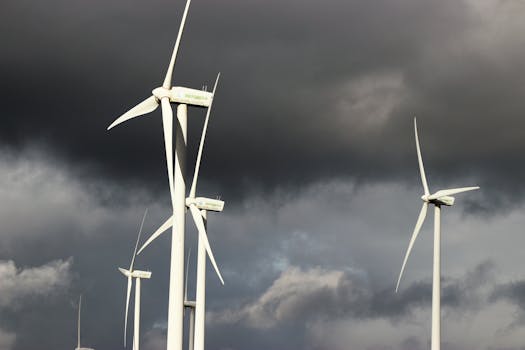
The most widely recognized and crucial benefits of wind power revolve around its profound positive impact on the environment. Unlike traditional fossil fuel power plants, operational wind turbines produce zero greenhouse gas emissions. This means no carbon dioxide, methane, or nitrous oxide released into the atmosphere, which are primary drivers of climate change. By displacing electricity generated from coal, natural gas, and oil, wind power directly contributes to a significant reduction in air pollution, leading to cleaner air and improved public health. The absence of harmful particulate matter, sulfur dioxide, and nitrogen oxides not only prevents respiratory illnesses but also mitigates the formation of acid rain and smog, protecting ecosystems and infrastructure.

Furthermore, wind energy is a truly renewable resource. The wind will blow as long as the sun shines and the Earth rotates, making it an inexhaustible source of power. This stands in stark contrast to finite fossil fuels, which are depleting rapidly and contribute to geopolitical instabilities. Relying on wind power means we are building an energy system that can sustain itself for generations, reducing our dependence on volatile global energy markets. The land footprint of a wind farm is also remarkably efficient. While turbines are spread across a large area, the actual ground occupied by the turbine foundations and access roads is minimal. This allows for dual land use, where agriculture or ranching can continue around and between the turbines, providing additional income for landowners. This symbiotic relationship between energy production and traditional land use is a unique advantage, demonstrating wind power's ability to integrate into existing landscapes with minimal disruption. The environmental benefits extend beyond air quality to water conservation. Thermoelectric power plants, which burn fossil fuels, require vast quantities of water for cooling. Wind energy, on the other hand, consumes virtually no water during operation, making it an invaluable asset in regions facing water scarcity. This water-saving aspect is becoming increasingly critical as climate change exacerbates drought conditions in many parts of the United States. Choosing wind power is a clear step towards a healthier planet and a more resilient future, addressing multiple environmental challenges simultaneously. It's a cornerstone of any comprehensive strategy to combat climate change and foster ecological well-being. To learn more about other clean energy options, explore our article on solar power benefits.

Economic Uplift: Powering Prosperity and Jobs

Beyond its environmental merits, the economic benefits of wind power are substantial and far-reaching, transforming local economies and creating new opportunities across the United States. The wind industry is a significant job creator, employing hundreds of thousands of Americans in various roles, from manufacturing turbine components and constructing wind farms to operating and maintaining the vast network of turbines. These jobs are often high-skilled and well-paying, providing stable employment in both urban and rural areas. The growth of the wind sector stimulates local economies by bringing in new tax revenues for communities, which can then be invested in schools, infrastructure, and public services. Landowners who host wind turbines on their property receive lease payments, providing a steady and reliable income stream that can be particularly impactful in agricultural regions where commodity prices can fluctuate. These payments often represent a significant boost to a farmer's income, allowing them to keep their land and sustain their livelihoods for generations.

The development of wind power also attracts considerable private investment. Billions of dollars are poured into wind projects annually, driving innovation, technological advancement, and the expansion of domestic manufacturing capabilities. This investment creates a ripple effect throughout the supply chain, benefiting industries such as steel production, transportation, and advanced materials. Furthermore, the increasing affordability of wind energy directly translates into lower electricity costs for consumers and businesses. As wind power becomes more competitive with traditional energy sources, it helps stabilize energy prices by diversifying the energy mix and reducing reliance on volatile fossil fuel markets. This cost predictability is a major advantage for long-term economic planning and fosters a more secure energy future. Energy independence is another critical economic benefit. By generating more of our electricity domestically from wind, the United States reduces its vulnerability to international energy price shocks and geopolitical instability. This enhances national security and keeps energy dollars within the country, strengthening the domestic economy. The economic uplift provided by wind power is not just about producing electricity; it's about building a robust, resilient, and equitable economic future for communities nationwide. It’s an investment in sustainable growth that pays dividends in jobs, revenue, and energy security.

Technological Advancements and Energy Security

The rapid pace of technological innovation has been a game-changer for the wind energy sector, significantly enhancing the benefits of wind power. Modern wind turbines are engineering marvels, far more efficient and powerful than their predecessors. Advances in aerodynamics, materials science, and control systems have led to larger blades, taller towers, and smarter turbines that can capture more energy from even lower wind speeds. This increased efficiency means that fewer turbines are needed to produce the same amount of electricity, reducing the overall footprint of wind farms. Furthermore, predictive analytics and artificial intelligence are being used to optimize turbine performance, forecast wind patterns more accurately, and schedule maintenance proactively, minimizing downtime and maximizing energy output. These continuous innovations are driving down the cost of wind energy, making it one of the most competitive forms of electricity generation today.

Beyond efficiency, wind power plays a pivotal role in strengthening energy security for the United States. A diversified energy portfolio is a resilient one. By integrating a significant amount of wind power into the grid, we reduce our dependence on a single energy source, particularly those susceptible to supply chain disruptions or price volatility. This diversification acts as a buffer against global market fluctuations and unforeseen events, ensuring a more stable and reliable electricity supply for consumers and businesses. Wind power is a domestic resource, meaning the fuel source (wind) is free and abundant within our borders. This eliminates the need for importing fuel from other countries, reducing trade deficits and insulating the nation from international political and economic pressures that can impact energy costs. The distributed nature of wind power, often located in rural areas, also contributes to grid resilience. When power generation is spread out rather than concentrated in a few large plants, the entire system is less vulnerable to large-scale outages from natural disasters or attacks. Microgrids and distributed generation systems leveraging wind power can provide critical backup in emergencies, ensuring essential services remain operational. Investing in wind power is not just about generating clean electricity; it's about investing in a robust, independent, and secure energy future for the nation. It's a strategic move that bolsters both economic stability and national security, ensuring a reliable power supply for generations to come. Explore how different energy sources compare in our guide on renewable energy types.

Addressing Challenges and Future Outlook of Wind Energy

While the benefits of wind power are compelling, it's also important to address the challenges and understand how the industry is evolving to overcome them. One common concern is the intermittency of wind – the wind doesn't blow constantly. However, significant advancements in energy storage technologies, particularly utility-scale batteries, are increasingly mitigating this issue. These storage solutions can store excess electricity generated during windy periods and release it when the wind is calm, ensuring a continuous and reliable power supply. Additionally, grid modernization and smart grid technologies are enabling better integration of variable renewable sources, allowing for more efficient management and distribution of wind power across broader geographical areas.

Another challenge often cited is the visual impact of wind turbines and potential impacts on wildlife, particularly birds and bats. The industry is continuously working to minimize these impacts through strategic site selection, advanced monitoring technologies, and innovative turbine designs that are more wildlife-friendly. For instance, some newer turbines use radar and acoustic sensors to detect approaching birds and can temporarily shut down to allow them to pass safely. The vast majority of studies show that wind turbine impacts on wildlife are significantly lower than those from other human activities and energy sources. Furthermore, community engagement and benefit-sharing programs are becoming standard practice, ensuring that local populations have a say in wind farm development and directly benefit from the projects.

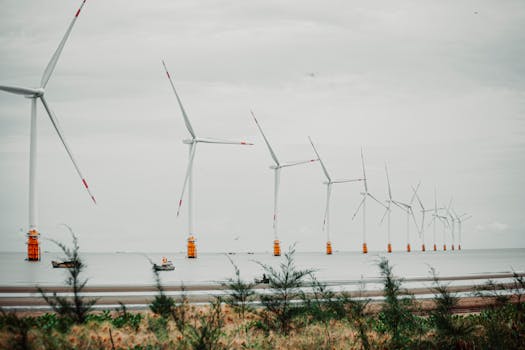
Looking ahead, the future outlook for wind power in the US is exceptionally bright. Offshore wind, in particular, holds immense potential, offering stronger, more consistent winds and the ability to power densely populated coastal areas. The development of floating offshore wind technology is opening up new possibilities in deeper waters, further expanding the available resource. Continued innovation in materials, design, and grid integration will only enhance the efficiency and cost-effectiveness of wind energy. The commitment from government policies and private investment continues to accelerate the deployment of wind power, solidifying its role as a cornerstone of the nation's clean energy transition. The journey to a fully decarbonized grid will undoubtedly rely heavily on the continued growth and refinement of wind energy, overcoming challenges with ingenuity and collaboration.

Comparison

FeatureWind PowerSolar PowerNatural Gas
Renewable Source✓ (Infinite)✓ (Infinite)✗ (Finite)
Greenhouse Gas Emissions (Operational)NoneNoneHigh
Water ConsumptionVery LowLowHigh
Fuel CostFreeFreeVariable Market Price
Land Use (per MWh)Moderate (dual use possible)Moderate (dedicated)Low (but mining/drilling footprint)
IntermittencyYes (wind dependent)Yes (day/night dependent)No (dispatchable)
Job Creation (per GWh)HighHighModerate

What Readers Say

"Living near a wind farm, I've seen firsthand the positive economic impact. Lease payments help our local farmers thrive, and the new jobs created have brought fresh energy to our community. It's a win-win for everyone."

Sarah Chen · Des Moines, IA

"As an environmental advocate, the benefits of wind power are clear: clean air, no emissions, and a sustainable future. It's inspiring to see so much investment in a truly renewable resource that helps combat climate change."

Mark Johnson · Denver, CO

"Our state has embraced wind energy, and I've noticed a real difference in our energy bills and reliability. Knowing my electricity comes from a clean, domestic source gives me great peace of mind. It’s a smart choice for energy independence."

Emily Rodriguez · Austin, TX

"While I love the idea of wind power, I sometimes wonder about the visual impact of turbines. However, the environmental benefits far outweigh this, and the technological advancements are impressive. I'm optimistic about its future."

David Lee · Portland, OR

"Working in the energy sector, I've seen how wind power is transforming our grid. It's not just about clean energy; it's about creating a more resilient and diverse energy supply that supports economic growth and innovation."

Maria Garcia · Chicago, IL

Frequently Asked Questions

What are the primary benefits of wind power?

The primary benefits of wind power include its status as a clean, renewable energy source that produces no greenhouse gas emissions during operation, its contribution to significant job creation and economic growth in local communities, and its role in enhancing energy independence and national security by reducing reliance on imported fossil fuels. It also conserves water and offers dual land use.

Does wind power cause environmental damage?

While any large-scale infrastructure project has some environmental considerations, wind power's operational environmental impact is significantly lower than fossil fuels. Concerns about wildlife, particularly birds and bats, are addressed through careful site selection, advanced monitoring, and turbine design, with studies showing minimal overall impact compared to other human activities and energy sources. It produces no air or water pollution.

How does wind power contribute to job creation?

Wind power creates jobs across its entire lifecycle, including manufacturing turbine components, constructing wind farms, transporting equipment, and operating and maintaining the turbines. These jobs range from engineers and technicians to construction workers and administrative staff, stimulating local economies and providing stable employment opportunities, particularly in rural areas.

Is wind power a cost-effective energy source?

Yes, wind power has become one of the most cost-effective forms of electricity generation. Thanks to technological advancements and economies of scale, the cost of wind energy has significantly decreased over the past decade, making it competitive with, and often cheaper than, new fossil fuel power plants, leading to lower electricity costs for consumers.

How does wind power compare to solar power in terms of benefits?

Both wind and solar power are excellent renewable energy sources with zero operational emissions. Wind power often performs better at night and during cloudy conditions, while solar excels during sunny days. Wind turbines generally have a higher capacity factor (produce more electricity relative to their rated power) than solar panels, but both are crucial for a diversified renewable energy portfolio and have complementary benefits.

Who benefits most from wind power development?

Everyone benefits from wind power development through cleaner air, a more stable climate, and enhanced energy security. Specifically, rural communities benefit from landowner lease payments and new job opportunities, consumers benefit from stable or lower electricity prices, and the nation benefits from reduced reliance on foreign energy sources and a stronger, more diversified energy grid.

Are wind turbines noisy or dangerous?

Modern wind turbines are designed to be much quieter than older models, and their sound is typically masked by ambient environmental noise at a short distance. While there are safety protocols for working on turbines, they are not inherently dangerous to people living nearby. Strict regulations and setback requirements ensure that noise levels and any potential safety risks are minimized for surrounding communities.

What is the future trend for wind power in the US?

The future of wind power in the US is bright, with significant growth projected, especially in offshore wind. Continued technological advancements, declining costs, supportive government policies, and increasing demand for clean energy are driving this expansion. Wind power is expected to play a central role in achieving the nation's decarbonization goals and strengthening its energy independence.

Embrace the power of the wind and discover how its incredible benefits can transform our energy landscape. From environmental protection to economic prosperity, wind power is a cornerstone of a sustainable future. Explore further how you can support this vital clean energy source.

Topics: benefits of wind powerrenewable energy advantageswind energy sustainabilityeconomic impact of wind powerclean energy US
Leo List
Brampton weed
Adultwork EstrelaBet Vai de Bet R7 Bet Betão Galera Bet Rainbet Bet9ja Shop SportyBet BetKing Sisal Loto Foot Hollywoodbets YesPlay Odibets RushBet Jugabet BetWarrior BetCity MSport betPawa Fortebet