Hydrogen Fuel Cell Technology: The Future of Clean Power
hydrogen fuel cell technology

Hydrogen Fuel Cell Technology: The Future of Clean Power

Unlock the potential of hydrogen fuel cells to power a cleaner, more sustainable world for generations to come.

Discover How

Key Takeaways

  • ✓ Hydrogen fuel cells produce electricity with only water and heat as byproducts.
  • ✓ They offer high energy density, leading to longer ranges for vehicles.
  • ✓ Fuel cell technology can power everything from cars to homes and industrial facilities.
  • ✓ The US Department of Energy actively supports hydrogen research and development.

How It Works

1
Hydrogen Intake

Hydrogen gas (H2) enters the anode side of the fuel cell. This is typically stored in a high-pressure tank.

2
Electron Separation

A platinum catalyst at the anode separates hydrogen atoms into protons (H+) and electrons (e-). The electrons are forced through an external circuit, creating an electric current.

3
Proton Passage

The protons pass through a proton-exchange membrane (PEM) to the cathode side, while the electrons power the load (e.g., a motor or light bulb).

4
Water Production

At the cathode, another platinum catalyst combines the protons, electrons, and oxygen from the air to form water (H2O), which is the only emission.

Understanding Hydrogen Fuel Cell Technology: The Basics

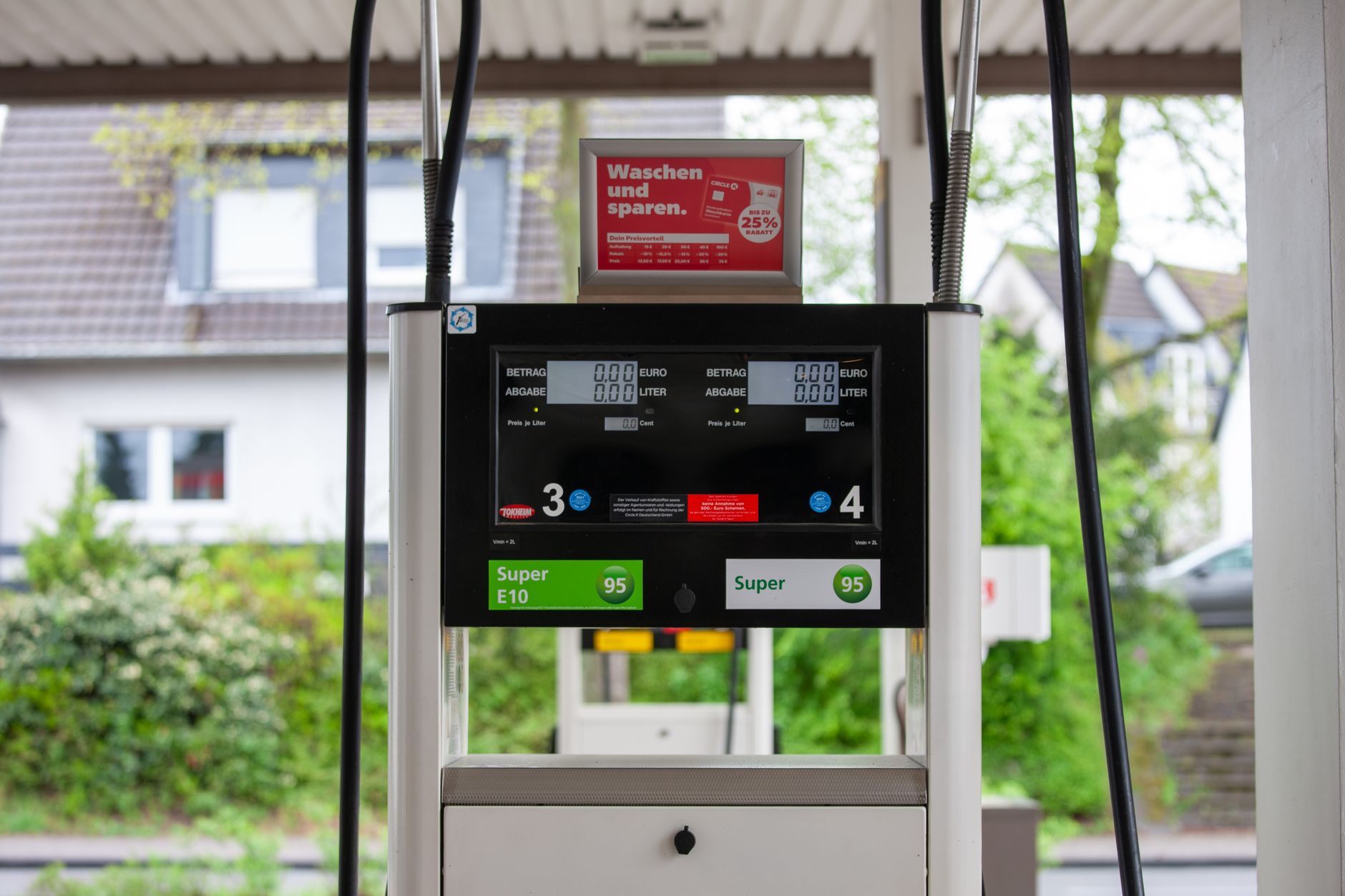
Minimalist view of a Shell gas station canopy against a cloudy sky, emphasizing simplicity and branding. Photo: Sofía Falco / Pexels
Hydrogen fuel cell technology represents a paradigm shift in how we generate and consume energy, offering a compelling alternative to traditional fossil fuels. At its core, a hydrogen fuel cell is an electrochemical device that converts the chemical energy of hydrogen and oxygen into electricity, with heat and water as the only byproducts. Unlike batteries, fuel cells do not run down or need recharging; they produce electricity as long as fuel (hydrogen) is supplied. This continuous power generation capability makes them incredibly versatile for a wide range of applications, from powering vehicles and homes to providing backup power for critical infrastructure. The fundamental principle behind a fuel cell involves a controlled chemical reaction, not combustion. This distinction is crucial because it means fuel cells are inherently cleaner and more efficient than internal combustion engines. In a typical Proton Exchange Membrane (PEM) fuel cell, hydrogen gas is fed to the anode, where a catalyst separates it into protons and electrons. The electrons are then routed through an external circuit, generating an electric current that can power various devices. Meanwhile, the protons pass through a special membrane to the cathode, where they combine with oxygen from the air and the electrons returning from the circuit to form water. This elegant process ensures zero tailpipe emissions, contributing significantly to improved air quality and reduced greenhouse gas emissions, a critical factor in combating climate change. The efficiency of hydrogen fuel cell technology is often higher than that of conventional combustion engines, especially in applications requiring consistent power output. While internal combustion engines typically convert only 20-30% of their fuel's energy into useful work, fuel cells can achieve efficiencies of 40-60%, and even higher when waste heat is captured and utilized in combined heat and power (CHP) systems. This higher efficiency translates to less energy waste and more effective utilization of resources. The development of robust and cost-effective fuel cell stacks, along with advancements in hydrogen production and storage, is pivotal to the widespread adoption of this technology. Governments and industries worldwide, including significant investment in the US, are recognizing the immense potential of hydrogen as a clean energy carrier and are investing heavily in research, development, and deployment initiatives to bring this technology to the forefront of our energy landscape. Learn more about renewable energy solutions.

Applications and Advantages of Hydrogen Fuel Cells

Close-up of a person refueling a car at a gas pump during night. Photo: ClickerHappy / Pexels
The versatility of hydrogen fuel cell technology is one of its most compelling attributes, enabling its application across a diverse array of sectors. In the transportation industry, fuel cell electric vehicles (FCEVs) offer a compelling alternative to battery electric vehicles (BEVs) and traditional gasoline cars. FCEVs boast significantly longer driving ranges and much faster refueling times, often comparable to gasoline cars, addressing two key concerns for consumers considering electric mobility. Heavy-duty vehicles, such as buses, trucks, and even trains and ships, are also prime candidates for fuel cell adoption, where the weight and charging time of large battery packs can be prohibitive. The ability to carry a substantial amount of energy in the form of hydrogen makes fuel cells ideal for long-haul transportation and high-power applications. Beyond transportation, hydrogen fuel cells are making significant inroads into stationary power generation. They can provide reliable, clean electricity for homes, businesses, and critical infrastructure like hospitals and data centers. In regions prone to power outages, fuel cell backup power systems offer a silent, emission-free alternative to diesel generators, ensuring continuous operation without contributing to local air pollution. Furthermore, fuel cells are being integrated into microgrids and distributed generation systems, enhancing energy resilience and allowing for greater penetration of intermittent renewable energy sources like solar and wind. When excess renewable electricity is used to produce hydrogen through electrolysis (a process often referred to as 'power-to-gas'), this hydrogen can then be stored and later converted back into electricity via fuel cells, effectively acting as a form of long-duration energy storage. The advantages of hydrogen fuel cell technology extend beyond its diverse applications. Environmental benefits are paramount; with water as the only emission, fuel cells help combat climate change and improve air quality, particularly in urban areas. Operationally, fuel cells are quiet, produce minimal vibration, and offer high efficiency, which can lead to lower operating costs over time, especially as hydrogen production becomes more cost-effective and green. Their modular design allows for scalability, meaning fuel cell systems can be tailored to meet specific power demands, from small portable devices to multi-megawatt power plants. As the infrastructure for hydrogen production, distribution, and refueling continues to develop, especially with initiatives like the US Hydrogen Hubs, the economic viability and widespread adoption of fuel cell technology will only accelerate, solidifying its role in a sustainable energy future. The high energy density of hydrogen also means less frequent refueling or smaller fuel storage requirements compared to other zero-emission options, which is a significant advantage for specific use cases.

Challenges and Future Outlook for Hydrogen Energy in the US

A stunning aerial view of an illuminated city intersection in Kovel, Ukraine, captured at night. Photo: Denys Mikhalevych / Pexels
Despite the immense promise of hydrogen fuel cell technology, several significant challenges must be addressed for its widespread adoption, particularly within the United States. One of the primary hurdles is the cost of hydrogen production and the associated infrastructure. While hydrogen is the most abundant element in the universe, it rarely exists in its pure form and must be extracted from other compounds. Currently, a large portion of hydrogen is produced from natural gas through steam methane reforming (SMR), a process that, while efficient, still generates carbon emissions. The focus is increasingly shifting towards 'green hydrogen' production, which utilizes renewable electricity to split water via electrolysis. However, the cost of green hydrogen remains higher than 'grey' hydrogen (from SMR) and the electrolysis technology itself needs further scaling and cost reduction. Building out the necessary infrastructure for hydrogen transportation (pipelines), storage, and a comprehensive network of refueling stations across the vast expanse of the US is also a monumental undertaking requiring substantial investment. Another challenge lies in the durability and cost of fuel cell components, particularly the platinum catalysts used in PEM fuel cells. While significant progress has been made in reducing platinum loading and developing alternative materials, further innovation is needed to drive down manufacturing costs and extend the lifespan of fuel cell stacks to be competitive with conventional power sources. Public perception and awareness also play a role; many people are unfamiliar with hydrogen as an energy carrier and may have misconceptions about its safety, often associating it with the Hindenburg disaster. Education and demonstration projects are vital to showcasing the safety and reliability of modern hydrogen systems, which are designed with multiple layers of safety protocols and robust materials. However, the future outlook for hydrogen fuel cell technology in the US is increasingly optimistic, driven by strong government support and private sector innovation. The US Department of Energy's 'Hydrogen Shot' initiative aims to reduce the cost of clean hydrogen by 80% to $1 per kilogram by 2031, a critical step towards making green hydrogen economically competitive. Furthermore, significant federal funding from the Bipartisan Infrastructure Law is being allocated to establish regional clean hydrogen hubs, develop manufacturing and recycling capabilities, and advance research and development. These initiatives are designed to create interconnected ecosystems that can accelerate the production, distribution, and utilization of hydrogen across various sectors. As these investments mature and technological advancements continue, the US is poised to become a global leader in the hydrogen economy, paving the way for a cleaner, more secure energy future. Explore how policy drives energy innovation.

Maximizing Efficiency: Tips for Fuel Cell Integration

Close-up of a person refueling a car with a green hose at a gas station. Photo: Engin Akyurt / Pexels
Integrating hydrogen fuel cell technology effectively requires careful planning and a strategic approach to maximize efficiency and realize its full potential. Whether for transportation, stationary power, or industrial applications, several key considerations can optimize performance and cost-effectiveness. Here are some tips for successful fuel cell integration: * **Source Green Hydrogen:** Prioritize sourcing hydrogen produced from renewable energy (green hydrogen). This not only aligns with sustainability goals but also qualifies for various incentives and reduces the carbon footprint of your operations. Investigate local hydrogen production facilities or consider on-site electrolysis if renewable electricity is readily available. * **Optimize System Design:** Work with experienced engineers to design a fuel cell system that precisely matches your power requirements. Oversizing can lead to unnecessary costs, while undersizing can compromise performance. Consider factors like peak load, continuous load, and backup power needs. Modular designs can offer flexibility for future expansion. * **Ensure Robust Fueling Infrastructure:** For mobile applications, access to reliable hydrogen refueling stations is paramount. For stationary applications, ensure secure and efficient hydrogen storage and delivery systems. This might involve high-pressure tanks, liquid hydrogen storage, or even pipeline connections where available. * **Implement Energy Management Systems:** Integrate advanced energy management systems that can intelligently control the fuel cell's operation, optimize its interaction with other power sources (e.g., batteries, grid), and manage hydrogen consumption for peak efficiency. This is crucial for hybrid systems. * **Prioritize Safety Protocols:** Hydrogen is a flammable gas, and while modern systems are incredibly safe, adherence to strict safety standards and protocols is essential. This includes proper ventilation, leak detection, emergency shutdown procedures, and regular maintenance by certified technicians. Education for operators and users is also critical. * **Consider Combined Heat and Power (CHP):** For stationary applications, explore CHP systems where the waste heat from the fuel cell is captured and utilized for heating or cooling. This significantly increases the overall efficiency of the system, often reaching 80% or more, providing both electricity and thermal energy from a single fuel source. * **Stay Informed on Advancements:** The hydrogen economy is rapidly evolving. Keep abreast of new technological breakthroughs, policy changes, and incentive programs that can further enhance the viability and benefits of fuel cell integration. Participating in industry forums and engaging with experts can provide valuable insights. By following these tips, organizations can effectively harness the power of hydrogen fuel cell technology, contributing to a cleaner environment while achieving reliable and efficient energy solutions.

Comparison

FeatureHydrogen Fuel CellsBattery Electric Vehicles (BEVs)Internal Combustion Engines (ICE)
EmissionsZero (Water/Heat)Zero (at tailpipe)High (CO2, NOx, particulates)
Refueling TimeMinutes (similar to gas)Hours (for full charge)Minutes
RangeLong (300+ miles)Moderate to Long (200-400 miles)Long (300-500+ miles)
Energy SourceHydrogenElectricityGasoline/Diesel
EfficiencyHigh (40-60%)Very High (70-80%)Low (20-30%)
NoiseVery LowVery LowHigh
InfrastructureDevelopingDeveloping/ExpandingWell-Established

What Readers Say

"My company switched our forklift fleet to hydrogen fuel cell power, and the difference is incredible. No more long battery swaps, just quick refills, leading to vastly improved operational uptime. It's a game-changer for our logistics."

Sarah J. · Sacramento, CA

"As an early adopter of a hydrogen fuel cell car, I'm consistently impressed by the range and quick refueling. It drives smoothly, and knowing I'm emitting only water vapor makes the daily commute much more satisfying."

Mark D. · Austin, TX

"We integrated a stationary fuel cell system for backup power at our data center. It flawlessly provided uninterrupted power during a recent grid outage, proving its reliability and significantly reducing our carbon footprint compared to diesel generators."

EcoSolutions Inc. · Denver, CO

"The potential of hydrogen fuel cell technology is undeniable, especially for heavy transport. While refueling stations are still sparse in my area, the advancements in efficiency and clean operation are truly exciting for a sustainable future."

Emily R. · Boston, MA

"Our maritime research vessel uses a fuel cell auxiliary power unit. It's incredibly quiet, reduces our reliance on noisy generators, and aligns perfectly with our mission for environmental stewardship in sensitive marine environments."

David L. · Seattle, WA

Frequently Asked Questions

What is hydrogen fuel cell technology?

Hydrogen fuel cell technology is an electrochemical process that converts the chemical energy of hydrogen and oxygen into electricity, heat, and water. Unlike traditional combustion, this process is highly efficient and produces zero harmful emissions at the point of use, making it a promising solution for clean power generation across various applications.

Is hydrogen fuel cell technology safe?

Yes, modern hydrogen fuel cell systems are designed with extensive safety measures, including robust storage tanks, leak detection, and automatic shutdown protocols. Hydrogen is lighter than air and dissipates quickly if a leak occurs, often posing less risk than gasoline in a contained environment. Extensive testing and regulations ensure their safe operation.

How is hydrogen produced for fuel cells?

Hydrogen can be produced in several ways. Currently, most hydrogen is produced from natural gas (grey hydrogen). However, there's a growing focus on 'green hydrogen,' produced by splitting water using renewable electricity (electrolysis), which results in zero carbon emissions. Other methods include biomass gasification and nuclear-powered electrolysis.

What is the cost of hydrogen fuel cell technology?

The cost of hydrogen fuel cell technology is decreasing rapidly due to advancements in manufacturing and increased scale. While initial investment can be higher than conventional systems, operating costs can be competitive, especially with incentives for clean energy and the rising cost of fossil fuels. The 'Hydrogen Shot' initiative aims to drastically reduce green hydrogen costs.

How does hydrogen fuel cell technology compare to battery electric vehicles?

Hydrogen fuel cell electric vehicles (FCEVs) offer longer driving ranges and much faster refueling times (minutes) compared to battery electric vehicles (BEVs), which can take hours to fully charge. However, BEVs have a more developed charging infrastructure currently, and their efficiency from grid to wheels is generally higher. FCEVs are often favored for heavy-duty and long-range applications.

Who should use hydrogen fuel cell technology?

Hydrogen fuel cell technology is ideal for entities seeking highly efficient, zero-emission power solutions, especially those requiring long operating ranges, quick refueling, or reliable stationary power. This includes fleet operators (forklifts, buses, trucks), data centers, remote power generation, and industries committed to decarbonizing their operations.

What are the environmental impacts of hydrogen fuel cells?

When powered by green hydrogen, fuel cells have a near-zero environmental impact at the point of use, emitting only water vapor and heat. This significantly reduces greenhouse gas emissions and air pollutants compared to fossil fuels, contributing to cleaner air and mitigating climate change. The environmental impact depends heavily on how the hydrogen itself is produced.

What are the future trends in hydrogen fuel cell development?

Future trends include significant cost reduction through advanced materials and manufacturing, increased efficiency, development of robust hydrogen infrastructure (production, storage, distribution), and expansion into new applications like aviation and maritime. There's also a strong push for 'power-to-gas' solutions to integrate more renewable energy into the grid.

Embrace the future of clean energy with hydrogen fuel cell technology. Explore its potential to revolutionize your operations, contribute to a sustainable environment, and secure a reliable power source for tomorrow. Discover how this innovative solution can drive efficiency and reduce emissions across various sectors.

Topics: hydrogen fuel cell technologyclean energyrenewable powerfuel cell applicationssustainable energy
Leo List

IE Escorts NO Escorts US Escorts NZ Escorts AU Escorts
Brampton weed
Adultwork EstrelaBet Vai de Bet R7 Bet Betão Galera Bet Rainbet Bet9ja Shop SportyBet BetKing Sisal Loto Foot Hollywoodbets YesPlay Odibets RushBet Jugabet BetWarrior BetCity MSport betPawa Fortebet