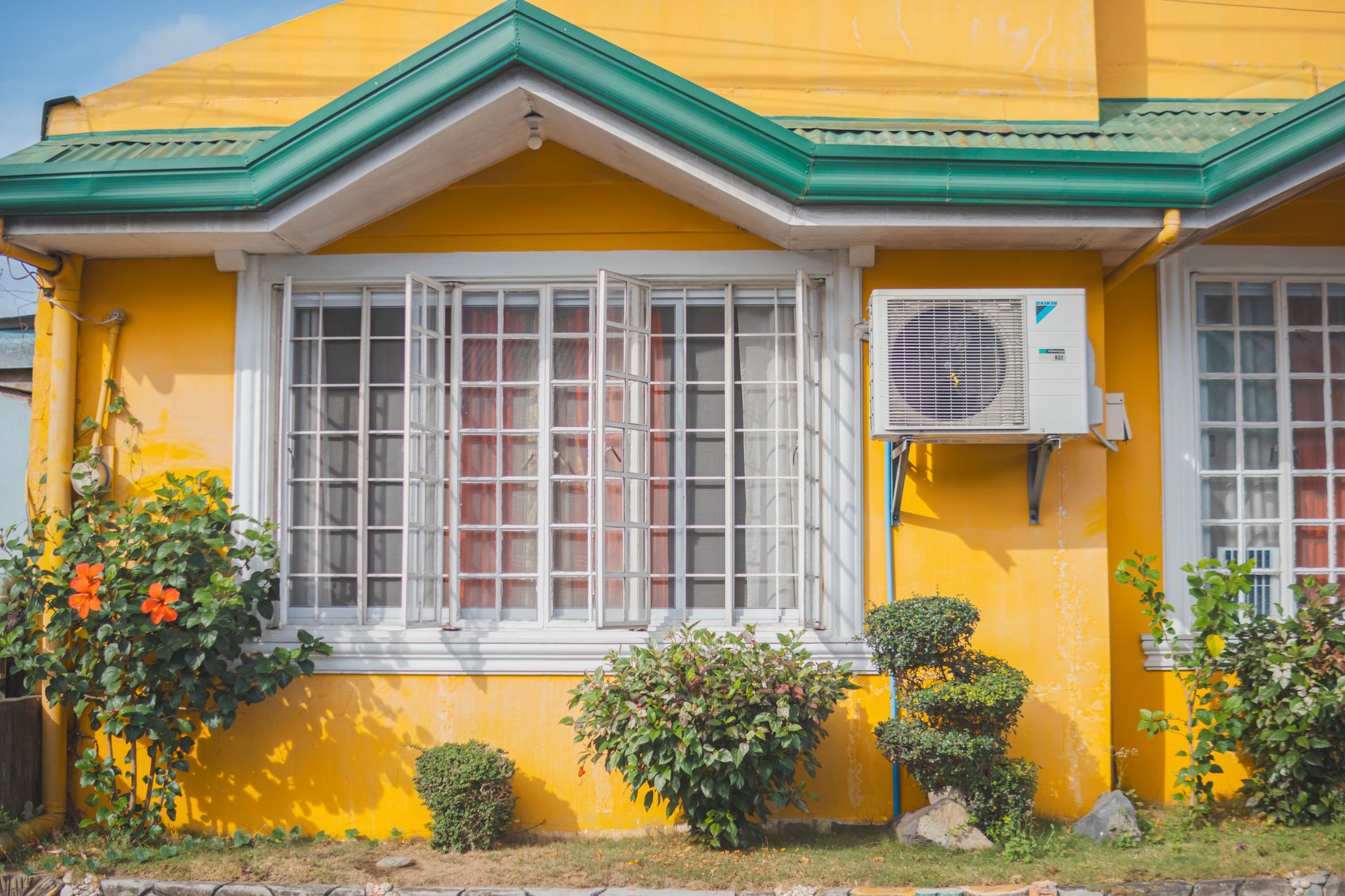
Smart Ways How to Reduce Energy Consumption at Home
how to reduce energy consumption at home

Smart Ways How to Reduce Energy Consumption at Home

Unlock significant savings on your utility bills and make your home more eco-friendly with these actionable strategies.

Start Saving Now

Key Takeaways

  • ✓ Heating and cooling account for nearly half of a typical home's energy use.
  • ✓ Replacing old appliances with ENERGY STAR certified models can save hundreds annually.
  • ✓ Sealing air leaks can reduce heating and cooling costs by 10-20%.
  • ✓ Smart thermostats can save 10-12% on heating and 15% on cooling bills.

How It Works

1
Assess Your Current Usage

Review past utility bills to identify peak consumption periods and understand your baseline. This helps pinpoint areas for the most significant improvements.

2
Implement Quick Wins

Start with simple, low-cost changes like switching to LED lighting, unplugging 'vampire' devices, and optimizing thermostat settings. These provide immediate savings.

3
Invest in Efficiency Upgrades

Consider larger investments such as improved insulation, energy-efficient windows, or upgrading to ENERGY STAR appliances. These offer long-term financial and environmental benefits.

4
Monitor and Adjust

Regularly track your energy consumption to see the impact of your changes. Use smart home technology to fine-tune your energy-saving habits and maximize efficiency.

Understanding Your Home's Energy Footprint
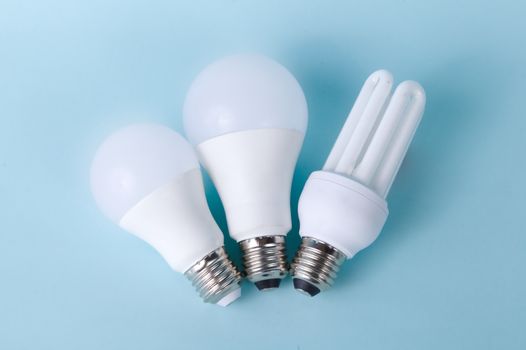
Three assorted LED and CFL light bulbs against a light blue background. Photo: Riki Risnandar / Pexels
Before diving into specific strategies on how to reduce energy consumption at home, it's crucial to understand where your energy goes. Many homeowners are surprised to learn that heating and cooling systems are by far the biggest energy hogs, often accounting for 40-50% of total household energy use. Water heating typically comes in second, followed by appliances, lighting, and electronics. Knowing this breakdown allows you to prioritize your efforts and focus on areas where you can achieve the most significant impact. Start by analyzing your past utility bills. Look for trends in consumption over different seasons. Do your electricity bills spike in the summer due to air conditioning, or in the winter due to heating? Are there unexplained surges? Many utility companies now offer online portals that provide detailed energy usage analytics, sometimes even breaking down consumption by category. This data is invaluable for identifying your personal energy vampires and understanding your home's unique energy profile. An energy audit is another excellent tool for a comprehensive understanding. Professional energy auditors use specialized equipment, like thermal cameras, to detect air leaks, insulation deficiencies, and other hidden inefficiencies that contribute to energy waste. They can provide a prioritized list of recommendations tailored to your specific home, often with estimated cost savings and payback periods. While a professional audit incurs a cost, many states and utility companies offer rebates or incentives to help offset it. Even a DIY energy audit, where you systematically check for drafts, inspect insulation, and assess appliance efficiency, can reveal significant opportunities for improvement. Understanding your home's energy footprint is the foundational step towards truly effective energy management and achieving substantial savings. Without this insight, you might be spending time and money on less impactful changes. This initial assessment sets the stage for a targeted and effective approach to energy reduction, ensuring that your efforts yield the best possible results for both your wallet and the environment. It empowers you to make informed decisions about where to invest your time and resources, transforming your home into a more efficient and sustainable living space. Embrace this diagnostic phase as an investment in long-term savings and comfort.

Optimizing Heating and Cooling for Maximum Savings
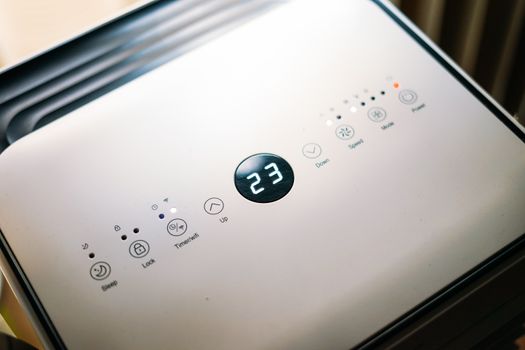
Close-up of a sleek air conditioner control panel displaying temperature. Photo: Geri Tech / Pexels
Given that heating and cooling represent the largest slice of your energy pie, optimizing these systems is paramount when considering how to reduce energy consumption at home. The most impactful change you can make is installing a smart thermostat. Devices like Nest or Ecobee learn your habits, adjust temperatures automatically, and can be controlled remotely via your smartphone. They can save 10-12% on heating and 15% on cooling bills annually, paying for themselves often within a year or two. Beyond smart technology, simply setting your thermostat strategically makes a huge difference: aim for 68°F in winter and 78°F in summer when you're home, and adjust it by 7-10°F when you're away or asleep. Insulation is your home's thermal blanket. Poor insulation in attics, walls, and floors allows heat to escape in winter and enter in summer, forcing your HVAC system to work overtime. Upgrading attic insulation to recommended R-values (typically R-38 to R-60 in most US climates) offers one of the best returns on investment. Sealing air leaks around windows, doors, electrical outlets, and plumbing penetrations is equally critical. Use caulk for gaps less than a quarter-inch wide and weatherstripping for movable components like windows and doors. These seemingly small gaps can add up to the equivalent of leaving a window open 24/7. Regular maintenance of your HVAC system is not just about longevity; it's about efficiency. Change air filters monthly or every three months to ensure optimal airflow. Schedule annual professional tune-ups for your furnace and air conditioner. A well-maintained system runs more efficiently, consuming less energy and reducing the likelihood of costly breakdowns. Don't forget about ceiling fans; they don't change the room temperature but can make you feel 4-7 degrees cooler, allowing you to raise your thermostat setting in summer. In winter, reverse the blade direction to push warm air down from the ceiling. These combined strategies for heating and cooling optimization form the cornerstone of any effective plan to dramatically lower your home's energy consumption.

Smart Appliance Use and Lighting Upgrades
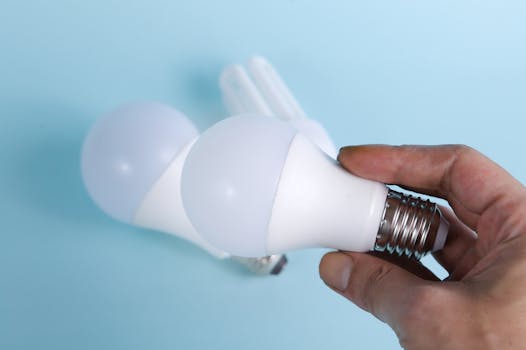
Close-up of hand holding energy-efficient LED light bulbs on a blue background. Photo: Riki Risnandar / Pexels
Beyond HVAC, your appliances and lighting contribute significantly to your overall energy bill. Making smart choices in these areas is a powerful way how to reduce energy consumption at home. The simplest and most cost-effective lighting upgrade is switching to LED bulbs. LEDs use up to 90% less energy than incandescent bulbs and last 25 times longer. While the upfront cost is higher, the savings on your electricity bill and the reduced need for replacements make them an undeniable winner. Consider installing dimmer switches for LEDs to further control light levels and energy use, and always remember to turn off lights when leaving a room. When it comes to appliances, the term 'vampire power' or 'phantom load' refers to the electricity many electronics consume even when turned off or in standby mode. This can account for 5-10% of your household's electricity use. Combat this by unplugging devices when not in use or, more conveniently, by using smart power strips. These strips can cut power to devices that are turned off or in standby, effectively eliminating vampire drain. For larger appliances, always look for the ENERGY STAR label when purchasing new ones. ENERGY STAR certified appliances meet strict energy efficiency guidelines set by the EPA and Department of Energy, typically using 10-50% less energy than standard models. While the initial investment might be higher, the long-term savings on your utility bills often outweigh the extra cost. Beyond purchasing efficient models, how you use your appliances also matters. Run your dishwasher and washing machine only when full, and utilize their eco-friendly or energy-saving settings. For laundry, wash with cold water whenever possible; heating water accounts for about 90% of the energy used by a washing machine. Air-dry clothes when weather permits. When cooking, use the right-sized burner for your pots, keep lids on pots to retain heat, and consider using smaller appliances like microwaves or toaster ovens for smaller meals, as they are generally more energy-efficient than a full-sized oven. These conscious habits, coupled with efficient technology, will significantly drive down your overall household energy expenditure.

Water Heating, Windows, and Behavioral Changes
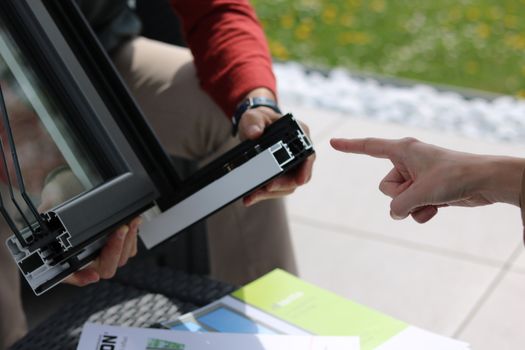
Close-up of two people examining an aluminum window frame outdoors. Photo: Francesca Cinel / Pexels
Rounding out your strategy on how to reduce energy consumption at home involves tackling water heating, optimizing windows, and cultivating energy-saving behaviors. Water heating is typically the second-largest energy consumer in a home, after HVAC. A simple, yet effective step is to lower your water heater's thermostat to 120°F. Most households don't need hotter water, and reducing the temperature can save 4-22% on water heating costs. Insulating your hot water tank and hot water pipes can further reduce heat loss, especially if your tank is old or located in an unheated space. For long-term savings, consider upgrading to an on-demand (tankless) water heater or a heat pump water heater, which are significantly more efficient than traditional tank models. Windows are often a weak point in a home's thermal envelope. Old, single-pane windows can account for up to 25% of your home's heat loss in winter and heat gain in summer. While replacing them with ENERGY STAR certified windows is a significant investment, it offers substantial long-term savings and improved comfort. If replacement isn't feasible, there are less costly alternatives. Apply window film, use heavy, insulated curtains or blinds, and ensure they are closed during the hottest parts of the day in summer and at night in winter to create an insulating barrier. Finally, behavioral changes are crucial and often cost nothing. Unplug chargers when not in use. Take shorter showers. Turn off lights and electronics when leaving a room. Open windows for natural ventilation instead of immediately reaching for the AC. These small, consistent actions, when practiced by every household member, accumulate into significant energy savings over time. Educating your family about the importance of energy conservation fosters a collective effort towards a more sustainable and cost-effective home. Implementing these diverse strategies across various aspects of your home will solidify your efforts to reduce energy consumption, leading to a noticeable difference in your utility bills and your environmental impact.

Comparison

FeatureSmart ThermostatLED LightingEnergy Star AppliancesImproved Insulation
Initial Cost$150-$300$3-$10/bulbVaries (higher)$1000-$5000+
Annual Savings$50-$150$50-$100+Varies (significant)$200-$600+
Payback Period1-2 years1 year3-5 years3-7 years
Ease of InstallationMediumEasyVariesProfessional Recommended
Environmental ImpactHighHighHighHigh

What Readers Say

"Following these tips on how to reduce energy consumption at home has been a game-changer! Our summer electricity bill dropped by over $70 thanks to the smart thermostat and sealing air leaks. Highly recommend this guide."

Sarah J. · Austin, TX

"I was skeptical, but the advice on LED lighting and unplugging 'vampire' devices made a real difference. Our energy bills are consistently lower now, and I feel better about our environmental footprint."

Mark D. · Seattle, WA

"After implementing the insulation recommendations and adjusting our water heater temperature, we saved 18% on our overall energy costs last quarter. The long-term savings are truly impressive."

Emily R. · Denver, CO

"The guide is very comprehensive. While some larger investments are still on my to-do list, the immediate changes like adjusting thermostat settings and using power strips have already yielded noticeable savings. Great actionable advice."

David L. · Boston, MA

"As a renter, I focused on the low-cost tips. Switching to LEDs, using cold water for laundry, and being mindful of appliance use has made my monthly utility payments much more manageable. Every little bit helps!"

Jessica M. · San Francisco, CA

Frequently Asked Questions

What's the single most impactful thing I can do to reduce energy consumption at home?

Optimizing your heating and cooling systems is typically the most impactful. This includes installing a smart thermostat, ensuring proper insulation, and regularly maintaining your HVAC unit. These areas account for the largest portion of household energy use, so improvements here yield the greatest savings.

Is it really worth investing in expensive energy-efficient appliances?

Yes, generally it is. While the upfront cost might be higher, ENERGY STAR certified appliances are designed to use significantly less energy over their lifespan. The savings on your utility bills often offset the initial investment, making them a wise long-term financial decision and better for the environment.

How can I easily check for air leaks in my home?

You can perform a simple DIY air leak test. On a windy day, hold a lit incense stick or a feather near windows, doors, electrical outlets, and plumbing penetrations. If the smoke or feather moves, you've found an air leak that needs sealing with caulk or weatherstripping.

What's the average payback period for energy-saving home improvements?

The payback period varies widely. Simple changes like LED bulbs or smart thermostats can pay for themselves within 1-2 years. Larger investments like insulation or new windows might take 3-7 years, but they also offer greater long-term savings and increased home comfort and value.

Are there government incentives or rebates for energy-efficient upgrades?

Absolutely. The U.S. federal government offers tax credits for certain energy-efficient home improvements, and many states and local utility companies provide rebates or programs for upgrades like insulation, HVAC replacements, and smart thermostats. Check the ENERGY STAR website or your local utility for current offerings.

Who should prioritize reducing energy consumption at home?

Everyone can benefit, but it's especially crucial for homeowners looking to lower high utility bills, those concerned about their environmental impact, and individuals planning to increase their home's resale value. Renters can also implement many low-cost strategies to save.

Could reducing energy consumption impact my home's comfort?

On the contrary, effective energy reduction strategies often *improve* home comfort. Sealing drafts, improving insulation, and optimizing HVAC performance lead to more consistent temperatures, fewer cold spots, and better indoor air quality, making your home more comfortable year-round.

What are future trends in home energy consumption reduction?

Future trends include widespread adoption of smart home energy management systems that integrate all appliances and utilities, increased use of renewable energy sources (like solar panels), advanced building materials with superior insulation, and more personalized energy consumption feedback tools for homeowners.

Ready to take control of your utility bills and make a positive impact? Start implementing these proven strategies on how to reduce energy consumption at home today. Your wallet and the planet will thank you.

Topics: how to reduce energy consumption at homesave energy homelower utility billsenergy efficiency tipssustainable living
Leo List
Brampton weed
Adultwork EstrelaBet Vai de Bet R7 Bet Betão Galera Bet Rainbet Bet9ja Shop SportyBet BetKing Sisal Loto Foot Hollywoodbets YesPlay Odibets RushBet Jugabet BetWarrior BetCity MSport betPawa Fortebet