✓ Heating and cooling account for nearly half of a typical U.S. home's energy consumption.
✓ Sealing air leaks can save homeowners 10% to 20% on heating and cooling costs.
✓ Upgrading to ENERGY STAR certified appliances can cut energy usage by 10-50%.
✓ Programmable thermostats can save approximately $180 per year on energy costs.
How It Works
1
Assess Your Current Usage
Review past utility bills to identify peak consumption periods and understand where your energy is going. This baseline helps you track progress and pinpoint areas for improvement.
2
Implement Quick Wins
Start with simple, low-cost changes like unplugging idle electronics, adjusting thermostat settings, and switching to LED lighting. These small actions yield immediate savings.
3
Invest in Efficiency Upgrades
Consider more significant improvements such as sealing air leaks, upgrading insulation, or replacing old appliances with ENERGY STAR models. These investments offer substantial long-term returns.
4
Monitor & Optimize
Continuously track your energy consumption and adjust your habits or home systems as needed. Regular monitoring ensures you maintain efficiency and maximize your savings over time.
Understanding Your Energy Consumption and Its Impact
Photo: Riki Risnandar / Pexels
Before you can effectively reduce your energy bill, it's crucial to understand where your energy is going. Many homeowners are surprised to learn that heating and cooling systems are by far the biggest culprits, often accounting for 40-50% of total household energy use. Water heating typically comes in second, followed by lighting, appliances, and electronics. The first step toward significant savings is to perform an energy audit, either a professional one or a DIY version. A professional energy auditor uses specialized equipment like blower doors and infrared cameras to detect hidden air leaks and insulation deficiencies. They can provide a comprehensive report detailing specific areas for improvement and their potential energy savings. While a professional audit comes with a cost, it can uncover issues you might never find on your own and often pays for itself in savings over time.
For those who prefer a DIY approach, start by examining your past utility bills. Look for trends in consumption, particularly spikes during certain seasons. This can indicate issues with your heating or cooling systems. Next, visually inspect your home for obvious air leaks around windows, doors, electrical outlets, and plumbing penetrations. Use an incense stick or a lit candle on a breezy day to detect drafts. Check insulation levels in your attic, walls, and crawl spaces. The Department of Energy provides guidelines for recommended insulation R-values based on your region. Understanding these basic elements of your home's energy footprint is foundational. Without this insight, you're essentially trying to hit a target blindfolded. By pinpointing the largest energy drains, you can prioritize your efforts and investments for maximum impact. This initial assessment not only informs your strategy but also empowers you to make data-driven decisions about your home's energy future. For more general advice on managing household costs, explore resources on household budgeting to see how energy fits into the bigger picture. Remember, knowledge is power, especially when it comes to your utility bill.
Optimizing Heating and Cooling for Maximum Savings
Photo: BOOM 💥 Photography / Pexels
Given that heating and cooling are the largest energy consumers in most homes, optimizing these systems offers the most substantial opportunities to reduce your energy bill. The first and most straightforward step is to manage your thermostat effectively. A smart or programmable thermostat allows you to set schedules that automatically adjust temperatures when you're away or asleep, saving you money without sacrificing comfort. For instance, setting your thermostat back 7-10 degrees Fahrenheit for 8 hours a day can save up to 10% on heating and cooling costs annually. During winter, aim for around 68°F when awake and lower it at night or when out. In summer, set it to 78°F or higher. Every degree difference can impact your bill.
Beyond thermostat settings, maintaining your HVAC system is paramount. Regular professional tune-ups (at least once a year) ensure your furnace and air conditioner run at peak efficiency. Change air filters monthly or every three months; a dirty filter restricts airflow, making your system work harder and consume more energy. Consider zoning systems for larger homes, which allow you to heat or cool only the areas you're currently using. Furthermore, addressing air leaks and improving insulation are critical. Seal gaps around windows, doors, and electrical outlets with caulk and weatherstripping. Insulate your attic, walls, and crawl spaces to the recommended R-value for your climate zone. This prevents conditioned air from escaping and unconditioned air from entering, reducing the workload on your HVAC system significantly. Installing reflective window films or using heavy curtains can also help regulate indoor temperatures by blocking heat gain in summer and retaining heat in winter. These cumulative efforts create a more comfortable home while drastically cutting down on your energy expenditure.
Efficient Appliance Use and Lighting Upgrades
Photo: Riki Risnandar / Pexels
After heating and cooling, appliances and lighting represent the next significant areas where you can reduce your energy bill. Making smart choices and adopting efficient habits can lead to considerable savings. Start with your lighting. If you haven't already, switch all your incandescent bulbs to LEDs (Light Emitting Diodes). LEDs consume up to 90% less energy and last 25 times longer than traditional bulbs, providing an immediate and long-term reduction in your electricity consumption. While the upfront cost might be slightly higher, the savings quickly offset the investment. Also, remember the simple habit of turning off lights when leaving a room, or consider installing occupancy sensors in less-frequented areas like bathrooms or laundry rooms.
When it comes to appliances, the key is to use them efficiently and consider upgrades when necessary. For refrigerators, ensure the door seals are tight and the temperature is set correctly (35-38°F for the fridge, 0-5°F for the freezer). Avoid placing hot food directly into the fridge, as it makes the compressor work harder. For laundry, wash clothes in cold water whenever possible – about 90% of a washing machine's energy goes to heating water. Always run full loads for both washers and dishwashers. If your appliances are more than 10-15 years old, they are likely energy hogs. When replacing them, look for ENERGY STAR certified models. These appliances are independently certified to be more energy-efficient without sacrificing performance. While the initial investment can be substantial, the long-term savings on your utility bills, coupled with potential rebates, make them a wise choice. Even small electronics contribute to 'vampire drain' – consuming power even when turned off. Use power strips for entertainment centers and computer setups, and switch them off when not in use. This seemingly minor action can add up to noticeable savings. For broader financial planning that includes these kinds of investments, consider learning about personal finance strategies.
Practical Tips and Common Mistakes to Avoid
Photo: Jan van der Wolf / Pexels
Beyond the major energy consumers, a myriad of smaller actions and awareness of common pitfalls can further help you reduce your energy bill. Many of these tips are low-cost or no-cost and can be implemented immediately.
**Practical Tips for Immediate Savings:**
* **Unplug 'Vampire' Electronics:** Devices like phone chargers, TVs, and coffee makers draw power even when turned off or in standby mode. Use smart power strips or simply unplug them when not in use.
* **Optimize Water Heating:** Lower your water heater's thermostat to 120°F. This is usually sufficient for most households and can save 4-22% on water heating costs. Insulate older water tanks and hot water pipes.
* **Use Natural Light and Air:** Maximize daylight by opening curtains and blinds. In cooler months, let sunlight in to naturally warm your home. In warmer months, open windows at night to cool your home naturally if the outside temperature allows.
* **Cook Smart:** Use microwave ovens or toaster ovens for smaller meals; they use less energy than a full-sized oven. Keep oven doors closed while cooking to retain heat. Use lids on pots and pans to cook food faster.
* **Maintain Your Refrigerator:** Keep coils clean for optimal efficiency. Ensure your fridge is not over-packed or too empty, as both can hinder efficiency.
* **Seal Your Ductwork:** Leaky ductwork can waste 20-30% of the air moving through the system. Seal ducts with mastic or metal-backed tape.
**Common Mistakes to Avoid:**
* **Ignoring Air Leaks:** Many homeowners overlook drafts around doors, windows, and utility penetrations. These are significant sources of energy loss.
* **Setting Thermostat Too Low/High:** Extreme thermostat settings (e.g., very cold in summer, very hot in winter) force your HVAC system to work overtime.
* **Not Changing Air Filters:** A dirty air filter restricts airflow, making your HVAC system less efficient and increasing wear and tear.
* **Leaving Electronics Plugged In:** The cumulative effect of 'vampire drain' can be surprisingly high over a year.
* **Using Decorative Fireplaces Inefficiently:** An open fireplace can pull a lot of heated air out of your home. Ensure the flue is closed when not in use.
* **Overlooking Appliance Settings:** Not using eco-modes on dishwashers or washing machines means missing out on easy savings.
By incorporating these tips and avoiding common mistakes, you can significantly bolster your efforts to reduce your energy bill and foster a more sustainable home environment.
Comparison
Feature
Best Option
Alternative 1
Alternative 2
Impact on Bill
High (20-30% savings)
Medium (10-15% savings)
Low-Medium (5-10% savings)
Initial Cost
Moderate to High
Low to Moderate
Very Low to No Cost
Effort Level
Moderate (DIY or Pro)
Low (DIY)
Very Low (Habit Change)
Example Action
Insulate Attic & Seal Ducts
Upgrade to Smart Thermostat
Unplug Idle Devices
Long-Term Benefits
✓
✓
✓
Comfort Improvement
Significant
Moderate
Minimal
What Readers Say
★★★★★
"Following these tips truly helped me reduce my energy bill. Focusing on air sealing and adjusting my thermostat made a noticeable difference in my summer AC costs. My last bill was 15% lower!"
Sarah J. · Austin, TX
★★★★★
"The advice on LED lighting and appliance efficiency was a game-changer. It's amazing how much less I pay now just by being more mindful of my usage. Highly recommend this guide."
Mark D. · Seattle, WA
★★★★★
"I implemented several strategies, including a professional energy audit and insulation upgrades. My heating bill dropped by over $70 a month this winter, which is incredible."
Emily R. · Chicago, IL
★★★★★
"While some suggestions require an upfront investment, the no-cost tips like unplugging electronics and adjusting water heater temp were easy wins. I'm seeing consistent, albeit smaller, savings."
David L. · Miami, FL
★★★★★
"As a new homeowner, I was overwhelmed by utility costs. This article provided a clear, actionable roadmap to reduce my energy bill, and I'm already seeing results after just a few weeks."
Jessica M. · Denver, CO
Frequently Asked Questions
What's the single most effective way to reduce my energy bill?
The most impactful action is typically optimizing your heating and cooling systems. This includes sealing air leaks, improving insulation, and using a smart or programmable thermostat efficiently, as these areas account for the largest portion of household energy consumption.
Are energy-efficient appliances really worth the higher upfront cost?
Yes, in most cases, energy-efficient (ENERGY STAR certified) appliances are worth the investment. They consume significantly less electricity and water, leading to substantial long-term savings on your utility bills that often offset the initial price difference over their lifespan.
How can I check for air leaks in my home myself?
You can perform a simple DIY air leak test by visually inspecting around windows, doors, electrical outlets, and plumbing penetrations. On a windy day, use an incense stick or a lit candle to detect drafts; if the smoke or flame flickers, you likely have an air leak that needs sealing.
What's a reasonable temperature setting for my thermostat to save money?
For heating, aim for around 68°F (20°C) when home and awake, and lower it by 7-10°F when asleep or away. For cooling, set it to 78°F (26°C) or higher when home, and higher still when away. Every degree adjustment can lead to savings.
How do smart thermostats compare to programmable thermostats for energy savings?
Smart thermostats offer more advanced features like learning your preferences, remote control via smartphone, and integration with home automation systems, potentially optimizing savings further than programmable models. Programmable thermostats still offer significant savings by allowing scheduled temperature adjustments.
Who should consider a professional home energy audit?
Homeowners experiencing consistently high energy bills, those living in older homes, or individuals planning major renovations should consider a professional energy audit. An audit provides a detailed, expert analysis of your home's energy performance and precise recommendations for improvement.
Is it safe to lower my water heater temperature?
Yes, it is generally safe and recommended to lower your water heater's thermostat to 120°F (49°C). This temperature is sufficient for most household needs, reduces energy consumption, and minimizes the risk of scalding, especially for children and the elderly.
What future trends might help me reduce my energy bill even more?
Future trends include wider adoption of smart home energy management systems that optimize usage across all devices, advancements in solar technology making it more accessible, improved battery storage solutions for homes, and more dynamic electricity pricing models that reward off-peak consumption.
Ready to take control of your utility costs? By implementing these proven strategies, you can significantly reduce your energy bill, enhance your home's comfort, and contribute to a more sustainable future. Start making smart energy choices today and watch your savings grow.
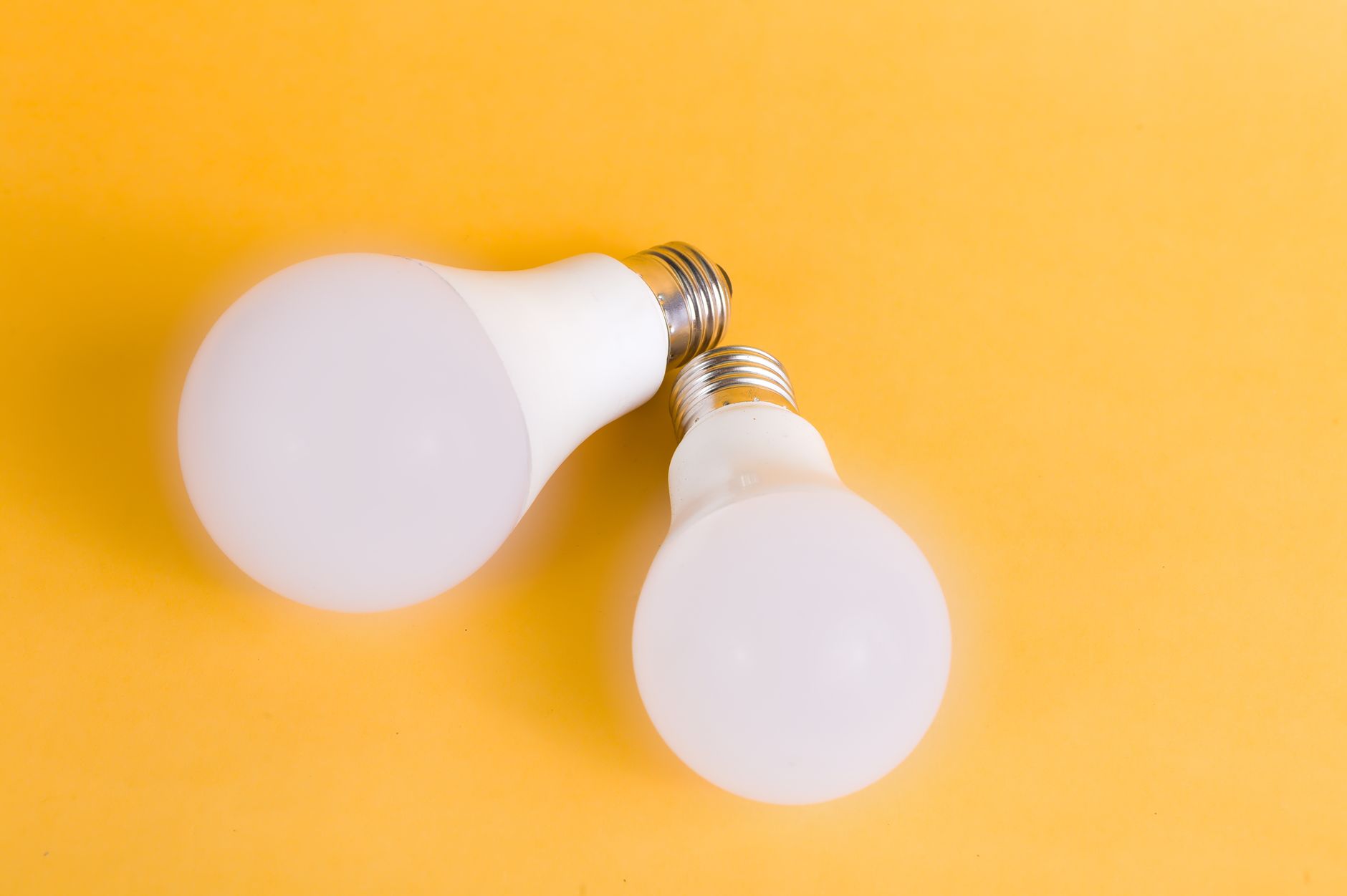
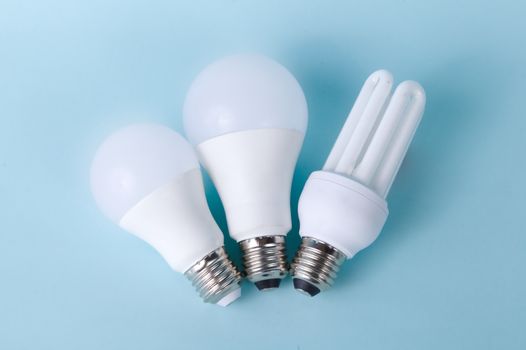 Photo: Riki Risnandar / Pexels
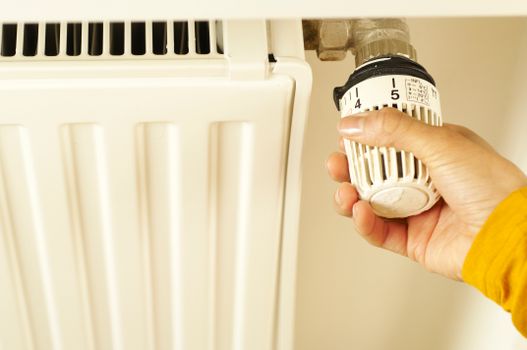 Photo: BOOM 💥 Photography / Pexels
 Photo: Riki Risnandar / Pexels
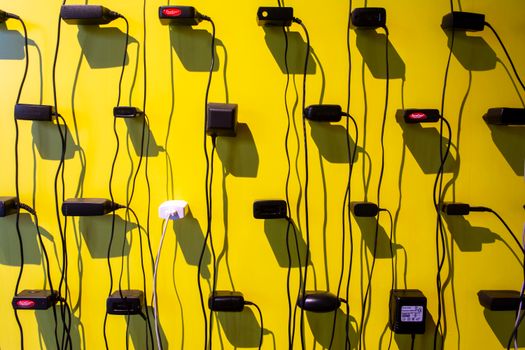 Photo: Jan van der Wolf / Pexels