✓ Heating and cooling account for nearly half of a typical US home's energy consumption.
✓ Phantom load (vampire drain) from electronics can add 5-10% to your electricity bill.
✓ Upgrading to LED lighting can reduce lighting energy use by 75% or more.
✓ Poor insulation and leaky windows are major culprits of energy waste.
How It Works
1
Conduct a Home Energy Audit
Identify where and how your home is using the most energy. This can be a DIY assessment or a professional service.
2
Prioritize High-Impact Changes
Focus on areas like heating, cooling, and water heating that consume the largest share of your energy. Small changes here yield big results.
3
Implement Smart Technology
Utilize smart thermostats, smart plugs, and energy-efficient appliances to automate savings and gain better control over your energy use.
4
Adopt Energy-Saving Habits
Cultivate daily routines like unplugging unused electronics, washing clothes in cold water, and turning off lights to reinforce long-term savings.
Understanding Your Energy Consumption and Its Impact
Photo: Riki Risnandar / Pexels
Before you can effectively reduce your electricity bill, it's crucial to understand where your energy goes. Many homeowners in the US are surprised to learn that a significant portion of their monthly expenses is tied directly to their home's energy consumption, often without realizing the extent of their usage. The average American household spends approximately $1,500-$2,000 annually on utility bills, with electricity being a major component. This expenditure is influenced by factors such as climate, home size, insulation quality, appliance efficiency, and individual habits.
Starting with your utility bill is an excellent first step. Don't just glance at the total; delve into the details. Most utility providers offer a breakdown of your usage, often showing consumption over time, peak usage periods, and even comparisons to similar homes in your area. This data can reveal patterns you might not have noticed, such as spikes during specific hours or days. For instance, if your bill shows a significant increase during summer months, it's a clear indicator that your air conditioning system is a primary energy hog. Conversely, winter spikes point towards heating. Understanding these patterns is the foundation for targeted action.
Beyond the bill, consider conducting a home energy audit. This can range from a simple DIY walkthrough to a professional assessment. A DIY audit involves visually inspecting your home for obvious energy leaks: checking windows and doors for drafts, looking at insulation levels in the attic, and noting the age and condition of major appliances. Professionals, on the other hand, use specialized equipment like thermal cameras and blower doors to pinpoint hidden air leaks and insulation deficiencies that are invisible to the naked eye. These audits provide a detailed report on your home's energy performance and offer prioritized recommendations for improvement. Investing in a professional audit, while it has an upfront cost, can lead to substantial long-term savings by identifying the most impactful areas for improvement.
Another critical aspect to grasp is the concept of 'phantom load' or 'vampire drain.' This refers to the electricity consumed by electronic devices even when they are turned off but still plugged in. Think of your TV, computer, phone chargers, gaming consoles, and kitchen appliances with digital clocks. While each device's individual draw might be small, collectively, they can account for 5-10% of your total electricity bill. This hidden consumption is often overlooked but represents an easy win for energy reduction. Simply unplugging devices when not in use or using smart power strips can mitigate this waste. Understanding these fundamental aspects of your energy consumption is not just about saving money; it's about gaining control over your home's environmental footprint and making informed decisions about your property. It's the essential first step in learning how to reduce electricity bill effectively and sustainably. Learn more about energy audits.
Optimizing Heating and Cooling for Maximum Savings
Photo: Geri Tech / Pexels
Heating and cooling systems are typically the biggest energy consumers in any US household, often accounting for 40-50% of your total electricity bill. Therefore, optimizing their efficiency is paramount if you're serious about how to reduce electricity bill. The good news is that there are numerous strategies, from simple behavioral changes to significant system upgrades, that can lead to substantial savings.
First, let's talk about thermostats. A smart thermostat is a game-changer. These devices learn your preferences, allow remote control via smartphone, and can automatically adjust temperatures based on occupancy or schedule. Programming your thermostat to setbacks—raising the temperature a few degrees in summer when you're out and lowering it in winter—can save you 10% or more on your heating and cooling costs annually. For every degree you adjust your thermostat closer to the outside temperature, you can save 1-3% on energy. During summer, aim for 78°F when you're home and higher when you're away or asleep. In winter, target 68°F when home and lower when away or asleep.
Insulation and air sealing are the unsung heroes of energy efficiency. Even the most efficient HVAC system will struggle if your home is poorly insulated or riddled with air leaks. Check your attic, walls, and crawl spaces for adequate insulation. The recommended R-value (a measure of thermal resistance) varies by region, but generally, more is better. Air leaks around windows, doors, electrical outlets, and plumbing penetrations are common culprits. Use caulk and weatherstripping to seal these gaps. A well-sealed and insulated home maintains comfortable temperatures more easily, meaning your HVAC system runs less frequently and for shorter durations, directly translating to lower electricity bills.
Regular maintenance of your HVAC system is also critical. Dirty filters restrict airflow, forcing your system to work harder and consume more energy. Replace or clean filters monthly, especially during peak usage seasons. Schedule annual professional tune-ups for your furnace and air conditioner. A technician can clean coils, check refrigerant levels, and ensure all components are working efficiently, preventing breakdowns and extending the lifespan of your unit while optimizing its energy performance. This preventive maintenance can improve efficiency by 5-15%.
Finally, consider supplementary strategies. During cooler months, open curtains and blinds on sunny days to let natural heat in, and close them at night to retain warmth. In warmer months, do the opposite: keep blinds closed during the day to block solar heat gain. Ceiling fans can make a room feel 4-7 degrees cooler, allowing you to set your thermostat higher without sacrificing comfort. Remember, ceiling fans cool people, not rooms, so turn them off when you leave. By implementing these heating and cooling optimizations, you'll see a noticeable positive impact on your electricity usage and, consequently, your monthly bill.
Appliance Upgrades and Smart Habits for Reduced Consumption
Photo: Riki Risnandar / Pexels
Beyond heating and cooling, your home's appliances and daily habits play a significant role in your overall electricity consumption. Making conscious choices and strategic upgrades in these areas can substantially contribute to how to reduce electricity bill. The cumulative effect of these smaller changes often adds up to impressive savings over time, proving that every watt counts.
One of the most impactful changes you can make is upgrading to Energy Star certified appliances. These products meet strict energy efficiency guidelines set by the U.S. Environmental Protection Agency and the U.S. Department of Energy. When it's time to replace an old refrigerator, washing machine, dishwasher, or water heater, prioritize Energy Star models. While they might have a higher upfront cost, the long-term savings on your electricity bill often justify the investment, with some appliances paying for themselves in just a few years through reduced energy use. For example, an Energy Star certified washing machine uses about 25% less energy and 33% less water than conventional models, while a new Energy Star refrigerator can save hundreds of dollars over its lifetime compared to an older, less efficient unit. Explore more about Energy Star ratings.
Lighting is another area ripe for savings. If you're still using incandescent bulbs, switching to LED (Light Emitting Diode) lighting is one of the quickest and most cost-effective ways to cut your electricity bill. LEDs use up to 90% less energy than incandescent bulbs and last 15 to 25 times longer. While the initial cost of an LED bulb is higher, its energy efficiency and extended lifespan make it significantly cheaper in the long run. Replace bulbs in frequently used areas first, and gradually transition your entire home. Additionally, make a habit of turning off lights when leaving a room, even if it's only for a short period. Natural daylight should be utilized whenever possible to reduce the need for artificial lighting.
Water heating is often the second-largest energy expense in a home. Simple habits can make a big difference. Take shorter showers, and consider installing low-flow showerheads, which reduce hot water consumption without sacrificing pressure. Wash clothes in cold water whenever possible; modern detergents are formulated to work effectively in cold temperatures, and heating water for laundry can consume a significant amount of electricity. Air-dry clothes on a line or rack instead of using a dryer, especially during warmer months. If a new water heater is in your future, explore tankless water heaters or heat pump water heaters, which are significantly more efficient than traditional tank models.
Finally, address those 'phantom loads.' Use smart power strips for your entertainment centers and computer setups. These strips cut power to peripherals when the main device (like your TV or computer) is turned off, eliminating vampire drain. Unplug phone chargers, coffee makers, and other small appliances when not in use. These small, consistent actions, combined with strategic appliance upgrades, create a powerful synergy that will noticeably impact how to reduce electricity bill month after month, putting more money back into your pocket.
Renewable Energy and Advanced Strategies for Long-Term Savings
Photo: Budget Bizar / Pexels
For those looking to make a more significant, long-term impact on their electricity bills and environmental footprint, exploring renewable energy options and advanced energy management strategies is the next logical step. These investments, while often requiring a higher upfront cost, can lead to substantial savings, energy independence, and even generate income over time, fundamentally changing how you approach how to reduce electricity bill.
The most prominent renewable energy solution for homeowners is solar power. Installing solar panels on your roof allows you to generate your own electricity, reducing or even eliminating your reliance on the grid. In many US states, incentives like federal tax credits (e.g., the Investment Tax Credit), state rebates, and net metering policies make solar power an increasingly attractive option. Net metering allows you to send excess electricity generated by your panels back to the grid in exchange for credits on your utility bill, effectively turning your meter backward. The cost of solar installation has decreased significantly over the past decade, making it more accessible than ever. Before committing, get multiple quotes, understand your payback period, and ensure your roof is suitable for solar.
Beyond direct generation, consider energy storage solutions. Battery storage systems, such as Tesla Powerwall or similar units, can store excess solar energy generated during the day for use at night or during power outages. This further reduces your reliance on the grid and can provide energy security. Some utilities even offer programs where you can sell stored energy back to the grid during peak demand times, providing an additional revenue stream.
Another advanced strategy is exploring demand response programs offered by your utility provider. These programs incentivize customers to reduce their electricity consumption during periods of high demand (e.g., hot summer afternoons) when electricity prices are highest. This might involve allowing the utility to briefly adjust your smart thermostat or cycle off non-essential appliances for short periods. In return, you receive bill credits or other financial incentives. Participating in such programs not only saves you money but also helps stabilize the grid and reduce the need for costly peak power plants.
Finally, for the ultimate control and optimization, consider a whole-home energy management system. These integrated systems monitor and control all aspects of your home's energy use, from HVAC to lighting to appliances. They can learn your patterns, prioritize energy usage, integrate with renewable sources, and even predict energy needs based on weather forecasts. While complex, these systems offer unparalleled insight and control, leading to maximum efficiency and savings. Investing in these advanced strategies transforms your home into a smart, self-sufficient energy hub, providing lasting financial and environmental benefits.
Comparison
Energy Saving Method
Upfront Cost
Annual Savings (Est.)
Effort Level
Smart Thermostat
$100-$300
$50-$150
Low
LED Lighting Upgrade
$50-$200
$30-$100
Low
Air Sealing/Insulation
$200-$2000+
$100-$400
Medium-High
Energy Star Appliances
$500-$2000+
$50-$200
Medium
Solar Panel Installation
$15,000-$30,000+
$500-$1500+
High
What Readers Say
★★★★★
"Following the advice on how to reduce electricity bill, I focused on my AC. My bill dropped by $70 a month this summer after adjusting my thermostat and sealing some leaky windows. It's truly amazing the difference a few small changes can make."
Sarah P. · Austin, TX
★★★★★
"I swapped all my old bulbs for LEDs and started unplugging electronics. My last electricity bill was noticeably lower, probably by about $30. These tips are easy to implement and really work for cutting down on energy waste."
Mark D. · Denver, CO
★★★★★
"After conducting a DIY energy audit as suggested, I found a huge draft around my front door. Weatherstripping it reduced my AC usage, cutting my bill by nearly 15%. I'm thrilled with these concrete results!"
Jessica L. · Miami, FL
★★★★★
"The advice on prioritizing heating/cooling was spot on. While I haven't done a full solar install yet, adjusting my thermostat schedule and getting an annual HVAC tune-up has already yielded significant savings. It's a great start."
David R. · Seattle, WA
★★★★★
"I used these strategies to prepare my rental property for new tenants. By focusing on insulation and appliance upgrades, I was able to advertise lower utility costs, making it more attractive. The long-term savings are a huge plus for both of us."
Emily S. · Boston, MA
Frequently Asked Questions
What's the single most effective way to reduce my electricity bill?
The most effective way often depends on your current home's energy profile. However, optimizing your heating and cooling system (with smart thermostats, proper insulation, and regular maintenance) typically offers the largest savings, as these systems account for the biggest chunk of household energy use. Identifying and sealing air leaks is also incredibly impactful.
Is it really worth unplugging electronics, or is that just an old wives' tale?
No, it's not an old wives' tale! Unplugging electronics, or using smart power strips, is a legitimate way to save energy. Devices in standby mode or those with digital displays consume 'phantom load' electricity, which can add up to 5-10% of your total bill. It's a simple, free habit that contributes to noticeable savings over time.
How can I check for air leaks in my home without hiring a professional?
You can perform a simple DIY air leak test. On a windy day, hold an incense stick or a lit candle near windows, doors, electrical outlets, and plumbing penetrations. If the smoke wavers or the flame flickers, you've found an air leak. You can also feel for drafts with your hand. Caulk and weatherstripping are inexpensive solutions for sealing these gaps.
How much does it cost to switch to LED lighting for an entire house?
The cost varies significantly based on the number of bulbs and fixture types, but for an average US home, it might range from $100 to $500 for bulbs alone. While the upfront cost is higher than incandescents, LEDs pay for themselves quickly through drastically reduced energy consumption (up to 90% less) and a much longer lifespan, leading to significant long-term savings.
Are solar panels a good investment for everyone trying to reduce their electricity bill?
Solar panels can be an excellent investment, but their suitability depends on several factors: your home's sun exposure, local electricity rates, available incentives (federal and state), and your roof's condition. While they offer significant long-term savings and environmental benefits, the initial cost is substantial. It's crucial to get multiple quotes and assess the payback period for your specific situation.
Who benefits most from focusing on energy efficiency to reduce electricity bills?
Everyone can benefit, but homeowners with older homes, outdated appliances, or high utility bills will see the most dramatic improvements. Residents in regions with extreme climates (very hot summers or cold winters) also stand to gain significantly from optimizing heating and cooling, as these are their primary energy drains. Anyone looking to save money and reduce their environmental impact will find these strategies valuable.
Is it safe to make my own home energy improvements, or should I always hire professionals?
Many energy improvements are safe for DIY, such as replacing light bulbs, sealing visible air leaks with caulk/weatherstripping, or adjusting thermostat settings. However, tasks like attic insulation, major appliance installation, or any electrical work should generally be handled by qualified professionals to ensure safety, proper installation, and adherence to building codes. Always prioritize safety.
What's the future trend for reducing electricity bills?
The future of reducing electricity bills is leaning towards smarter homes, increased renewable energy adoption, and greater grid interactivity. Expect more widespread use of AI-powered energy management systems, virtual power plants (where homes with solar and storage act as mini-power stations), and continued innovation in energy-efficient building materials and appliances, making homes even more self-sufficient and economical.
Ready to take control of your utility expenses? Implement these expert strategies to learn how to reduce electricity bill and start enjoying significant savings. Your wallet and the planet will thank you.

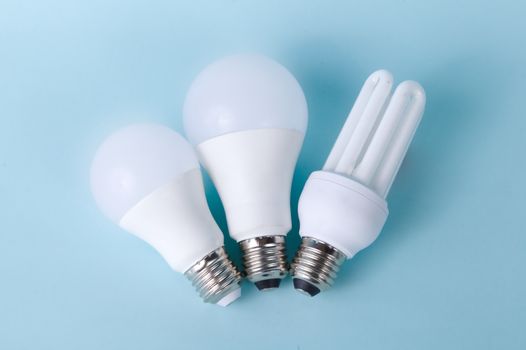 Photo: Riki Risnandar / Pexels
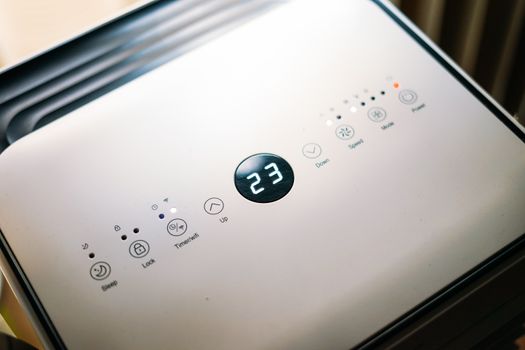 Photo: Geri Tech / Pexels
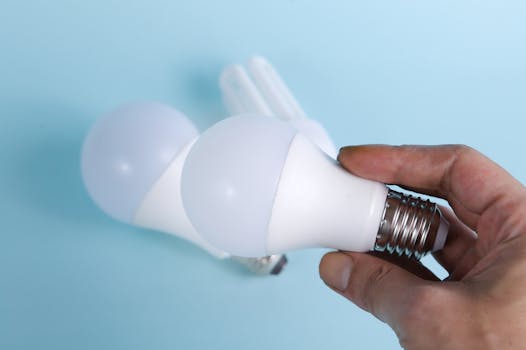 Photo: Riki Risnandar / Pexels
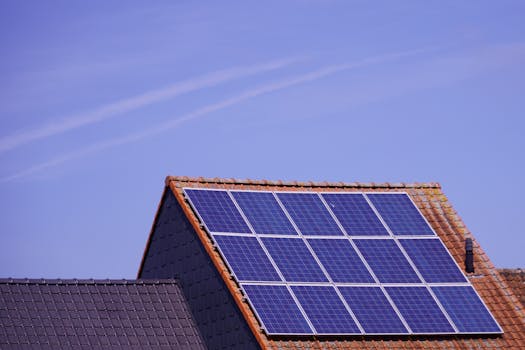 Photo: Budget Bizar / Pexels