Mastering Your Energy: How to Reduce Electricity Bill
Unlock significant savings by implementing proven strategies to drastically cut down your monthly electricity expenses.
Start Saving NowKey Takeaways
- ✓ Heating and cooling account for nearly half of a typical US home's energy consumption.
- ✓ Phantom load (vampire drain) can add 5-10% to your electricity bill annually.
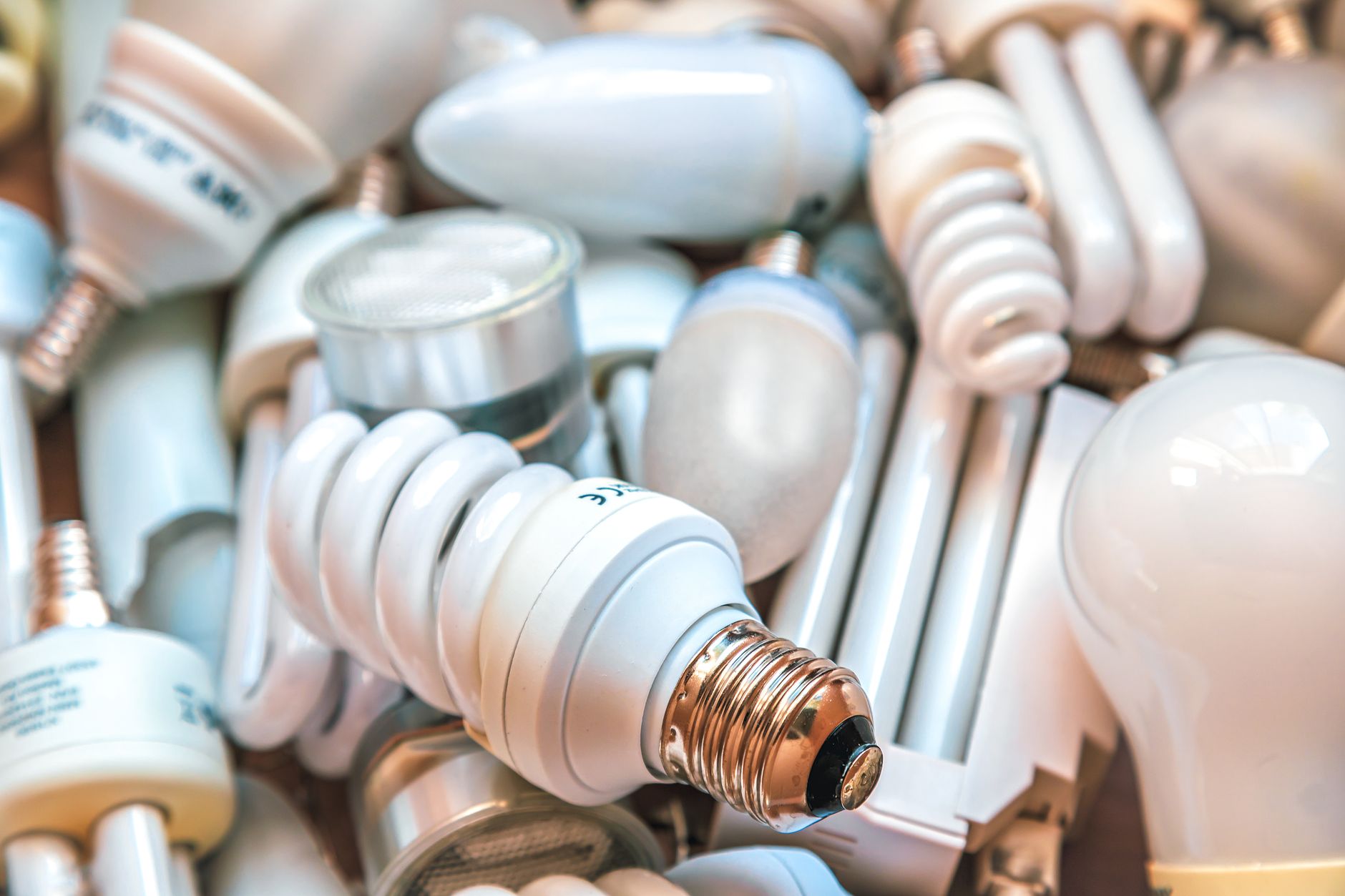
- ✓ Upgrading to LED lighting can reduce lighting energy use by 75% or more.
- ✓ Proper insulation can save homeowners an average of 15% on heating and cooling costs.
How It Works
Understand where your energy goes by reviewing past bills and identifying peak usage times. This helps pinpoint the biggest energy hogs in your home.
Regularly maintain your heating and cooling systems, set smart thermostats, and seal leaks to ensure they operate efficiently. This is crucial for major savings.
Replace old, inefficient appliances with ENERGY STAR certified models and switch to LED bulbs. These changes offer long-term financial and environmental benefits.
Unplug electronics, use natural light, and do full loads of laundry. Small daily changes in behavior accumulate into substantial savings over time.
Understanding Your Energy Consumption and Peak Demand
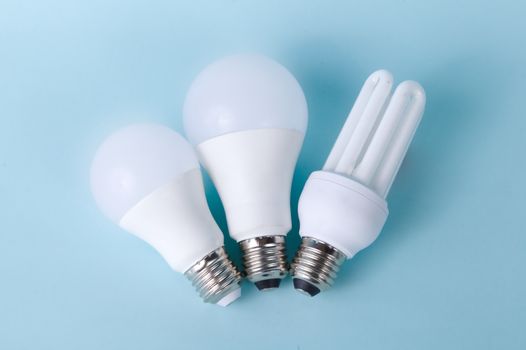 Photo: Riki Risnandar / Pexels
Optimizing HVAC and Insulation for Maximum Savings
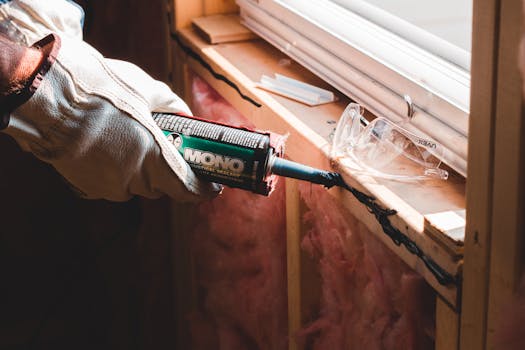 Photo: Erik Mclean / Pexels
Smart Appliance Upgrades and Behavioral Changes
 Photo: Torsten Dettlaff / Pexels
Advanced Strategies and Common Mistakes to Avoid
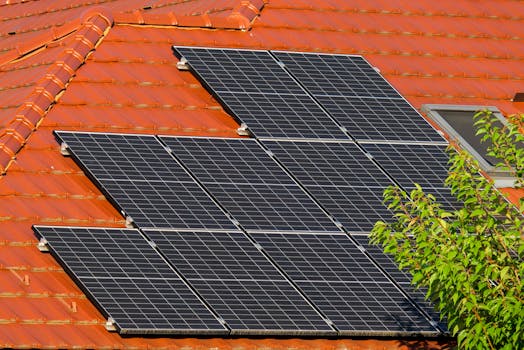 Photo: Vladimir Srajber / Pexels
Comparison
| Feature | LED Lighting | CFL Lighting | Incandescent Lighting |
|---|---|---|---|
| Energy Consumption | Very Low | Low | Very High |
| Lifespan (hours) | 25,000-50,000+ | 8,000-15,000 | 750-1,000 |
| Heat Emission | Minimal | Low | High |
| Cost (per bulb) | Higher upfront | Moderate upfront | Lower upfront |
| Dimmable Options | ✓ | ✗ (some are) | ✓ |
| Environmental Impact | Low (no mercury) | Moderate (contains mercury) | Low |
What Readers Say
"Following the advice on how to reduce electricity bill, I focused on my AC and insulation. My summer bill dropped by over $70 last month! It's incredible how much difference a few changes can make."
Sarah J. · Austin, TX"The tip about unplugging electronics was a game-changer. I bought some smart power strips, and I've seen a noticeable decrease in my energy consumption. It really does add up."
Mark D. · Seattle, WA"We replaced all our old bulbs with LEDs and got a smart thermostat. Our electricity bill has consistently been 20-25% lower each month for the past year. Highly recommend these changes!"
Emily R. · Denver, CO"While not every tip was applicable to my apartment, the guidance on cold water laundry and using ceiling fans more effectively really helped. My bill is down, though not as dramatically as some homeowners might experience."
David L. · Miami, FL"As a new homeowner, I was overwhelmed by utility costs. This guide on how to reduce electricity bill gave me a clear action plan. Our first winter bill was much lower than I anticipated, thanks to better insulation and thermostat management."
Jessica M. · Chicago, ILFrequently Asked Questions
What is the single most effective way to reduce my electricity bill?
Optimizing your heating and cooling (HVAC) system is often the most impactful step. This includes proper thermostat settings, regular maintenance, and ensuring your home has adequate insulation and air sealing. Since HVAC accounts for such a large portion of energy use, improvements here yield the biggest savings.
Will unplugging devices really make a difference?
Yes, it absolutely can. The cumulative effect of 'vampire drain' from multiple devices can account for 5-10% of your electricity bill annually. While a single unplugged phone charger won't save much, systematically unplugging or using smart power strips for all idle electronics can lead to noticeable savings over time.
How can I check for air leaks in my home?
You can perform a DIY check by holding a lit incense stick or a thin piece of paper near windows, doors, electrical outlets, and plumbing penetrations on a breezy day. If the smoke wavers or the paper flutters, you have an air leak. For a more thorough assessment, consider a professional energy audit.
Are energy-efficient appliances worth the higher upfront cost?
Generally, yes. While ENERGY STAR certified appliances may cost more initially, their reduced energy and often water consumption lead to significant savings on your utility bills over their lifespan. These savings frequently offset the higher purchase price, making them a wise long-term investment.
How do solar panels compare to just improving home energy efficiency?
Improving home energy efficiency (insulation, HVAC, LEDs) is foundational and typically offers the quickest return on investment. Solar panels are a more advanced step, providing significant, long-term savings and energy independence, but require a larger initial investment. Ideally, you'd implement efficiency measures first to reduce your energy needs, then size a smaller, more cost-effective solar system.
Who should prioritize reducing their electricity bill?
Anyone looking to save money, reduce their environmental footprint, or increase their home's comfort should prioritize reducing their electricity bill. This is especially true for residents in regions with high electricity rates or those living in older, less energy-efficient homes.
Are there any risks associated with trying to lower my electricity bill too much?
The primary 'risk' is discomfort if you compromise too much on heating/cooling for savings. However, implementing the strategies discussed (insulation, efficient appliances, smart thermostats) aims to lower costs while maintaining or even improving comfort. There are no inherent safety risks in adopting energy-saving habits.
What future trends might impact how we reduce electricity bills?
Future trends include more sophisticated smart home automation that optimizes energy use autonomously, widespread adoption of grid-interactive efficient buildings, and advancements in battery storage to maximize solar self-consumption. Dynamic pricing models from utilities will also encourage more strategic energy use during off-peak hours.
Ready to take control of your utility expenses and enjoy a more comfortable, energy-efficient home? Start implementing these proven strategies today to see how to reduce electricity bill and unlock substantial savings. Your wallet and the planet will thank you.