Seamlessly Install Home EV Charger: Your Ultimate Guide
install home EV charger

Seamlessly Install Home EV Charger: Your Ultimate Guide

Unlock the convenience of charging your electric vehicle at home with this comprehensive, step-by-step installation guide.

Start Charging Smarter

Key Takeaways

  • ✓ Most EV owners charge at home, saving time and money.
  • ✓ Level 2 chargers are the most common and practical for home use.
  • ✓ Professional installation is often required for safety and code compliance.
  • ✓ Incentives and rebates can significantly reduce installation costs.

How It Works

1
Assess Your Needs

Determine your EV's charging speed requirements and your home's electrical capacity. This initial assessment guides charger selection and electrical upgrades.

2
Choose Your Charger

Select a Level 2 EV charger that matches your vehicle, budget, and desired features. Consider smart charging capabilities and future-proofing.

3
Professional Installation

Hire a licensed electrician to install the charger safely and according to local codes. They will handle wiring, circuit upgrades, and mounting.

4
Enjoy Convenient Charging

Once installed, plug in your EV and enjoy the ease of waking up to a fully charged battery. Monitor charging sessions and manage settings via app.

Understanding EV Charging Levels for Your Home
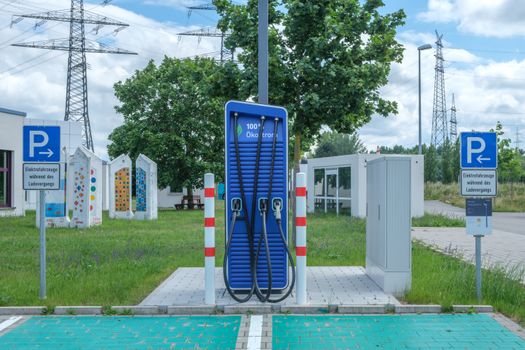
Public charging station with eco-friendly design for electric vehicles. Photo: Reinhard Bruckner / Pexels
When you decide to install home EV charger, one of the first and most crucial steps is to understand the different charging levels available and determine which one best suits your needs. This decision will impact everything from installation requirements to daily convenience. In the US, we primarily talk about Level 1 and Level 2 charging for residential settings. Level 1 charging uses a standard 120-volt (V) household outlet, the same one you use for lamps or toasters. It's the slowest option, typically adding only 2-5 miles of range per hour of charging. While it requires no special installation beyond plugging in, it's often insufficient for daily driving needs, especially for vehicles with larger battery packs or for those who drive significant distances. You might find yourself needing to charge overnight, or even for multiple days, to achieve a full charge. For most EV owners, Level 1 is a backup or occasional solution, not a primary one. Level 2 charging, on the other hand, is the sweet spot for home EV charging. It utilizes a 240V outlet, similar to what a clothes dryer or electric oven uses. This significantly boosts charging speed, delivering 20-60 miles of range per hour, depending on the charger and your vehicle's acceptance rate. This means most EVs can be fully charged overnight, or even in a few hours, making it ideal for daily use. Installing a home EV charger at Level 2 typically involves installing a dedicated 240V circuit and a charging unit (EVSE - Electric Vehicle Supply Equipment) in your garage or driveway. This often requires professional electrical work, which we will delve into further. The benefits of Level 2 charging are immense: convenience, faster charging times, and greater flexibility in your charging schedule. It's the standard for residential EV charging for a reason, providing the perfect balance between speed and practicality. Before you even think about purchasing a charger, assess your daily driving habits, your EV's battery size, and your home's current electrical panel capacity. This will help you make an informed decision on whether Level 1 is a temporary stopgap or if Level 2 is the essential upgrade you need to fully embrace electric vehicle ownership. Understanding these levels is foundational to a successful and satisfying home charging experience. Choosing the right level impacts not just the initial installation, but your long-term satisfaction with your EV. It's a critical first step in your journey to convenient home charging.

Choosing the Right Home EV Charger for Your Needs

Public charging station with eco-friendly design for electric vehicles. Photo: Reinhard Bruckner / Pexels
Once you've decided that Level 2 charging is appropriate for your lifestyle, the next critical step is selecting the right home EV charger. This market has exploded with options, offering various features, power outputs, and price points. The 'best' charger isn't a one-size-fits-all answer; it depends entirely on your specific vehicle, home electrical setup, and personal preferences. First, consider the charger's power output, measured in kilowatts (kW) and amps. Most Level 2 chargers range from 16 amps (3.8 kW) to 80 amps (19.2 kW). Your EV has an onboard charger that dictates how much power it can accept, so there's no benefit in buying a charger that delivers more power than your car can handle. For instance, if your car has a 7.7 kW onboard charger, a 40-amp (9.6 kW) unit is more than sufficient and future-proofs you slightly, but an 80-amp unit would be overkill. Consult your vehicle's manual or manufacturer specifications to find its maximum AC charging rate. Next, think about 'smart' features. Many modern EV chargers come with Wi-Fi connectivity, allowing you to control and monitor charging sessions via a smartphone app. This can include scheduling charges during off-peak utility hours to save money, tracking energy consumption, and even integrating with smart home systems. These features add convenience and can lead to significant cost savings over time. However, if you prefer a simpler, plug-and-charge experience, a non-smart charger might be more cost-effective. Cable length and connector type are also important. The vast majority of EVs in North America use the J1772 connector, which is standard for Level 2 charging. Tesla vehicles come with an adapter to use J1772 chargers, or you can purchase a Tesla-specific Wall Connector. Ensure the cable is long enough to comfortably reach your vehicle's charge port from the desired installation location. Chargers typically come with 18-25 foot cables. Consider whether you need a hardwired unit or a plug-in unit. Plug-in chargers use a NEMA 14-50 or 6-50 outlet, offering flexibility if you move, but requiring that specific outlet to be installed. Hardwired chargers are permanently connected to your home's electrical system, often allowing for slightly higher power outputs and a cleaner aesthetic, but they are less portable. Finally, research reputable brands and read user reviews. Look for chargers that are UL-listed or certified by other recognized safety organizations to ensure they meet safety standards. Popular brands include ChargePoint, Wallbox, Enel X, and Grizzl-E. By carefully evaluating these factors, you can choose a home EV charger that not only meets your current needs but also provides reliable and efficient charging for years to come.

The Professional Installation Process: What to Expect
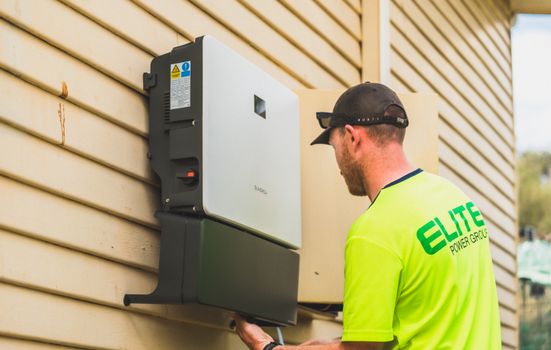
A skilled technician working on the installation of a solar inverter system outdoors. Energy efficiency solution. Photo: Elite Power Group / Pexels
To install home EV charger, especially a Level 2 unit, professional installation is not just recommended, it's often a necessity for safety, efficiency, and compliance with local electrical codes. Attempting to install a high-power electrical appliance without the proper expertise can lead to serious hazards, including electrical fires and damage to your home's electrical system. The first step in the professional installation process typically involves a site visit from a licensed electrician. During this visit, the electrician will assess your home's existing electrical panel capacity. They will check if your panel has enough available amperage to support the new EV charger and if there's space for a new dedicated circuit breaker. Many older homes may require an electrical panel upgrade to safely accommodate a Level 2 charger, as these units often draw 30-80 amps. The electrician will also determine the best location for the charger, considering proximity to your parking spot, the electrical panel, and any obstacles. They will provide you with a detailed quote that outlines the scope of work, including labor, materials (wire, conduit, circuit breaker, etc.), and any necessary permits. Permitting is a crucial aspect; most electrical upgrades require permits from your local municipality to ensure the work meets safety standards. The electrician will handle the permit application process. Once the quote is approved and permits are in hand, the installation work begins. This generally involves running a new dedicated 240V circuit from your main electrical panel to the chosen charger location. This often means installing new wiring, and sometimes conduit, through walls, ceilings, or along exterior surfaces. A new circuit breaker specifically rated for the EV charger will be installed in your electrical panel. For plug-in chargers, the electrician will install a NEMA 14-50 or 6-50 outlet. For hardwired units, the charger will be directly connected to the electrical system. The electrician will mount the charging unit securely to the wall, test the circuit for proper voltage and safety, and ensure the charger is functioning correctly. They should also provide a brief demonstration of how to use the charger and answer any questions you may have. The entire process, from initial assessment to final testing, can take anywhere from a few hours to a full day, depending on the complexity of your home's electrical system and the distance between the panel and the charger. While the upfront cost of professional installation might seem significant, it's an investment in your safety, the longevity of your EV, and the reliability of your home's power infrastructure. Many states and utilities offer incentives or rebates that can help offset the cost of EV charger installation, so be sure to inquire about these. Choosing a qualified and experienced electrician is paramount for a seamless and safe installation experience, ensuring your home is ready to power your electric future.

Maximizing Your Investment: Tips and Common Mistakes to Avoid
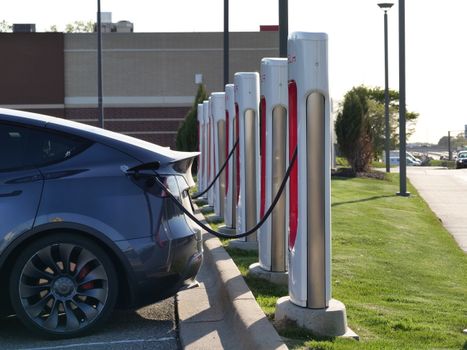
Electric car plugged into a row of charging stations, showcasing modern EV infrastructure. Photo: Giant Asparagus / Pexels
Successfully integrating an EV charger into your home involves more than just the physical installation; it also means optimizing its use and avoiding common pitfalls. To truly maximize your investment when you install home EV charger, consider these tips and be aware of potential mistakes. **Tips for Maximizing Your EV Charger Investment:** * **Charge During Off-Peak Hours:** Many utility companies offer time-of-use (TOU) electricity rates, where electricity is cheaper during certain hours (e.g., overnight). Use your smart charger's scheduling features or your EV's built-in scheduler to charge during these low-cost periods. This can significantly reduce your charging expenses. * **Monitor Your Energy Consumption:** Use your charger's app or smart home energy monitor to track how much electricity your EV consumes. This helps you understand your operating costs and identify potential areas for savings. * **Consider Solar Integration:** If you have solar panels or are considering them, integrating your EV charging with your solar production can make your driving even more sustainable and potentially free. Some smart chargers can prioritize charging when solar generation is high. * **Proper Cable Management:** Keep your charging cable neatly stored when not in use. Use cable management accessories like hooks or reels to prevent trip hazards, protect the cable from damage, and extend its lifespan. * **Regular Software Updates:** If you have a smart charger, ensure its firmware is regularly updated. These updates often include performance improvements, new features, and security enhancements. **Common Mistakes to Avoid When Installing and Using an EV Charger:** * **Underestimating Electrical Capacity:** A common mistake is assuming your home's electrical panel can handle a Level 2 charger without an upgrade. Always have a professional electrician assess your panel first. Overloading a panel can lead to tripped breakers, power outages, or even fire hazards. * **DIY Installation of Hardwired Chargers:** Unless you are a licensed electrician, do not attempt to install a hardwired Level 2 charger yourself. This is a high-voltage installation that requires specific knowledge of electrical codes and safety protocols. Improper installation can void warranties, pose safety risks, and may not pass inspection. * **Ignoring Local Permits and Codes:** Skipping permits for electrical work is a serious mistake. Permitting ensures the installation meets safety standards and is compliant with local regulations. Non-permitted work can lead to fines, difficulties with insurance claims, and issues when selling your home. * **Choosing the Wrong Charger for Your EV:** Buying a charger that delivers significantly more power than your EV can accept is a waste of money. Conversely, buying one that's too slow for your daily needs can lead to frustration. Match the charger's output to your EV's maximum AC charging rate. * **Not Considering Future Needs:** While you might only have one EV now, consider if you plan to get another in the future or if your next EV might have a larger battery. Choosing a charger with slightly higher amperage capacity (within your panel's limits) can be a wise long-term decision. * **Poor Placement of the Charger:** Installing the charger in an inconvenient location where the cable barely reaches, or where it's exposed to harsh weather without proper protection, can diminish the user experience and potentially damage the unit. Plan the location carefully for ease of use and longevity. By following these tips and avoiding these common mistakes, you can ensure your home EV charger provides reliable, cost-effective, and safe charging for years to come, truly enhancing your electric vehicle ownership experience.

Comparison

FeatureLevel 2 (Home Charger)Level 1 (Standard Outlet)DC Fast Charger (Public)
Charging Speed (miles/hr)20-60 miles2-5 miles100-300+ miles
Voltage Required240V120V480V+
InstallationProfessional (dedicated circuit)Plug-in (no install)Commercial (complex)
Cost (Charger + Install)$500 - $2,500+$0 - $50 (cable)N/A (pay-per-use)
ConvenienceHigh (daily home charging)Low (backup/emergency)Situational (road trips)
Typical Use CasePrimary home chargingEmergency/occasionalLong-distance travel

What Readers Say

"Getting our home EV charger installed was a game-changer. Our electrician made the process so smooth, and now we just plug in overnight. No more range anxiety!"

Sarah J. · Austin, TX

"I was hesitant about the cost to install home EV charger, but with rebates, it was much more affordable than I expected. The convenience of charging at home is simply unparalleled."

Mark D. · Seattle, WA

"After installing our Level 2 charger, our electricity bill for charging dropped by 30% because we can now charge during off-peak hours. It's paying for itself!"

Emily R. · Denver, CO

"The installation took a bit longer than anticipated due to an older electrical panel, but the electrician was very thorough and transparent. Glad we did it right, even if it took an extra day."

Chris P. · Miami, FL

"As a two-EV household, having two Level 2 chargers installed was essential. The process was efficient, and waking up to two fully charged cars every morning is fantastic."

David L. · Chicago, IL

Frequently Asked Questions

What is the average cost to install home EV charger?

The average cost to install a Level 2 home EV charger in the US ranges from $500 to $2,500, including the charger unit and professional installation. This cost can vary significantly based on your home's existing electrical infrastructure, the distance from your electrical panel to the charging location, and whether an electrical panel upgrade is required. Incentives and rebates can help reduce this cost.

Do I need a permit to install an EV charger at home?

Yes, in most jurisdictions, installing a Level 2 EV charger requires an electrical permit. This is because it involves significant electrical work, such as installing a new dedicated 240V circuit. The permit ensures the installation adheres to local electrical codes and safety standards. A licensed electrician will typically handle the permit application process for you.

Can I install home EV charger myself?

While Level 1 chargers (plugging into a standard 120V outlet) require no special installation, attempting to install a Level 2 (240V) charger yourself is strongly discouraged unless you are a licensed and qualified electrician. Level 2 chargers involve high voltage and require specific wiring, circuit breaker installation, and adherence to electrical codes, making professional installation essential for safety and compliance.

How long does it take to charge an EV at home?

The charging time at home depends on the charging level and your EV's battery size. A Level 1 charger typically adds 2-5 miles of range per hour, meaning a full charge could take days. A Level 2 charger, the most common home option, adds 20-60 miles of range per hour, allowing most EVs to fully charge overnight (6-12 hours) or significantly replenish their battery in a few hours.

Is it cheaper to charge my EV at home or at public stations?

Generally, it is significantly cheaper to charge your EV at home, especially if you utilize off-peak electricity rates offered by your utility company. Home electricity rates are typically much lower than the per-kWh or per-minute fees charged at public Level 2 or DC fast charging stations. Home charging offers the best cost-per-mile value for EV owners.

What type of electrical panel do I need for a home EV charger?

For a Level 2 home EV charger, you will need an electrical panel with sufficient available amperage and space for a new dedicated 240-volt circuit breaker. Most Level 2 chargers require a 30-amp to 60-amp circuit. If your existing panel is old, full, or has insufficient capacity, an electrical panel upgrade might be necessary before you can install home EV charger.

Are there tax credits or rebates for installing an EV charger?

Yes, many federal, state, and local governments, as well as utility companies, offer tax credits, rebates, or incentives for installing a home EV charger. The federal Residential Clean Energy Credit (formerly the EV Charger Tax Credit) can provide up to 30% of the cost of equipment and installation, up to $1,000. Check with your state energy office and local utility provider for additional programs.

What smart features should I look for in a home EV charger?

Smart features in a home EV charger can greatly enhance convenience and cost savings. Look for Wi-Fi connectivity for remote monitoring and control via a smartphone app, scheduling capabilities to charge during off-peak hours, energy usage tracking, integration with smart home systems or utility demand response programs, and sometimes even voice assistant compatibility. These features allow for optimized charging management.

Ready to embrace the convenience and savings of charging your electric vehicle right in your own garage? Take the first step to install home EV charger by assessing your needs and connecting with a qualified professional today. Enjoy the freedom of a fully charged EV every morning.

Topics: install home EV chargerEV charging station installationelectric car charger homehome EV charging setupresidential EV charging
Leo List
Brampton weed
Adultwork EstrelaBet Vai de Bet R7 Bet Betão Galera Bet Rainbet Bet9ja Shop SportyBet BetKing Sisal Loto Foot Hollywoodbets YesPlay Odibets RushBet Jugabet BetWarrior BetCity MSport betPawa Fortebet