Find Electric Car Charging Stations Near Me: Your Ultimate Guide
electric car charging stations near me

Find Electric Car Charging Stations Near Me: Your Ultimate Guide

Unlock seamless electric vehicle charging wherever you are in the US, ensuring you're always powered up for your journey.

Start Charging Smarter

Key Takeaways

  • ✓ Over 160,000 public EV charging ports exist across the US.
  • ✓ Three main charging levels (Level 1, 2, DC Fast) offer varying speeds.
  • ✓ Most public charging requires an app or RFID card for activation and payment.
  • ✓ Charging costs vary by network, location, and power output, often billed per kWh or per minute.

How It Works

1
Locate a Station

Use dedicated EV charging apps or your car's navigation to find available charging stations nearby. Filter by connector type, charging speed, and network.

2
Connect Your EV

Once at the station, ensure your vehicle is off and securely parked. Open your charging port and firmly insert the appropriate connector from the station.

3
Initiate Charging

Activate the session using the station's screen, a network's mobile app, or an RFID card. Follow prompts to confirm payment method and start charging.

4
Monitor & Disconnect

Track your charging progress via the app or your car's display. Once complete or sufficient, stop the session through the app/station, remove the connector, and return it to its holster.

Understanding the Landscape of EV Charging Infrastructure

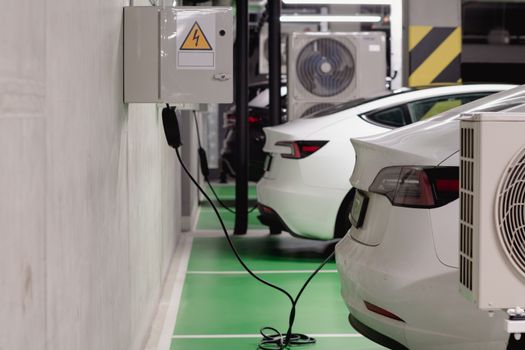
Close-up of an electric car charging at a station with blurred cars in the background. Photo: Kindel Media / Pexels
The rapid adoption of electric vehicles (EVs) in the United States has led to a significant expansion of charging infrastructure, transforming how drivers perceive and plan their journeys. For any EV owner, or prospective owner, the question of "electric car charging stations near me" is paramount. Gone are the days when finding a public charger felt like a treasure hunt; today, a robust network of charging options is emerging, albeit with its own complexities. Understanding this landscape is crucial for a seamless EV experience. At its core, EV charging infrastructure is designed to provide electricity to your vehicle's battery, much like a gas pump provides fuel to an internal combustion engine. However, the similarities end there. Unlike a standardized gas nozzle, EV charging involves various connector types, power levels, and payment systems, each impacting the speed and convenience of your charge. The primary components of this infrastructure include charging stations themselves, the electrical grid that powers them, and the digital networks that manage access and payments. Public charging stations are broadly categorized into three levels, each offering different charging speeds. Level 1 charging, while readily available from any standard household outlet, is primarily for overnight or emergency charging due to its slow speed. Level 2 charging, found at workplaces, public parking lots, and commercial establishments, is significantly faster, capable of adding 20-30 miles of range per hour. These stations are the workhorses of public charging, suitable for topping up during errands, work, or longer stops. Finally, DC Fast Charging (DCFC) represents the pinnacle of public charging speed, capable of adding hundreds of miles of range in under an hour. These are crucial for long-distance travel and are typically found along major highways and at dedicated charging hubs. Beyond the physical hardware, the digital ecosystem plays an equally vital role. Numerous charging networks, such as Electrify America, ChargePoint, EVgo, and Tesla's Supercharger network, operate these stations. Each network often has its own app, payment system, and pricing structure. This fragmentation can sometimes be a challenge for new EV owners, necessitating multiple apps or accounts. However, initiatives like PlugShare and A Better Routeplanner aggregate data from various networks, providing a holistic view of available charging points and their current status. The ongoing efforts to standardize payment methods and improve interoperability between networks are continuously enhancing the user experience, making it easier than ever to locate and utilize electric car charging stations near me. Furthermore, the placement and availability of these stations are heavily influenced by regional and local planning. Major metropolitan areas and heavily trafficked corridors tend to have a higher density of chargers, particularly DCFC units. Rural areas, while catching up, may still present challenges, making trip planning essential. The growth of destination charging at hotels, restaurants, and retail centers also adds to the convenience, allowing drivers to charge while they engage in other activities. Understanding these nuances—from charging levels and connector types to network variations and geographical distribution—is the first step toward mastering the art of EV charging and ensuring that the question of finding electric car charging stations near me is met with a confident and informed answer.

Navigating Charging Networks and Apps: Your Digital Companion

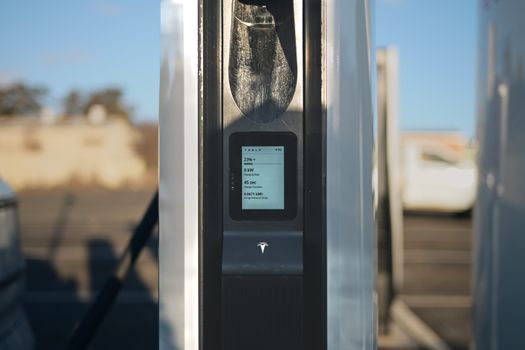
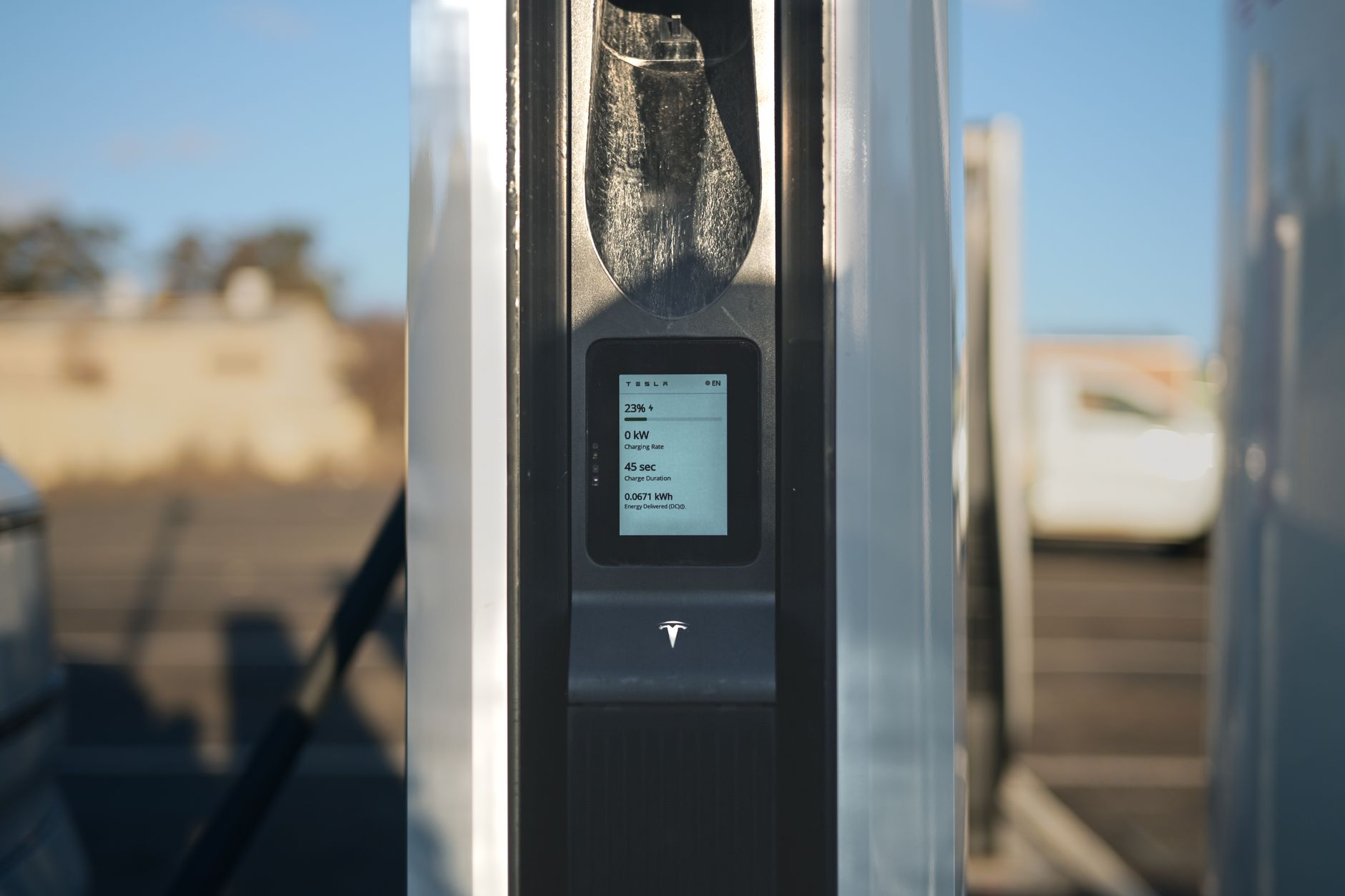
Close-up view of an electric vehicle charging station located outdoors in Yass, NSW, Australia. Photo: Harry Tucker / Pexels
The modern EV charging experience is inextricably linked to digital tools, primarily mobile applications and dedicated charging networks. When you search for "electric car charging stations near me," what you're often interacting with is a sophisticated digital infrastructure that connects you to available power. Understanding how these networks and apps function is key to a smooth and efficient charging process, minimizing range anxiety and maximizing convenience. Major charging networks like Electrify America, ChargePoint, EVgo, and Blink Charging each operate their own ecosystem of stations. While they share the common goal of providing electricity to EVs, they differ in pricing models, membership benefits, and geographic coverage. For instance, Tesla's Supercharger network is renowned for its speed and reliability, though historically exclusive to Tesla vehicles (though increasingly opening up to other EVs). Other networks are more agnostic, supporting various EV brands and connector types. Mobile apps are the primary interface for most public charging stations. These apps serve multiple critical functions: they help you locate stations, check their real-time availability and operational status, initiate and stop charging sessions, and process payments. Most apps allow you to filter by charging speed (Level 2 vs. DC Fast), connector type (CCS, J1772, CHAdeMO, NACS), and even by amenities available at the charging location. Some apps also provide estimated charging costs before you plug in, helping you manage your budget. Beyond individual network apps, aggregator apps like PlugShare and A Better Routeplanner are indispensable tools for EV drivers. PlugShare, in particular, acts as a comprehensive database, combining data from virtually all public networks, user-submitted photos, and reviews. This crowd-sourced information is invaluable for identifying reliable stations, avoiding broken chargers, and finding stations with useful amenities. A Better Routeplanner (ABRP), on the other hand, is a powerful trip planning tool that integrates charging stops into your route, optimizing for speed and efficiency based on your car's model, battery state, and even weather conditions. Payment mechanisms vary by network. Some offer pay-as-you-go options directly through the app using a credit card, while others encourage membership for discounted rates or simplified billing. RFID cards are another common method, allowing for a tap-and-charge experience without needing your phone. Some newer stations are also incorporating contactless payment options directly at the charger. Understanding these payment nuances can save you time and potential frustration at the station. As the EV market matures, there's a growing push for greater interoperability and standardization, including initiatives like Plug & Charge, which allows your EV to communicate directly with the charger for automatic billing, streamlining the process even further. Mastering these digital companions transforms the search for "electric car charging stations near me" from a chore into a seamless part of your EV journey.

Understanding Charging Speeds, Connector Types, and Costs

Close-up view of an electric vehicle charging with a focus on the connector and charging port. Photo: Giant Asparagus / Pexels
Delving deeper into the practicalities of EV charging requires a clear understanding of charging speeds, the various connector types, and the associated costs. These factors directly influence how long you'll spend at an electric car charging station and how much you'll pay. Being well-versed in these details empowers you to make informed decisions and optimize your charging strategy. Charging speeds are typically categorized into three levels: * **Level 1 (120V AC):** This is the slowest, using a standard household outlet. It typically adds 2-5 miles of range per hour. While convenient for overnight home charging, it's generally impractical for public use unless you have many hours to spare. * **Level 2 (240V AC):** This is the most common type of public charger, found at workplaces, retail centers, and public parking. It uses a higher voltage and can add 20-30 miles of range per hour. A full charge might take 4-8 hours, making it ideal for charging while you work, shop, or dine. * **DC Fast Charging (DCFC) / Level 3:** This is the fastest public charging available, bypassing your car's onboard charger to deliver direct current to the battery. DCFC can add 100-200+ miles of range in just 20-60 minutes, depending on the charger's power output and your vehicle's charging capabilities. These are essential for long-distance travel. Connector types are another critical consideration. While North America has seen some standardization, several types remain: * **J1772 (Type 1):** This is the standard connector for Level 1 and Level 2 AC charging for most non-Tesla EVs in North America. * **CCS (Combined Charging System):** This connector combines the J1772 plug with two additional pins for DC Fast Charging. It's the most common DCFC standard for non-Tesla EVs in the US. * **CHAdeMO:** An older DCFC standard, primarily found on older Nissan Leaf models and some other Asian EVs. Its prevalence is decreasing in new installations. * **NACS (North American Charging Standard) / Tesla Connector:** Tesla's proprietary connector, known for its compact design. While historically exclusive, Tesla is opening its Supercharger network and licensing the NACS standard to other automakers, which will likely lead to its wider adoption as a universal standard in the future. When searching for "electric car charging stations near me," you'll need to know which connector your vehicle uses to ensure compatibility. Many stations are equipped with multiple connector types to accommodate various EVs. Finally, charging costs can vary significantly. Public charging is rarely free, though some workplaces, hotels, or retail establishments may offer complimentary Level 2 charging as an amenity. Paid charging typically follows these models: * **Per kWh:** You pay for the amount of electricity consumed, similar to how you pay for electricity at home. This is generally considered the fairest method. * **Per Minute:** You pay for the duration of your charging session. This can be less predictable, especially if your car's charging speed slows down as the battery fills. * **Per Session:** A flat fee for each charging session, regardless of duration or kWh. Less common for public charging. * **Subscription/Membership:** Many networks offer monthly subscriptions that provide discounted rates or free charging for a set number of sessions or kWh. Factors influencing cost include the charging network, the speed of the charger (DCFC is almost always more expensive than Level 2), local electricity rates, and peak demand pricing. Always check the pricing details on the charging station's screen or through its associated app before initiating a session. This proactive approach to understanding speeds, connectors, and costs will empower you to confidently utilize the growing network of electric car charging stations near me and plan your EV journeys with precision.

Tips for Efficient Charging and Avoiding Common Pitfalls

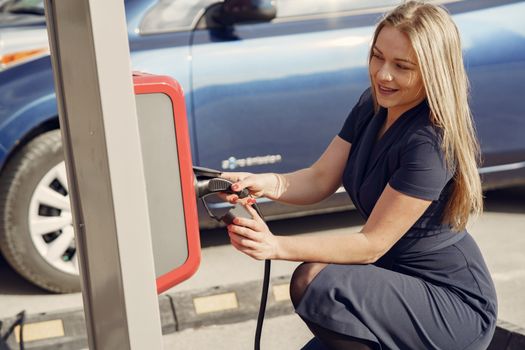
A woman uses a home electric vehicle charger mounted on a brick wall. Photo: Andersen EV / Pexels
Navigating the world of public EV charging can sometimes present minor challenges. However, with a few smart strategies and an awareness of common pitfalls, you can ensure a smooth and efficient experience every time you seek electric car charging stations near me. These tips will help you maximize your charging sessions and minimize frustration. **Tips for Efficient Charging:** * **Pre-plan Your Route:** For longer trips, use apps like A Better Routeplanner or your car's built-in navigation to identify charging stops in advance. This helps avoid detours and ensures you arrive with enough range. * **Utilize Aggregator Apps:** Always cross-reference station availability and status using apps like PlugShare. User reviews and real-time updates can save you from arriving at a broken or occupied charger. * **Understand Your Car's Charging Curve:** Most EVs charge fastest when their battery is between 20% and 80% state of charge, especially with DC Fast Charging. Charging past 80% often slows down considerably. Plan to charge only as much as you need to reach your next destination or a more convenient charging spot. * **Charge While You're Doing Something Else:** Maximize your time by charging when you're already parked for an extended period – dining, shopping, working, or sleeping. This makes Level 2 charging incredibly convenient. * **Consider Off-Peak Charging:** If possible, charge during off-peak hours (often late night or early morning) when electricity rates might be lower and stations less busy, depending on the network and local regulations. * **Maintain Charging Etiquette:** If you're fully charged at a public DCFC station, move your vehicle promptly to allow others to charge. "Idling fees" are often imposed by networks to encourage this. **Common Pitfalls to Avoid:** * **Arriving with Critically Low Battery:** While EVs have range estimates, external factors like weather, terrain, and driving style can impact actual range. Don't push your luck; plan to charge before your battery is critically low. * **Not Having the Right App/Account:** Before heading to a new charging network, download their app and set up an account with payment information. This avoids scrambling when you're already at the station. * **Ignoring Connector Type:** Double-check that the station has the correct connector for your vehicle (e.g., CCS, J1772, NACS) before driving there. Some older stations might only have CHAdeMO. * **Forgetting to Check Station Status:** A station might appear on a map but could be out of service or occupied. Always check real-time status on your app before committing to a stop. * **Overpaying:** Be aware of the pricing structure (per kWh, per minute, flat fee) and compare costs if multiple networks are available nearby. Some networks also charge idle fees if you leave your car plugged in after it's fully charged. * **Blocking Non-EV Parking:** Never park your EV in a non-charging spot at an EV charging station, and conversely, never park in an EV charging spot if you are not charging. Respect the designated spaces. By keeping these tips in mind, your experience with electric car charging stations near me will be consistently positive and efficient, making your EV ownership journey even more enjoyable.

Comparison

FeatureDC Fast ChargingLevel 2 ChargingLevel 1 Charging
Charging SpeedVery Fast (100-200+ miles/hr)Medium (20-30 miles/hr)Slow (2-5 miles/hr)
Typical LocationHighways, dedicated hubsWorkplaces, retail, public lotsHome (standard outlet)
Connector TypesCCS, NACS, CHAdeMOJ1772, NACSJ1772 (with adapter)
Cost Per kWh (Avg.)$0.35 - $0.55+$0.15 - $0.30Included with home electricity
Ideal Use CaseLong trips, quick top-upsDaily charging, destination chargingOvernight home charging, emergencies
Hardware RequiredSpecialized station240V outlet, EVSEStandard 120V outlet, EVSE cable
ConvenienceHigh for speed, less for availabilityHigh for daily useHigh for accessibility, low for speed

What Readers Say

"Finding electric car charging stations near me used to be a hassle, but with the new Electrify America station downtown, it's a breeze. I can grab coffee and have a significant charge in 20 minutes. It's made my commute so much easier."

Sarah J. · Austin, TX

"The ChargePoint network has really expanded in my area. I use their app constantly to find electric car charging stations near me, and I've rarely encountered an issue. The prices are reasonable, and the stations are well-maintained, which is a huge plus."

Michael D. · Seattle, WA

"I was hesitant about long road trips in my EV, but using PlugShare to locate electric car charging stations near me along my route has been a game-changer. I completed a 500-mile trip with zero range anxiety thanks to reliable DC fast chargers."

Emily R. · Denver, CO

"Most electric car charging stations near me are great, but sometimes I wish there were more options for charging at hotels. The Level 2 chargers are good for overnight, but a few more DCFC options would make travel even smoother for sure."

David L. · Miami, FL

"As a ride-share driver, reliable electric car charging stations near me are essential. The EVgo network has been fantastic, always showing available chargers and allowing me to quickly top up between fares without losing valuable time on the road."

Jessica P. · Boston, MA

Frequently Asked Questions

What's the best way to find electric car charging stations near me?

The most effective way to find electric car charging stations near you is by using dedicated mobile apps like PlugShare, ChargePoint, Electrify America, or EVgo. Many EVs also have built-in navigation systems that can locate chargers. These apps provide real-time availability, connector types, and pricing information, allowing you to plan your charging stops efficiently.

Are all EV charging stations compatible with my electric car?

No, not all charging stations are compatible. EVs use different connector types (CCS, J1772, CHAdeMO, NACS). While many public stations offer multiple connector types, it's crucial to verify that the station has the correct connector for your vehicle before you arrive. Most charging apps allow you to filter by connector type to ensure compatibility.

How do I start and pay for charging at a public station?

Typically, you'll use the charging network's mobile app to initiate and pay for a session. This usually involves scanning a QR code or entering a station ID. Some stations also accept RFID cards issued by the network or direct credit card payments. It's advisable to download the relevant apps and set up an account before your first public charge.

How much does it cost to charge an electric car at a public station?

The cost varies significantly based on the charging network, location, charging speed (Level 2 is cheaper than DC Fast Charging), and pricing model (per kWh, per minute, or flat session fee). Generally, Level 2 charging might cost $0.15-$0.30 per kWh, while DC Fast Charging can range from $0.35-$0.55+ per kWh. Some stations offer membership discounts or free charging.

Is it faster to charge my EV at home or at public electric car charging stations near me?

It depends on the type of public station. Level 1 (standard outlet) home charging is the slowest. Level 2 home charging (with a dedicated 240V charger) is comparable to public Level 2 stations. DC Fast Charging, however, is significantly faster than almost any home charging setup, making it ideal for rapid top-ups on the go.

Who should use electric car charging stations near me?

Anyone who owns an electric vehicle, especially those without reliable home charging, apartment dwellers, or EV owners embarking on long-distance travel, should utilize public electric car charging stations near them. They are essential for extending range, topping up during daily activities, and enabling convenient intercity journeys for all EV drivers.

Are electric car charging stations safe to use in all weather conditions?

Yes, public electric car charging stations are designed to be safe for use in various weather conditions, including rain and snow. The connectors and stations are weatherproofed, and safety protocols are in place to prevent electrical hazards. Always ensure the connector is dry and clean before plugging it into your vehicle, and follow the station's instructions.

What is the future outlook for electric car charging stations near me?

The future of electric car charging stations is bright, with significant growth expected. Government initiatives, private investments, and technological advancements are rapidly expanding the network, increasing charging speeds, and improving reliability. We anticipate greater standardization, more seamless payment options, and higher charger density, especially in underserved areas, making EV ownership even more convenient.

Embrace the convenience and sustainability of electric vehicle ownership by confidently locating electric car charging stations near me. With this guide, you're empowered to plan smarter, charge efficiently, and enjoy every mile of your EV journey. Start exploring the vast network of charging options today and make range anxiety a thing of the past.

Topics: electric car charging stations near meEV charging infrastructureelectric vehicle charging costpublic EV charging networkscharging station types
Leo List
Brampton weed
Adultwork EstrelaBet Vai de Bet R7 Bet Betão Galera Bet Rainbet Bet9ja Shop SportyBet BetKing Sisal Loto Foot Hollywoodbets YesPlay Odibets RushBet Jugabet BetWarrior BetCity MSport betPawa Fortebet