✓ Wind turbines convert kinetic energy from wind into electrical energy.
✓ Modern utility-scale wind turbines can be over 500 feet tall.
✓ One large wind turbine can power hundreds of homes.
✓ Wind power is a clean, renewable energy source with zero emissions during operation.
How It Works
1
Wind Capture
Wind, a form of solar energy, is created by uneven heating of the Earth's surface. This moving air mass possesses kinetic energy, which is the initial input for wind power generation.
2
Rotor Blade Rotation
The wind pushes against the aerodynamic blades of a wind turbine, causing the rotor (the hub and blades) to spin. This rotation converts the wind's kinetic energy into rotational mechanical energy.
3
Electricity Generation
The spinning rotor connects to a shaft, which in turn drives a generator within the nacelle (the housing at the top of the tower). This generator uses electromagnetic induction to produce electricity.
4
Grid Integration
The generated electricity is then transmitted through cables down the turbine tower and to a transformer, which steps up the voltage for efficient transmission across the electrical grid to homes and businesses.
The Fundamental Principles Behind Wind Energy Generation
Photo: Jan van der Wolf / Pexels
At its core, understanding how does wind power work involves grasping the transformation of kinetic energy into electrical energy. Wind itself is a direct consequence of solar energy. When the sun heats the Earth's surface unevenly, it creates differences in atmospheric pressure. Air flows from areas of high pressure to areas of low pressure, and this movement is what we experience as wind. The kinetic energy within this moving air is immense, and humanity has sought to harness it for centuries, from sailing ships to traditional windmills grinding grain. Modern wind power technology takes this ancient concept to an industrial scale, utilizing sophisticated engineering to efficiently capture and convert this natural force.
A wind turbine is essentially an inverted fan. Instead of using electricity to create wind, it uses wind to create electricity. The process begins with the wind blowing past the turbine blades. These blades are designed with an aerodynamic profile, similar to an airplane wing. As the wind passes over the curved surface of the blade, it creates a pressure differential – lower pressure on one side and higher pressure on the other. This pressure difference generates lift, which causes the blades to rotate around a central hub. The efficiency of this capture depends on several factors, including blade design, wind speed, and the turbine's orientation to the wind. Advanced control systems ensure the turbine blades are pitched optimally to maximize energy capture without exceeding safe operating limits. This initial mechanical rotation is the first critical step in the journey from wind to usable electricity. The sheer scale and precision of these components are what allow a single turbine to power hundreds or even thousands of homes, making wind a cornerstone of renewable energy sources. Understanding this fundamental conversion is key to appreciating the sophistication of modern wind power systems and their role in a sustainable future. The continuous innovation in blade materials and aerodynamic designs further pushes the boundaries of how much energy can be extracted from a given wind resource, making wind power an increasingly competitive option on the global energy stage.
Inside the Wind Turbine: Components and Their Roles
Photo: Pixabay / Pexels
To truly appreciate how does wind power work, one must delve into the intricate components that make up a modern wind turbine. Beyond the visible blades and tower, a complex array of machinery works in concert to achieve electricity generation. The main components include the rotor, nacelle, tower, and foundation, each playing a vital role. The rotor, comprising the blades and hub, is the part that directly interacts with the wind, converting its kinetic energy into rotational motion. These blades are typically made from lightweight yet incredibly strong composite materials like fiberglass or carbon fiber, designed to withstand immense forces and varying weather conditions.
The nacelle, a large housing situated atop the tower, contains the most critical power generation components. Inside, you'll find the gearbox, generator, controller, and braking system. The gearbox is crucial because the rotor typically spins at relatively low speeds (e.g., 15-20 revolutions per minute). The gearbox increases this rotational speed to the much higher RPMs (e.g., 1,000-1,800 RPMs) required by the generator to efficiently produce electricity. Some modern turbines, known as direct-drive turbines, eliminate the gearbox, opting for larger, slower-spinning generators to reduce maintenance and increase efficiency, though they come with their own engineering challenges. The generator itself is the heart of the system, employing principles of electromagnetism to convert the mechanical energy from the spinning shaft into electrical energy.
Sophisticated control systems within the nacelle constantly monitor wind speed and direction, adjusting the turbine's yaw (orientation to the wind) and blade pitch (angle of the blades) to optimize energy capture and protect the turbine from damage during high winds. A braking system is also present to stop the rotor for maintenance or in emergency situations. All these heavy components are supported by the tower, which elevates the rotor to catch stronger, more consistent winds at higher altitudes. Towers are typically tubular steel, but lattice or concrete designs are also used. Finally, the foundation anchors the entire structure securely to the ground, designed to withstand the immense forces exerted by the wind and the weight of the turbine. The robust engineering of each component ensures the long-term reliability and efficiency of these power-generating giants.
From Turbine to Grid: Delivering Clean Electricity
Photo: Sergej ***** / Pexels
Once electricity is generated within the nacelle, the journey of wind power isn't over; it still needs to be delivered to consumers. Understanding how does wind power work extends to comprehending its integration into the existing electrical grid infrastructure. The electricity produced by the generator is typically at a moderate voltage. This electricity travels down through cables housed within the turbine tower to a transformer located at the base of the tower or in a nearby substation. The transformer's role is critical: it steps up the voltage of the electricity significantly. This increase in voltage is essential for efficient long-distance transmission, as higher voltage reduces energy loss due to resistance in the transmission lines.
From the substation, the high-voltage electricity is fed into the broader electrical grid. This grid is a complex network of transmission lines, substations, and distribution lines that carries electricity from power plants to homes and businesses across vast distances. Integrating wind power into the grid presents unique challenges due to its intermittent nature; wind doesn't blow constantly or consistently. Grid operators must balance the fluctuating output from wind farms with demand and other power sources. This requires sophisticated forecasting models, advanced grid management systems, and often, energy storage solutions like batteries or pumped-hydro storage to ensure a stable and reliable power supply. As more wind power is added to the grid, investments in grid modernization and smart grid technologies become increasingly important to effectively manage this variable but clean energy source.
Furthermore, the environmental benefits of this journey are profound. Unlike fossil fuel power plants that release greenhouse gases and pollutants, wind power generates electricity without direct emissions during operation. This makes it a crucial tool in combating climate change and improving air quality. The continued expansion of wind farms, both onshore and offshore, is a testament to its growing role in providing clean, sustainable electricity and reducing our reliance on finite resources. The evolution of grid technology and energy storage solutions will further solidify wind power's position as a dominant force in the global future of energy landscape, ensuring that the kinetic energy of the wind can reliably power our modern world.
Optimizing Wind Power: Efficiency, Challenges, and Future Outlook
Photo: John Lines / Pexels
While the fundamental principles of how does wind power work remain consistent, the industry continuously strives for optimization, addressing challenges, and exploring future possibilities. One of the primary areas of focus is enhancing efficiency. Modern turbines boast significantly higher capacity factors – the ratio of actual energy produced over a period to the maximum possible energy that could have been produced – compared to their predecessors. This is achieved through taller towers that access stronger, more consistent winds, longer and more aerodynamically advanced blades, and sophisticated control systems that adjust blade pitch and yaw in real-time to maximize energy capture. Offshore wind farms, in particular, benefit from stronger and more consistent winds, leading to higher capacity factors and greater energy output, albeit with higher installation and maintenance costs.
However, wind power faces several challenges. Intermittency is a key concern; wind doesn't blow 24/7, meaning wind farms cannot consistently produce power on demand. This requires backup power sources or, increasingly, advanced energy storage solutions and smarter grid management. Siting is another challenge, as suitable locations with strong, consistent wind resources often face environmental or aesthetic concerns from local communities. The visual impact, noise, and potential impact on wildlife (particularly birds and bats) are considerations that require careful planning and mitigation strategies. Technological advancements, such as radar-based shutdown systems for bird protection and quieter blade designs, are continuously being developed to address these issues.
The future outlook for wind power is exceptionally bright. Continued innovation in turbine design, including the development of larger, more powerful turbines and floating offshore wind platforms, will unlock new wind resources. Advances in energy storage technologies, from large-scale batteries to green hydrogen production, will help mitigate intermittency issues, allowing wind power to become a more dispatchable and reliable energy source. Furthermore, the integration of artificial intelligence and machine learning for wind forecasting and grid optimization will significantly improve the efficiency and economic viability of wind energy. As the world transitions towards a decarbonized economy, wind power is poised to play an increasingly dominant role, providing clean, sustainable electricity on a global scale. The ongoing research and development into these areas underscore the dynamic nature of the wind energy sector and its commitment to a greener future.
Comparison
Feature
Wind Power
Solar PV
Coal Power
Fuel Source
Wind (Free)
Sunlight (Free)
Coal (Mined)
Emissions (Operation)
Zero
Zero
High CO2, Pollutants
Intermittency
Yes (wind speed)
Yes (day/night)
No (dispatchable)
Land Use
Moderate/High (dispersed)
Moderate/High (dense)
Low (centralized)
Cost Trends
Decreasing
Decreasing
Fluctuating
Storage Needed
Often
Often
Rarely
What Readers Say
★★★★★
"Learning how wind power works was fascinating, especially understanding the scale of these turbines. It really makes you appreciate the technology behind clean energy."
Emily R. · Des Moines, IA
★★★★★
"This article clarified so much about wind energy. I now have a much better grasp of how it contributes to the power grid and its environmental benefits."
Mark T. · Austin, TX
★★★★★
"After reading this, I feel much more informed about our energy future. Knowing how does wind power work makes me optimistic about sustainable solutions."
Sarah L. · Portland, OR
★★★★★
"Very thorough explanation of wind power mechanics. While it covered challenges, I would have liked a bit more on community integration aspects."
David P. · Denver, CO
★★★★★
"As an engineering student, this detailed breakdown of wind turbine components was incredibly helpful. It perfectly illustrates the blend of physics and practical application."
Jessica W. · Boston, MA
Frequently Asked Questions
What is the basic principle of how does wind power work?
The basic principle is the conversion of kinetic energy from moving air (wind) into mechanical energy through turbine blades, which then drives a generator to produce electricity. It's a direct transformation of a natural force into usable power.
Is wind power a reliable source of electricity?
Wind power is intermittent, meaning its output fluctuates with wind conditions. However, with advancements in wind forecasting, grid management, and energy storage solutions, wind power is becoming an increasingly reliable and integral part of the overall electricity supply, especially when combined with other energy sources.
How do wind turbines generate electricity?
Wind turbines generate electricity when wind causes their blades to rotate. This rotation turns a shaft connected to a gearbox, which increases the rotational speed. The high-speed shaft then drives a generator, which uses electromagnetic induction to convert mechanical energy into electrical energy.
How much does it cost to install a wind turbine?
The cost of installing a wind turbine varies significantly based on size, type (onshore vs. offshore), and location. Utility-scale turbines represent multi-million dollar investments, while smaller residential turbines can range from tens to hundreds of thousands of dollars. However, operating costs are relatively low once installed, and government incentives can help offset initial expenses.
How does wind power compare to solar power?
Both wind and solar power are renewable and produce zero operational emissions. Wind power is generally more efficient at night and during cloudy weather, while solar power is dominant during sunny daylight hours. They are often complementary, and combining them can lead to a more stable renewable energy supply, leveraging their different peak generation times.
Who benefits most from wind power?
Everyone benefits from wind power through cleaner air, reduced greenhouse gas emissions, and a diversified energy supply that lessens reliance on fossil fuels. Regions with strong, consistent winds can particularly benefit from economic development through wind farm construction and maintenance jobs, as well as lower electricity prices.
Are wind turbines harmful to birds and bats?
There is a documented risk of bird and bat mortality from collisions with wind turbines. However, the industry is actively working to mitigate these impacts through careful siting, advanced radar-based shutdown systems, and deterrent technologies. Studies show that overall, the impact is significantly lower than other human-caused mortalities.
What is the future of wind power technology?
The future of wind power involves larger and more efficient turbines, the expansion of offshore wind farms (including floating platforms), and significant advancements in energy storage and smart grid integration. We can expect continued cost reductions and an increasing role for wind power in global energy grids, driven by innovation and climate goals.
Now that you understand how does wind power work, consider its pivotal role in building a sustainable future. Explore further opportunities to support or engage with clean energy initiatives and contribute to a greener planet.

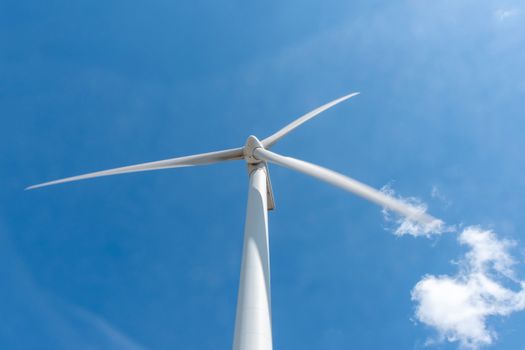 Photo: Jan van der Wolf / Pexels
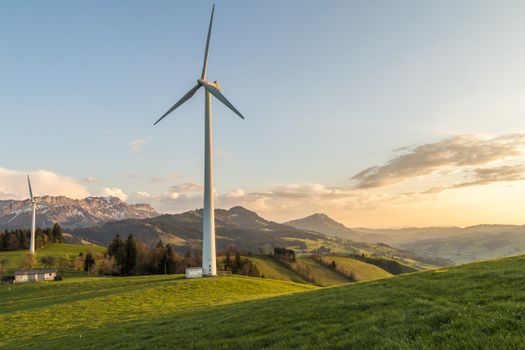 Photo: Pixabay / Pexels
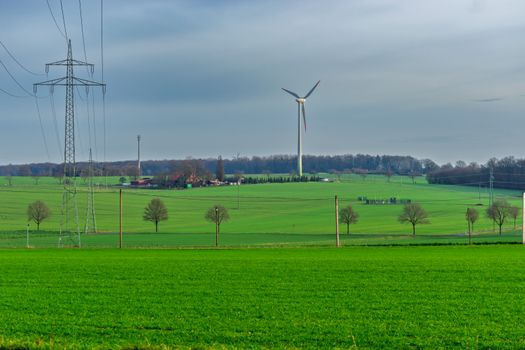 Photo: Sergej ***** / Pexels
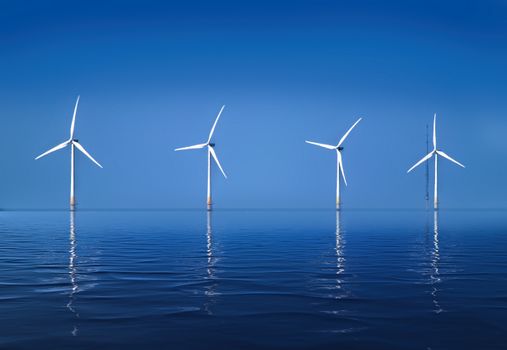 Photo: John Lines / Pexels