
How Does Nuclear Energy Work? Unveiling Atomic Power
Unlock the secrets of nuclear power generation, transforming tiny atoms into immense, clean electricity.
Explore Nuclear PowerKey Takeaways
- ✓ Nuclear energy is generated through nuclear fission, splitting atoms to release heat.
- ✓ Uranium-235 is the primary fuel source, highly enriched for reactor use.
- ✓ Nuclear power plants produce virtually no greenhouse gas emissions during operation.
- ✓ A single uranium fuel pellet can produce as much energy as 17,000 cubic feet of natural gas.
How It Works
Uranium fuel rods, containing enriched uranium, are placed inside the reactor core. Neutrons strike uranium atoms, causing them to split and release energy, along with more neutrons.
The fission process generates immense heat within the reactor core. This heat is used to warm a coolant, typically water, which circulates through the core.
The superheated coolant transfers its heat to a separate water loop in a steam generator. This boils the water, producing high-pressure steam.
The high-pressure steam drives large turbines, which are connected to electrical generators. As the turbines spin, the generators produce electricity, which is then sent to the grid.
The Fundamental Principle: Nuclear Fission Explained
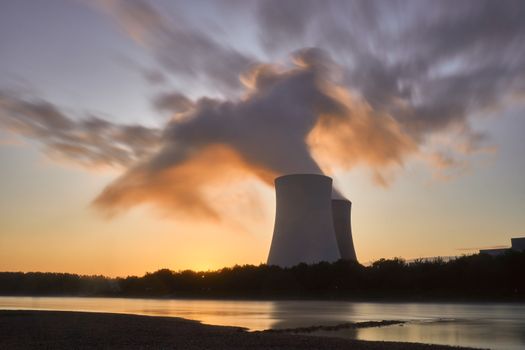 Photo: Markus Distelrath / Pexels
From Uranium Ore to Power Grid: The Fuel Cycle
 Photo: Bogdan Krupin / Pexels
Safety and Environmental Considerations of Nuclear Power
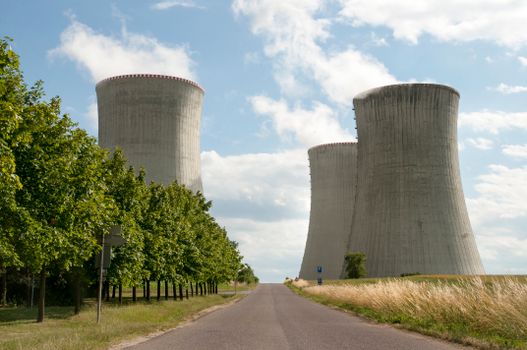 Photo: Vladimír Sládek / Pexels
Common Misconceptions About Nuclear Energy
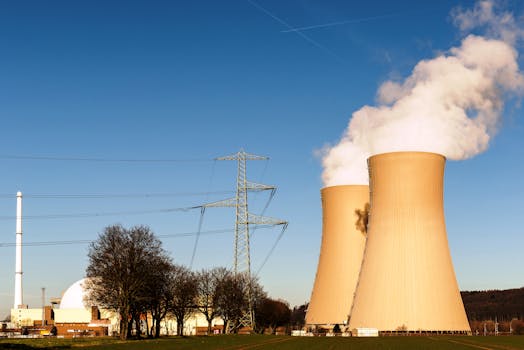 Photo: Wolfgang Weiser / Pexels
Comparison
| Feature | Nuclear | Solar PV | Coal |
|---|---|---|---|
| Carbon Emissions (Operational) | Near Zero | Near Zero | High |
| Reliability/Capacity Factor | High (90% +) | Variable (20-30%) | High (60-70%) |
| Fuel Cost Volatility | Low | None | High |
| Waste Produced | High-level Radioactive | Electronic/Industrial | Ash/CO2/Pollutants |
| Land Footprint (per TWh) | Small | Large | Medium |
What Readers Say
"The article's explanation of how nuclear energy works, particularly the fission process, was exceptionally clear and detailed. It really helped me solidify my understanding of the underlying physics."
Dr. Eleanor Vance · Oak Ridge, TN"As someone living near a nuclear plant, I found the safety section very reassuring. The emphasis on redundant systems and continuous improvements really addressed my concerns about how nuclear energy works safely."
Mark Johnson · Harrisburg, PA"This article provided a comprehensive overview of how nuclear energy works from fuel to grid. My previous understanding was fragmented, but now I have a complete picture of the entire process."
Sarah Chen · Chicago, IL"A very informative read on how nuclear energy works, though I would have appreciated a slightly deeper dive into advanced reactor technologies. Still, an excellent resource for anyone new to the topic."
David Miller · Austin, TX"The debunking of common myths was particularly helpful. I used to think nuclear waste was an insurmountable problem, but this article clearly explained the manageable nature of how nuclear energy works' byproducts."
Maria Rodriguez · Phoenix, AZFrequently Asked Questions
What is the primary process by which nuclear energy works?
The primary process by which nuclear energy works is nuclear fission. This involves splitting the nucleus of a heavy atom, typically Uranium-235, into two or more smaller nuclei. This splitting releases a tremendous amount of energy in the form of heat, along with additional neutrons that can sustain a chain reaction.
Is nuclear energy safe?
Yes, nuclear energy is considered very safe due to stringent regulations, advanced safety systems, and continuous improvements in reactor design. While accidents have occurred historically, modern nuclear power plants have multiple layers of protection, redundant systems, and passive safety features to prevent and mitigate incidents, making them one of the safest forms of electricity generation per terawatt-hour.
How do control rods work in a nuclear reactor?
Control rods, typically made of materials like cadmium or boron, work by absorbing neutrons within the reactor core. By inserting or withdrawing these rods, operators can regulate the number of free neutrons available to cause fission. This controls the rate of the nuclear chain reaction, ensuring the reactor operates at a stable and safe power level.
How does nuclear energy compare in cost to other energy sources?
Nuclear energy has high upfront capital costs for construction but boasts very low and stable fuel costs over its long operational lifetime. When considering the full life-cycle costs, including fuel, operations, maintenance, and waste disposal, nuclear power often competes favorably with fossil fuels and provides a reliable, base-load power source that doesn't fluctuate with weather conditions.
How does nuclear energy impact the environment?
Nuclear energy has a very low environmental impact in terms of air pollution and greenhouse gas emissions during operation, making it a critical tool for combating climate change. Its main environmental challenge is the safe disposal of radioactive waste, which requires secure, long-term storage, though the volume of this waste is relatively small.
Who benefits most from understanding how nuclear energy works?
Anyone interested in clean energy, climate change solutions, reliable electricity generation, or careers in science and engineering benefits from understanding how nuclear energy works. It's crucial for informed public discourse and policy decisions regarding our future energy mix.
What are the risks associated with nuclear waste?
The primary risk associated with nuclear waste is its radioactivity, which can be harmful to living organisms if not properly contained. However, nuclear waste is securely stored in highly engineered facilities, typically in dry casks or spent fuel pools, designed to prevent leakage and protect against environmental contamination and unauthorized access. The industry is continuously developing long-term geological disposal solutions to manage these risks effectively.
What is the future outlook for nuclear energy?
The future outlook for nuclear energy is promising, with renewed interest driven by climate change concerns and the need for reliable, carbon-free electricity. New technologies like Small Modular Reactors (SMRs) and advanced reactor designs are being developed, offering enhanced safety, reduced construction times, and greater flexibility, potentially making nuclear power more accessible and widely deployed globally.
Now that you understand how nuclear energy works, you're better equipped to participate in discussions about our energy future. Explore further resources to deepen your knowledge and stay informed about this powerful, clean energy source.