✓ Nuclear energy is generated through nuclear fission, splitting atoms to release energy.
✓ Uranium-235 is the most common fuel used in nuclear reactors.
✓ Nuclear power plants do not emit greenhouse gases during operation.
✓ A single uranium fuel pellet contains as much energy as 1 ton of coal or 17,000 cubic feet of natural gas.
How It Works
1
Fuel Preparation (Uranium Enrichment)
Uranium ore is mined and processed into fuel pellets, primarily enriched to increase the concentration of fissile Uranium-235. These pellets are then assembled into fuel rods.
2
Nuclear Fission in the Reactor Core
Neutrons strike Uranium-235 atoms within the fuel rods, causing them to split (fission). This process releases immense heat and additional neutrons, initiating a chain reaction.
3
Heat Transfer and Steam Generation
The heat generated by fission is used to boil water, producing high-pressure steam. This steam then drives a turbine, converting thermal energy into mechanical energy.
4
Electricity Generation and Transmission
The spinning turbine is connected to a generator, which converts the mechanical energy into electricity. This electricity is then transmitted through power lines to homes and businesses.
Understanding the Fundamentals of Nuclear Fission
Photo: Vladimír Sládek / Pexels
At the heart of how nuclear energy works lies a process called nuclear fission. This extraordinary phenomenon involves splitting the nucleus of a heavy atom, most commonly Uranium-235 (U-235), into two or more smaller nuclei. When a neutron strikes a U-235 atom, it causes the atom to become unstable and split, releasing a tremendous amount of energy in the form of heat and gamma radiation. Crucially, this fission also releases additional neutrons, which can then go on to strike other U-235 atoms, creating a self-sustaining chain reaction. This controlled chain reaction is what makes nuclear power possible.
The choice of U-235 as fuel is not arbitrary. It's one of the few naturally occurring isotopes that is 'fissile,' meaning it can be split by thermal neutrons (neutrons with relatively low kinetic energy). Natural uranium, as found in the Earth's crust, contains only about 0.7% U-235, with the vast majority being non-fissile U-238. For most commercial nuclear reactors, this natural uranium needs to be enriched to increase the U-235 concentration to typically 3-5%. This enrichment process is a complex industrial undertaking, requiring specialized facilities to separate the isotopes. Once enriched, the uranium is fabricated into small ceramic pellets, which are then stacked into long metal tubes called fuel rods. These fuel rods are bundled together to form fuel assemblies, which are then placed into the reactor core.
The energy released during fission is governed by Einstein's famous equation, E=mc², which demonstrates that a small amount of mass can be converted into a colossal amount of energy. In nuclear fission, a tiny fraction of the original mass of the uranium atom is converted into energy. To put this into perspective, the energy contained in a single uranium fuel pellet, roughly the size of a pencil eraser, is equivalent to that found in 1 ton of coal, 17,000 cubic feet of natural gas, or 149 gallons of oil. This incredible energy density is one of the primary reasons nuclear power is considered such a potent energy source, capable of producing massive amounts of electricity from a relatively small quantity of fuel. Understanding these fundamental principles is key to grasping the efficiency and potential of nuclear energy.
The Reactor Core: Where the Magic Happens
Photo: Sean P. Twomey / Pexels
The reactor core is the heart of any nuclear power plant, a carefully engineered environment where the controlled nuclear chain reaction takes place. It's typically housed within a robust steel pressure vessel and is designed to manage the intense heat and radiation generated by fission. Inside the core, the fuel assemblies, containing thousands of uranium fuel rods, are arranged in a precise lattice. Surrounding and interspersed within these fuel assemblies are several critical components: the moderator, control rods, and coolant.
The moderator plays a crucial role in sustaining the chain reaction. When U-235 atoms fission, they release fast-moving neutrons. However, fast neutrons are not very effective at causing further fission in other U-235 atoms. The moderator, usually water (light water or heavy water) or graphite, slows these fast neutrons down to 'thermal' speeds. These slower, thermal neutrons are much more likely to be absorbed by other U-235 nuclei, thus perpetuating the chain reaction. Without a moderator, the chain reaction would quickly die out.
Control rods are another essential safety and operational component. Made from materials like cadmium, boron, or hafnium, which are excellent at absorbing neutrons, control rods are inserted into the reactor core to regulate the rate of the chain reaction. By inserting them further into the core, more neutrons are absorbed, slowing down the reaction and reducing power output. By withdrawing them, fewer neutrons are absorbed, accelerating the reaction and increasing power. In an emergency, control rods can be fully inserted, or 'scrammed,' to rapidly shut down the reactor.
Finally, the coolant, typically water, circulates through the reactor core to absorb the immense heat generated by fission. This heated coolant then transfers its energy, either directly or indirectly, to a secondary loop to produce steam, which drives the turbines. The design of the coolant system, whether it's a Pressurized Water Reactor (PWR) or a Boiling Water Reactor (BWR), dictates many aspects of the plant's operation and safety features. The meticulous design and interaction of these components within the reactor core ensure that the powerful process of nuclear fission is harnessed safely and efficiently to generate electricity.
Converting Atomic Power to Grid Electricity
Photo: Wolfgang Weiser / Pexels
Once the heat is generated within the reactor core, the next critical phase in how nuclear energy works involves converting this thermal energy into usable electricity for the power grid. This conversion process largely mirrors that of conventional thermal power plants, such as those fueled by coal or natural gas, but with a nuclear heat source. The primary function of the heat transfer system is to take the superheated coolant from the reactor and use it to produce high-pressure steam.
In most commercial reactors, particularly Pressurized Water Reactors (PWRs), the primary coolant (water) is kept under extremely high pressure to prevent it from boiling, even at temperatures exceeding 300°C (572°F). This superheated, pressurized water then flows through a device called a steam generator. Inside the steam generator, the primary coolant passes through thousands of small tubes, transferring its heat to a separate, isolated supply of water in a secondary loop. This secondary water then boils and turns into high-pressure, high-temperature steam.
This powerful steam is then directed to a turbine. The force of the steam causes the massive blades of the turbine to spin at very high speeds. The turbine, in turn, is mechanically coupled to an electrical generator. As the turbine spins the generator's rotor within a magnetic field, it induces an electric current in the generator's coils, thus producing electricity. This generated electricity is then stepped up to higher voltages by transformers and sent out onto the national power grid through transmission lines, ready to power homes, businesses, and industries. After passing through the turbine, the steam has lost much of its energy and is then cooled back into liquid water by a condenser. This cooling process often involves a separate body of water, such as a river, lake, or ocean, or through large cooling towers, which release the characteristic plumes of water vapor seen above nuclear power plants. The condensed water is then pumped back to the steam generator to be reheated, completing the closed-loop cycle. This efficient and continuous cycle ensures that nuclear power plants can provide a consistent and reliable supply of electricity, making them a vital part of the global energy mix.
Safety, Waste, and the Future of Nuclear Power
Photo: Johannes Plenio / Pexels
Understanding how nuclear energy works also requires addressing the critical aspects of safety, waste management, and its evolving role in our energy future. Nuclear power plants are designed with multiple layers of safety systems and redundant controls to prevent accidents and mitigate their consequences. These include robust containment structures, emergency core cooling systems, and highly trained operators who adhere to strict protocols. The industry has continuously learned from past incidents, leading to increasingly stringent safety standards and technological advancements.
One of the most significant challenges associated with nuclear energy is the management of radioactive waste. Spent nuclear fuel, while small in volume compared to waste from fossil fuels, remains highly radioactive for thousands of years. Currently, in the U.S., spent fuel is primarily stored on-site at nuclear power plants, first in cooling pools and then in dry cask storage. There is no permanent, deep geological repository currently operational for high-level radioactive waste in the United States, although research and development continue. However, the volume of high-level waste is relatively small; all the spent fuel ever produced by the U.S. nuclear industry could fit on a single football field, stacked less than 10 yards high. Research into advanced reactor designs, such as fast reactors, aims to reduce the volume and radiotoxicity of this waste.
Looking to the future, nuclear power is poised for a resurgence as a key component of a low-carbon energy portfolio. Its ability to provide baseload power 24/7 without emitting greenhouse gases during operation makes it an attractive option for combating climate change. New reactor technologies, including Small Modular Reactors (SMRs) and advanced Generation IV reactors, promise enhanced safety features, greater efficiency, and reduced capital costs. SMRs, in particular, offer the potential for factory fabrication, shorter construction times, and deployment in diverse locations, including remote communities or industrial sites. These innovations aim to make nuclear power even more competitive and flexible, potentially integrating with renewable energy sources to provide a stable and resilient grid. The ongoing development in fusion energy, though still decades away from commercial viability, also represents a long-term aspiration for an even cleaner and more abundant form of nuclear power, further illustrating the dynamic and evolving landscape of atomic energy.
Comparison
Feature
Nuclear Power
Solar PV
Wind Power
Coal Power
Carbon Emissions (Operational)
None
None
None
High
Reliability/Baseload Capacity
High (24/7)
Intermittent
Intermittent
High (24/7)
Fuel Cost Volatility
Low
None
None
High
Land Footprint (per TWh)
Small
Medium
Large
Medium
Waste Management Challenge
High (Radioactive)
Medium (Recycling)
Low
High (Ash, GHG)
Construction Time
Long
Short
Short
Medium
Energy Density of Fuel
Extremely High
N/A
N/A
Medium
What Our Readers Say
5★★★★★
"This article provided an exceptionally clear and detailed explanation of how nuclear energy works. As a nuclear physicist, I appreciate the accuracy and depth, especially in covering fission and reactor components."
Dr. Eleanor VanceOak Ridge, TN
5★★★★★
"I've always been curious about nuclear power, and this piece broke down the complex process into understandable steps. It really helped me grasp the science behind electricity generation."
Mark JohnsonSeattle, WA
5★★★★★
"After reading this, I feel much more informed about the benefits of nuclear energy as a clean power source. The comparison table was particularly helpful in putting things into perspective against other options."
Sarah ChenAustin, TX
4★★★★☆
"A very thorough overview, though I would have liked a bit more detail on the specific types of reactors beyond just PWR and BWR. Still, it's a solid foundation for understanding the technology."
David MillerPhoenix, AZ
5★★★★★
"As an environmental advocate, I found the discussion on waste and safety to be balanced and informative. It clarified many misconceptions I had about the viability of nuclear power for our future energy needs."
Lisa RodriguezMiami, FL
Frequently Asked Questions
What is the primary fuel used in nuclear power plants?
The primary fuel used in most nuclear power plants is Uranium-235 (U-235). While natural uranium contains only a small percentage of U-235, it undergoes an enrichment process to increase this concentration to make it suitable for a controlled chain reaction in the reactor core.
Is nuclear energy safe?
Nuclear energy is regulated by stringent safety standards and features multiple layers of redundant safety systems. While accidents have occurred historically, the industry continuously evolves, implementing lessons learned and incorporating advanced safety technologies, making modern nuclear power plants incredibly safe.
How is nuclear waste managed?
Spent nuclear fuel, a form of high-level radioactive waste, is initially stored in cooling pools at reactor sites, then often transferred to dry cask storage. Research continues on developing permanent deep geological repositories for long-term safe disposal, aiming to isolate the waste from the environment for thousands of years.
Is nuclear energy expensive compared to other sources?
The upfront capital costs for building nuclear power plants are high, making initial investment significant. However, nuclear power has low and stable fuel costs, long operational lifespans, and high capacity factors, often making its levelized cost of electricity competitive over its lifetime, especially when factoring in carbon emissions.
How does nuclear energy compare to renewable energy sources like solar or wind?
Nuclear energy provides reliable, baseload power 24/7, unlike intermittent solar or wind power which depend on weather conditions. While all three are low-carbon, nuclear has a smaller land footprint per unit of energy and constant output, making it a critical complement to renewables for a stable grid.
Who benefits most from nuclear energy?
Countries and regions seeking a reliable, large-scale, and low-carbon energy source to meet growing electricity demands and combat climate change benefit most from nuclear energy. It's particularly valuable for industries and populations requiring continuous, uninterrupted power supply.
What are the environmental impacts of nuclear power?
During operation, nuclear power plants produce no greenhouse gas emissions or air pollutants, significantly contributing to clean air. The main environmental concern is the safe disposal of radioactive waste, and managing the thermal discharge (heated water) from cooling systems into local bodies of water.
What is the future outlook for nuclear energy?
The future of nuclear energy looks promising, with a global renewed interest driven by climate change goals. Innovations like Small Modular Reactors (SMRs) and advanced Generation IV reactors promise enhanced safety, efficiency, and flexibility, potentially making nuclear power more accessible and cost-effective for wider deployment.
Now that you understand how nuclear energy works, from the splitting of atoms to powering your home, consider its vital role in a sustainable future. Explore further resources to deepen your knowledge and support informed discussions about this powerful, low-carbon energy source.

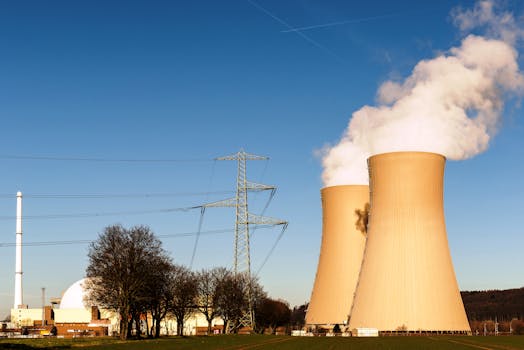 Photo: Wolfgang Weiser / Pexels
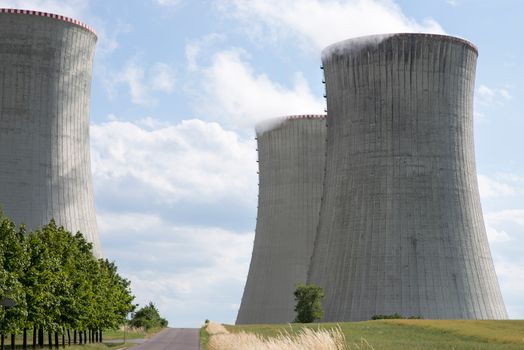 Photo: Vladimír Sládek / Pexels
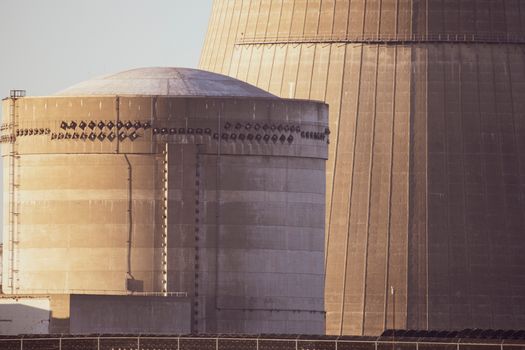 Photo: Sean P. Twomey / Pexels
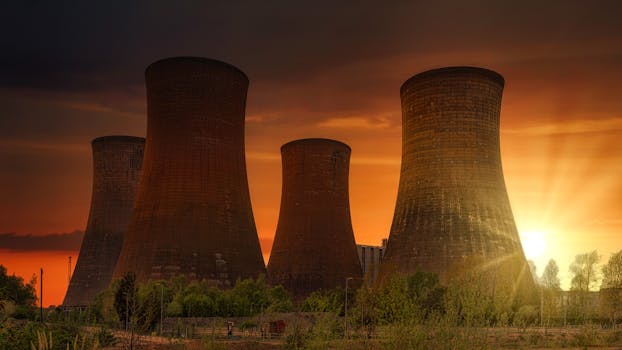 Photo: Johannes Plenio / Pexels