✓ A typical US household can save 5% to 30% on energy bills by implementing audit recommendations.
✓ Energy audits identify issues like poor insulation, air leaks, and inefficient HVAC systems.
✓ Many states and utilities offer rebates or incentives for energy efficiency upgrades.
✓ Professional audits use specialized tools like thermal cameras and blower doors for accuracy.
How It Works
1
Initial Consultation & Information Gathering
The auditor discusses your energy concerns, reviews past utility bills, and gathers information about your home's construction and appliances. This helps tailor the audit to your specific needs and potential issues.
2
On-Site Home Inspection
A comprehensive visual inspection covers your home's exterior, interior, attic, basement/crawl space, and mechanical systems. They look for visible signs of air leaks, insulation gaps, and equipment inefficiencies.
3
Diagnostic Testing & Data Collection
Specialized tools like blower doors measure air leakage, thermal cameras detect insulation deficiencies, and combustion analyzers check furnace efficiency. These tests provide quantifiable data on energy loss.
4
Detailed Report & Recommendations
You receive a comprehensive report outlining findings, prioritized recommendations for improvements, estimated energy savings, and potential return on investment. The auditor explains the report and answers your questions.
Understanding the Value of Home Energy Audit Services
Photo: Riki Risnandar / Pexels
In an era where energy costs continue to fluctuate and environmental consciousness is on the rise, understanding and optimizing your home's energy consumption is more crucial than ever. This is precisely where professional home energy audit services come into play. Far beyond a simple walkthrough, a comprehensive energy audit is a meticulous examination of your home's entire energy ecosystem, designed to pinpoint exactly where and how your energy is being used, or more accurately, wasted. It's a proactive step towards not only reducing your carbon footprint but also significantly lowering your monthly utility bills. Imagine a detective for your home, but instead of solving crimes, they're uncovering hidden energy drains that are silently costing you money. These drains can be as obvious as a drafty window or as subtle as inadequate attic insulation. Without a professional eye and specialized equipment, many homeowners remain oblivious to these inefficiencies, continuing to pay more than necessary for heating, cooling, and electricity.
The core value of engaging in home energy audit services lies in the detailed, actionable insights they provide. Rather than guessing which improvements might make a difference, an audit delivers a clear roadmap based on scientific data. It quantifies the energy loss, identifies the root causes, and prioritizes recommendations based on potential savings and return on investment. For instance, a common finding might be significant air leakage around electrical outlets or plumbing penetrations, which can account for a surprising amount of heat loss in winter and heat gain in summer. Another frequent culprit is outdated or insufficient insulation, particularly in attics and walls, which acts as your home's primary barrier against external temperatures. An auditor can also assess the efficiency of your HVAC system, water heater, and major appliances, providing guidance on whether repairs, maintenance, or replacement would be most cost-effective. By taking the guesswork out of energy efficiency improvements, home energy audit services empower homeowners to make informed decisions that lead to tangible savings and enhanced comfort. This isn't just about saving money; it's about creating a healthier, more comfortable, and sustainable living environment for you and your family. It's an investment in your home's future, ensuring it operates as efficiently as possible for years to come. Ultimately, understanding your home's energy profile is the first and most critical step towards achieving true energy independence and financial prudence.
The Science Behind Effective Energy Audits
Photo: Will Freeman / Pexels
Professional home energy audit services employ a suite of sophisticated tools and techniques that go far beyond what a homeowner can typically observe. These methods are rooted in building science principles, allowing auditors to precisely measure and diagnose energy inefficiencies that are invisible to the naked eye. One of the primary tools is the blower door test. This involves mounting a powerful fan into an exterior doorway to depressurize the house. As the air pressure inside drops, outside air is pulled in through every crack and opening in the building envelope. Auditors then use smoke pencils or thermal cameras to visually identify these air leaks, which are often found around windows, doors, electrical outlets, plumbing penetrations, and even in the attic or crawl space. The blower door system also quantifies the total air leakage of the home, providing a critical metric for understanding overall energy loss due to infiltration and exfiltration.
Another indispensable tool is the infrared or thermal camera. This device detects temperature differences across surfaces, displaying them as a spectrum of colors. Cold spots in winter or hot spots in summer indicate areas where insulation is missing, inadequate, or compromised, or where significant air leakage is occurring. For example, a thermal camera might reveal a dark blue area on an interior wall during winter, indicating a cold spot where insulation is absent, leading to substantial heat loss. These images provide compelling visual evidence of energy waste and help prioritize where insulation upgrades are most needed. Furthermore, auditors will often use combustion analyzers to assess the efficiency and safety of combustion appliances like furnaces, boilers, and water heaters. These devices measure the levels of carbon monoxide, oxygen, and other gases in the flue exhaust, ensuring the appliance is operating safely and not wasting fuel. They can identify issues such as improper air-fuel mixture or heat exchanger problems, which can lead to both energy waste and potential health hazards. Beyond these primary tools, auditors may also use hygrometers to measure humidity, light meters to assess lighting efficiency, and even remote-controlled drones for inspecting hard-to-reach areas like roofs or high eaves. The combination of these scientific instruments and the auditor's expertise creates a comprehensive picture of your home's energy performance, allowing for targeted and effective recommendations. This scientific approach ensures that the solutions proposed are not just general suggestions but are tailored to the specific energy dynamics of your unique home, maximizing the impact of any improvements.
Choosing the Right Home Energy Audit Services for You
Photo: RDNE Stock project / Pexels
When considering home energy audit services, homeowners in the US have several options, each with varying levels of depth, cost, and certification. Understanding these differences is key to selecting the service that best fits your needs and budget. The most basic option is a DIY energy audit. While not as thorough as a professional audit, a homeowner can perform a rudimentary assessment by looking for obvious drafts, checking insulation levels in the attic, and observing utility bill patterns. Resources from the Department of Energy and utility companies often provide guides for these self-audits. However, these are largely superficial and cannot identify hidden issues or quantify energy losses with precision.
Next are walk-through audits, sometimes offered by utility companies or local government programs, often for free or at a reduced cost. These typically involve a trained professional visually inspecting your home, providing general advice, and perhaps distributing energy-saving devices like LED bulbs or low-flow showerheads. While beneficial for identifying obvious problems and promoting basic awareness, they usually lack the diagnostic testing capabilities of a full professional audit. For the most comprehensive and accurate assessment, a professional, certified home energy audit is the gold standard. These audits are conducted by trained and often certified professionals, such as those accredited by the Building Performance Institute (BPI) or RESNET. These certifications ensure that the auditor possesses the necessary knowledge and adheres to industry best practices. A certified auditor will utilize all the diagnostic tools previously mentioned – blower doors, thermal cameras, combustion analyzers – to gather precise data about your home's energy performance. They will then provide a detailed report with prioritized recommendations, estimated savings, and often assistance with identifying available rebates or incentives. This level of service is an investment, but the detailed insights and potential for significant, long-term savings often make it worthwhile. When seeking these services, always inquire about the auditor's certifications, experience, and what their audit package includes. Ask for references and ensure they provide a clear, easy-to-understand report. Also, be aware of any follow-up services, such as post-retrofit testing, which can verify the effectiveness of the implemented improvements. Many homeowners find that the initial cost of a comprehensive audit is quickly recouped through reduced energy bills and increased home comfort, making it a smart financial decision and a valuable step towards a more sustainable home. Explore options for energy efficient upgrades after your audit.
Common Mistakes to Avoid and Tips for Maximizing Your Audit's Impact
Photo: Riki Risnandar / Pexels
To truly benefit from home energy audit services, it's essential to approach the process strategically and avoid common pitfalls. One of the biggest mistakes homeowners make is viewing the audit as a standalone event rather than the first step in a larger energy-saving journey. The audit provides the diagnosis; acting on the recommendations is where the real savings begin. Another frequent error is neglecting to thoroughly review the audit report. These reports can be detailed, but they contain invaluable information. Take the time to understand the findings, ask your auditor questions, and clarify any recommendations that seem unclear. Don't be afraid to challenge assumptions or seek further explanations.
Here are some crucial tips to maximize the impact of your home energy audit:
* **Prepare Your Home:** Before the auditor arrives, ensure access to all areas of your home, including the attic, basement, and utility closets. Clear clutter, especially around HVAC systems and water heaters. Having utility bills from the past 12-24 months readily available is also immensely helpful for the auditor to analyze consumption patterns.
* **Communicate Your Concerns:** Clearly articulate your primary concerns and goals to the auditor. Are you experiencing uncomfortable drafts, high summer cooling costs, or ice dams in winter? Knowing your priorities helps the auditor focus on specific areas during the assessment.
* **Prioritize Recommendations:** Not all recommendations carry the same weight. Your audit report should prioritize improvements based on their cost-effectiveness and potential for energy savings. Focus on addressing the 'low-hanging fruit' first, such as sealing major air leaks, before investing in larger projects like window replacement.
* **Research Incentives and Rebates:** Many federal, state, and local programs, as well as utility companies, offer financial incentives for energy efficiency upgrades. Before undertaking any improvements, research what rebates, tax credits, or low-interest loans might be available to offset your costs. Your energy auditor may also be a good resource for this information.
* **Get Multiple Quotes for Improvements:** Once you have your audit recommendations, get quotes from several qualified contractors for the work. Ensure they understand the specific scope of work outlined in your audit report. Don't just go for the cheapest option; consider their experience, reputation, and warranties.
* **Consider Post-Retrofit Testing:** After major energy efficiency upgrades, consider having a follow-up test, such as another blower door test, to verify the effectiveness of the improvements. This ensures you're getting the intended savings and helps identify if any issues were missed or new ones created.
* **Maintain Your Systems:** Energy efficiency is an ongoing process. Regularly maintain your HVAC system, clean or replace filters, and continue to look for ways to reduce energy consumption. Even small, consistent efforts add up over time.
By following these tips, you'll transform your energy audit from a one-time assessment into a powerful catalyst for long-term energy savings and enhanced home comfort.
Comparison
Feature
Professional Audit
Utility Walk-Through
DIY Audit
Smart Thermostat Data
Diagnostic Tools Used
Blower Door, Thermal Camera, Combustion Analyzer
Basic Visual Inspection
Flashlight, Hand
Internal Sensors
Accuracy of Findings
High
Medium
Low
Medium
Cost (Average)
$300-$700
Free/Low Cost
$0
$150-$250 (device)
Actionable Recommendations
✓
✗
✗
✗
Identifies Hidden Issues
✓
✗
✗
✗
Quantifies Energy Loss
✓
✗
✗
✗
Rebate Assistance
Often included
Sometimes
✗
✗
Certification of Auditor
BPI, RESNET (recommended)
Varies
N/A
N/A
What Readers Say
★★★★★
"The home energy audit services we received were incredibly thorough. The auditor found a huge air leak in our attic we never knew about. Our AC has been running much less frequently, and our summer electric bill dropped by nearly $100!"
Sarah J. · Austin, TX
★★★★★
"After struggling with uneven heating, we decided to get an audit. The thermal imaging showed exactly where our insulation was failing. The report was clear, and implementing just two of their recommendations made our home so much more comfortable."
Mark D. · Denver, CO
★★★★★
"We saved over 20% on our heating costs last winter thanks to the advice from our energy audit. The auditor even helped us navigate the local rebate programs, which was a huge bonus. Highly recommend these home energy audit services!"
Emily R. · Boston, MA
★★★★★
"The audit was very informative, though a bit pricier than I initially expected. However, the detailed report and the auditor's patience in explaining everything made it a worthwhile investment. We're slowly tackling the recommendations."
David L. · Seattle, WA
★★★★★
"As first-time homeowners, we wanted to ensure our house was efficient. The home energy audit services gave us peace of mind and a clear plan to improve our cooling efficiency. No more guessing where our energy was going!"
Jessica M. · Orlando, FL
Frequently Asked Questions
How much can I expect to save on energy bills after a home energy audit?
While savings vary based on your home's current efficiency and the extent of improvements, many homeowners report saving between 5% and 30% on their annual utility bills. The audit identifies the most impactful upgrades, ensuring your investment yields significant returns.
Is a home energy audit worth the cost?
Yes, for most homeowners, a professional home energy audit is a worthwhile investment. The upfront cost is often offset by long-term savings on utility bills, increased home comfort, and potentially improved home value. Many areas also offer rebates or tax credits that can further reduce the net cost.
How long does a typical home energy audit take?
The duration of a home energy audit can vary depending on the size and complexity of your home, but most comprehensive audits take between 2 to 4 hours. The auditor will need access to all areas of your home, including the attic, basement, and utility closets.
What's the average cost of professional home energy audit services in the US?
The cost for a professional home energy audit in the US typically ranges from $300 to $700, depending on your location, the size of your home, and the depth of the audit. Some utility companies offer free or subsidized audits, so it's always worth checking with your local provider.
How do professional home energy audit services differ from a DIY audit?
Professional home energy audit services utilize specialized diagnostic tools like blower doors and thermal cameras to precisely identify hidden air leaks and insulation deficiencies, quantifying energy loss. A DIY audit, while helpful for obvious issues, lacks the scientific precision and comprehensive data of a professional assessment.
Who should consider getting home energy audit services?
Anyone experiencing high utility bills, inconsistent indoor temperatures, drafts, or wanting to reduce their environmental impact should consider home energy audit services. It's particularly beneficial for older homes, new homebuyers, or those planning major renovations.
Are there any risks involved with diagnostic tests like the blower door test?
Professional energy auditors are trained to conduct diagnostic tests safely. While the blower door test creates a temporary pressure difference, it's generally safe for your home and its occupants. Auditors take precautions to ensure combustion appliances are operating safely during the test.
What are the future trends in home energy audit technology?
Future trends include increased integration of AI and machine learning for predictive analytics, more sophisticated drone technology for exterior inspections, and continuous monitoring systems that provide real-time energy insights, making audits even more precise and personalized.
Ready to take control of your home's energy consumption and start saving money? Don't let hidden inefficiencies drain your wallet any longer. Contact a certified provider of home energy audit services today to schedule your comprehensive assessment and unlock a more comfortable, efficient, and affordable home.
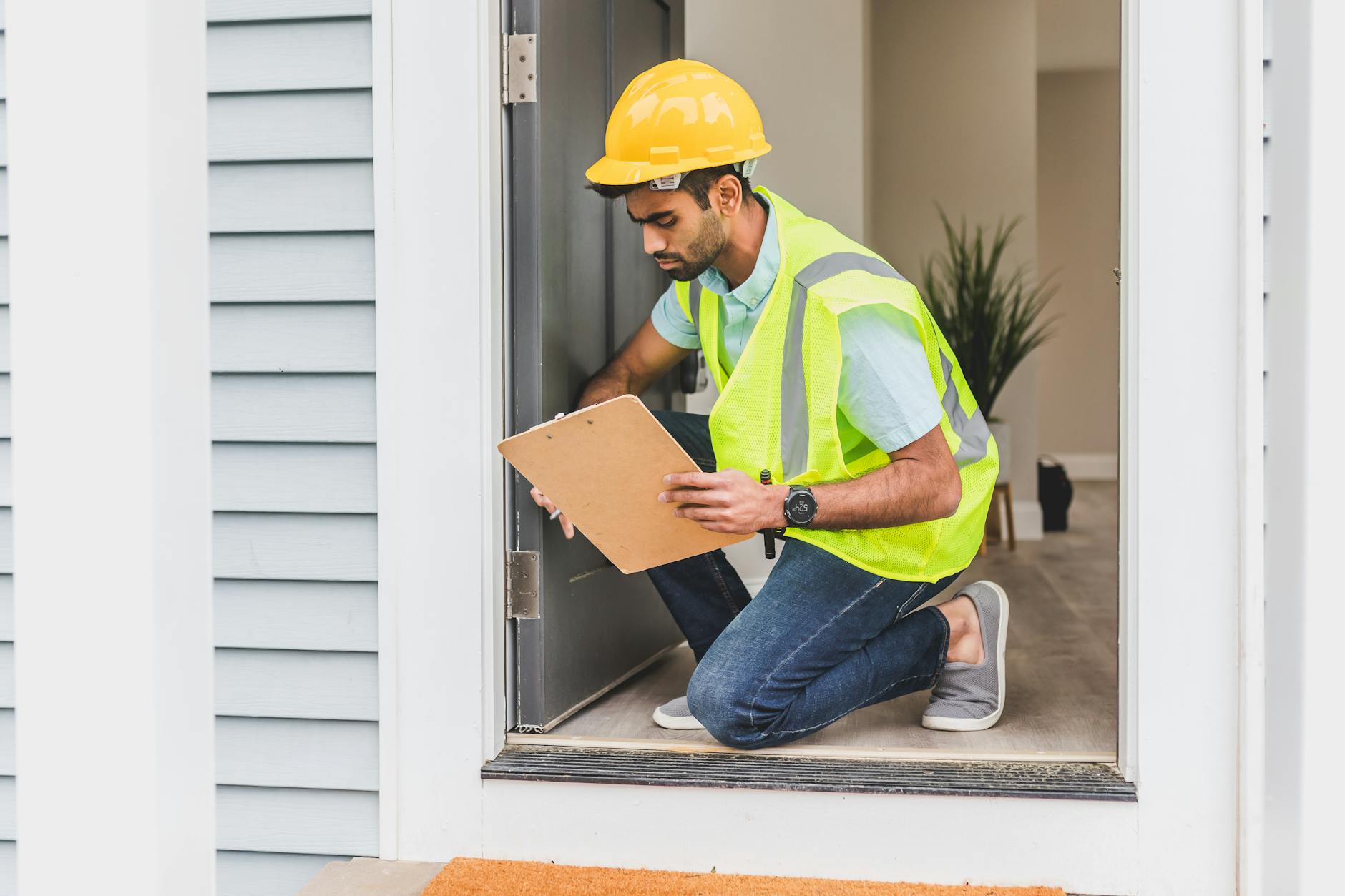
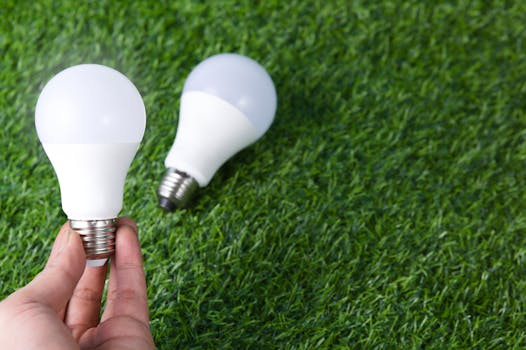 Photo: Riki Risnandar / Pexels
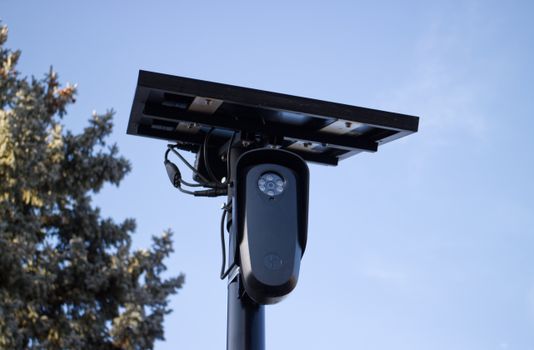 Photo: Will Freeman / Pexels
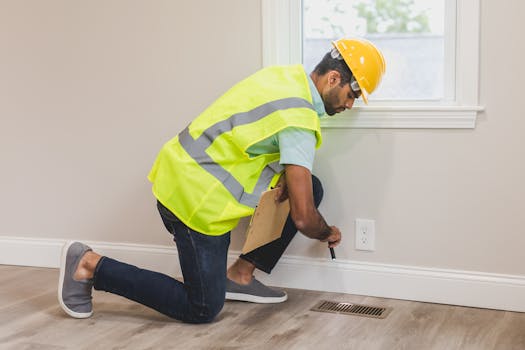 Photo: RDNE Stock project / Pexels
 Photo: Riki Risnandar / Pexels