✓ Heating and cooling account for over half of a typical U.S. home's energy consumption.
✓ Sealing air leaks can save 10-20% on heating and cooling costs.
✓ Upgrading to ENERGY STAR certified appliances can save hundreds of dollars over their lifespan.
✓ Smart thermostats can reduce energy use by 10-12% for heating and 15% for cooling.
How It Works
1
Assess Your Current Usage
Begin by understanding where your energy is going. Review past utility bills or conduct a DIY home energy audit to identify major consumption areas.
2
Prioritize High-Impact Changes
Focus on improvements that offer the best return on investment. Often, these involve insulation, sealing leaks, or upgrading old appliances.
3
Implement Solutions Systematically
Tackle changes step-by-step, starting with the easiest and most affordable. This ensures consistent progress without overwhelming yourself.
4
Monitor and Adjust
Regularly check your energy consumption after implementing changes. Fine-tune your habits and systems to maximize efficiency and savings over time.
Mastering Your Home's Thermal Envelope: Insulation and Air Sealing
Photo: Erik Mclean / Pexels
The thermal envelope of your home is its first line of defense against energy loss, acting as a barrier between conditioned indoor air and the outside world. A well-maintained thermal envelope is arguably the most critical aspect of achieving genuine home energy efficiency. Understanding and optimizing this envelope involves two primary components: insulation and air sealing. Insulation, whether in your attic, walls, or crawl space, slows the transfer of heat. In winter, it keeps warmth inside; in summer, it keeps heat out. Different types of insulation, such as fiberglass, cellulose, spray foam, and rigid foam boards, offer varying R-values (a measure of thermal resistance) and are suited for different applications. For instance, blown-in cellulose or fiberglass is excellent for attics, while spray foam can provide both insulation and an air seal in wall cavities. The U.S. Department of Energy provides recommended R-values based on your climate zone, which is a crucial reference point for homeowners in the US.
Beyond insulation, air sealing is equally, if not more, important. Cracks, gaps, and penetrations in your home's structure allow conditioned air to escape and unconditioned air to enter, leading to significant energy waste. These leaks are often found around windows and doors, plumbing and electrical penetrations, attic hatches, and the rim joist in basements or crawl spaces. Simple DIY fixes like caulking and weatherstripping can address many of these smaller leaks. For larger gaps, expanding foam sealants are highly effective. A professional home energy audit often includes a blower door test, which depressurizes your home to pinpoint exactly where air leaks are occurring, offering a precise roadmap for sealing efforts. By addressing both insulation deficiencies and air leaks, you create a robust thermal barrier that dramatically reduces the workload on your heating and cooling systems, translating directly into lower utility bills and a more comfortable living environment. Neglecting either of these aspects means your HVAC system will constantly fight against the elements, leading to higher energy consumption and premature wear. Prioritizing these foundational improvements provides the bedrock for all other energy-saving strategies, ensuring that the warm or cool air you pay for stays precisely where you want it – inside your home.
Optimizing HVAC Systems for Peak Performance and Energy Savings
Photo: Tayssir Kadamany / Pexels
Your Heating, Ventilation, and Air Conditioning (HVAC) system is likely the largest energy consumer in your home, often accounting for more than half of your total energy bill. Therefore, optimizing its performance is paramount to achieving significant energy efficiency. Regular maintenance is the cornerstone of an efficient HVAC system. This includes changing air filters monthly (or every 3 months for less active households), as dirty filters restrict airflow and force your system to work harder, consuming more energy and potentially shortening its lifespan. Annual professional tune-ups are also crucial. Technicians can clean coils, check refrigerant levels, inspect electrical components, and ensure all parts are functioning optimally. These routine checks can prevent costly breakdowns and ensure your system operates at peak efficiency.
Beyond maintenance, consider the age and efficiency rating of your unit. If your HVAC system is more than 10-15 years old, it's likely far less efficient than modern ENERGY STAR certified models. While the upfront cost of replacement can be substantial, the long-term savings on utility bills, coupled with potential rebates and incentives, often make it a worthwhile investment. Look for systems with high Seasonal Energy Efficiency Ratio (SEER) for air conditioners and heat pumps, and Annual Fuel Utilization Efficiency (AFUE) for furnaces. Smart thermostats offer another powerful layer of optimization. These devices learn your schedule and preferences, automatically adjusting temperatures to save energy when you're away or asleep. Many can be controlled remotely via smartphone, allowing you to fine-tune your home's climate from anywhere. Programming your thermostat to reduce heating or cooling by 7-10 degrees Fahrenheit for eight hours a day can save up to 10% on your annual energy bill. Finally, ensure your ductwork is properly sealed and insulated. Leaky ducts can lose 20-30% of the air moving through them before it even reaches your living spaces, a significant waste of energy. Addressing these aspects of your HVAC system can lead to substantial and sustained energy savings.
Smart Appliance Choices and Lighting Upgrades for Modern Homes
Photo: Tima Miroshnichenko / Pexels
In the quest for comprehensive energy efficiency, focusing on your home's appliances and lighting can yield surprisingly significant results. While often overlooked in favor of larger projects like insulation or HVAC, these smaller, everyday energy consumers add up. When purchasing new appliances, always look for the ENERGY STAR label. This certification indicates that a product meets strict energy efficiency guidelines set by the U.S. Environmental Protection Agency and Department of Energy. ENERGY STAR certified refrigerators, dishwashers, washing machines, and dryers use significantly less energy and water than standard models, translating into measurable savings over their lifespan. For instance, an ENERGY STAR certified washing machine uses about 25% less energy and 33% less water than conventional models, offering substantial environmental and financial benefits. Similarly, an ENERGY STAR certified refrigerator uses about 9% less energy than a non-certified model, which can save you around $200 over its 12-year lifetime.
Beyond just purchasing efficient models, how you use your appliances also matters. For example, running your dishwasher only when full, using the air-dry setting, and avoiding the heated dry cycle can save energy. For laundry, washing clothes in cold water whenever possible drastically reduces the energy needed for water heating, which is a major energy consumer. Air-drying clothes on a line or drying rack is another excellent, zero-energy alternative to using a dryer. Unplugging 'phantom loads' or 'vampire electronics' is another simple yet effective habit. Many electronics, such as TVs, phone chargers, and computers, continue to draw small amounts of power even when turned off or in standby mode. Using power strips with on/off switches allows you to easily cut power to multiple devices simultaneously, eliminating this wasted energy. A single power strip can save you up to $100 per year.
Lighting is another area ripe for efficiency improvements. If you're still using incandescent bulbs, switching to LED (Light Emitting Diode) lighting is one of the quickest and most cost-effective upgrades you can make. LEDs consume up to 90% less energy than traditional incandescent bulbs and last 15 to 25 times longer. While the initial cost of LEDs might be higher, their longevity and dramatic energy savings quickly offset the investment. A single LED bulb can save you about $75 in electricity costs over its lifetime compared to an incandescent bulb. Incorporating smart lighting systems can further enhance savings by allowing you to control lights remotely, set schedules, and even dim them, reducing energy consumption and extending bulb life. Maximizing natural daylight by opening blinds and curtains during the day also reduces the need for artificial lighting, contributing to a brighter, more energy-efficient home. These collective efforts in appliance and lighting choices, coupled with mindful usage, form a crucial part of a comprehensive sustainable home living strategy.
Essential Energy-Saving Habits and Water Heating Efficiency
Photo: freestocks.org / Pexels
While major upgrades offer significant returns, cultivating energy-saving habits and optimizing your water heating system are equally important for holistic home energy efficiency. Small behavioral changes, when consistently applied, can collectively lead to substantial savings. For instance, adjusting your thermostat by just a few degrees can make a big difference: lowering it by 7-10 degrees Fahrenheit for 8 hours a day in winter (e.g., when you're at work or sleeping) can save up to 10% on your heating bill. Similarly, raising it in summer can reduce cooling costs. Utilizing natural ventilation by opening windows on cooler evenings and closing them during the hottest parts of the day can help regulate indoor temperatures without relying on air conditioning. Maximizing natural light also reduces the need for artificial lighting during the day. Consider installing motion sensors or timers for outdoor and infrequently used indoor lights.
Water heating is another significant energy consumer, often accounting for 14-18% of a typical household's utility bill. There are several ways to improve its efficiency. First, lower your water heater's thermostat to 120°F (from the common factory setting of 140°F). This temperature is usually sufficient for most household needs, prevents scalding, and reduces standby heat loss. For every 10-degree reduction, you can save 3-5% on water heating costs. Insulating your water heater tank, especially if it's older and not well-insulated, can save 7-16% annually on water heating. You can also insulate the first six feet of hot and cold water pipes connected to the heater to reduce heat loss as water travels. Additionally, practicing water-saving habits like taking shorter showers, fixing leaky faucets, and installing low-flow showerheads and aerators on faucets directly reduces the demand on your water heater. If your water heater is old (over 10-15 years), consider upgrading to a more efficient model like a tankless water heater or a heat pump water heater, which can offer significant long-term savings. Tankless heaters heat water only on demand, eliminating standby losses, while heat pump water heaters use electricity to move heat from one place to another instead of generating heat directly, making them 2-3 times more energy efficient than conventional storage water heaters.
Comparison
Efficiency Measure
Initial Cost (Avg. US)
Annual Savings (Avg. US)
Ease of Implementation
LED Lighting Upgrade
$5-$20 per bulb
$75/bulb lifetime
Very Easy
Programmable/Smart Thermostat
$50-$250
$50-$150
Easy
Air Sealing (DIY)
$20-$200
$100-$300
Medium
Attic Insulation Upgrade
$1,000-$2,500
$200-$400
Medium-Hard (Pro)
ENERGY STAR Appliances
Varies by appliance
$50-$150/appliance
Easy (during replacement)
HVAC System Replacement
$3,000-$10,000+
$300-$1,000+
Hard (Pro)
What Readers Say
★★★★★
"Applying these energy efficiency tips for homes has been a game-changer. Our AC bill used to be outrageous, but after sealing leaks and getting a smart thermostat, we've seen a consistent 20% drop. Highly recommend prioritizing insulation!"
Sarah J. · Austin, TX
★★★★★
"The advice on water heater settings and pipe insulation was fantastic. It was an easy weekend project, and I've already noticed a difference in our hot water availability and our gas bill. Every little bit truly helps."
Mark D. · Denver, CO
★★★★★
"After reading these energy efficiency tips for homes, I replaced all our old incandescent bulbs with LEDs. Our electricity usage dropped by nearly 15% overnight, and the light quality is so much better. A simple change with a big impact."
Emily R. · Seattle, WA
★★★★★
"While some of the bigger projects are still on my list, the tips on smart appliance usage and unplugging 'vampire' electronics have already saved us a noticeable amount. It's great to have actionable steps I can take right away."
David L. · Miami, FL
★★★★★
"We followed the guidance on annual HVAC maintenance and air sealing around windows, and our home feels so much more comfortable now. No more cold drafts, and our heating bill this winter was significantly lower than last year's."
Jessica M. · Chicago, IL
Frequently Asked Questions
What are the most impactful energy efficiency tips for homes to start with?
The most impactful tips usually involve improving your home's thermal envelope (insulation and air sealing) and optimizing your HVAC system. These areas account for the largest portion of home energy consumption, so improvements here yield the biggest savings. Starting with a home energy audit can pinpoint your specific areas of greatest need.
Is it really worth investing in expensive energy-efficient upgrades?
Yes, in most cases, it is. While the initial cost can be high, energy-efficient upgrades like new HVAC systems, better insulation, or ENERGY STAR appliances offer significant long-term savings on utility bills, increase home comfort, and often boost property value. Many come with rebates, tax credits, or financing options to help offset the upfront expense.
How can I easily check for air leaks in my home?
You can perform a simple DIY check by holding a lit incense stick or a damp hand around windows, doors, electrical outlets, and plumbing penetrations on a windy day. If the smoke wavers or you feel a draft, you've found a leak. For more thorough detection, consider a professional home energy audit with a blower door test.
What's the ideal thermostat setting for saving energy in winter and summer?
In winter, aim for 68°F (20°C) when home and awake, and lower it to 60-62°F (15-17°C) when asleep or away. In summer, set it to 78°F (26°C) when home and awake, and higher when away. Every degree you adjust can save 1-3% on your energy bill, so finding a comfortable yet efficient balance is key.
Are smart thermostats truly effective for energy savings compared to programmable ones?
Smart thermostats generally offer greater savings than basic programmable ones because they learn your habits, can be controlled remotely, and often integrate with weather forecasts to optimize settings. This 'learning' capability and remote access allow for more dynamic and precise energy management, potentially saving 10-15% on heating and cooling costs.
Who should prioritize these energy efficiency tips for homes?
Anyone looking to reduce their utility bills, minimize their environmental footprint, increase their home's comfort, or improve its resale value should prioritize these tips. Homeowners with older homes, high energy bills, or drafty living spaces will see the most immediate and significant benefits.
Are there any health risks associated with making my home too air-tight?
While air sealing is crucial for energy efficiency, making a home too air-tight without proper ventilation can lead to indoor air quality issues, such as increased humidity and accumulation of pollutants. Modern energy-efficient homes often incorporate controlled ventilation systems (like ERVs or HRVs) to ensure fresh air circulation while minimizing energy loss, mitigating any potential risks.
What are the future trends in home energy efficiency?
Future trends include widespread adoption of net-zero energy homes, advanced smart home automation that integrates all energy-consuming systems, grid-interactive efficient buildings that optimize energy use based on grid demand, and increased reliance on renewable energy sources like solar, coupled with advanced battery storage solutions.
Embrace these energy efficiency tips for homes and transform your living space into a haven of comfort, savings, and sustainability. Start with small changes today and watch your utility bills shrink while your positive impact on the environment grows. Your home and your wallet will thank you.
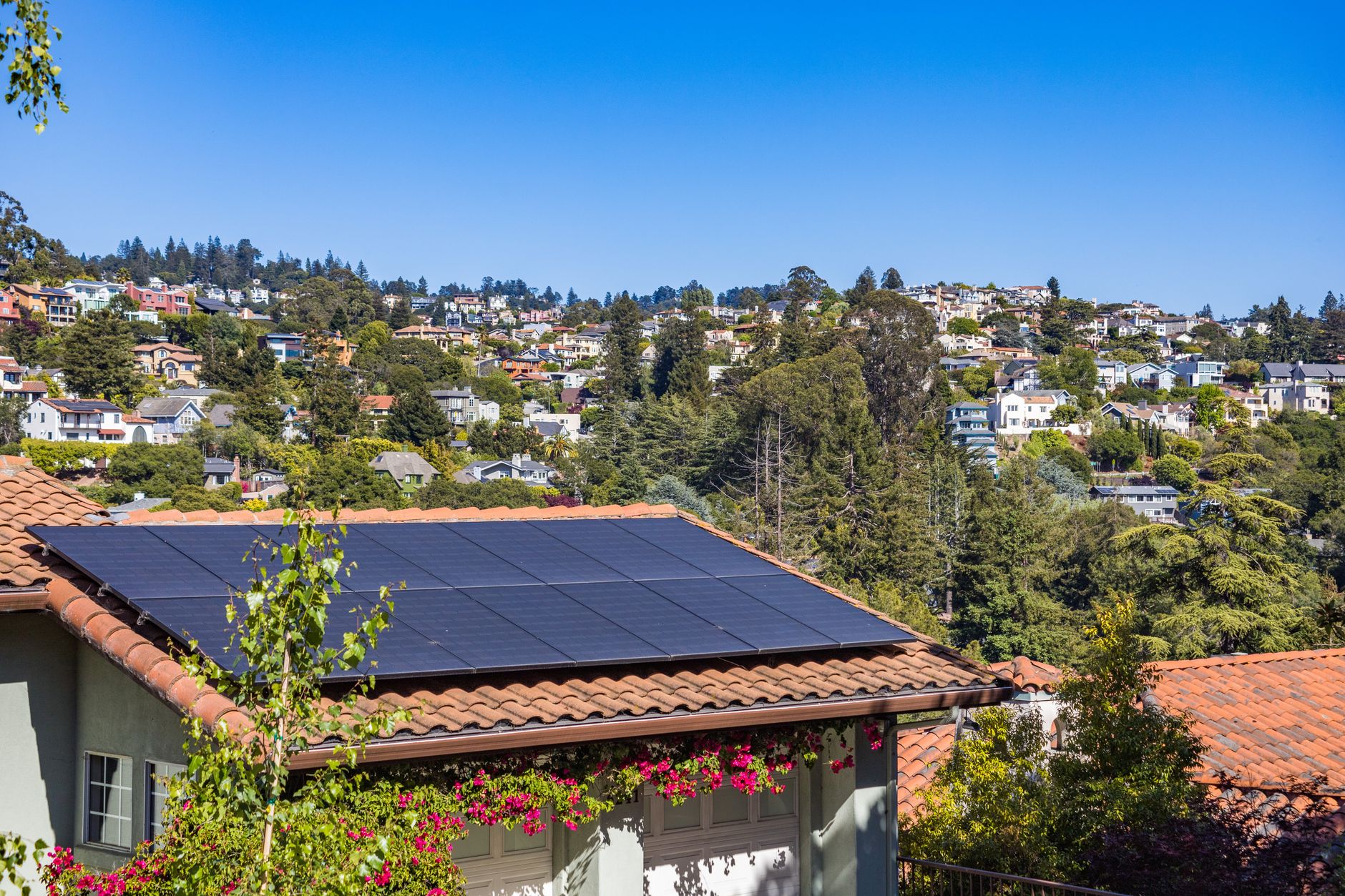
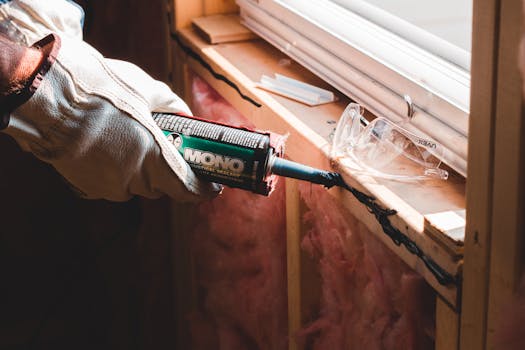 Photo: Erik Mclean / Pexels
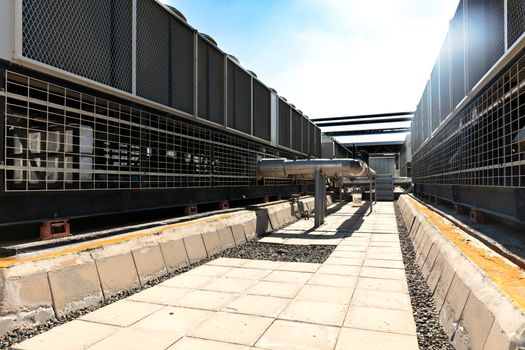 Photo: Tayssir Kadamany / Pexels
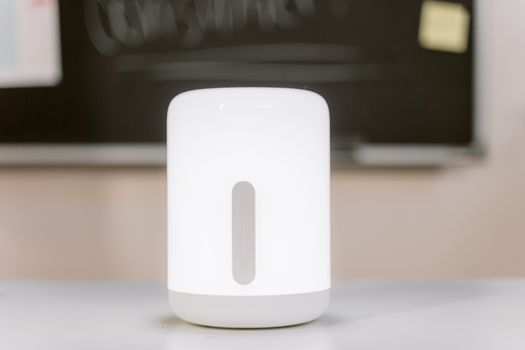 Photo: Tima Miroshnichenko / Pexels
 Photo: freestocks.org / Pexels