Find Your Home Energy Audit Near Me: Save Big & Boost Comfort
August 26, 2026 16 min read 3,141 words
Unlock significant savings on your utility bills and make your home more comfortable with a professional energy assessment.
Find an Auditor Now
Understanding the Value of a Home Energy Audit Near Me
 Photo: Riki Risnandar / Pexels
In today's world, where energy costs seem to be constantly on the rise, understanding and optimizing your home's energy consumption is no longer a luxury – it's a necessity. A professional home energy audit near me provides an invaluable roadmap to achieving significant savings, enhancing comfort, and even increasing your property's value. But what exactly does an energy audit entail, and why is it so crucial for homeowners? At its core, a home energy audit is a comprehensive evaluation of your home's energy performance. It's not just about looking at your utility bills; it's about diagnosing the root causes of energy waste, identifying areas where your home is losing heat in the winter or cool air in the summer, and pinpointing inefficient appliances or systems. Think of it as a thorough health check-up for your house, specifically focused on its energy metabolism.
The process typically begins with an assessment of your energy bills from the past 12-24 months. This historical data provides the auditor with a baseline understanding of your consumption patterns and helps to identify peak usage times. Following this, the auditor conducts a visual inspection of your home, examining insulation levels in attics, walls, and crawl spaces, checking windows and doors for drafts, and evaluating the condition and efficiency of your heating, ventilation, and air conditioning (HVAC) systems. However, the real magic of a professional audit lies in the use of specialized diagnostic tools. A blower door test, for instance, depressurizes your home to exaggerate air leaks, making them easier to detect and quantify. An infrared camera can reveal hidden thermal bridges, missing insulation, and cold spots that are invisible to the naked eye. These tools provide objective, data-driven insights that a simple walkthrough cannot. The auditor will also inspect your water heater, lighting, and major appliances, offering recommendations for more energy-efficient alternatives or usage patterns. They'll look for opportunities to seal air leaks in ductwork, around plumbing penetrations, and at the foundation. They might even assess your home's overall ventilation strategy to ensure healthy indoor air quality while minimizing energy loss. The goal is not just to find problems but to offer practical, cost-effective solutions tailored to your specific home and budget. The resulting report is a detailed action plan, prioritizing improvements based on their potential for energy savings and return on investment. It empowers you to make informed decisions about upgrades, from simple DIY fixes like weatherstripping to larger projects like insulation upgrades or HVAC replacements. By proactively seeking a
home energy audit, you're not just saving money; you're investing in a more comfortable, healthier, and sustainable living environment for yourself and your family. The benefits extend beyond your wallet, contributing to a reduced carbon footprint and a more resilient home. It's a foundational step towards true energy independence and long-term home value. Don't underestimate the power of a professional assessment to transform your home's energy profile.
What to Expect During a Comprehensive Energy Efficiency Assessment
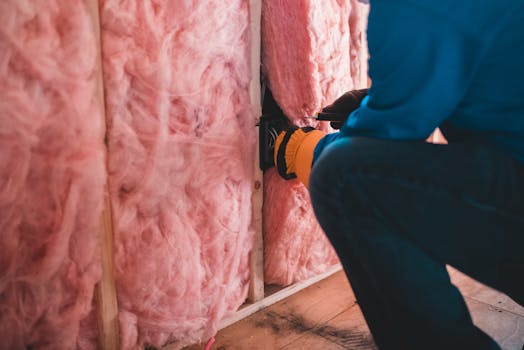 Photo: Erik Mclean / Pexels
When you schedule a home energy audit near me, you're investing in a detailed examination designed to uncover every potential source of energy waste in your property. Understanding what happens during this comprehensive assessment can help you prepare and maximize its value. The audit process is typically thorough, employing a combination of visual inspection, diagnostic testing, and expert analysis.
Upon arrival, the energy auditor will likely begin with an interview. They'll ask about your specific concerns, such as drafty rooms, high utility bills, or inconsistent temperatures. This initial conversation helps them focus their investigation. They'll also review your past utility bills, if available, to understand your historical energy consumption patterns. This data provides a crucial baseline for measuring future improvements.
The visual inspection phase is extensive. The auditor will walk through your entire home, from the basement or crawl space to the attic. They'll examine insulation levels, looking for gaps, compression, or areas where it's insufficient. They'll check windows and doors for proper sealing, identifying visible cracks or worn weatherstripping. Air ducts will be inspected for leaks, disconnections, or inadequate insulation. The auditor will also assess your heating and cooling equipment, including furnaces, boilers, air conditioners, and water heaters, noting their age, condition, and efficiency ratings. They'll look at lighting fixtures and major appliances to see if more energy-efficient options are available or if current usage can be optimized.
Next comes the diagnostic testing, which is where the science truly comes into play. The most common and impactful test is the **blower door test**. This involves mounting a powerful fan into an exterior doorway to depressurize the house. As air is pulled out, outside air is drawn in through every leak and crack in the building envelope. The auditor uses a smoke pencil or thermal camera to pinpoint these leaks, which can be in unexpected places like electrical outlets, plumbing penetrations, or attic hatches. This test provides a quantifiable measure of your home's airtightness, which is a major factor in energy loss.
Another critical tool is the **infrared camera** (also known as a thermal imaging camera). This device detects temperature differences on surfaces, revealing areas of inadequate insulation, air leakage, and moisture problems that are invisible to the naked eye. For example, a cold spot on an interior wall on a warm day could indicate missing insulation, while a warm spot on a ceiling in winter might point to air leakage from an unconditioned attic space. These images provide compelling visual evidence of energy deficiencies.
The auditor may also perform **duct leakage testing** to ensure your HVAC system is delivering conditioned air efficiently to all rooms. Leaky ducts can significantly reduce the effectiveness of your heating and cooling, as conditioned air escapes into unconditioned spaces like attics or basements. Combustion safety tests for gas-fired appliances are also common to ensure they are operating safely and efficiently, preventing the release of harmful gases like carbon monoxide.
Finally, the auditor will compile all their findings into a comprehensive report. This report will detail the identified energy inefficiencies, prioritize recommended improvements based on their cost-effectiveness and potential savings, and often include estimated costs for these upgrades. It may also provide information on available rebates, incentives, or financing options. This detailed roadmap empowers you to make informed decisions about your home's energy future, ensuring that every dollar you invest in upgrades yields maximum returns in comfort and savings. It's about turning complex data into actionable steps for a more efficient home.
Maximizing Your Home Energy Savings and Comfort Post-Audit
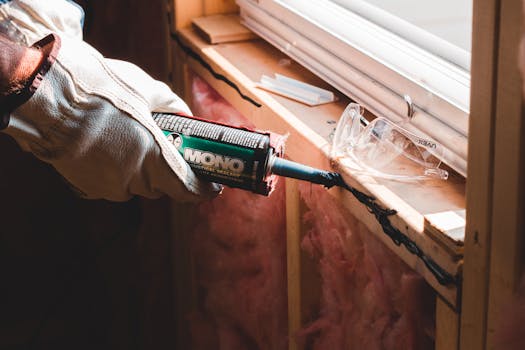 Photo: Erik Mclean / Pexels
Once you've received your comprehensive report from a home energy audit near me, the real work—and the real savings—begin. The audit is merely the diagnostic step; implementing the recommendations is where you unlock the full potential of a more energy-efficient and comfortable home. The auditor's report will typically prioritize improvements, helping you decide where to focus your efforts for the greatest return on investment (ROI). It’s crucial to approach these recommendations strategically, considering both immediate impacts and long-term benefits.
Often, the most cost-effective improvements are related to **air sealing and insulation**. Air leaks, which were likely identified by the blower door test, can account for a significant portion of your energy loss. Simple fixes like caulking and weatherstripping around windows, doors, and utility penetrations can make a substantial difference. Sealing larger gaps in your attic, around plumbing stacks, and electrical wires can prevent conditioned air from escaping and unconditioned air from entering. Improving insulation in your attic, walls, and crawl spaces is another high-impact upgrade. Proper insulation acts as a barrier to heat transfer, keeping your home warmer in winter and cooler in summer, thereby reducing the workload on your HVAC system. The report might specify target R-values for different areas of your home, aligning with local climate recommendations.
Next, consider your **HVAC system**. The audit will have assessed its efficiency and condition. If your furnace or air conditioner is old and inefficient, replacing it with a new, ENERGY STAR® certified model can lead to substantial savings. However, even without replacement, optimizing your existing system can help. This includes regular maintenance, such as cleaning or replacing filters, sealing leaky ductwork, and ensuring proper refrigerant levels. Programmable or smart thermostats are also excellent tools for managing your HVAC system more efficiently, allowing you to set schedules that align with your occupancy and preferences, further reducing energy waste when you're away or asleep.
**Water heating** is another significant energy consumer. The audit may recommend insulating your water heater tank and pipes, lowering the thermostat setting, or even upgrading to a more efficient model like a tankless or heat pump water heater. These changes can dramatically reduce the energy needed to heat water for your daily needs. Furthermore, don't overlook the impact of **lighting and appliances**. Replacing incandescent bulbs with LED alternatives is a straightforward and highly effective way to reduce electricity consumption. When purchasing new appliances, always look for the ENERGY STAR® label, which signifies superior energy efficiency. The report might also suggest behavioral changes, such as running dishwashers and washing machines only when full, or unplugging 'vampire' electronics that draw power even when turned off.
Finally, explore available **rebates and incentives**. Many utility companies, state programs, and the federal government offer financial assistance for energy efficiency upgrades. Your auditor might have mentioned these in their report, or you can research them independently. These incentives can significantly offset the upfront costs of improvements, making them even more attractive. By systematically addressing the recommendations from your home energy audit, you're not just lowering your utility bills; you're creating a healthier, more comfortable living space and contributing to a more sustainable future. It's an investment that pays dividends in both tangible savings and improved quality of life. For more insights on general
energy-saving tips, consult additional resources.
Common Mistakes to Avoid When Getting a Home Energy Audit
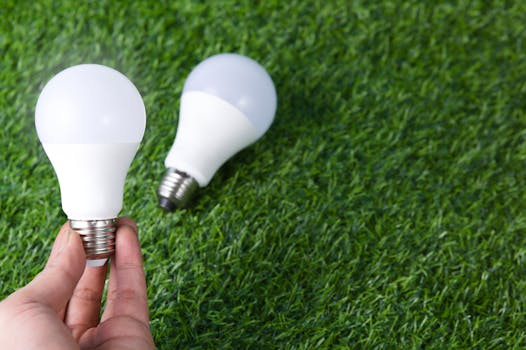 Photo: Riki Risnandar / Pexels
Embarking on a home energy audit near me is a smart move, but there are common pitfalls that can diminish its value or lead to missed opportunities. Being aware of these mistakes can help you get the most out of your investment and ensure effective energy savings.
**1. Not Preparing Your Home:** A common oversight is failing to prepare your home for the auditor. While they are professionals, a clear path to all areas (attic, basement, utility closet) saves time and allows for a more thorough inspection. Remove clutter, ensure access to HVAC systems and water heaters, and be ready to discuss any specific concerns you have. If the auditor has to spend time clearing pathways, they might miss critical details or rush through parts of the assessment.
**2. Not Sharing Your Energy Concerns:** Don't assume the auditor will automatically know your pain points. Actively communicate specific issues you've noticed, such as unusually high bills in certain months, drafty rooms, or inconsistent heating/cooling. This information helps the auditor focus their investigation and tailor recommendations to your specific needs and priorities.
**3. Choosing an Uncertified Auditor:** Not all energy auditors are created equal. Ensure the professional you hire is certified by a reputable organization such as the Building Performance Institute (BPI) or RESNET. Certification guarantees they have the necessary training, knowledge, and tools to conduct a thorough and accurate assessment. Uncertified individuals might offer superficial advice that doesn't address underlying issues.
**4. Ignoring the Report's Recommendations:** The audit report is your roadmap to savings. A significant mistake is to pay for the audit and then not act on its findings. The report prioritizes improvements by cost-effectiveness and potential savings. Start with the high-impact, low-cost recommendations first to see immediate results and build momentum for larger projects.
**5. Focusing Only on One Aspect (e.g., Windows):** Homeowners often assume windows are the biggest energy drain. While important, they are rarely the primary culprit. Air leaks in the attic, walls, and ductwork, or inadequate insulation, are often far more impactful. A comprehensive audit will reveal the true energy hogs, preventing you from overspending on less effective upgrades.
**6. Not Researching Incentives and Rebates:** Many utility companies, local governments, and federal programs offer rebates, tax credits, or low-interest loans for energy efficiency upgrades. Failing to research and apply for these can mean leaving significant money on the table, making your upgrades more expensive than necessary.
**7. Not Getting Multiple Quotes for Upgrades:** The audit report provides recommendations, but it's crucial to get several quotes from qualified contractors for any recommended upgrades. This ensures you're getting competitive pricing and a fair assessment of the work required.
**8. Expecting Instant, Drastic Results Without Effort:** While energy audits identify significant savings potential, realizing those savings often requires implementing changes, both physical and behavioral. Don't expect your bills to plummet overnight if you don't follow through with the recommended upgrades or adjust your energy habits.
By avoiding these common mistakes, you can ensure your home energy audit is a valuable and effective step towards a more energy-efficient and comfortable home.
