✓ Geothermal energy harnesses Earth's internal heat for power.
✓ It offers consistent, baseload power, unlike intermittent renewables.
✓ Initial installation costs are high but can be offset by long-term savings.
✓ Geothermal systems have a small land footprint compared to other power plants.
How It Works
1
Heat Source
Deep within the Earth, decaying radioactive elements and residual heat from planetary formation create immense thermal energy. This heat is continuously replenished, making it a sustainable resource.
2
Fluid Circulation
In conventional geothermal power plants, wells are drilled into underground reservoirs of hot water or steam. This superheated fluid is then brought to the surface.
3
Power Generation
The hot fluid's steam or heat is used to spin turbines, which are connected to generators. These generators then produce electricity that is fed into the grid.
4
Reinjection
After energy extraction, the cooled fluid is typically reinjected back into the Earth. This process helps to replenish the reservoir and maintain its pressure, ensuring long-term viability.
Unpacking the Geothermal Energy Pros: A Sustainable Advantage
Photo: Budget Bizar / Pexels
Geothermal energy represents a significant leap forward in our quest for sustainable power. Derived from the Earth's internal heat, it offers a consistent and reliable energy source that stands apart from many other renewables. One of its most compelling advantages is its unwavering reliability. Unlike solar or wind power, which are dependent on weather conditions, geothermal plants can operate 24/7, providing a stable 'baseload' power supply that is crucial for maintaining grid stability. This constant availability makes it an incredibly attractive option for regions seeking to reduce their reliance on fossil fuels and ensure a steady energy flow. Discover more about renewable energy benefits and how geothermal fits in.
Beyond reliability, geothermal energy boasts an impressive environmental profile. It produces significantly lower greenhouse gas emissions compared to fossil fuel-fired power plants, often emitting only steam or negligible amounts of CO2. This drastically reduces its contribution to climate change and air pollution, offering cleaner air and a healthier environment for communities. Furthermore, geothermal systems, particularly ground-source heat pumps used for heating and cooling, dramatically reduce a building's energy consumption by leveraging the stable underground temperatures. This translates into substantial long-term savings on utility bills for homeowners and businesses alike, making it an economically smart choice over the lifespan of the system. The efficiency of these systems is remarkable; for every unit of electricity used to run the pump, three to four units of heat are transferred.
Another often-overlooked pro is the minimal land footprint required for geothermal power plants. While drilling and initial infrastructure can be intensive, the operational footprint is relatively small compared to large-scale solar farms or wind turbine installations, which can span vast areas. This makes it an ideal solution for areas with limited available land. Moreover, the technology is highly adaptable, ranging from large-scale power generation to residential heating and cooling systems, showcasing its versatility. Its independence from external fuel sources means less vulnerability to price fluctuations in global energy markets, providing energy security and predictable operational costs. This economic stability is a major draw for investors and policymakers looking to build resilient energy infrastructures. The continuous nature of the resource also means that, unlike finite fossil fuels, the Earth's heat is practically inexhaustible on a human timescale, cementing its status as a truly sustainable energy solution for future generations. The innovative engineering behind these systems ensures that the heat extracted can be replenished naturally, maintaining the geothermal reservoir's capacity for decades.
Addressing the Geothermal Energy Cons: Navigating the Challenges
Photo: Павел Хлыстунов / Pexels
While the benefits of geothermal energy are substantial, it's equally important to examine the geothermal energy pros cons with a critical eye, acknowledging its inherent challenges. One of the most significant hurdles is the high upfront cost of installation. Drilling deep wells for power plants or even shallower loops for residential heat pumps requires specialized equipment and expertise, leading to considerable initial investment. For large-scale power projects, these costs can run into hundreds of millions of dollars, making financing a complex endeavor. Even for a homeowner, a ground-source heat pump system can cost tens of thousands, although federal and state incentives can help mitigate this. This high capital outlay is often a barrier to entry, particularly for developing regions or individuals with limited access to capital.
Geographical limitations also pose a significant constraint. Geothermal resources are not evenly distributed across the globe or even within the United States. The most economically viable and high-temperature geothermal reservoirs are typically found in tectonically active regions, such as the Western US (California, Nevada, Oregon) where volcanic activity or hot springs are prevalent. While lower-temperature resources suitable for direct use or heat pumps are more widespread, the potential for large-scale electricity generation is confined to specific areas. This means that many regions simply do not have access to the most productive geothermal sites, limiting its widespread adoption as a primary energy source.
Environmental concerns, though generally minor compared to fossil fuels, are still present. The drilling process can sometimes trigger minor seismic activity, particularly in areas already prone to earthquakes. While these are usually small and localized, they can be a concern for nearby communities. Additionally, the fluids extracted from underground reservoirs can contain dissolved minerals and gases, including hydrogen sulfide (a rotten egg smell) and trace amounts of heavy metals. While these are typically reinjected back into the Earth, there's a need for careful management to prevent surface or groundwater contamination. Furthermore, the efficiency of a geothermal system can degrade if the heat is extracted faster than it can be replenished, leading to a phenomenon known as 'thermal drawdown.' Proper resource management and monitoring are crucial to ensure the long-term sustainability of a geothermal field.
Finally, the development of geothermal projects often faces regulatory complexities and lengthy permitting processes. Securing drilling rights, conducting environmental impact assessments, and navigating various local, state, and federal regulations can add significant time and cost to project development. This bureaucratic red tape can deter potential investors and slow down the deployment of this valuable renewable energy technology. Overcoming these challenges requires continued research and development, supportive government policies, and innovative financing mechanisms to make geothermal energy more accessible and competitive.
Geothermal Power in the US: Potential, Progress, and Policy
Photo: Yuan / Pexels
The United States is a global leader in geothermal energy production, primarily concentrated in the Western states. Regions like California, Nevada, and Utah boast significant geothermal resources, with 'The Geysers' in California being the largest complex of geothermal power plants in the world. This geographical advantage positions the US to harness a substantial portion of its energy needs from beneath its surface. The Department of Energy (DOE) actively supports research and development in geothermal technologies, aiming to reduce costs and expand the viable resource base. Initiatives like the Enhanced Geothermal Systems (EGS) program seek to unlock geothermal potential in areas where conventional hydrothermal resources are not readily available, by creating or enhancing fractured rock reservoirs at depth. This innovative approach could dramatically expand the regions where geothermal energy is economically feasible, moving beyond the traditional hotspots. Learn more about sustainable energy solutions and their role in the US energy landscape.
Policy support plays a crucial role in the growth of geothermal energy. Federal tax credits, such as the Investment Tax Credit (ITC), have been instrumental in making geothermal power plants and residential heat pump installations more financially attractive. Many states also offer their own incentives, including rebates, property tax exemptions, and streamlined permitting processes, further encouraging adoption. Renewable Portfolio Standards (RPS) in various states mandate a certain percentage of electricity to come from renewable sources, and geothermal often counts towards these targets, providing a stable market for its development. However, inconsistent policy frameworks and the expiration of tax credits can create uncertainty for investors, highlighting the need for long-term, stable policy commitments.
Despite the progress, the geothermal sector still faces challenges in scaling up. Competing with cheaper natural gas and the rapidly falling costs of solar and wind power requires continued innovation to drive down geothermal's levelized cost of electricity. Workforce development is another critical aspect; as the industry grows, there's an increasing demand for skilled engineers, geologists, drillers, and technicians. Educational institutions and vocational training programs are adapting to meet this need, but a coordinated effort is essential to ensure a robust talent pipeline. Furthermore, public awareness and understanding of geothermal technology need to increase. While many are familiar with solar and wind, geothermal often remains less understood, which can impact public and political support. Educational campaigns highlighting the geothermal energy pros cons and its unique benefits are vital for broader acceptance and investment.
Looking ahead, the future of geothermal in the US is bright, with significant untapped potential. Advances in drilling technology, seismic imaging, and reservoir engineering are continuously improving the efficiency and reducing the risks associated with geothermal development. Small modular geothermal plants and co-production of minerals from geothermal brines are emerging innovations that could further diversify the industry. By addressing the technical, economic, and policy challenges, the US can continue to leverage its abundant geothermal resources to build a more resilient, sustainable, and independent energy future, contributing significantly to national energy security and climate goals. The ongoing commitment to research and strategic investment will be key to unlocking this full potential.
Maximizing Geothermal Benefits: Smart Tips & Common Mistakes
Photo: David Elvar Masson / Pexels
Embracing geothermal energy, whether for a power plant or a residential heat pump, requires careful planning to maximize its benefits and avoid common pitfalls. Here are some smart tips and mistakes to steer clear of:
**Smart Tips for Geothermal Success:**
* **Thorough Site Assessment:** Before any installation, conduct a comprehensive geological survey for power plants or a detailed soil analysis for heat pumps. Understanding the specific ground conditions, temperature gradients, and rock formations is crucial for optimal system design and efficiency.
* **Invest in Quality Design & Installation:** Geothermal systems are long-term investments. Opt for experienced, certified professionals for design and installation. Proper sizing, loop field design, and system integration are paramount for efficiency and longevity. Cutting corners here can lead to underperformance and higher operating costs.
* **Explore All Incentives:** Research federal, state, and local tax credits, grants, and rebates available for geothermal installations. These can significantly reduce the upfront cost, making the project more financially viable. Websites like DSIRE (Database of State Incentives for Renewables & Efficiency) are excellent resources.
* **Consider Hybrid Systems:** For residential applications, sometimes a hybrid geothermal system (combining with a traditional furnace or boiler for peak loads) can offer a more cost-effective solution, especially in extreme climates, balancing initial costs with efficiency.
* **Regular Maintenance:** While geothermal systems are known for low maintenance, periodic checks of pumps, filters, and fluid levels by a qualified technician can prevent issues and ensure continued peak performance.
**Common Mistakes to Avoid:**
* **Under-sizing or Over-sizing:** An improperly sized system will either struggle to meet demand or be unnecessarily expensive. Accurate load calculations are essential.
* **Ignoring Local Geology:** Assuming all ground is the same is a critical error. Variations in soil type, moisture content, and rock can drastically affect heat transfer efficiency.
* **DIY Installation:** Geothermal installation is complex and requires specialized skills in drilling, excavation, plumbing, and HVAC. Attempting a DIY project can lead to costly mistakes, safety hazards, and voided warranties.
* **Neglecting Ductwork (for heat pumps):** For residential geothermal heat pumps, inefficient or leaky ductwork can negate much of the system's efficiency. Ensure your existing ductwork is sealed and properly sized.
* **Focusing Only on Upfront Cost:** While initial costs are high, focusing solely on them without considering the long-term energy savings, environmental benefits, and system lifespan is a mistake. Geothermal is an investment that pays off over time.
By following these tips and avoiding common pitfalls, individuals and organizations can successfully harness the power of geothermal energy, reaping its substantial economic and environmental rewards for decades to come.
Comparison
Feature
Geothermal
Solar PV
Natural Gas
Reliability
Consistent (baseload)
Intermittent (weather-dependent)
Consistent (fuel-dependent)
Emissions
Very Low/None
Very Low/None (operation)
High (combustion)
Land Footprint
Small (operational)
Medium to Large
Small to Medium
Upfront Cost
High
Medium
Medium to Low
Operating Cost
Low
Low
Medium to High (fuel price volatility)
Geographic Limitation
Moderate (resource dependent)
Low (sunlight available)
Low (pipeline access)
Energy Security
✓
✓
✗
What Readers Say
★★★★★
"Switching to a geothermal heat pump was the best decision for our home. Our energy bills have plummeted, and the house is consistently comfortable year-round. The initial cost was a hurdle, but the long-term savings are undeniable."
Sarah J. · Boise, ID
★★★★★
"As a business owner, the predictable energy costs from our geothermal system are a huge advantage. It provides stable power, and we're proud to be using such a clean, reliable energy source for our operations."
Mark D. · Reno, NV
★★★★★
"Our community solar project integrated geothermal, and the stability it brings to our energy supply is incredible. We've seen a noticeable reduction in our collective carbon footprint, achieving our sustainability goals faster than expected."
Emily R. · Santa Rosa, CA
★★★★★
"The geothermal system for our new build was a significant investment, and while the installation took longer than expected due to ground conditions, the efficiency and quiet operation have been fantastic. It's a solid choice for efficiency, though patience is key during setup."
David L. · Philadelphia, PA
★★★★★
"We installed a geothermal system in our older home during a major renovation, and the comfort level is unmatched. No more drafty spots or uneven temperatures. The rebates helped immensely with the upfront cost, making it a viable option for us."
Jessica M. · Salt Lake City, UT
Frequently Asked Questions
What are the primary geothermal energy pros cons for homeowners?
For homeowners, the pros include significantly lower utility bills, consistent heating and cooling, and a reduced carbon footprint. Cons involve high upfront installation costs, potential disruptions during installation, and the need for sufficient outdoor space for ground loops.
Is geothermal energy truly renewable, or can it be depleted?
Geothermal energy is considered renewable because the Earth's heat is continuously replenished. While a specific geothermal reservoir can experience 'thermal drawdown' if heat is extracted too quickly, proper management and reinjection practices ensure its long-term sustainability, making it effectively inexhaustible on a human timescale.
How do I determine if my property is suitable for a geothermal system?
Determining suitability involves a site assessment by a qualified geothermal contractor. They will evaluate your property's soil type, available land for ground loops (vertical or horizontal), heating and cooling load requirements, and local geological conditions to recommend the most efficient and cost-effective system.
What is the typical return on investment for a residential geothermal system?
While the upfront cost is high, residential geothermal systems typically offer a strong return on investment. With energy savings often ranging from 30% to 70% compared to conventional systems, the payback period can be anywhere from 5 to 10 years, especially when factoring in available tax credits and rebates. The system's lifespan is also significantly longer.
How does geothermal energy compare to solar power for home use?
Geothermal primarily provides heating and cooling, offering consistent temperature control regardless of weather. Solar PV generates electricity, which can be used for various home needs. Geothermal is often more expensive upfront but offers higher and more consistent energy savings for HVAC. Solar is dependent on sunlight and doesn't directly provide heating/cooling unless paired with electric HVAC. Both are excellent choices for reducing carbon footprint, often complementing each other.
Who should consider investing in geothermal energy?
Individuals or businesses looking for long-term energy savings, environmental sustainability, and consistent, reliable heating and cooling should consider geothermal. It's particularly attractive for new constructions or properties undergoing major renovations where the initial installation can be integrated more smoothly.
Are there any safety concerns associated with geothermal power plants or home systems?
Geothermal systems are generally very safe. For power plants, minor seismic activity can occur during drilling, but it's typically low-level. Home systems operate quietly and safely, using sealed loops and refrigerants that are contained. The primary safety concern is ensuring professional installation to prevent leaks or system malfunctions.
What future trends are expected in the geothermal energy sector?
Future trends include advancements in Enhanced Geothermal Systems (EGS) to access resources in more regions, development of small modular geothermal plants, co-production of critical minerals from geothermal brines, and increased integration with smart grid technologies. We also anticipate continued cost reductions through technological innovation and economies of scale.
Understanding the geothermal energy pros cons is key to making informed decisions for a sustainable future. Whether for your home or a large-scale project, its potential for clean, reliable power is immense. Explore how geothermal can benefit you and contribute to a greener tomorrow.

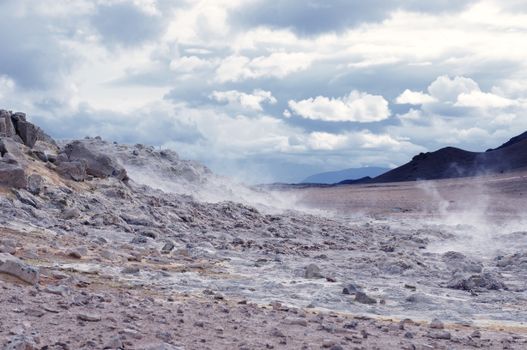 Photo: Budget Bizar / Pexels
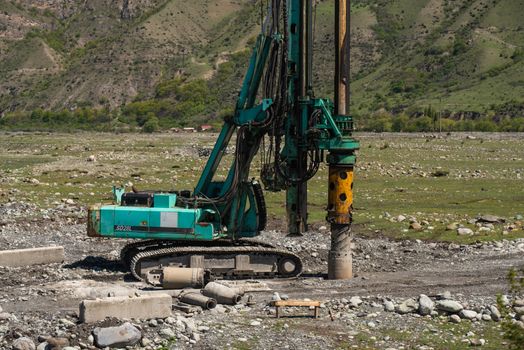 Photo: Павел Хлыстунов / Pexels
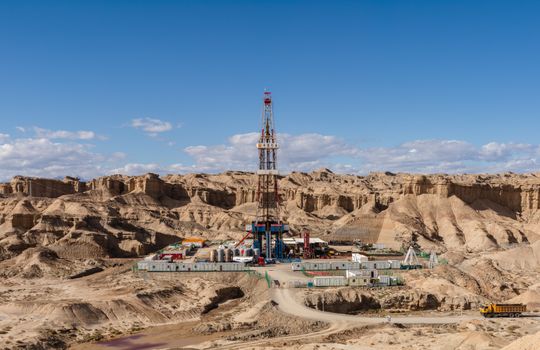 Photo: Yuan / Pexels
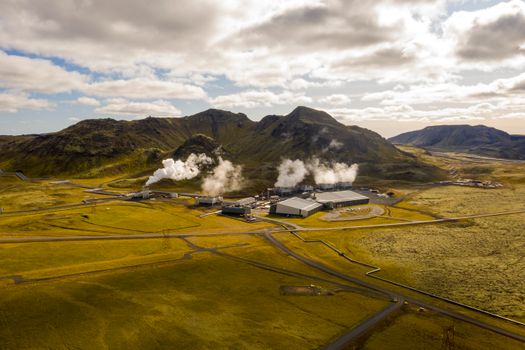 Photo: David Elvar Masson / Pexels