Geothermal Energy Pros Cons: Your Ultimate Guide
geothermal energy pros cons

Geothermal Energy Pros Cons: Your Ultimate Guide

Uncover the full spectrum of geothermal energy, from its incredible benefits to its potential drawbacks, for a smarter energy choice.

Explore Geothermal Now

Key Takeaways

  • ✓ Geothermal energy utilizes stable underground temperatures.
  • ✓ It offers significant long-term savings on utility bills.
  • ✓ Initial installation costs can be substantial but may qualify for tax credits.
  • ✓ Geothermal systems have a very low carbon footprint.
  • ✓ System lifespan can exceed 50 years for ground loops.

How It Works

1
Ground Loop Installation

Pipes, known as a ground loop, are buried underground, either vertically or horizontally. These loops circulate a fluid (water or an antifreeze solution) that absorbs the Earth's consistent temperature.

2
Heat Exchange at the Earth's Core

In winter, the fluid absorbs heat from the warmer ground and carries it to the geothermal heat pump. In summer, the process reverses: the fluid carries heat from the building and deposits it into the cooler ground.

3
Heat Pump Operation

The geothermal heat pump then concentrates this absorbed heat (or coolness) and distributes it throughout the building's ductwork. This is the same principle as a refrigerator, but on a larger scale for an entire home or commercial space.

4
Comfortable Indoor Climate

The conditioned air is then circulated, providing efficient heating, cooling, and often hot water for the entire property. The system continuously cycles, leveraging the Earth's stable temperature for year-round comfort.

Unpacking the Geothermal Energy Pros: Sustainable Power for the Future
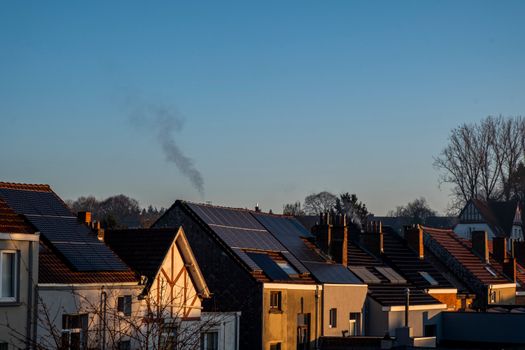
A row of houses displaying solar panels on their rooftops, reflecting sustainable energy practices. Photo: MARIANNE RIXHON / Pexels
Geothermal energy, derived from the Earth's internal heat, stands as a beacon of sustainable power in an era increasingly concerned with climate change and energy independence. The geothermal energy pros are compelling, offering a robust alternative to traditional fossil fuels. One of the most significant advantages is its environmental friendliness. Geothermal systems produce minimal greenhouse gas emissions, primarily because they don't burn fossil fuels to generate heat or electricity. This dramatically reduces your carbon footprint, contributing to cleaner air and a healthier planet. Unlike solar or wind power, which are intermittent and depend on weather conditions, geothermal energy is a constant, baseload power source. The Earth's temperature remains relatively stable year-round, ensuring a reliable and continuous supply of energy, regardless of whether the sun is shining or the wind is blowing. This predictability makes it an ideal choice for both residential and commercial applications seeking consistent energy. Reliable energy sources are crucial for modern infrastructure. Another major benefit is the impressive energy efficiency of geothermal systems. They don't generate heat; instead, they transfer it, which is a far more efficient process. For every unit of electricity used to power the system, a geothermal heat pump can deliver three to five units of heating or cooling energy. This translates into substantial savings on utility bills, often reducing heating and cooling costs by 25-70% compared to conventional systems. Over the lifespan of the system, these savings can amount to tens of thousands of dollars, making the initial investment highly worthwhile. Furthermore, geothermal systems are incredibly durable and require minimal maintenance. The underground components, or ground loops, have a lifespan of 50 years or more, while the indoor heat pump unit typically lasts 20-25 years. This longevity far surpasses that of conventional HVAC systems, which often need replacement every 10-15 years. The minimal moving parts and protection from outdoor elements contribute to their long operational life and reduced maintenance needs. This makes them a cost-effective choice in the long run. Beyond environmental and financial advantages, geothermal systems offer enhanced comfort and quiet operation. Because the heat pump is typically located indoors, it's shielded from extreme weather, resulting in fewer breakdowns and quieter operation compared to noisy outdoor air conditioning units. The heat delivery is also more consistent and even, eliminating hot and cold spots often associated with traditional furnaces. Geothermal energy also offers versatility, capable of providing heating, cooling, and even hot water from a single system. This multi-purpose functionality further enhances its appeal, simplifying home energy management and reducing the need for multiple appliances. The constant and stable temperatures ensure a comfortable indoor environment year-round, which is a significant quality of life improvement for many homeowners. Additionally, the federal government and many states offer incentives, tax credits, and rebates for installing geothermal systems, further sweetening the deal and reducing the initial financial burden for adopters. These incentives underscore the public and governmental recognition of the significant value and environmental benefits that geothermal energy brings to the table, encouraging wider adoption across the nation.

Navigating the Geothermal Energy Cons: Understanding the Challenges
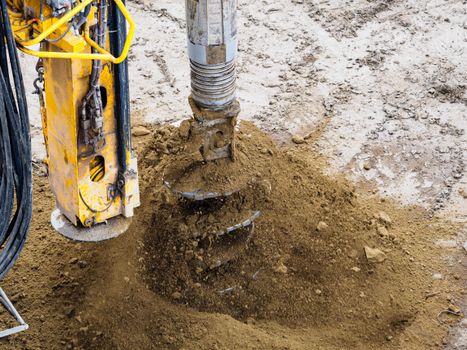
A close-up of a powerful drilling machine working on soil at a construction site. Photo: IslandHopper X / Pexels
While the advantages of geothermal energy are substantial, it's equally important to consider the geothermal energy cons to make a fully informed decision. The most prominent disadvantage for many prospective users is the high upfront installation cost. Geothermal systems, particularly those with extensive ground loops, require significant initial investment. This cost can be considerably higher than installing traditional HVAC systems, ranging from $15,000 to $40,000 or more for a residential system, depending on the size of the home, the type of ground loop (horizontal, vertical, or pond/lake), and local geological conditions. This substantial initial outlay can be a barrier for some homeowners, even with the promise of long-term savings and available incentives. The complexity of the installation process is another factor contributing to the higher cost. Digging trenches for horizontal loops or drilling deep boreholes for vertical loops requires specialized equipment and skilled labor. This can disrupt landscaping and may not be feasible in all property types or densely populated areas. The installation can be time-consuming, sometimes taking several weeks, and requires careful planning and coordination with contractors. Geographical limitations, while not absolute, can also be a challenge. While geothermal energy can technically be utilized almost anywhere, the efficiency and cost-effectiveness of extracting heat vary significantly based on local geology and soil conditions. Areas with hard rock or unstable ground can make drilling more difficult and expensive, or in some cases, impractical. Properties with limited land area might struggle to accommodate horizontal ground loops, necessitating more expensive vertical drilling. Access to a suitable water source for open-loop systems is also a limiting factor for some locations. The US, with its diverse geology, presents varying degrees of suitability across different regions, which an initial site assessment can clarify. Another potential disadvantage is the reliance on electricity to power the heat pump and circulation pumps. While geothermal systems are incredibly efficient, they are not entirely self-sufficient from an electrical standpoint. If there's a power outage, the geothermal system will not operate, similar to conventional HVAC systems. This means they still require a connection to the electrical grid, and their operation costs, while low, are tied to electricity prices. Furthermore, the selection of qualified installers can sometimes be a challenge. Geothermal technology, while growing, is still a specialized field. Finding experienced, reputable contractors who can properly design and install a system is crucial for optimal performance and longevity. A poorly installed system can lead to inefficiencies, higher operating costs, and potential issues down the line, negating many of the benefits. Finally, the perception of a long payback period can deter some individuals. While the long-term savings are significant, the time it takes to recoup the initial investment through energy bill reductions can be 5-10 years or even longer, depending on energy prices and available incentives. For homeowners who anticipate moving in the near future, the full financial benefits might not be realized, making the high upfront cost a less attractive proposition. This makes it crucial to view geothermal as a long-term investment rather than a short-term fix for energy needs. Understanding these challenges is key to evaluating if geothermal energy is the right fit for your specific circumstances and property.

Geothermal Systems in the US: A Look at Adoption and Impact
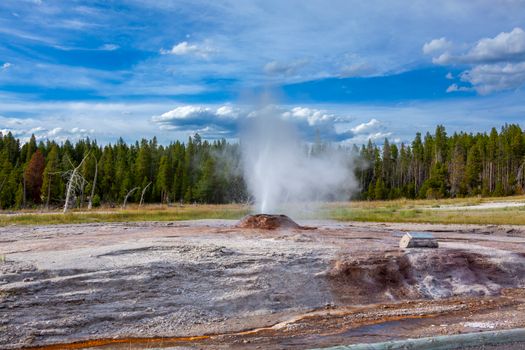
A geyser erupts amidst vibrant landscapes under a clear blue sky in Yellowstone National Park. Photo: Mohan Nannapaneni / Pexels
The adoption of geothermal energy in the United States, while not as widespread as solar or wind, is steadily growing, driven by increasing awareness of its environmental benefits and long-term cost savings. The US is a leader in geothermal power generation, particularly in states like California, Nevada, and Utah, where high-temperature geothermal resources are abundant. However, low-temperature geothermal resources, suitable for heating and cooling homes and businesses, are available in virtually every state. This widespread availability makes geothermal heat pumps a viable option for a significant portion of the American population. The US Department of Energy (DOE) actively promotes geothermal energy through research, development, and demonstration projects, aiming to accelerate its deployment and reduce installation costs. National energy strategies often include geothermal. The impact of geothermal systems in the US is multifaceted. Environmentally, each geothermal installation contributes to reducing national carbon emissions, helping the country meet its climate goals. By displacing fossil fuel consumption for heating and cooling, these systems directly contribute to cleaner air and less reliance on imported energy. Economically, the geothermal industry creates skilled jobs in manufacturing, installation, and maintenance, fostering local economies. While the initial investment is high, the money saved on utility bills often stays within the local economy, rather than flowing out to large energy corporations, creating a beneficial ripple effect. Furthermore, the stability of operating costs, insulated from volatile fossil fuel prices, provides financial predictability for homeowners and businesses alike. Technological advancements are continuously improving the efficiency and reducing the cost of geothermal installations. Innovations in drilling techniques, ground loop materials, and heat pump designs are making systems more accessible and affordable. For instance, compact vertical drilling rigs can now install loops in smaller urban lots, expanding the potential market. The integration of smart home technology with geothermal systems also allows for greater control and optimization of energy usage, further enhancing efficiency and user experience. Government incentives, such as the federal clean energy tax credits, play a crucial role in driving adoption. These credits can offset a significant portion of the installation cost, making geothermal a more financially attractive option for many. States and local municipalities often offer additional rebates, grants, and low-interest loans, creating a layered incentive structure that encourages investment in this sustainable technology. Public perception and education are also vital for wider adoption. As more success stories emerge and the long-term benefits become more apparent, consumer confidence in geothermal technology is likely to increase. Demonstration projects and community initiatives can showcase the practical advantages, demystifying the technology for the average homeowner. The robustness and longevity of geothermal systems make them an excellent long-term investment for property owners looking to enhance their home's value, reduce operating costs, and contribute to a sustainable future. The quiet operation, consistent comfort, and minimal maintenance requirements further contribute to a high level of homeowner satisfaction, making geothermal a premium choice for those seeking an advanced and eco-conscious heating and cooling solution in the US.

Maximizing Your Geothermal Investment: Tips and Common Pitfalls
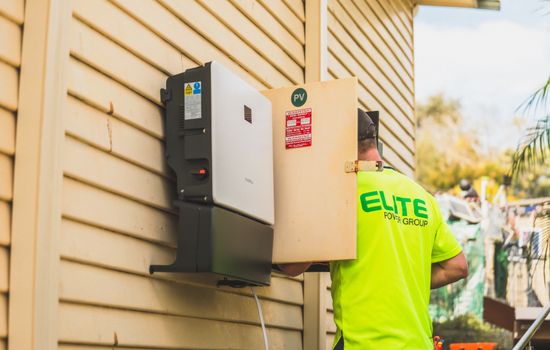
Electrician from Elite Power Group installing a solar inverter outside. Photo: Elite Power Group / Pexels
To fully capitalize on the geothermal energy pros and mitigate the cons, careful planning and execution are paramount. Here are essential tips and common pitfalls to avoid when considering a geothermal system: * **Tip 1: Thorough Site Assessment:** Before anything else, get a comprehensive assessment of your property's geology, soil composition, and available space. This determines the most suitable and cost-effective ground loop type (horizontal, vertical, or pond). A professional evaluation can prevent costly surprises during installation. * **Tip 2: Choose a Reputable Installer:** This is arguably the most critical step. Geothermal installation is specialized. Look for contractors with extensive experience, proper certifications (e.g., IGSHPA accreditation), excellent references, and comprehensive warranties. A well-designed and installed system will perform efficiently for decades, while a poor one can lead to constant issues. * **Tip 3: Understand Available Incentives:** Research federal, state, and local tax credits, rebates, and grants thoroughly. These incentives can significantly reduce your upfront costs. Don't assume your installer will know all of them; verify eligibility and application processes yourself. * **Tip 4: Optimize Home Insulation:** A geothermal system will be even more efficient in a well-insulated home. Before installation, consider upgrading insulation, sealing air leaks, and replacing old windows. This reduces your heating and cooling load, potentially allowing for a smaller, less expensive geothermal system. * **Tip 5: Consider System Sizing Carefully:** An undersized system won't provide adequate comfort, while an oversized one will be unnecessarily expensive and less efficient. Work with your installer to perform a detailed load calculation tailored to your home's specific needs. **Common Pitfalls to Avoid:** * **Ignoring the Long-Term View:** Focusing solely on the initial cost without considering the substantial long-term savings and increased home value is a common mistake. Geothermal is an investment, not just an expense. * **DIY or Inexperienced Installation:** Attempting a DIY installation or hiring an inexperienced contractor can lead to serious performance issues, system failures, and voided warranties. The complexities of ground loop installation and heat pump integration require expert knowledge. * **Skipping Maintenance:** While low-maintenance, geothermal systems still require periodic checks, especially of the indoor unit's air filters and coils. Neglecting these can reduce efficiency and shorten the system's lifespan. * **Not Accounting for Landscaping Needs:** Ground loop installation can temporarily disrupt landscaping. Plan for this in advance and discuss restoration options with your contractor. * **Underestimating Electrical Requirements:** While efficient, geothermal systems still need electrical power. Ensure your home's electrical panel can handle the load, or plan for an upgrade if necessary. Proper electrical wiring is crucial for safe and efficient operation. By following these tips and avoiding these common pitfalls, you can ensure your geothermal investment provides maximum comfort, savings, and environmental benefits for decades to come.

Comparison

FeatureGeothermalTraditional HVAC (Furnace/AC)Air Source Heat Pump
Efficiency (COP/HSPF)3-5+ (Excellent)0.8-0.9 (Good)2-3 (Very Good)
Operating CostLowestHighestMedium
Installation CostHighestLowestMedium
Environmental ImpactVery Low EmissionsHigh EmissionsLow Emissions
System Lifespan (Loops/Unit)50+/20-25 years15-20/10-15 years15-20/10-15 years
Noise LevelQuiet (Indoor Unit)Loud (Outdoor Unit)Moderate (Outdoor Unit)
Reliability (Weather Dependent)
Maintenance NeedsLowModerateModerate
Space RequiredModerate (for loops)Low (for outdoor unit)Low (for outdoor unit)

What Readers Say

"Installing geothermal was the best decision for our new home. Our energy bills are consistently 60% lower than our old house, and the comfort is unmatched. We love knowing we're making a difference for the environment."

Sarah M. · Boulder, CO

"The upfront cost was a hurdle, but the federal tax credit helped immensely. Now, our AC runs silently all summer, and our heating is incredibly efficient in winter. It truly balances the geothermal energy pros cons for us."

David R. · Austin, TX

"We've had our geothermal system for 8 years, and it's been virtually maintenance-free. Our utility bills are so predictable now, and we've already saved thousands compared to our old furnace and AC. Highly recommend it."

Emily P. · Minneapolis, MN

"While the installation was a bit disruptive to our yard, the long-term benefits are clear. Our home feels consistently comfortable, and we appreciate the reduced environmental impact. Just be prepared for the initial process."

Mark J. · Portland, OR

"As a business owner, I was looking for a sustainable and cost-effective solution for our office building. Geothermal delivered on both fronts, drastically cutting our HVAC expenses and enhancing our green credentials."

Alex K. · Farmington, CT

Frequently Asked Questions

What are the biggest geothermal energy pros cons?

The biggest pros are exceptional energy efficiency (leading to significant long-term savings), environmental sustainability with very low emissions, and consistent, reliable heating and cooling. The primary cons are the high upfront installation cost, potential disruption to landscaping during installation, and the need for specialized contractors.

Is geothermal energy safe for my home?

Yes, geothermal energy systems are extremely safe. They don't use combustion to generate heat, eliminating risks of carbon monoxide poisoning, gas leaks, or open flames often associated with fossil fuel heating. The ground loops are buried deep underground, posing no risk to residents or pets.

How do I start the process of installing a geothermal system?

Begin by researching reputable geothermal contractors in your area. Request multiple quotes and ensure they conduct a thorough site assessment. They will evaluate your property's geology, soil type, and heating/cooling load to design the most efficient system for your specific needs. Don't forget to inquire about available incentives.

How much does a geothermal system typically cost in the US?

For a residential system, the cost can range from $15,000 to $40,000 or more, depending on factors like home size, ground loop type (horizontal vs. vertical), and local geology. However, federal tax credits (currently 30% through 2032) and state/local incentives can significantly reduce this net cost, making it a more accessible investment.

How does geothermal compare to solar energy?

Geothermal provides consistent heating and cooling year-round, regardless of weather, and can also generate hot water. Solar primarily generates electricity or heats water, and its output fluctuates with sunlight availability. While both are renewable, geothermal offers a more stable and direct solution for HVAC needs, often complementing solar PV for overall home energy independence.

Who should consider geothermal energy?

Homeowners planning to stay in their homes for 5+ years, those building new homes, or anyone looking for significant long-term energy savings, consistent comfort, and a reduced carbon footprint should consider geothermal. It's also ideal for properties with sufficient land for ground loops or in areas with favorable geological conditions.

Are there any environmental risks associated with geothermal drilling?

For residential geothermal heat pump systems, environmental risks are minimal. Drilling for ground loops is typically shallow compared to deep oil/gas wells. Reputable installers take precautions to prevent groundwater contamination. The fluid in the loops is usually water or an environmentally friendly antifreeze, contained in sealed pipes.

What is the future outlook for geothermal energy in the US?

The future outlook is positive. With increasing concerns about climate change, energy independence, and rising fossil fuel costs, geothermal energy is gaining traction. Ongoing technological advancements aim to reduce installation costs and expand applicability, while government incentives continue to support its growth as a key renewable energy solution in the US.

Understanding the geothermal energy pros cons is the first step toward a smarter, more sustainable future for your home or business. While the initial investment requires careful consideration, the long-term savings, environmental benefits, and unparalleled comfort make it a compelling choice. Explore geothermal further today and connect with local experts to see if this powerful, Earth-driven solution is right for you.

Topics: geothermal energy pros consgeothermal heating benefitsgeothermal disadvantagesrenewable energy USAgeothermal system cost
Leo List
Brampton weed
Adultwork EstrelaBet Vai de Bet R7 Bet Betão Galera Bet Rainbet Bet9ja Shop SportyBet BetKing Sisal Loto Foot Hollywoodbets YesPlay Odibets RushBet Jugabet BetWarrior BetCity MSport betPawa Fortebet