The Future of Nuclear Energy: A Clean Power Revolution
future of nuclear energy

The Future of Nuclear Energy: A Clean Power Revolution

Uncover how advanced nuclear technologies are poised to transform our energy landscape and combat climate change.

Explore the Future

Key Takeaways

  • ✓ Nuclear energy currently provides about 10% of the world's electricity.
  • ✓ Small Modular Reactors (SMRs) are a key innovation, offering scalability and enhanced safety.
  • ✓ Nuclear power plants produce virtually no greenhouse gas emissions during operation.
  • ✓ Fusion energy, though still experimental, holds the promise of limitless clean power.

How It Works

1
Nuclear Fission Fundamentals

Uranium atoms are split in a controlled chain reaction within a reactor core. This process releases a tremendous amount of heat energy.

2
Heat Exchange and Steam Generation

The heat generated by fission is used to boil water, creating high-pressure steam. This steam drives a turbine, much like in a fossil fuel plant.

3
Electricity Production

The spinning turbine is connected to a generator, which converts the mechanical energy into electricity. This electricity is then sent to the grid.

4
Cooling and Waste Management

After passing through the turbine, the steam is cooled back into water and reused. Spent fuel is carefully managed and stored, awaiting long-term disposal solutions.

The Resurgence of Nuclear Power: Addressing Climate Change and Energy Security
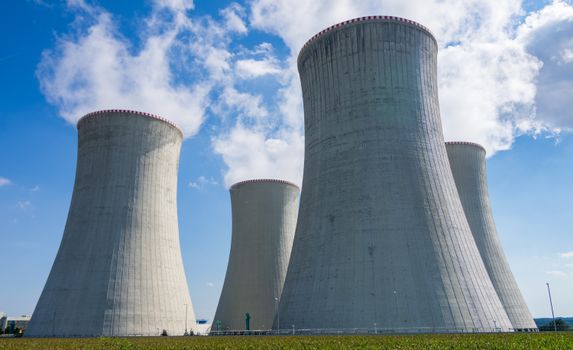
Cooling towers of Dukovany Nuclear Power Plant against a clear blue sky. Photo: Rob / Pexels
For decades, nuclear energy has been a cornerstone of baseload power generation, providing reliable, carbon-free electricity to millions. However, its expansion has been hampered by concerns over safety, waste disposal, and high upfront costs. Today, a confluence of factors – including the urgent need to decarbonize our energy systems, geopolitical shifts impacting energy security, and technological advancements – is ushering in a significant resurgence of interest in nuclear power. This renewed focus isn't just about building more of the same; it's about fundamentally rethinking how nuclear energy can be integrated into a modern, resilient, and sustainable grid. Governments worldwide are recognizing nuclear's unique ability to provide consistent, dispatchable power that doesn't rely on intermittent weather conditions, making it an indispensable partner to renewables like solar and wind. The conversation has shifted from 'if' nuclear will play a role to 'how' it can be deployed more effectively and efficiently. This includes exploring new reactor designs, streamlining regulatory processes, and securing supply chains for nuclear fuel. The imperative to achieve net-zero emissions by mid-century demands every available tool, and nuclear energy, with its proven track record of large-scale, emissions-free electricity generation, is increasingly seen as a critical component of that solution. The drive for energy independence, particularly in light of global instabilities, further underscores nuclear's strategic value, offering nations a stable, domestically sourced power option. This global pivot is not without its challenges, but the momentum behind nuclear's comeback is undeniable, fueled by innovation and a clearer understanding of its potential benefits. Energy security is a primary driver.

Innovations Driving the Future: Small Modular Reactors (SMRs) and Advanced Designs
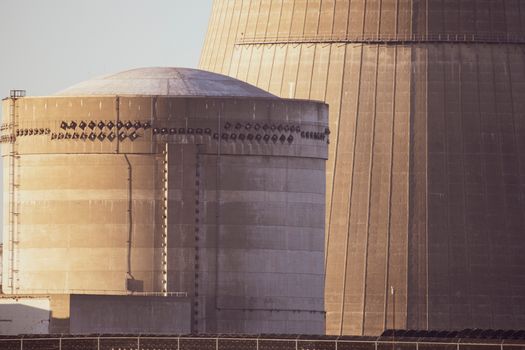
Close-up view of nuclear reactor buildings bathed in golden light, showcasing industrial architecture. Photo: Sean P. Twomey / Pexels
The most significant game-changer in the future of nuclear energy is undoubtedly the advent of Small Modular Reactors (SMRs). Unlike traditional gigawatt-scale nuclear plants, SMRs are factory-built, smaller (typically under 300 MW), and designed for modular construction, which promises to drastically reduce construction times and costs. Their smaller footprint allows for deployment in diverse locations, including remote communities or industrial sites, and their passive safety features are often inherent in their design, meaning they rely on natural forces like gravity and convection for cooling in an emergency, rather than active systems. This inherent safety, coupled with their ability to be scaled up or down as needed, makes SMRs incredibly versatile. Beyond SMRs, advanced reactor designs are pushing the boundaries of what nuclear technology can achieve. These include Generation IV reactors, such as molten salt reactors (MSRs), fast breeder reactors, and high-temperature gas reactors (HTGRs). MSRs, for instance, operate at higher temperatures and can potentially consume nuclear waste as fuel, significantly reducing the volume and longevity of radioactive byproducts. Fast breeder reactors can produce more fissile material than they consume, effectively extending the lifespan of uranium resources. HTGRs offer very high-temperature heat, which can be used not only for electricity generation but also for industrial processes like hydrogen production, opening up new avenues for decarbonization beyond just the power sector. These advanced designs are not just theoretical; many are in various stages of development and demonstration, promising a future where nuclear energy is even safer, more efficient, and more integrated into a broader clean energy ecosystem. The modularity and inherent safety of these new designs are addressing many of the historical concerns associated with large-scale nuclear power. These innovations are crucial for realizing the full potential of nuclear power in a rapidly changing energy landscape.

The Promise of Nuclear Fusion: Limitless Clean Energy on the Horizon
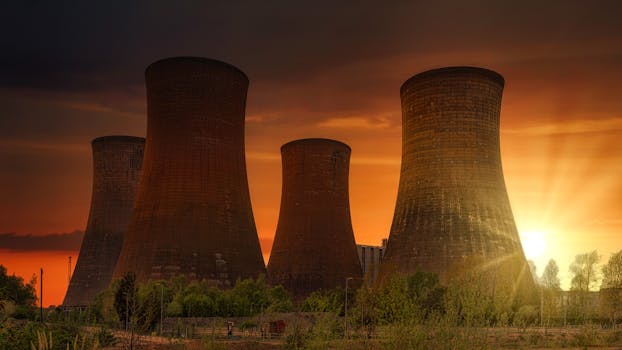
Exterior of huge cooling towers located in contemporary atomic power plant against bright setting sun under dramatic dark sky Photo: Johannes Plenio / Pexels
While nuclear fission powers today's reactors, the ultimate prize in clean energy research is nuclear fusion. Fusion is the process that powers the sun and stars, where light atomic nuclei (like hydrogen isotopes) combine to form heavier ones, releasing immense amounts of energy. Unlike fission, fusion produces no long-lived radioactive waste and carries no risk of meltdown. The fuel for fusion – isotopes of hydrogen – is abundant, extractable from water, making it a virtually limitless energy source. For decades, fusion has been '30 years away,' but recent breakthroughs suggest that significant progress is being made. Projects like ITER (International Thermonuclear Experimental Reactor) in France, a massive international collaboration, are pushing the boundaries of scientific understanding and engineering. Private companies are also entering the race, employing innovative approaches like magnetic confinement (tokamaks and stellarators) and inertial confinement (using lasers) to achieve sustained fusion reactions. While commercial fusion power is still a considerable distance off, perhaps decades, the scientific and engineering challenges are being systematically addressed. The potential rewards are so immense – a clean, safe, and virtually limitless energy source – that investment and research continue at an accelerating pace. Success in fusion would fundamentally transform global energy markets, providing a stable, carbon-free power source that could meet humanity's energy needs for millennia. It represents the pinnacle of clean energy aspirations, a true game-changer that could solve many of the world's most pressing environmental and energy security challenges. The journey to harness fusion is complex, but the scientific community remains optimistic about its eventual realization, marking a truly transformative chapter in the future of energy innovation. The implications for global stability and environmental health are profound.

Addressing Challenges and Misconceptions: Safety, Waste, and Public Perception
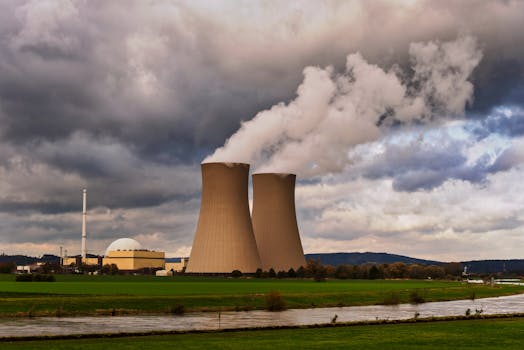
Scenic view of a nuclear power plant with cooling towers emitting steam in Hameln, Germany. Photo: Wolfgang Weiser / Pexels
Despite its potential, the future of nuclear energy faces significant hurdles, primarily centered around safety, radioactive waste management, and public perception. The accidents at Chernobyl and Fukushima, while tragic and unique in their circumstances, have left an indelible mark on public consciousness, fostering fear and mistrust. However, modern nuclear power plants, especially advanced designs like SMRs, incorporate enhanced passive safety features that make events like these virtually impossible. They are designed to shut down safely without human intervention or external power in an emergency. Radioactive waste remains a complex issue. While the volume of spent nuclear fuel is relatively small compared to other industrial wastes, its long half-life necessitates secure, long-term geological disposal. Countries like Finland are leading the way with deep geological repositories, but a universally accepted solution is still needed. Public education and transparent communication are crucial to overcoming these challenges. Misconceptions often stem from a lack of understanding of the science and the stringent safety protocols in place. Engaging communities, demonstrating the benefits of nuclear power (e.g., clean air, stable jobs), and openly addressing concerns are vital for building trust and gaining social license for new projects. Overcoming these historical perceptions requires a concerted effort from industry, government, and scientific communities to educate and reassure the public about the evolving safety standards and robust waste management strategies. The industry must continue to innovate not only in technology but also in communication and community engagement to ensure a positive perception of nuclear energy's role in our future. It's a journey of continuous improvement and transparency. **Common Misconceptions & Facts:** * **Myth:** Nuclear power plants can explode like a nuclear bomb. * **Fact:** Nuclear reactors use low-enriched uranium, not weapons-grade material, making a nuclear explosion impossible. * **Myth:** Nuclear waste is an insurmountable problem. * **Fact:** The volume of waste is small, and safe, long-term geological disposal solutions are being developed and implemented. * **Myth:** Nuclear power is unsafe. * **Fact:** Statistically, nuclear energy is one of the safest forms of electricity generation per unit of energy produced, with advanced reactors featuring enhanced passive safety systems. * **Myth:** Nuclear power is too expensive. * **Fact:** While initial capital costs can be high, SMRs and advanced designs aim to reduce these, and nuclear offers stable, predictable operating costs over its long lifespan.

Comparison

FeatureNuclear Fission (Current)Small Modular Reactors (SMRs)Nuclear Fusion (Future)
Carbon Emissions (Operation)Near ZeroNear ZeroNear Zero
Waste ByproductsHigh-level radioactive wasteReduced volume, safer wasteNo long-lived radioactive waste
ScalabilityLarge-scale (GW)Modular (MW), flexiblePotentially limitless
Fuel SourceUraniumUranium (potentially recycled)Hydrogen isotopes (abundant)
Safety FeaturesActive & PassiveEnhanced PassiveInherently Safe
Commercial Availability✓ (near term)✗ (long term)

What Readers Say

"The insights into SMRs and fusion energy in this article are incredibly valuable. It clearly articulates how the future of nuclear energy is evolving to meet our clean energy demands, addressing both scalability and safety concerns effectively."

Dr. Elena Petrova · Washington D.C., USA

"As someone concerned about climate change, I found this piece on the future of nuclear energy very reassuring. It highlights the technological advancements that make nuclear a viable and safe option for a sustainable future, especially the discussion on waste management."

Mark Jensen · Austin, TX

"This article helped me understand the profound potential of nuclear fusion. While still in development, the prospect of limitless clean energy from fusion, as explained here, is truly inspiring and offers a clear vision for our energy future."

Sarah Chen · Seattle, WA

"A comprehensive look at the future of nuclear energy. While I appreciate the optimism, the challenges around public perception and waste disposal are still significant. The article does a good job of acknowledging these, but they remain key hurdles for widespread adoption."

David Rodriguez · Phoenix, AZ

"Working in renewable energy, I often hear debates about nuclear. This article provides a balanced and forward-looking perspective on the future of nuclear energy, showing how it can complement other clean sources for a robust and resilient grid."

Jessica Lee · Boston, MA

Frequently Asked Questions

What are the primary drivers for the renewed interest in the future of nuclear energy?

The renewed interest in nuclear energy is primarily driven by the urgent need for decarbonization to combat climate change, the desire for enhanced energy security and independence, and significant technological advancements, particularly in Small Modular Reactors (SMRs) and advanced reactor designs, which promise greater safety and efficiency.

Is nuclear energy safe, especially with new technologies?

Yes, modern nuclear energy is designed with enhanced safety features. Advanced reactors, especially SMRs, incorporate passive safety systems that rely on natural laws like gravity and convection for cooling, making them inherently safer and significantly reducing the risk of accidents like those seen in the past. Strict regulatory oversight further ensures safety.

How do Small Modular Reactors (SMRs) differ from traditional nuclear power plants?

SMRs are significantly smaller (under 300 MW), factory-built, and designed for modular construction, allowing for faster and cheaper deployment. They have a smaller physical footprint, offer greater flexibility in siting, and often feature enhanced passive safety systems compared to large, custom-built traditional plants.

What is the cost implication of investing in the future of nuclear energy?

While traditional large-scale nuclear plants have high upfront capital costs, SMRs and advanced designs aim to reduce these through modular construction and economies of scale. Nuclear energy offers stable, predictable operating costs over its long lifespan, providing long-term value and energy price stability, despite initial investment.

How does nuclear energy compare to renewable sources like solar and wind?

Nuclear energy provides reliable, dispatchable baseload power 24/7, regardless of weather conditions, making it an excellent complement to intermittent renewables like solar and wind. It offers high power density and a stable output, crucial for grid stability, whereas renewables require energy storage or backup for consistency.

Who stands to benefit most from the future of nuclear energy?

Nations seeking energy independence, industries requiring stable and high-temperature process heat, communities needing reliable, carbon-free electricity, and anyone concerned about climate change will benefit. It offers a powerful tool for decarbonization and economic stability.

What are the risks associated with nuclear waste from future reactors?

Future reactors, particularly advanced designs like molten salt reactors, aim to significantly reduce the volume and longevity of radioactive waste, and some can even consume existing waste as fuel. While long-term geological disposal remains the preferred solution, these innovations are making waste management more sustainable and less burdensome.

What role will nuclear fusion play in the distant future of energy?

Nuclear fusion, if successfully commercialized, promises a virtually limitless, clean, and inherently safe energy source. It would fundamentally transform global energy production, offering a stable, carbon-free power supply derived from abundant fuels, effectively solving humanity's long-term energy needs without significant environmental impact.

The future of nuclear energy is bright, driven by innovation and a global commitment to clean power. Explore how these advancements can secure a sustainable, carbon-free energy future for generations to come. Join the conversation and learn more about this vital component of our energy transition.

Topics: future of nuclear energysmall modular reactorsnuclear fusionclean energyenergy independence
Leo List

IE Escorts NO Escorts US Escorts NZ Escorts AU Escorts
Brampton weed
Adultwork EstrelaBet Vai de Bet R7 Bet Betão Galera Bet Rainbet Bet9ja Shop SportyBet BetKing Sisal Loto Foot Hollywoodbets YesPlay Odibets RushBet Jugabet BetWarrior BetCity MSport betPawa Fortebet