Unlocking the Future of Energy Sources for a Brighter US
future of energy sources

Unlocking the Future of Energy Sources for a Brighter US

Dive into the revolutionary technologies and strategic shifts shaping America's energy landscape for decades to come.

Explore Energy's Tomorrow

Key Takeaways

  • ✓ Renewable energy sources are projected to dominate new power generation capacity in the US.
  • ✓ Energy storage, particularly battery technology, is critical for grid stability and renewable integration.
  • ✓ Nuclear fusion, while decades away, holds the promise of virtually limitless, clean energy.
  • ✓ Decentralized energy systems are gaining traction, empowering local communities and increasing resilience.

How It Works

1
Transitioning the Grid

The existing fossil fuel-dominated grid infrastructure is gradually being modernized to accommodate intermittent renewable sources. This involves smart grid technologies and advanced transmission systems.

2
Scaling Renewable Deployment

Massive investments in solar, wind, geothermal, and hydropower are expanding their share in the energy mix. Policy incentives and technological advancements drive this rapid growth.

3
Integrating Storage Solutions

As renewables grow, energy storage becomes vital to balance supply and demand fluctuations. Battery storage, pumped-hydro, and hydrogen are key solutions ensuring continuous power.

4
Embracing Emerging Technologies

Research and development in areas like advanced nuclear, fusion, and carbon capture are crucial. These innovations promise to fill gaps and provide long-term, high-capacity, low-carbon options.

The Renewable Energy Revolution: Powering Tomorrow's America
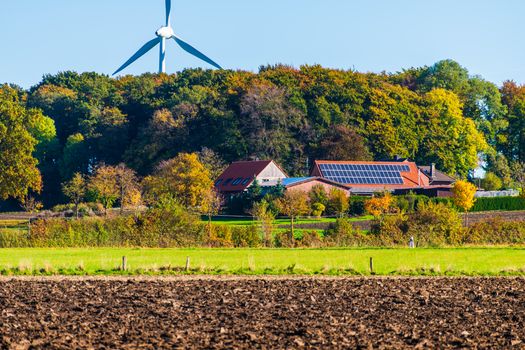
A picturesque sustainable farm featuring wind turbine and solar panels surrounded by vibrant autumn foliage. Photo: Sergej ***** / Pexels
The United States stands at the precipice of an unprecedented energy transformation, with renewable sources at its core. This isn't just an environmental imperative; it's an economic opportunity and a matter of national security. Solar photovoltaic (PV) technology, once considered niche, is now the fastest-growing electricity source globally and domestically. Innovations in panel efficiency, manufacturing processes, and installation techniques have driven down costs dramatically, making solar competitive with, and often cheaper than, traditional fossil fuels. Residential solar installations are booming, empowering homeowners to generate their own power and even contribute back to the grid. Utility-scale solar farms, stretching across sun-drenched landscapes, are becoming increasingly common, delivering vast quantities of clean electricity to millions. Beyond solar, wind energy continues its monumental rise. Onshore wind farms dot the plains and hills, while offshore wind projects, particularly along the East and West coasts, are poised for massive expansion. These towering turbines harness consistent, powerful winds, providing reliable, large-scale power generation. The Bipartisan Infrastructure Law and the Inflation Reduction Act have supercharged these trends, offering significant tax credits, grants, and loan programs that incentivize both development and deployment of renewable energy technologies. These policies aim to accelerate the transition, reduce carbon emissions, and create millions of green jobs across the nation. Geothermal energy, often overlooked, represents another robust renewable option, particularly in geologically active regions. It harnesses the Earth's internal heat, offering a constant, baseload power supply that is not dependent on weather conditions. Hydropower, while mature, continues to play a significant role, with ongoing efforts to modernize existing facilities and explore new, environmentally responsible projects. The integration of these diverse renewable sources requires a flexible and intelligent grid system, capable of managing intermittent supply and distributed generation. Advanced grid technologies, such as smart meters, real-time data analytics, and artificial intelligence, are vital for optimizing energy flow, minimizing waste, and ensuring grid stability. This holistic approach to renewable integration is fundamental to realizing the full potential of these clean energy powerhouses. The shift towards renewables is not without its challenges, including land use, wildlife impact, and the need for robust transmission infrastructure, but continuous innovation in these areas is paving the way for sustainable solutions. The long-term benefits, including reduced air pollution, stable energy prices, and enhanced energy independence, far outweigh the transitional hurdles. The future of energy sources in the US is undeniably clean, diverse, and driven by renewable power.

The Critical Role of Energy Storage and Grid Modernization
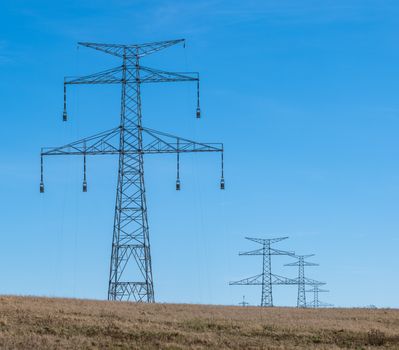
Blue sky over transmission towers on a rural landscape, symbolizing energy distribution. Photo: Petr Ganaj / Pexels
As renewable energy sources like solar and wind become dominant, their inherent intermittency presents a significant challenge: the sun doesn't always shine, and the wind doesn't always blow. This is where energy storage steps in as the indispensable backbone of a future clean energy grid. Without robust storage solutions, the full potential of renewables cannot be realized, as surplus energy generated during peak production times would be wasted, and demand could not be met during lulls. Battery storage technology, primarily lithium-ion, is at the forefront of this revolution. Costs for utility-scale batteries have plummeted, making them increasingly viable for grid-level applications. These massive battery arrays can store excess renewable energy and discharge it quickly when needed, providing crucial grid stability, frequency regulation, and peak shaving services. Beyond lithium-ion, research and development are actively exploring next-generation battery chemistries, such as solid-state batteries, flow batteries, and sodium-ion batteries, which promise even greater energy density, longer lifespans, and enhanced safety. Pumped-hydro storage, a mature technology, remains the largest form of grid-scale energy storage globally. It uses excess electricity to pump water uphill to a reservoir, releasing it through turbines to generate power when demand is high. While geographically limited, new closed-loop pumped-hydro systems are being explored to minimize environmental impact. Hydrogen, often dubbed the 'Swiss Army knife' of energy, is emerging as a promising long-duration energy storage solution. Green hydrogen, produced through electrolysis powered by renewable energy, can be stored for extended periods and then converted back into electricity via fuel cells or used directly as a clean fuel for transportation, industrial processes, or heating. This versatility makes hydrogen a critical component for decarbonizing hard-to-abate sectors. Grid modernization goes hand-in-hand with energy storage. The existing electrical grid, largely designed for one-way power flow from centralized fossil fuel plants, needs a radical overhaul. This involves developing a 'smart grid' that incorporates advanced sensors, digital communications, and artificial intelligence to monitor, control, and optimize energy distribution in real-time. A smart grid can seamlessly integrate distributed energy resources (DERs) like rooftop solar, electric vehicles, and home battery systems, transforming consumers into 'prosumers' who both consume and produce energy. Furthermore, enhancing grid resilience against extreme weather events and cyber threats is paramount. Undergrounding power lines, implementing microgrids that can operate independently during outages, and hardening critical infrastructure are vital steps. The US Department of Energy and private sector innovators are investing heavily in these areas, understanding that a robust, flexible, and intelligent grid is the lynchpin for a reliable and sustainable energy future. Without these advancements, the transition to a fully renewable energy economy would be significantly hindered, emphasizing the critical role of energy storage and grid modernization.

Beyond Renewables: Nuclear's Resurgence and the Promise of Fusion
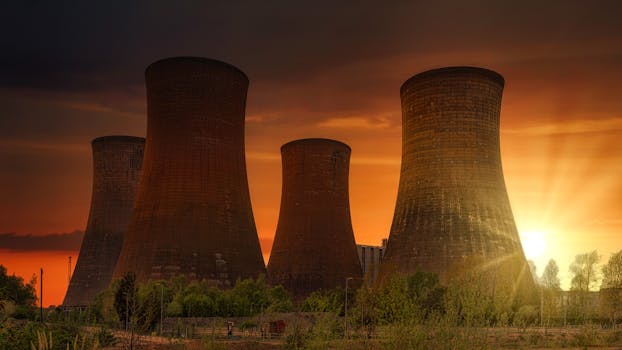
Exterior of huge cooling towers located in contemporary atomic power plant against bright setting sun under dramatic dark sky Photo: Johannes Plenio / Pexels
While renewable energy sources are pivotal, the future of energy sources in the US also includes a critical role for advanced nuclear power and the revolutionary potential of nuclear fusion. Nuclear fission, the process currently used in conventional nuclear power plants, provides baseload, carbon-free electricity 24/7, making it an invaluable asset for grid stability and decarbonization. However, traditional large-scale nuclear plants face challenges related to high upfront costs, long construction times, and public perception concerns regarding safety and waste. This is where Small Modular Reactors (SMRs) and Advanced Reactors come into play. SMRs are designed to be smaller, simpler, and factory-fabricated, leading to lower capital costs, shorter construction schedules, and enhanced safety features. Their modular design allows for flexible deployment, making them suitable for smaller grids, remote communities, or industrial applications that require reliable process heat. Advanced reactors often incorporate innovative cooling technologies, inherent safety features, and the ability to operate on different types of fuel, potentially even consuming existing nuclear waste. These technologies aim to address many of the historical concerns associated with nuclear power, positioning it for a significant resurgence as a clean, reliable energy source. The Department of Energy is actively funding and supporting the development and demonstration of several SMR and advanced reactor designs, recognizing their potential to complement renewables and ensure energy security. The long-term vision for nuclear energy extends even further, into the realm of nuclear fusion. Often described as the 'holy grail' of energy, nuclear fusion seeks to replicate the process that powers the sun – fusing light atomic nuclei to release immense amounts of energy. Unlike fission, fusion produces no long-lived radioactive waste and uses abundant fuels like deuterium (from seawater) and tritium. The promise is virtually limitless, clean, and inherently safe energy. Major international collaborations, such as ITER (International Thermonuclear Experimental Reactor) in France, and private ventures like Commonwealth Fusion Systems (CFS) and Helion Energy, are making significant strides. Recent breakthroughs in magnetic confinement (tokamaks and stellarators) and inertial confinement (laser-driven fusion) have demonstrated net energy gain in experimental settings, albeit for very short durations. While commercial fusion power plants are still decades away, the pace of innovation is accelerating. The scientific and engineering challenges are immense, requiring extreme temperatures and pressures, but the potential rewards are transformative. A successful fusion reactor would fundamentally alter the global energy landscape, providing humanity with a sustainable, carbon-free energy source for millennia. The strategic investment in advanced nuclear fission and the audacious pursuit of nuclear fusion underscore America's commitment to a diverse and resilient clean energy future, ensuring that all avenues for sustainable power generation are explored and developed.

Decentralization, Efficiency, and Policy: Shaping the Energy Landscape

Aerial view of suburban houses featuring solar panels and green lawns, symbolizing eco-friendly living. Photo: Kindel Media / Pexels
Beyond the specific energy sources, the future of energy in the US is also profoundly shaped by trends in decentralization, energy efficiency, and forward-thinking policy. Decentralization refers to a shift away from large, centralized power plants towards more distributed energy generation, often closer to the point of consumption. This includes rooftop solar, community solar projects, microgrids, and even small-scale wind turbines. Decentralized systems offer several advantages: increased grid resilience (as local areas can operate independently during outages), reduced transmission losses, and greater energy independence for communities and individuals. Microgrids, for instance, are self-contained energy systems that can connect to or disconnect from the main grid, providing critical power to hospitals, military bases, or entire neighborhoods during emergencies. The rise of smart home technologies and smart appliances further integrates consumers into this decentralized model, allowing for optimized energy consumption based on real-time pricing and grid conditions. Energy efficiency remains one of the most cost-effective and immediate ways to address energy demand and reduce emissions. Every unit of energy saved is a unit that doesn't need to be generated. Significant advancements in building codes, appliance standards, industrial processes, and transportation efficiency are crucial. LED lighting, high-efficiency HVAC systems, smart thermostats, and improved insulation are just a few examples of technologies that have dramatically reduced energy consumption in residential and commercial sectors. The electrification of transportation, with the rapid adoption of electric vehicles (EVs), is another massive step towards efficiency and decarbonization. EVs are significantly more energy-efficient than internal combustion engine vehicles, and their growing presence will drive demand for clean electricity. Policy plays an indispensable role in accelerating this energy transition. Federal initiatives like the Inflation Reduction Act and the Bipartisan Infrastructure Law are providing unprecedented levels of investment and incentives for clean energy development, manufacturing, and deployment. State-level Renewable Portfolio Standards (RPS) and clean energy mandates are also driving aggressive targets for renewable energy penetration. Carbon pricing mechanisms, cap-and-trade systems, and clean energy tax credits are powerful tools for internalizing the environmental costs of fossil fuels and making clean energy more competitive. Furthermore, investments in research and development (R&D) are critical for pushing the boundaries of what's possible, from advanced materials for solar cells to breakthrough energy storage solutions. International collaboration and diplomacy are also essential, as global energy markets and climate challenges are interconnected. The US plays a leading role in fostering these partnerships, sharing expertise, and promoting sustainable energy practices worldwide. The combined forces of decentralized energy, continuous improvements in energy efficiency, and robust, supportive policies are creating a dynamic and resilient energy landscape for the US, ensuring a sustainable and prosperous future.

Comparison

FeatureSolar PVWind PowerAdvanced NuclearNuclear Fusion (Future)
Carbon EmissionsVery Low (Life Cycle)Very Low (Life Cycle)Very Low (Operational)Virtually Zero
Reliability/AvailabilityIntermittentIntermittentHigh (Baseload)Extremely High (Baseload)
Energy DensityLowMediumVery HighExtremely High
Waste ByproductRecyclable MaterialsRecyclable MaterialsLow-level/High-levelMinimal, Short-lived

What Readers Say

"This article provided an incredibly comprehensive look into the future of energy sources. I particularly appreciated the detailed breakdown of energy storage, which is crucial for our grid's stability as we adopt more renewables. It's empowering to see the US pushing for such innovative solutions."

Sarah Chen · Austin, TX

"As an engineer in the energy sector, I found this piece insightful and well-researched. The discussion on SMRs and the potential of nuclear fusion was particularly interesting. It paints a realistic yet optimistic picture of America's energy trajectory."

Mark Johnson · Denver, CO

"I've always been interested in clean energy, and this article clarified so many complex topics. Understanding the role of decentralization and policy helped me realize how much impact we can have. It's clear the future of energy sources is bright and sustainable."

Emily Rodriguez · Seattle, WA

"A very informative read, though I would have liked a bit more emphasis on the challenges of raw material sourcing for batteries and other technologies. Still, it's an excellent overview of the exciting advancements in the future of energy sources."

David Lee · Boston, MA

"This article was a game-changer for my understanding of how our energy grid is evolving. As a homeowner considering solar, the information on energy storage and smart grids gave me confidence in the reliability of future renewable systems. Highly recommend!"

Jessica Williams · Phoenix, AZ

Frequently Asked Questions

What are the most promising future energy sources for the US?

The most promising future energy sources for the US include advanced solar and wind technologies, coupled with robust energy storage solutions like grid-scale batteries and green hydrogen. Additionally, advanced nuclear reactors (SMRs) and the long-term potential of nuclear fusion hold significant promise for reliable, carbon-free baseload power.

Is the US energy grid capable of handling a full transition to renewable energy?

The current US energy grid requires significant modernization to fully integrate a high percentage of renewable energy. This involves investing in smart grid technologies, advanced transmission infrastructure, and diverse energy storage solutions to manage intermittency and ensure stability. While challenging, the transition is technically feasible with ongoing investment and innovation.

How can individuals contribute to the future of energy sources?

Individuals can contribute by adopting energy-efficient practices at home, installing rooftop solar or participating in community solar programs, considering electric vehicles, and advocating for clean energy policies. Supporting businesses that prioritize sustainability and investing in energy-efficient appliances also makes a significant difference.

What are the economic benefits of transitioning to future energy sources?

Transitioning to future energy sources offers substantial economic benefits, including job creation in manufacturing, installation, and maintenance of clean energy technologies, reduced reliance on volatile fossil fuel markets, lower energy costs in the long run, and increased energy independence. It also stimulates innovation and opens new export opportunities.

How do future energy sources compare to traditional fossil fuels in terms of environmental impact?

Future energy sources like solar, wind, and nuclear have significantly lower environmental impacts compared to traditional fossil fuels. They produce little to no greenhouse gas emissions during operation, reduce air and water pollution, and minimize the risks associated with resource extraction and transportation, leading to a healthier planet.

Who benefits most from the evolution of future energy sources?

Everyone benefits from the evolution of future energy sources. Consumers benefit from potentially lower, more stable energy prices and cleaner air. Businesses gain from new markets and technologies. The nation as a whole benefits from enhanced energy security, reduced climate change impacts, and a more resilient, sustainable infrastructure for generations to come.

What are the main safety considerations for new energy technologies?

Safety is paramount in developing new energy technologies. For advanced nuclear, designs prioritize passive safety features and minimize waste. Battery storage systems are engineered with thermal management and fire suppression. Hydrogen production and storage are subject to strict safety protocols. Continuous research and regulation ensure these technologies are deployed responsibly and safely.

What is the timeline for widespread adoption of nuclear fusion as an energy source?

While significant progress is being made, widespread commercial adoption of nuclear fusion as a primary energy source is still projected to be several decades away, likely mid-century or later. Research and development continue to accelerate, but substantial engineering and material science challenges must be overcome before practical fusion power plants can be realized.

The future of energy sources in the US is a dynamic tapestry of innovation, resilience, and sustainability. By understanding these transformative trends, you can be part of shaping a cleaner, more secure energy future for America. Explore the possibilities and advocate for the energy solutions that will power generations to come.

Topics: future of energy sourcesrenewable energy USAsustainable power generationenergy innovationclean energy technologies
Leo List
Brampton weed
Adultwork EstrelaBet Vai de Bet R7 Bet Betão Galera Bet Rainbet Bet9ja Shop SportyBet BetKing Sisal Loto Foot Hollywoodbets YesPlay Odibets RushBet Jugabet BetWarrior BetCity MSport betPawa Fortebet