✓ Renewable energy sources are projected to dominate new electricity generation capacity in the US.
✓ Energy storage technologies are crucial for integrating intermittent renewables into the grid.
✓ Nuclear fusion holds the promise of limitless, clean energy but faces significant engineering challenges.
✓ Decentralized energy systems are enhancing grid resilience and local energy independence.
How It Works
1
Diversify Energy Portfolio
Shift away from a heavy reliance on fossil fuels by investing in a broad mix of renewable and advanced energy technologies. This diversification reduces market volatility and enhances energy security.
2
Integrate Smart Grid Technologies
Implement advanced digital technologies to manage energy demand and supply more efficiently. Smart grids allow for real-time monitoring, automated responses to outages, and seamless integration of distributed energy resources.
3
Invest in Energy Storage
Develop and deploy large-scale energy storage solutions, such as advanced batteries and pumped-hydro, to store excess renewable energy. This ensures a stable and reliable power supply even when the sun isn't shining or the wind isn't blowing.
4
Foster Innovation & Policy Support
Encourage research and development in emerging energy technologies through public and private partnerships. Supportive government policies, incentives, and regulations are vital for accelerating the transition to a sustainable energy future.
The Shifting Landscape: Why a New Energy Paradigm is Essential for the US
Photo: Hoài Nam / Pexels
The United States stands at a pivotal juncture in its energy journey. For decades, the nation's prosperity has been inextricably linked to conventional fossil fuels – coal, oil, and natural gas. While these sources fueled industrial growth and economic expansion, their environmental consequences, geopolitical vulnerabilities, and finite nature have become increasingly apparent. Climate change, driven in large part by greenhouse gas emissions from burning fossil fuels, presents an existential threat, manifesting in more frequent and intense weather events, rising sea levels, and ecological disruptions. Simultaneously, the global energy market is a theater of constant flux, with price volatility and supply chain disruptions impacting everything from consumer utility bills to national security. The imperative to transition to a new energy paradigm is no longer a matter of debate but a pressing necessity for the nation's economic stability, environmental health, and long-term security. This transition is not merely about replacing one fuel source with another; it's about fundamentally rethinking how we generate, distribute, and consume energy. It involves embracing innovation, fostering new industries, and empowering communities with greater energy independence. The potential benefits are vast, including cleaner air and water, job creation in burgeoning green sectors, reduced reliance on foreign energy sources, and a more resilient and decentralized energy grid less susceptible to large-scale failures. This shift also presents an unprecedented opportunity for the US to reassert its leadership in technological innovation and set a global standard for sustainable development. The future of energy sources for the US is not a distant concept but an active, dynamic transformation underway, driven by both necessity and opportunity. It demands a holistic approach, integrating technological advancements with robust policy frameworks and broad public engagement. Understanding this evolving landscape is the first step towards building a more sustainable and prosperous future for all Americans. The journey involves navigating complex challenges, from upgrading aging infrastructure to ensuring equitable access to new energy technologies. However, the collective will to address these issues is growing, propelled by a shared vision of a cleaner, more secure energy future. Understanding the core principles of energy sustainability will be key to this transition.
Renewable Powerhouses: Solar, Wind, and Geothermal Driving the Grid Transformation
Photo: Kindel Media / Pexels
At the forefront of the energy revolution are renewable powerhouses: solar, wind, and geothermal. These technologies harness the Earth's inexhaustible resources, offering a clean, sustainable alternative to fossil fuels. Solar energy, primarily through photovoltaic (PV) panels, has seen a dramatic decrease in cost over the past decade, making it one of the most competitive sources of new electricity generation. From vast utility-scale solar farms in the desert Southwest to rooftop panels on suburban homes, solar power is becoming ubiquitous. Its modular nature allows for both centralized and distributed generation, offering flexibility and resilience. Advances in thin-film technology, perovskite cells, and concentrated solar power (CSP) continue to push efficiency boundaries and reduce land footprint. Wind energy, particularly onshore and increasingly offshore, is another cornerstone of the renewable portfolio. Modern wind turbines are engineering marvels, capable of capturing energy from even moderate breezes and converting it into electricity with impressive efficiency. The US has vast untapped wind resources, especially in the Great Plains and along its coastlines. Offshore wind, with its consistent and powerful winds, holds immense potential to power major population centers, though it requires significant infrastructure investment and faces unique logistical challenges. Geothermal energy, often overlooked, offers a constant, baseload power supply by tapping into the Earth's internal heat. Geothermal power plants extract steam or hot water from underground reservoirs to drive turbines. While geographically limited to areas with significant geothermal activity, advancements in enhanced geothermal systems (EGS) aim to unlock this resource in more locations by fracturing hot, dry rock to create artificial reservoirs. Beyond electricity generation, geothermal also plays a significant role in direct heating and cooling applications for buildings. The integration of these renewables into the existing grid presents challenges, primarily due to their intermittent nature. The sun doesn't always shine, and the wind doesn't always blow. This necessitates robust energy storage solutions and advanced grid management techniques, which we will explore further. However, the economic and environmental benefits of these technologies are undeniable, paving the way for a cleaner, more resilient energy system for the United States. Continued investment in research, development, and deployment of these renewable powerhouses is critical to meeting ambitious decarbonization goals and ensuring energy independence.
Beyond Renewables: Nuclear's Resurgence, Fusion's Promise, and Next-Gen Technologies
Photo: Johannes Plenio / Pexels
While solar and wind lead the charge, the future of energy sources extends far beyond these familiar renewables, embracing a diverse array of advanced and emerging technologies. Nuclear power, long a contentious energy source, is experiencing a quiet resurgence. Modern nuclear reactors, particularly Small Modular Reactors (SMRs), offer enhanced safety features, smaller footprints, and the ability to be factory-built, reducing construction times and costs. These SMRs can be deployed in a wider range of locations and integrated more flexibly into existing grids, providing reliable, carbon-free baseload power. Beyond SMRs, advanced reactor designs utilizing different coolants and fuel cycles promise even greater efficiency, waste reduction, and inherent safety. Nuclear fusion, often hailed as the holy grail of clean energy, holds the ultimate promise: virtually limitless, clean energy derived from the same process that powers the sun. While still in the research and development phase, significant breakthroughs have been achieved in recent years, with projects like ITER (International Thermonuclear Experimental Reactor) and private ventures making tangible progress towards achieving sustained net energy gain. If successful, fusion could revolutionize global energy supply, offering a power source with minimal radioactive waste and no risk of runaway reactions. However, commercial viability is likely still decades away. Beyond nuclear, a suite of next-generation technologies is poised to play a crucial role. Advanced energy storage solutions are paramount for integrating intermittent renewables. This includes not only improved lithium-ion batteries but also flow batteries, solid-state batteries, hydrogen storage, and even mechanical storage like compressed air and gravity-based systems. Hydrogen, particularly 'green hydrogen' produced via electrolysis powered by renewables, is emerging as a versatile energy carrier for transportation, industrial processes, and long-duration energy storage. Carbon capture, utilization, and storage (CCUS) technologies are also critical for decarbonizing hard-to-abate sectors and addressing legacy emissions, even as we transition to cleaner sources. Geothermal energy, while a renewable, is also seeing innovation with enhanced geothermal systems (EGS) aiming to unlock heat from deeper, more challenging reservoirs. The future energy landscape will be a mosaic of these diverse technologies, each playing a specific role in creating a robust, resilient, and sustainable power system. Exploring the different types of energy storage technologies is vital for understanding this complex integration.
Navigating the Transition: Challenges, Opportunities, and Policy Imperatives
Photo: Pixabay / Pexels
The transition to a cleaner, more sustainable energy future in the US is not without its complexities, presenting both significant challenges and unparalleled opportunities. Understanding these dynamics is crucial for effective policy-making and strategic investment. One of the primary challenges is the vast scale of infrastructure transformation required. The existing electrical grid, largely built for a centralized, fossil-fuel-based system, needs extensive modernization to accommodate distributed renewable energy sources, two-way power flow, and advanced grid management. This involves significant investment in transmission lines, smart grid technologies, and cybersecurity measures to protect against increasingly sophisticated threats. Another hurdle is intermittency and reliability. While renewables are clean, their output fluctuates. This necessitates robust energy storage solutions, flexible generation sources, and sophisticated demand-side management to maintain grid stability. The cost of these solutions, though decreasing, still represents a substantial investment. Furthermore, the socio-economic impacts of transitioning away from fossil fuels must be managed carefully. Communities reliant on coal mining or oil and gas production face job losses and economic disruption. Just transition policies are essential to retrain workers, revitalize affected regions, and ensure that the benefits of the new energy economy are shared equitably. Opposition from entrenched interests and political polarization can also impede progress, making consistent, long-term policy challenging to implement.
**Opportunities abound in this transition:**
* **Job Creation:** The renewable energy sector is a major job creator, from manufacturing and installation to research and development. Investment in green technologies can stimulate economic growth and foster new industries.
* **Energy Independence:** Reducing reliance on imported fossil fuels enhances national security and shields the US from global price shocks.
* **Technological Leadership:** By investing in cutting-edge energy research and deployment, the US can regain its position as a global leader in clean energy innovation.
* **Environmental Benefits:** Cleaner air and water, reduced greenhouse gas emissions, and mitigation of climate change impacts are direct benefits.
* **Grid Resilience:** A more distributed and diversified energy system is inherently more resilient to natural disasters and cyberattacks.
**Policy Imperatives for a Smooth Transition:**
* **Clear, Stable Policy Frameworks:** Long-term federal and state policies, including tax incentives, renewable portfolio standards, and carbon pricing mechanisms, provide certainty for investors and developers.
* **Investment in R&D:** Continued funding for basic and applied research in advanced energy technologies is critical for breakthroughs.
* **Grid Modernization Funding:** Significant public and private investment is needed to upgrade and expand transmission and distribution infrastructure.
* **Workforce Development:** Programs to retrain workers from traditional energy sectors for jobs in the new energy economy are essential.
* **International Collaboration:** Working with global partners on climate solutions and energy innovation can accelerate progress and foster shared prosperity.
Navigating this complex landscape requires vision, collaboration, and a commitment to long-term sustainability. The future of energy sources for the US depends on our ability to embrace these challenges as opportunities for innovation and growth.
Comparison
Feature
Solar (PV)
Wind (Onshore)
Nuclear (SMR)
Geothermal (EGS)
Carbon Emissions
Very Low
Very Low
Very Low
Very Low
Intermittency
High
Medium-High
None (Baseload)
None (Baseload)
Land Footprint
Medium-High
High
Low
Low (Surface)
Cost Trends
Decreasing Rapidly
Decreasing
High (Decreasing)
High (Decreasing)
Energy Storage Need
✓
✓
✗
✗
Geographic Constraints
Low
Medium
Low
High
What Readers Say
★★★★★
"This article provided an incredibly thorough overview of where our energy is headed. I particularly appreciated the detailed look at nuclear fusion's potential and the challenges of integrating renewables. It's empowering to see the US pushing for a cleaner future."
Sarah J. · Austin, TX
★★★★★
"As someone in the energy sector, I found this piece to be exceptionally well-researched and forward-thinking. The section on advanced energy storage really highlighted the crucial missing piece for widespread renewable adoption. Excellent content!"
Mark D. · Denver, CO
★★★★★
"I was looking for a comprehensive guide to the future of energy sources, and this delivered! It helped me understand the complexities beyond just solar and wind, especially the role of smart grids. Now I feel more informed when discussing energy policies."
Emily R. · Portland, OR
★★★★★
"A very informative article, though I wish there was a bit more emphasis on the immediate actionable steps individuals can take, beyond just policy. Nevertheless, it's a fantastic resource for understanding the broader energy landscape and its evolution."
Robert L. · Miami, FL
★★★★★
"Our company is exploring sustainable energy solutions, and this article perfectly articulated the diverse options and their implications. The comparison table was particularly useful for quickly grasping the pros and cons of different technologies. Highly recommended for business strategists!"
Jessica M. · Chicago, IL
Frequently Asked Questions
What are the most promising future energy sources for the US?
The most promising future energy sources for the US include advanced solar and wind technologies, next-generation nuclear (especially Small Modular Reactors), enhanced geothermal systems, and the long-term potential of nuclear fusion. Complementary technologies like advanced energy storage and green hydrogen are also critical for integrating these sources effectively into the grid.
Is the US truly capable of transitioning to 100% renewable energy?
Achieving 100% renewable energy is a complex goal with significant challenges, but it is technically feasible with current and emerging technologies. It requires massive investment in renewable generation, advanced energy storage, grid modernization, and flexible demand management. The debate often centers on the timeline and economic feasibility, but research suggests it's an attainable, albeit ambitious, objective for the future of energy sources.
How will energy storage impact the future of energy sources?
Energy storage is paramount for the future of energy sources, especially for integrating intermittent renewables like solar and wind. It allows excess energy generated during peak production times to be stored and released when demand is high or generation is low, ensuring grid stability and reliability. Innovations in battery technology, hydrogen, and other storage methods are key enablers of a high-renewable grid.
What are the economic benefits of transitioning to new energy sources?
The economic benefits of transitioning to new energy sources include job creation in green industries, reduced volatility in energy prices due to less reliance on fossil fuel markets, enhanced energy independence and national security, and potential for technological leadership. While initial investments can be substantial, the long-term operational cost savings and environmental benefits contribute to overall economic prosperity and public health.
How do advanced nuclear technologies compare to traditional nuclear power?
Advanced nuclear technologies, such as Small Modular Reactors (SMRs) and Generation IV reactors, offer several advantages over traditional large-scale nuclear power plants. They are typically smaller, can be factory-built for faster deployment, feature enhanced passive safety systems, and can be more flexible in power output. These innovations aim to reduce costs, construction times, and waste, making nuclear a more viable option for the future of energy sources.
Who benefits most from the shift towards diversified energy sources?
Everyone in the US benefits from a shift towards diversified energy sources. Consumers benefit from more stable energy prices and cleaner air. The economy benefits from new job creation and technological innovation. The nation benefits from enhanced energy security and reduced geopolitical risks. The environment benefits from reduced greenhouse gas emissions and mitigation of climate change impacts. It's a win for public health, economic stability, and environmental sustainability.
Are there risks associated with the new energy sources?
While new energy sources offer significant benefits, some risks exist. For renewables, these include land use impacts, raw material sourcing for batteries and panels, and the challenge of managing intermittency without robust storage. Nuclear power carries risks related to waste disposal and safety, though advanced designs are mitigating these. For emerging technologies like fusion, the primary risk is the uncertainty of achieving commercial viability within a reasonable timeframe. However, these risks are generally manageable and often less severe than those associated with continued reliance on fossil fuels.
What role will artificial intelligence play in the future of energy?
Artificial intelligence (AI) will play a transformative role in the future of energy. It will be crucial for optimizing grid management, predicting energy demand and renewable supply, enhancing the efficiency of power plants, and improving the performance of energy storage systems. AI can also accelerate research and development in new materials and energy technologies, making the entire energy system smarter, more efficient, and more resilient.
The future of energy sources in the US is dynamic, innovative, and essential for a sustainable tomorrow. Equip yourself with knowledge and consider how you can contribute to this vital transformation. Explore further, engage with policy, and support the advancements that will power our nation for generations to come.

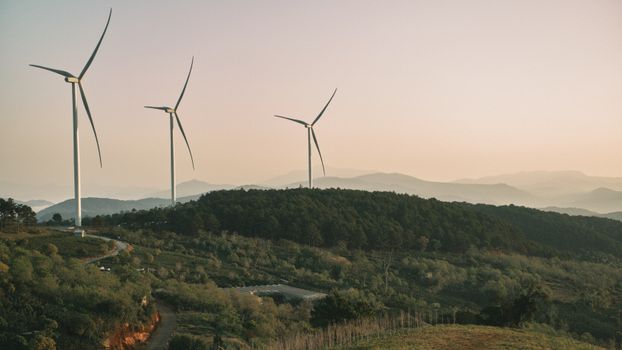 Photo: Hoài Nam / Pexels
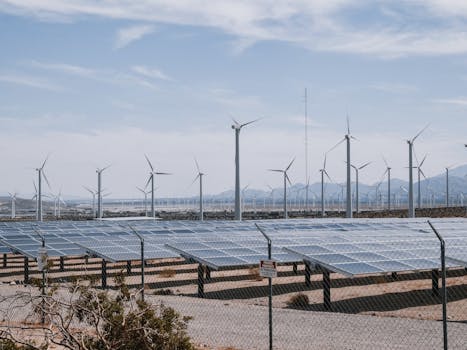 Photo: Kindel Media / Pexels
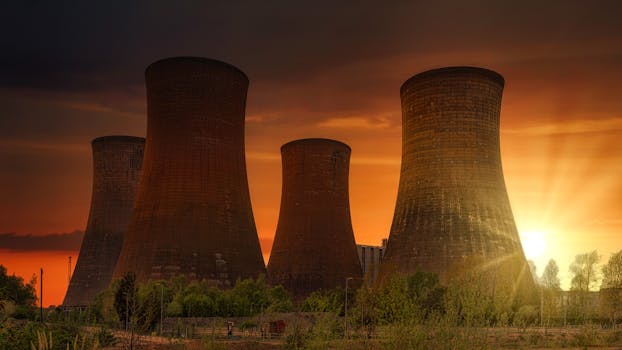 Photo: Johannes Plenio / Pexels
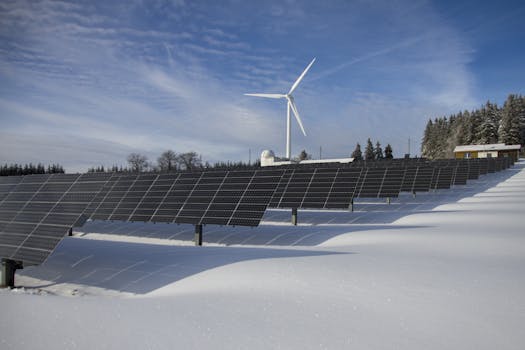 Photo: Pixabay / Pexels