Unlocking the Future of Energy Production
future of energy production

Unlocking the Future of Energy Production

Discover how groundbreaking technologies and strategic shifts are reshaping the US energy landscape for a sustainable tomorrow.

Explore the Future

Key Takeaways

  • ✓ Renewable energy sources are projected to dominate new US power generation capacity.
  • ✓ Battery storage technology is crucial for stabilizing intermittent renewable energy.
  • ✓ Advanced nuclear reactors offer a carbon-free, baseload power solution.
  • ✓ Grid modernization is essential for integrating diverse energy sources and improving resilience.

How It Works

1
Diversify Energy Sources

The US is moving beyond fossil fuels by investing heavily in solar, wind, geothermal, and hydro power. This diversification reduces reliance on single fuel types and enhances energy security.

2
Integrate Smart Grid Technologies

Modernizing the electricity grid with smart sensors, AI, and two-way communication allows for efficient energy distribution. This integration helps manage fluctuating renewable inputs and optimizes consumption.

3
Advance Storage Solutions

Large-scale battery storage, pumped hydro, and other innovative storage methods are vital for capturing excess renewable energy. Stored energy can then be dispatched when needed, ensuring a reliable supply.

4
Embrace Decentralized Generation

More homes and businesses are generating their own power through rooftop solar and microgrids. This decentralization reduces strain on the central grid and improves local energy resilience.

The Shifting Landscape: Renewable Energy Dominance

Aerial view of wind turbines amidst colorful farmland in Kosina, Poland during sunset. Photo: Mirek Kielar / Pexels
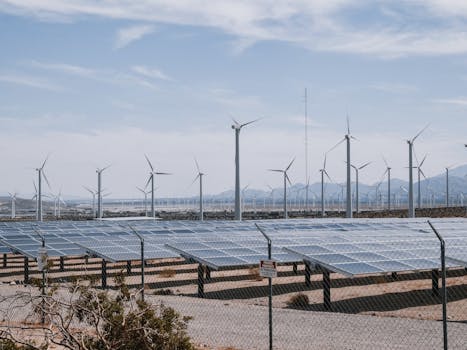
The United States stands at the precipice of a monumental energy transformation, with renewable sources poised to redefine the very fabric of our power grid. This isn't merely an incremental shift; it's a fundamental re-engineering of how we generate, distribute, and consume electricity. Solar and wind power, once niche technologies, are now the fastest-growing sectors in US energy, driven by plummeting costs, technological advancements, and increasing public and political will to combat climate change. Projections from the Energy Information Administration (EIA) consistently show renewables accounting for the vast majority of new electricity generation capacity additions in the coming years. This dominance isn't just about utility-scale projects; distributed generation, particularly rooftop solar, is empowering individual consumers and communities to become active participants in energy production. Understanding these dynamics is crucial for anyone looking to grasp the future. However, the integration of such variable sources presents significant challenges. The sun doesn't always shine, and the wind doesn't always blow. This intermittency necessitates sophisticated solutions, primarily in energy storage and grid management. Large-scale battery storage, such as lithium-ion systems, is rapidly deploying to capture excess renewable energy during peak production times and release it when demand is high or generation is low. Beyond batteries, innovations in pumped-hydro storage, compressed air energy storage, and even hydrogen production are gaining traction as long-duration storage options. The sheer scale of this transition requires not only technological prowess but also robust policy frameworks and substantial infrastructure investment. The economic benefits are also compelling, with job creation in manufacturing, installation, and maintenance of renewable technologies providing a significant boost to local economies across the nation. This shift is not just about environmental sustainability; it's about economic opportunity and national energy security, reducing reliance on volatile global fuel markets.

Nuclear Renaissance: Advanced Reactors and Fusion Power

Exterior of huge cooling towers located in contemporary atomic power plant against bright setting sun under dramatic dark sky Photo: Johannes Plenio / Pexels
While renewable energy captures much of the spotlight, the future of energy production in the US also heavily relies on a strategic re-evaluation and advancement of nuclear power. Traditional large-scale nuclear reactors, while carbon-free, have faced challenges related to cost, construction timelines, and public perception. However, a new generation of nuclear technology is emerging, promising to address many of these concerns. Small Modular Reactors (SMRs) are at the forefront of this nuclear renaissance. These reactors are significantly smaller than conventional plants, can be factory-built and transported to site, drastically reducing construction costs and schedules. Their modular design allows for scalability and deployment in diverse locations, including remote areas or industrial sites needing reliable process heat. SMRs also boast enhanced safety features, often relying on passive cooling systems that don't require external power to prevent meltdowns. Beyond SMRs, research into even more advanced reactor designs, such as molten salt reactors and fast reactors, is progressing. These designs promise higher fuel efficiency, reduced waste, and the ability to consume existing nuclear waste, effectively turning a problem into a resource. The long-term vision extends to fusion power, the holy grail of clean energy. Fusion, which mimics the process that powers the sun, promises virtually limitless, clean energy with minimal radioactive waste. While still decades away from commercial viability, significant breakthroughs in magnetic confinement (tokamaks) and inertial confinement fusion are accelerating research. Major projects like the ITER experiment in France, with significant US contributions, are pushing the boundaries of what's possible. The potential for a future powered by safe, abundant, and carbon-free nuclear energy, both fission and fusion, remains a critical component of the US energy strategy.

Grid Modernization and Energy Storage Innovations

Illuminated power tower against a starry night sky, showcasing energy infrastructure. Photo: Christopher Borges / Pexels
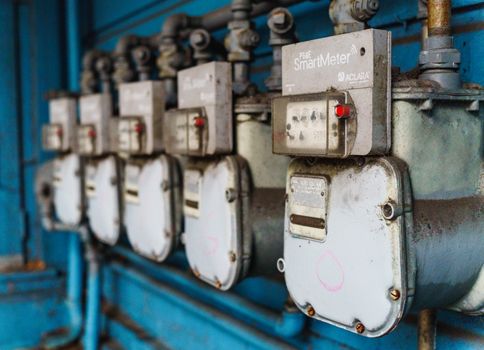
The efficacy of integrating diverse energy sources, particularly variable renewables, hinges critically on the modernization of the US electricity grid and the continuous innovation in energy storage solutions. Our current grid, largely built in the 20th century, was designed for centralized, one-way power flow from large fossil fuel plants. The future demands a smart, resilient, and bidirectional grid capable of handling distributed generation, fluctuating inputs, and real-time demand response. This 'smart grid' incorporates advanced sensors, digital communication technologies, artificial intelligence, and machine learning to optimize energy flow, predict outages, and allow consumers to manage their energy use more effectively. It's about creating a dynamic network where power can flow from anywhere to anywhere, adapting instantly to changing conditions. Smart grid technologies also enable demand-side management, where utilities can incentivize consumers to shift their energy consumption to off-peak hours, reducing strain on the grid and making better use of renewable generation. Energy storage is the indispensable partner to grid modernization. While lithium-ion batteries are currently dominant for short-to-medium duration storage, the need for long-duration storage (LDS) is paramount to achieve a truly reliable, high-renewable grid. Innovations in LDS include various forms of mechanical storage like pumped-hydro (which currently accounts for over 95% of utility-scale storage), compressed air energy storage (CAES), and gravity-based systems. Chemical storage, beyond lithium-ion, involves flow batteries that separate power and energy components, offering longer discharge durations. Thermal energy storage, using molten salts or other materials to store heat, is also gaining traction, particularly for concentrated solar power plants or industrial applications. Furthermore, the concept of a 'hydrogen economy' is gaining momentum, where excess renewable electricity is used to produce green hydrogen through electrolysis. This hydrogen can then be stored and used as fuel for power generation, transportation, or industrial processes, acting as a flexible energy carrier. These storage solutions, coupled with a smarter grid, are foundational to ensuring energy reliability and resilience in a renewable-dominated future.

Navigating Challenges: Cybersecurity, Infrastructure, and Policy

Low angle shot of a metal power transmission tower with cables against a clear sky. Photo: Budget Bizar / Pexels
While the promise of a clean, sustainable energy future is bright, several significant challenges must be addressed to realize its full potential. One of the most critical is cybersecurity. As the grid becomes more digitized and interconnected, it also becomes more vulnerable to cyberattacks. A successful attack on critical energy infrastructure could have catastrophic consequences, leading to widespread power outages and economic disruption. Protecting against these threats requires continuous investment in advanced cybersecurity measures, robust protocols, and a skilled workforce dedicated to defending our energy systems. Another substantial hurdle is infrastructure development and upgrades. Building new transmission lines to connect remote renewable energy sites to population centers, upgrading aging distribution networks, and deploying charging infrastructure for electric vehicles all require massive capital investment and streamlined permitting processes. The 'not in my backyard' (NIMBY) phenomenon often delays or even halts crucial projects. Furthermore, ensuring grid resilience against extreme weather events, which are becoming more frequent and intense due to climate change, is paramount. This involves hardening infrastructure, developing microgrids, and implementing advanced outage prediction and response systems. Policy and regulatory frameworks also play a pivotal role. Consistent, long-term policy signals are essential to drive private investment in new technologies and infrastructure. This includes tax incentives, carbon pricing mechanisms, and regulations that encourage innovation while ensuring fair competition and consumer protection. A fragmented regulatory landscape across states can hinder national energy goals. Finally, workforce development is crucial. The transition to a new energy economy requires training a new generation of engineers, technicians, and skilled laborers to design, build, operate, and maintain these advanced energy systems. Without a skilled workforce, even the most innovative technologies will remain unrealized. Key Challenges to Overcome: * **Cybersecurity Threats:** Protecting digital infrastructure from malicious attacks. * **Infrastructure Investment:** Funding and building new transmission and distribution lines. * **Permitting & Siting:** Streamlining processes for new energy projects. * **Grid Resilience:** Fortifying against extreme weather and physical threats. * **Policy Stability:** Establishing consistent long-term energy policies. * **Workforce Development:** Training skilled labor for the new energy economy.

Comparison

FeatureRenewables (Solar/Wind)Advanced Nuclear (SMRs)Fossil Fuels (with CCS)
Carbon EmissionsVery LowZeroLow (with CCS)
Fuel Cost VolatilityVery LowLowHigh
IntermittencyHigh (requires storage)NoneNone
Energy DensityLowVery HighHigh
Waste ManagementMinimal (recycling potential)Manageable (long-term)Significant (CO2 capture)
Deployment SpeedFast (modular)Medium (modular)Fast (existing tech)

What Readers Say

"This article provided an incredibly comprehensive look at the future of energy production. I particularly appreciated the detailed breakdown of how grid modernization and storage are integral to integrating renewables. It clarified so many complex topics for me."

Alex P. · Austin, TX

"As an energy researcher, I found the analysis on advanced nuclear and fusion power to be exceptionally well-articulated. It offers a balanced perspective on their potential role alongside renewables, which is often overlooked in mainstream discussions."

Dr. Sarah Chen · Berkeley, CA

"I'm always skeptical of future predictions, but this piece laid out a very convincing and actionable roadmap for the future of energy production. The focus on overcoming challenges like cybersecurity and infrastructure gives me confidence that real solutions are being considered."

Mark T. · Phoenix, AZ

"Very informative! I learned a lot about the different storage solutions beyond just batteries. While I wish there was a bit more on community-level energy initiatives, the overall depth and clarity were excellent."

Emily R. · Denver, CO

"From an industrial perspective, the discussion on energy density and the role of SMRs was particularly relevant. This article helps me understand how our manufacturing facilities might adapt to future energy sources and costs."

Carlos M. · Detroit, MI

Frequently Asked Questions

What is the most promising renewable energy source for the future of energy production in the US?

Both solar and wind power are exceptionally promising, and their combined deployment is critical. Solar energy's costs have plummeted, making it highly competitive, while wind power offers significant capacity, especially in onshore and offshore locations. The future will see them working in tandem, supported by advanced storage solutions.

Is nuclear power truly safe and will it be part of the future energy mix?

Yes, modern nuclear power, particularly with the advent of Small Modular Reactors (SMRs) and advanced designs, is considered very safe and is expected to be a crucial component of the future energy mix. These new reactors incorporate passive safety features and have a smaller environmental footprint, offering reliable, carbon-free baseload power.

How will the US grid handle the increased amount of intermittent renewable energy?

The US grid will handle increased intermittent renewable energy through significant modernization efforts. This includes deploying advanced smart grid technologies for real-time monitoring and control, investing heavily in diverse energy storage solutions (batteries, pumped hydro, hydrogen), and fostering demand-side management programs to balance supply and demand dynamically.

What are the biggest financial barriers to the future of energy production?

The biggest financial barriers include the high upfront capital costs for new infrastructure (both generation and transmission), the need for consistent policy incentives to attract private investment, and the costs associated with upgrading and securing the existing grid. However, declining technology costs for renewables are helping to mitigate some of these challenges.

How do electric vehicles (EVs) fit into the future of energy production and consumption?

EVs are central to the future of energy. As they become widespread, they will significantly increase electricity demand, necessitating more clean generation. Crucially, EVs can also act as mobile storage units, potentially feeding power back to the grid (Vehicle-to-Grid or V2G technology) during peak demand or emergencies, further stabilizing the energy system.

Who benefits most from the shift towards a sustainable energy future in the US?

Ultimately, everyone benefits. Consumers gain from more stable and potentially lower energy costs, improved air quality, and enhanced energy security. The US economy benefits from job creation in new industries, technological leadership, and reduced reliance on volatile global fossil fuel markets. Future generations benefit from a cleaner, more sustainable planet.

What are the environmental risks associated with new energy technologies?

While new energy technologies significantly reduce carbon emissions, some environmental risks remain. For example, large-scale renewable projects require land use, manufacturing of components can have resource impacts, and battery disposal needs careful management. Advanced nuclear power produces radioactive waste that requires long-term storage. Research and regulation aim to minimize these impacts.

What major trends will shape the future of energy production in the next 10-20 years?

The next 10-20 years will be shaped by the accelerating deployment of solar and wind, significant advancements in battery and long-duration energy storage, the emergence of Small Modular Reactors (SMRs), widespread grid modernization and digitalization, and the increasing role of green hydrogen as an energy carrier. Decentralized energy systems and robust cybersecurity will also be key trends.

The future of energy production in the US is a dynamic landscape of innovation and opportunity. By understanding these transformative trends, you can better prepare for the coming changes and contribute to a more sustainable, resilient, and prosperous energy future for all.

Topics: future of energy productionrenewable energy USenergy innovationsustainable powergrid modernization
Leo List
Brampton weed
Adultwork EstrelaBet Vai de Bet R7 Bet Betão Galera Bet Rainbet Bet9ja Shop SportyBet BetKing Sisal Loto Foot Hollywoodbets YesPlay Odibets RushBet Jugabet BetWarrior BetCity MSport betPawa Fortebet