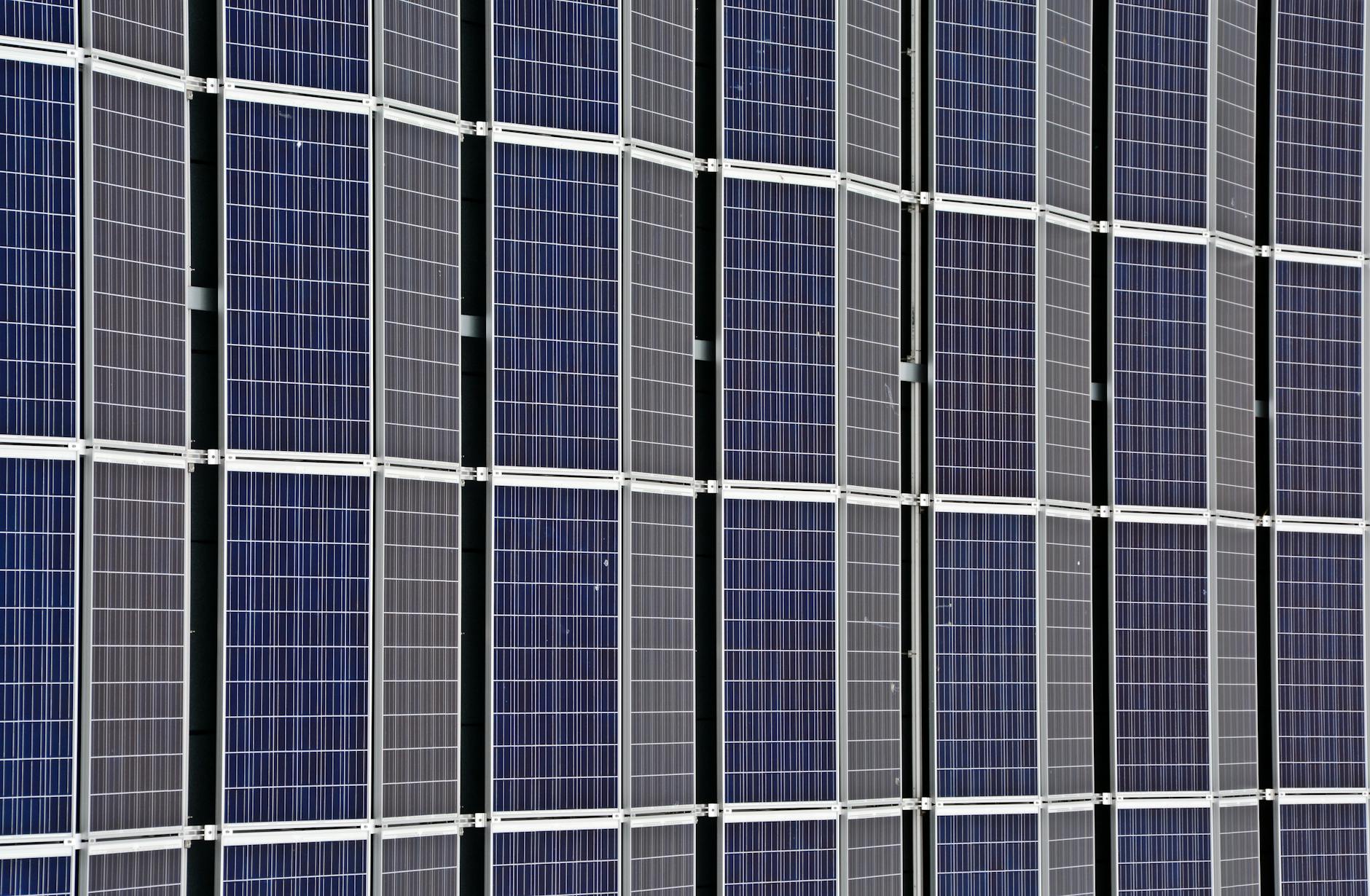
The Future of Energy Consumption: Powering Tomorrow
future of energy consumption

The Future of Energy Consumption: Powering Tomorrow

Discover how innovation and sustainability are reshaping how we power our lives, homes, and industries.

Explore the Future

Key Takeaways

  • ✓ Renewable energy sources are projected to dominate new power generation capacity.
  • ✓ Smart grid technologies will enable more efficient energy distribution and consumption.
  • ✓ Energy storage solutions are critical for integrating intermittent renewable sources.
  • ✓ Decentralized energy systems will empower consumers with greater control over their energy use.

How It Works

1
Decentralization of Power

Traditional centralized power plants will be supplemented by distributed energy resources like rooftop solar and community microgrids. This shifts power generation closer to the point of consumption, increasing resilience and efficiency.

2
Smart Grid Integration

Advanced sensors, communication networks, and artificial intelligence will optimize energy flow across the grid. This allows for real-time demand response, minimizing waste and maximizing the use of renewable energy.

3
Advanced Energy Storage

Breakthroughs in battery technology and other storage methods will enable excess renewable energy to be stored and dispatched when needed. This addresses the intermittency of solar and wind, ensuring a consistent power supply.

4
Consumer Empowerment

Individuals and businesses will have more tools to monitor, manage, and even generate their own energy. This includes smart home devices, electric vehicle integration, and participation in virtual power plants.

The Shifting Landscape of Energy Generation in the US
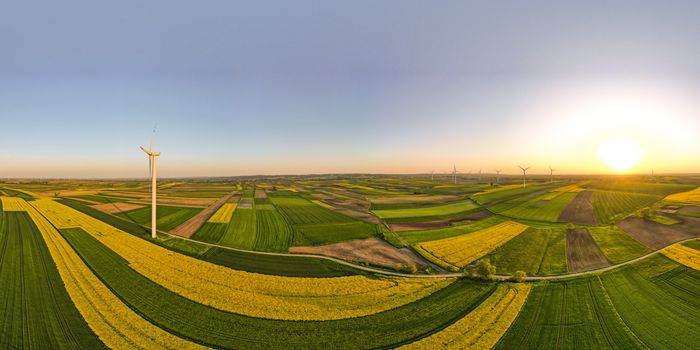
Aerial view of wind turbines amidst colorful farmland in Kosina, Poland during sunset. Photo: Mirek Kielar / Pexels
The United States is on the cusp of a monumental transformation in how it generates and consumes energy. For decades, fossil fuels have been the bedrock of our power infrastructure, providing a consistent, albeit environmentally costly, supply. However, increasing awareness of climate change, coupled with remarkable advancements in renewable technologies, is rapidly accelerating a paradigm shift. The future of energy consumption is intrinsically linked to the future of energy generation, and the trends are clear: a move towards cleaner, more diversified, and more localized sources. Solar and wind power, once niche technologies, are now among the most cost-effective forms of new electricity generation. Utility-scale solar farms are sprouting up across sun-drenched states, while wind turbines dot landscapes from the plains to offshore coastal waters. These aren't just environmental initiatives; they are economic powerhouses, creating jobs and driving down electricity costs in many regions. Beyond solar and wind, other renewable sources like geothermal, hydropower, and biomass continue to play vital roles, often providing baseload power or specialized energy solutions. The investment in these technologies is staggering, fueled by government incentives, corporate sustainability goals, and growing public demand. This diversification reduces reliance on volatile global fossil fuel markets and enhances national energy security. Furthermore, nuclear power, though controversial, is seeing renewed interest as a carbon-free baseload option, with new reactor designs promising enhanced safety and efficiency. This mosaic of energy sources demands a more flexible and resilient grid, capable of integrating intermittent renewables while maintaining stability. The transition isn't merely about swapping one fuel source for another; it's about fundamentally rethinking the entire energy ecosystem, from generation to transmission to consumption. This foundational change sets the stage for a future where energy is not only cleaner but also more accessible and reliable. The implications for industries, urban planning, and individual households are profound, signaling a departure from the energy norms of the 20th century. This transformation is not without its challenges, including grid modernization and ensuring equitable access, but the trajectory towards a renewable-dominated generation mix is undeniable and rapidly gaining momentum across the nation.

Smart Grids and Digitalization: Optimizing Energy Flow
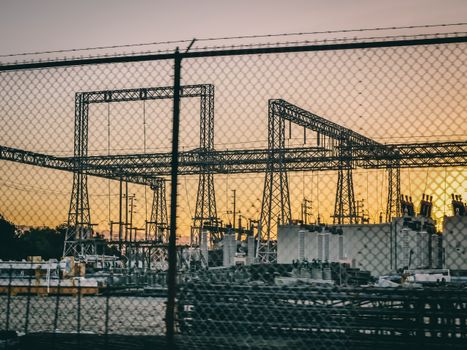
Industrial electric power substation photographed at sunset with fence in the foreground. Photo: Kindel Media / Pexels
A crucial enabler for the evolving energy landscape is the widespread adoption and advancement of smart grid technologies. The traditional power grid, largely unchanged for a century, was designed for one-way electricity flow from large central power plants to consumers. This model is inefficient and ill-equipped to handle the complexities of modern energy generation, especially the integration of variable renewable sources. Smart grids represent a fundamental upgrade, leveraging digital communication, sensors, and advanced analytics to create a two-way flow of information and electricity. This digitalization allows utilities to monitor and manage the grid in real-time, anticipate demand fluctuations, detect outages instantly, and reroute power more efficiently. For instance, during peak demand, a smart grid can automatically adjust voltage levels or activate demand response programs, reducing strain on the system without requiring new power plants. It also facilitates the seamless integration of distributed energy resources (DERs) like rooftop solar panels, electric vehicle charging stations, and battery storage systems, treating them not just as loads but as potential contributors to the grid. The ability of smart grids to communicate with smart devices in homes and businesses further revolutionizes energy consumption. Imagine your thermostat automatically adjusting based on real-time electricity prices, or your electric vehicle charging during off-peak hours when renewable energy is abundant. This level of optimization not only reduces energy waste but also lowers costs for consumers and enhances the grid's overall resilience against extreme weather events and cyber threats. The development of artificial intelligence and machine learning is further supercharging smart grid capabilities, allowing for predictive maintenance, more accurate forecasting of renewable energy output, and even more sophisticated demand-side management. The investment in smart grid infrastructure is substantial, but the long-term benefits in terms of reliability, efficiency, and environmental impact are immense. This technological backbone is indispensable for realizing the full potential of a renewable energy future and ensuring that the complex interplay of diverse energy sources operates harmoniously and effectively. Without smart grids, the transition to a sustainable energy future would be far more challenging, if not impossible, making them a cornerstone of the future of energy consumption.

The Rise of Energy Storage and Decentralized Systems

Top view of neatly arranged batteries in a box on a contrasting blue surface. Photo: Ramesh Kambattan / Pexels
The intermittency of renewable energy sources—the sun doesn't always shine, and the wind doesn't always blow—has historically been a significant challenge. However, rapid advancements in energy storage technologies are overcoming this hurdle, making a 100% renewable grid a much more tangible reality. Battery storage, particularly lithium-ion, has seen dramatic cost reductions and efficiency improvements, making it viable for both utility-scale applications and behind-the-meter installations in homes and businesses. These batteries can store excess renewable energy generated during periods of high production and release it when demand is high or renewable output is low, effectively smoothing out the supply. Beyond batteries, other storage solutions are gaining traction, including pumped-hydro storage, compressed air energy storage (CAES), and even thermal energy storage. These diverse technologies offer varying durations and capacities, providing a comprehensive toolkit for managing energy supply and demand. Hand-in-hand with energy storage is the growing trend of decentralized energy systems. Instead of relying solely on large, distant power plants, communities and individual facilities are increasingly adopting microgrids and distributed generation. Microgrids are localized energy grids that can operate independently from the main grid, providing enhanced resilience during outages. They often combine local generation (like solar panels), storage (batteries), and smart controls to serve a specific area, such as a university campus, military base, or even an entire town. This decentralization empowers communities to take greater control over their energy supply, reducing transmission losses and increasing energy security. It also fosters innovation at the local level, allowing for tailored energy solutions that meet specific regional needs. The integration of electric vehicles (EVs) into this decentralized model is also a game-changer, as their batteries can potentially serve as mobile energy storage units, participating in vehicle-to-grid (V2G) programs. This means EVs could not only draw power from the grid but also feed power back during peak demand or emergencies, further enhancing grid flexibility and resilience. The synergy between advanced energy storage and decentralized systems is a powerful force shaping the future of energy consumption, moving us towards a more robust, flexible, and sustainable energy infrastructure.

Empowering Consumers: Efficiency, Electrification, and Engagement
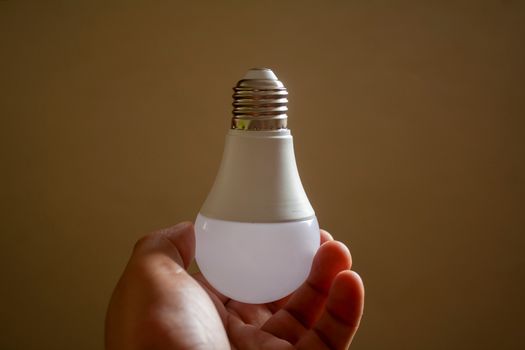
Close-up of a hand holding an energy-efficient LED bulb, emphasizing sustainability and innovation. Photo: Arturo Añez. / Pexels
The future of energy consumption isn't just about how power is generated and distributed; it's profoundly about how consumers interact with and utilize that energy. A major pillar of this transformation is energy efficiency. Simply put, the cheapest and cleanest energy is the energy we don't use. Advancements in building materials, appliance technology, and industrial processes are continuously reducing per-capita energy demand. Smart home devices, from thermostats to lighting systems, offer unprecedented control, allowing users to optimize energy use based on occupancy, time of day, and even real-time energy prices. Behavioral changes, often nudged by these technologies and clear feedback mechanisms, also play a significant role in reducing overall consumption. Beyond efficiency, electrification is a key trend. Many sectors traditionally reliant on fossil fuels, such as transportation and heating, are rapidly transitioning to electricity. The widespread adoption of electric vehicles (EVs) is a prime example, with charging infrastructure expanding and battery technology improving. Similarly, heat pumps are replacing traditional furnaces and boilers for space heating and cooling, offering highly efficient, electric-powered climate control. This shift to electricity, especially when powered by renewables, dramatically reduces carbon emissions across the economy. Finally, consumer engagement is paramount. The future energy consumer is not a passive recipient but an active participant in the energy ecosystem. This includes:
  • Prosumerism: Generating your own power (e.g., rooftop solar) and potentially selling excess back to the grid.
  • Demand Response Programs: Voluntarily reducing energy use during peak times in exchange for financial incentives.
  • Virtual Power Plants (VPPs): Aggregating distributed energy resources from many homes and businesses to act as a single, large power plant, providing services to the grid.
  • Energy Management Systems: Using sophisticated software and hardware to monitor and control energy use in real-time, optimizing for cost and sustainability.
These trends empower individuals and businesses with greater choice, control, and opportunities to save money while contributing to a more sustainable energy future. The focus on efficiency, electrification, and active engagement makes the consumer a central figure in shaping the ongoing energy revolution.

Comparison

FeatureRenewable EnergyFossil FuelsNuclear Power
Carbon EmissionsVery Low/ZeroHighVery Low/Zero
Fuel Cost VolatilityLow (after initial investment)HighLow
Energy SecurityHigh (diverse domestic sources)Moderate (reliance on imports)High (stable domestic supply)
Grid Integration ComplexityHigh (intermittency)Low (baseload)Low (baseload)
Waste ByproductMinimal (manufacturing)Significant (GHG, pollutants)High (radioactive waste)
Decentralization PotentialHighLowVery Low

What Readers Say

"Understanding the future of energy consumption helped me choose the right solar setup for my home. My electric bills are now significantly lower, and I feel good about my carbon footprint."

Sarah J. · Austin, TX

"This article clarified so much about smart grids and how they'll impact my business. We're now exploring demand response programs to cut costs and improve our sustainability profile."

Mark P. · Denver, CO

"After reading this, I installed a smart thermostat and tracked my energy usage more closely. I've reduced my monthly energy consumption by 15%, saving over $50 a month!"

Emily R. · Boston, MA

"The insights on energy storage were particularly useful. While the transition will be complex, it's clear the US is making significant strides towards a more resilient and sustainable energy future."

David L. · San Francisco, CA

"As a homeowner, I was overwhelmed by all the new energy options. This article broke down the future of energy consumption into clear, actionable steps for me to consider for my home and vehicle."

Maria G. · Miami, FL

Frequently Asked Questions

What are the biggest drivers shaping the future of energy consumption?

The biggest drivers include the urgent need to address climate change, rapid technological advancements in renewable energy and storage, increasing consumer demand for sustainable options, and government policies and incentives promoting cleaner energy. These factors collectively push for a more diversified, efficient, and smarter energy system.

Is renewable energy truly reliable enough to power the entire US?

While renewable energy sources like solar and wind are intermittent, advancements in energy storage (batteries, pumped hydro), smart grid technologies for balancing supply and demand, and diversified portfolios of renewables (e.g., combining solar with geothermal or hydropower) are making a fully renewable grid increasingly feasible and reliable. The key lies in robust infrastructure and smart management.

How can I reduce my household's energy consumption effectively?

You can reduce your household's energy consumption by upgrading to energy-efficient appliances, improving home insulation, installing smart thermostats, switching to LED lighting, considering rooftop solar, and adopting energy-saving habits like unplugging electronics. Participating in utility demand response programs can also offer savings and help the grid.

What is the economic impact of transitioning to a new energy consumption model?

The transition involves significant initial investments in new infrastructure, but it also creates millions of new jobs in manufacturing, installation, and maintenance of renewable technologies. Long-term, it can lead to more stable energy prices, reduced reliance on volatile fossil fuel markets, and economic growth driven by innovation and energy independence.

How do smart grids differ from traditional power grids?

Traditional grids are largely one-way, delivering power from centralized plants to consumers. Smart grids, in contrast, use digital communication and sensors to enable two-way information and power flow. This allows for real-time monitoring, optimized energy distribution, integration of distributed energy resources, and more efficient demand management, enhancing reliability and resilience.

Who should be concerned about the future of energy consumption?

Everyone should be concerned about the future of energy consumption. Homeowners will see changes in utility bills and available technologies. Businesses will face new regulations and opportunities for efficiency. Policymakers must guide the transition. And all citizens will benefit from a cleaner environment and a more stable energy supply, or face the consequences of inaction.

Are there any risks associated with the rapid shift to new energy technologies?

Potential risks include the initial high costs of infrastructure upgrades, cybersecurity threats to smart grids, challenges in managing the disposal of old technologies (e.g., solar panels, batteries), and ensuring grid stability during the transition. However, these risks are being actively addressed through research, policy, and international cooperation.

What role will artificial intelligence play in the future of energy consumption?

AI will play a transformative role by optimizing grid operations, predicting energy demand and renewable supply with greater accuracy, managing distributed energy resources, and enabling predictive maintenance for energy infrastructure. AI will also power smart home systems and help consumers make more informed energy choices, leading to unprecedented efficiency.

The future of energy consumption is not a distant concept; it's unfolding now, offering unprecedented opportunities for sustainability, efficiency, and empowerment. Embrace this transformation by exploring renewable options, adopting smart technologies, and becoming an active participant in shaping a cleaner, more resilient energy landscape for generations to come. Your actions today power tomorrow.

Topics: future of energy consumptionrenewable energyenergy efficiencysmart gridssustainable energy
Leo List
Brampton weed
Adultwork EstrelaBet Vai de Bet R7 Bet Betão Galera Bet Rainbet Bet9ja Shop SportyBet BetKing Sisal Loto Foot Hollywoodbets YesPlay Odibets RushBet Jugabet BetWarrior BetCity MSport betPawa Fortebet