✓ Renewable energy sources replenish naturally and are virtually inexhaustible.
✓ Solar and wind power are currently the fastest-growing types of renewable energy in the US.
✓ Hydropower remains the largest source of renewable electricity generation globally.
✓ Geothermal energy utilizes heat from the Earth's core for consistent power generation.
How It Works
1
Harnessing Natural Forces
Renewable energy systems capture power from natural processes like sunlight, wind, or flowing water. This initial capture converts raw natural energy into a usable form.
2
Conversion to Electricity
The captured energy is then converted into electricity through various technologies, such as photovoltaic panels for solar or turbines for wind and hydro. This conversion process is crucial for integration into existing grids.
3
Grid Integration and Storage
Once converted, the electricity is fed into the power grid for distribution or stored in batteries for later use. Effective integration ensures a stable and reliable supply of energy.
4
Powering Homes & Businesses
Finally, this clean electricity reaches homes, businesses, and industries, reducing reliance on fossil fuels and mitigating environmental impact. The end-user benefits from sustainable and often more affordable energy.
Solar Power: The Abundant Energy of the Sun
Photo: Michael Pointner / Pexels
Solar power stands as one of the most promising and widely discussed types of renewable energy. Its fundamental principle involves converting sunlight into electricity, primarily through photovoltaic (PV) panels or concentrated solar power (CSP) systems. PV panels, composed of semiconductor materials like silicon, absorb photons from sunlight, which dislodges electrons and generates an electric current. This direct current (DC) is then converted into alternating current (AC) by an inverter, making it suitable for use in homes, businesses, and the electrical grid. CSP systems, on the other hand, use mirrors to concentrate sunlight onto a receiver, heating a fluid that then drives a turbine to produce electricity, similar to conventional power plants but without burning fossil fuels. The growth of solar energy in the United States has been phenomenal, driven by decreasing technology costs, government incentives, and increasing environmental awareness. From rooftop installations on residential homes to vast utility-scale solar farms sprawling across sun-drenched landscapes, solar power is becoming an increasingly significant contributor to the nation's energy mix. Its modular nature allows for deployment at various scales, from small off-grid systems to massive grid-connected power plants. The intermittency of solar power, meaning it only generates electricity when the sun is shining, is often cited as a challenge. However, advancements in battery storage technology and smart grid solutions are rapidly addressing this issue, allowing excess solar energy generated during peak sunlight hours to be stored and dispatched when needed, even after sunset. Furthermore, the environmental benefits of solar power are substantial. It produces no greenhouse gas emissions during operation, contributes to improved air quality, and reduces water usage compared to many traditional energy sources. The lifecycle emissions associated with manufacturing and installation are significantly lower than those of fossil fuel-based electricity generation. As technology continues to improve and economies of scale are achieved, solar power is poised to play an even larger role in our transition to a sustainable energy future, offering a clean, reliable, and increasingly affordable alternative to conventional power sources. For a deeper dive into sustainable practices, explore this guide to sustainable living.
Wind Energy: Harnessing the Invisible Power of Air
Photo: Visual Entity / Pexels
Wind energy is another cornerstone among the various types of renewable energy, leveraging the kinetic energy of moving air to generate electricity. Wind turbines, the iconic structures of this technology, capture wind's force with their large rotor blades. As wind passes over the blades, it creates aerodynamic lift and drag, causing the rotor to spin. This rotational energy is then transferred to a generator, which converts it into electricity. Modern wind turbines are highly sophisticated machines, designed to operate efficiently across a range of wind speeds and often reaching impressive heights to access stronger, more consistent winds. Wind farms, collections of multiple wind turbines, can be found both on land (onshore) and in coastal waters (offshore). Offshore wind farms, in particular, are gaining traction due to higher and more consistent wind speeds over the ocean, leading to greater energy production potential. While their installation and maintenance can be more complex, the benefits of offshore wind are substantial, including minimal visual impact for many communities and reduced noise concerns. The United States has seen significant growth in wind energy capacity, particularly in states with strong wind resources like Texas, Iowa, and Oklahoma. This growth is supported by technological advancements that make turbines more efficient and durable, as well as by policies promoting clean energy. Like solar, wind energy is intermittent; it produces electricity only when the wind blows. However, similar to solar, advancements in grid management, forecasting, and energy storage are making wind power an increasingly reliable component of the energy grid. The environmental advantages of wind energy are compelling. It's a clean source of electricity that produces no greenhouse gas emissions or air pollutants during operation. It also conserves water resources, as it doesn't require water for cooling, unlike thermal power plants. While concerns about avian mortality and visual impact exist, ongoing research and development are leading to mitigation strategies, such as improved turbine designs and siting practices. The economic benefits are also noteworthy, including job creation in manufacturing, installation, and maintenance, as well as lease payments to landowners who host wind turbines. As a mature and continuously evolving technology, wind energy is set to play a crucial role in decarbonizing the electricity sector and providing a sustainable power source for generations to come.
Hydropower: The Enduring Force of Flowing Water
Photo: Quang Nguyen Vinh / Pexels
Hydropower, or hydroelectric power, stands as one of the oldest and most established types of renewable energy, harnessing the immense power of flowing or falling water to generate electricity. This method typically involves constructing a dam across a river to create a reservoir. When electricity is needed, water from the reservoir is released, flowing through large pipes called penstocks. The force of this moving water spins turbines, which in turn drive generators to produce electricity. The amount of electricity generated depends on the volume of water and the height from which it falls, known as the 'head.' There are several forms of hydropower, including conventional impoundment facilities (the most common type with dams and reservoirs), run-of-river systems (which divert a portion of a river's flow through a powerhouse without a large reservoir), and pumped-storage hydropower (PSH). PSH systems are unique in that they act like a giant battery, storing energy by pumping water uphill to an upper reservoir during periods of low electricity demand and then releasing it to generate power when demand is high. This makes PSH an invaluable asset for grid stability and integrating other intermittent renewables like solar and wind. Hydropower offers significant advantages, including its reliability and dispatchability. Unlike solar or wind, hydropower can be turned on or off relatively quickly to meet fluctuating electricity demand, providing essential grid stability. Dams also offer additional benefits such as flood control, irrigation, and recreational opportunities. The United States has a long history of hydropower development, with major projects like the Hoover Dam being iconic examples of its scale and capability. While much of the large-scale hydropower potential in the US has already been developed, there is ongoing interest in upgrading existing facilities for increased efficiency and exploring smaller-scale, run-of-river projects. Environmental considerations for hydropower include impacts on aquatic ecosystems, fish migration, and sediment flow, as well as potential greenhouse gas emissions from reservoir decomposition in some climates. However, modern hydropower planning often incorporates mitigation strategies, such as fish ladders and ecological flow releases, to minimize these impacts. As a powerful, proven, and flexible source of clean electricity, hydropower continues to be a vital component of the global and US renewable energy portfolio, providing a stable backbone for the integration of other renewable sources. Understanding the broader context of energy production can be beneficial, and this resource on energy production methods offers more insights.
Emerging & Niche Renewable Energy Sources: Geothermal, Biomass, and More
Photo: Budget Bizar / Pexels
Beyond the major players, several other types of renewable energy contribute to a diversified and resilient energy future. Geothermal energy harnesses the Earth's internal heat. Geothermal power plants tap into hot water and steam reservoirs deep underground, bringing this superheated fluid to the surface to drive turbines and generate electricity. Geothermal systems can provide baseload power, meaning they operate continuously, unaffected by weather conditions, offering a highly reliable and consistent source of clean electricity. The US is a global leader in geothermal energy production, particularly in western states like California and Nevada, where geological conditions are favorable. While initial drilling costs can be high, the operational costs are relatively low, and the environmental footprint is minimal. Biomass energy involves converting organic matter—such as agricultural waste, forest residues, and dedicated energy crops—into heat, electricity, or liquid fuels. This process can occur through direct combustion, gasification, or anaerobic digestion. Biomass is considered renewable because the organic materials can be replanted or replenished. However, its sustainability depends heavily on sourcing practices to ensure that harvesting does not lead to deforestation, soil depletion, or competition with food crops. When managed sustainably, biomass can help manage waste and provide a carbon-neutral energy source over its lifecycle. Ocean energy, though still largely in its nascent stages, holds immense potential. This category includes wave energy (harnessing the motion of ocean waves), tidal energy (capturing the kinetic energy of ocean tides), and ocean thermal energy conversion (OTEC), which utilizes the temperature difference between warm surface water and cold deep-ocean water. These technologies are complex to develop and deploy due to the harsh marine environment but offer a vast, untapped energy resource, particularly for coastal communities. Each of these less common types of renewable energy offers unique benefits and challenges. Geothermal provides stable baseload power, biomass can manage waste and offer fuel flexibility, and ocean energy represents a significant future resource. Continued research, development, and investment are crucial for these technologies to scale up and contribute more substantially to our renewable energy goals, further diversifying our clean energy portfolio and reducing our reliance on fossil fuels.
Comparison
Feature
Solar
Wind
Hydropower
Geothermal
Availability
Daytime, Sunny
When Windy
Constant (with reservoir)
Constant (baseload)
Intermittency
High
High
Low
None
Footprint
Moderate (land/rooftop)
Moderate to Large
Large (reservoir)
Small (surface)
Environmental Impact
Low (operational)
Low (operational)
Moderate (ecosystem)
Very Low (operational)
Cost Trend
Decreasing
Decreasing
Stable
Stable
What Readers Say
★★★★★
"Switching to solar panels for our home was one of the best decisions we made. Our electricity bills have plummeted, and it feels great to contribute to cleaner energy. Understanding the different types of renewable energy helped us choose the right solution."
Sarah J. · Austin, TX
★★★★★
"I've always been fascinated by wind energy. Seeing the large wind farms around our state makes me proud of the strides we're making. It's a powerful and clean way to generate electricity for thousands of homes."
Mark D. · Des Moines, IA
★★★★★
"Our community recently invested in a new geothermal system for district heating, and the consistency and efficiency are remarkable. It's a testament to how diverse types of renewable energy can address different needs effectively, reducing our carbon footprint significantly."
Emily R. · Sacramento, CA
★★★★★
"Hydropower has been a backbone of the Pacific Northwest for decades, and while new large-scale projects face challenges, the reliability it offers is unmatched. It's an essential part of our energy mix, even as we integrate more solar and wind."
David L. · Portland, OR
★★★★★
"Learning about ocean energy and its potential for coastal cities like ours gives me so much hope. It's exciting to think about how these innovative types of renewable energy could power our future, adapting to unique geographical advantages."
Jessica M. · Miami, FL
Frequently Asked Questions
What are the most common types of renewable energy in the US?
The most common types of renewable energy in the US are solar, wind, and hydropower. These three sources collectively account for the vast majority of renewable electricity generation, with solar and wind experiencing rapid growth in recent years due to technological advancements and cost reductions.
Are renewable energy sources truly reliable given their intermittency?
While some renewable sources like solar and wind are intermittent, their reliability is constantly improving through advancements in energy storage (like batteries and pumped-hydro), smart grid technologies, and diversification of the energy mix. Combining different renewable types and integrating them with flexible conventional sources ensures a stable power supply.
How can I incorporate renewable energy into my home?
You can incorporate renewable energy into your home primarily through installing rooftop solar panels, which can significantly reduce or even eliminate your electricity bill. Other options include participating in community solar programs, purchasing green power from your utility, or exploring geothermal heat pumps for heating and cooling.
Is renewable energy more expensive than traditional fossil fuels?
The cost of renewable energy has dramatically decreased over the past decade, with solar and wind now often being the cheapest forms of new electricity generation. While initial installation costs can be higher for some systems, lower operational costs and government incentives often make renewable energy a more cost-effective long-term solution compared to fossil fuels, especially considering environmental and health externalities.
How do renewable energy sources compare in terms of environmental impact?
All renewable energy sources have significantly lower operational environmental impacts than fossil fuels, primarily due to zero or near-zero greenhouse gas emissions. However, each type has specific considerations: hydropower can impact aquatic ecosystems, wind turbines can affect birds, and solar panel manufacturing has a resource footprint. Ongoing research aims to minimize these impacts.
Who benefits most from adopting renewable energy solutions?
Everyone benefits from adopting renewable energy solutions through improved air quality, reduced climate change impacts, and enhanced energy security. Individuals and businesses can benefit from lower energy bills and potential tax incentives, while utilities gain a more diverse and stable energy supply. Developing countries also benefit from access to decentralized power.
What are the safety concerns associated with renewable energy technologies?
Safety concerns for renewable energy technologies are generally low compared to fossil fuels. For solar, issues might include electrical hazards during installation or fire risks from faulty wiring. Wind turbines have structural integrity and maintenance safety protocols. Hydropower dams require careful engineering and monitoring. Overall, the industry adheres to strict safety standards.
What is the future outlook for types of renewable energy in the US?
The future outlook for types of renewable energy in the US is extremely positive. Projections indicate continued rapid growth for solar and wind, significant advancements in energy storage, and increasing integration of smart grid technologies. Policy support, technological innovation, and growing public demand are driving the transition towards a predominantly renewable energy economy.
Embrace the future of energy by exploring the diverse types of renewable energy available today. Make an informed choice for a sustainable and cost-effective power solution that benefits both your wallet and the planet.
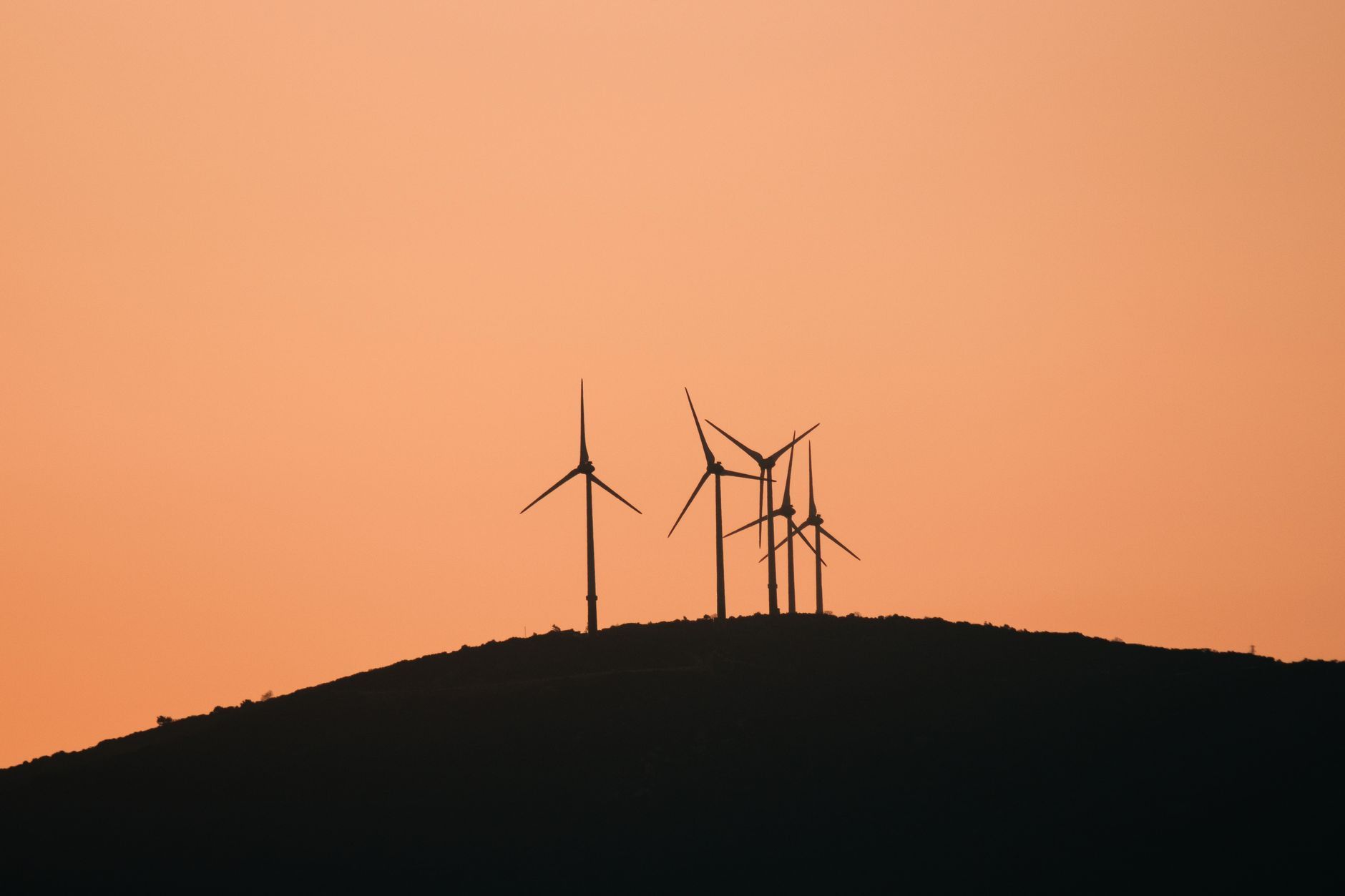
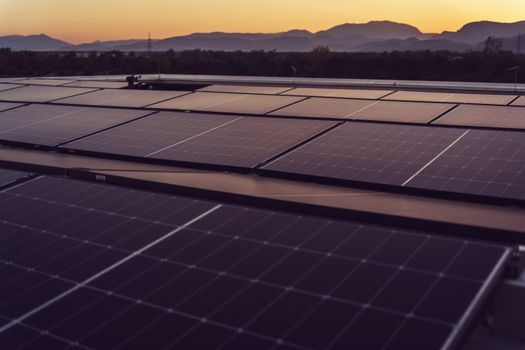 Photo: Michael Pointner / Pexels
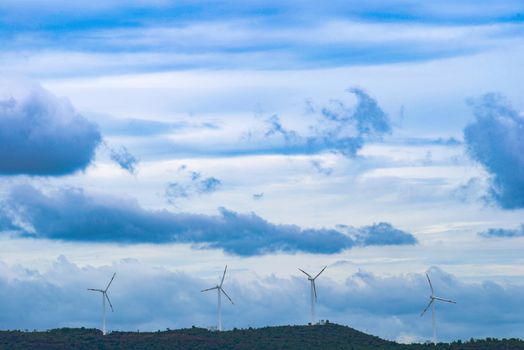 Photo: Visual Entity / Pexels
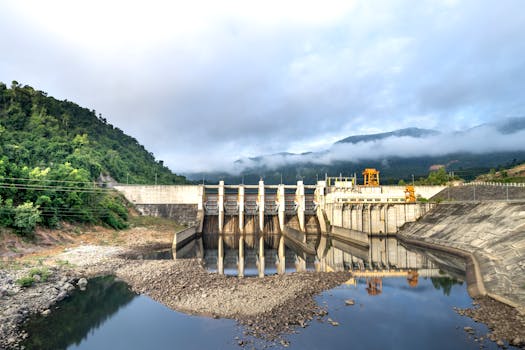 Photo: Quang Nguyen Vinh / Pexels
 Photo: Budget Bizar / Pexels