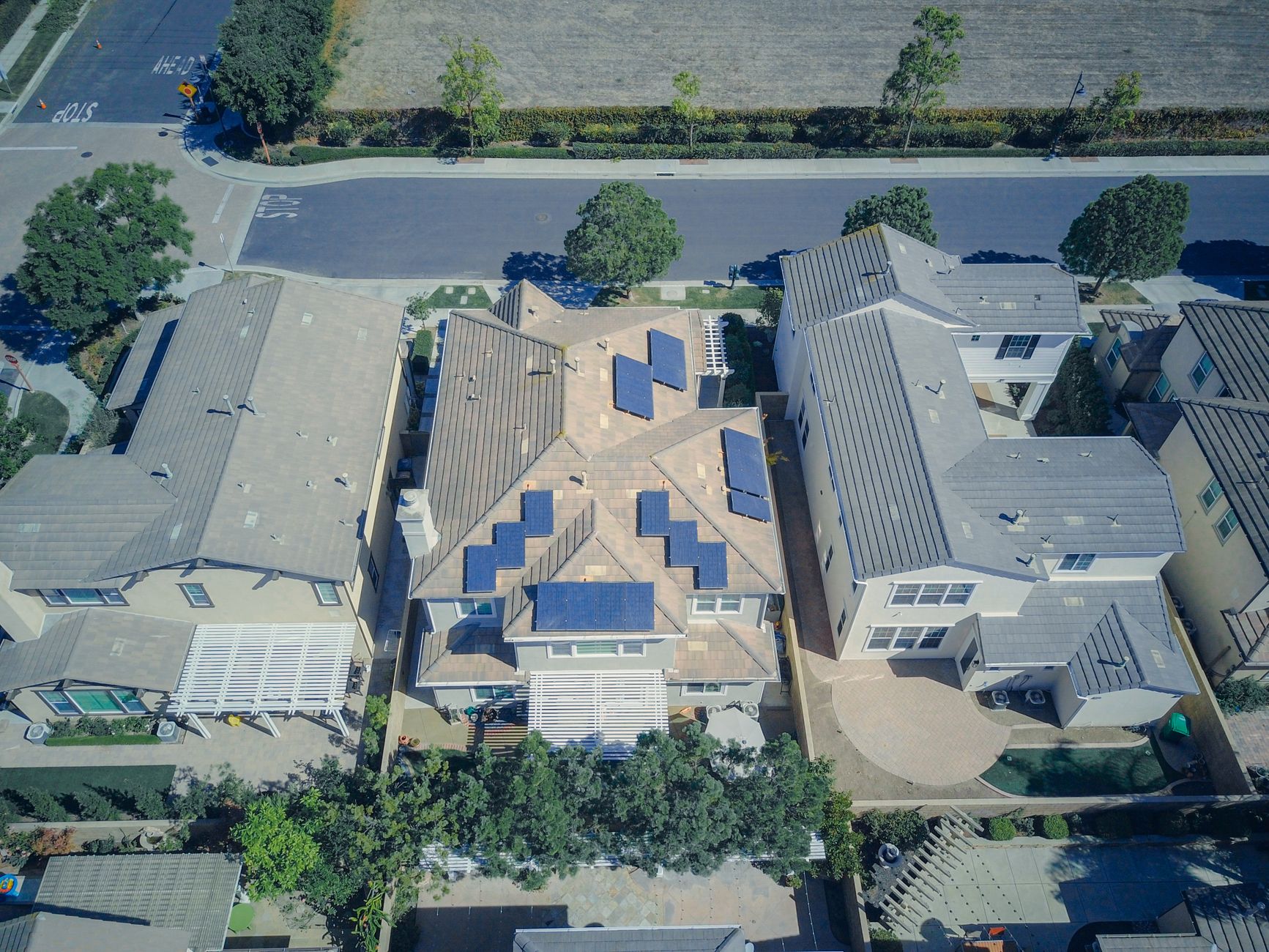
Smart Energy Storage Solutions for Home: Power Your Future
Unlock energy independence, save on electricity bills, and secure reliable backup power for your home.
Explore Your OptionsKey Takeaways
- ✓ Home energy storage systems can reduce electricity bills by optimizing energy use.
- ✓ They provide critical backup power during grid outages, ensuring household continuity.
- ✓ Integrating storage with solar panels maximizes renewable energy self-consumption.
- ✓ The market for residential energy storage is rapidly growing, offering diverse solutions.
How It Works
Solar panels (or other sources) generate electricity during peak sunlight hours. This energy powers your home directly or charges the battery.
Excess electricity not used by your home is directed to a battery storage system. This system stores the energy for later use when needed.
When solar production is low (e.g., at night) or during a power outage, the stored energy is discharged. An inverter converts the DC power to AC for home use.
The system intelligently manages energy flow, deciding whether to use stored power, draw from the grid, or even send excess back to the grid (if net metering is enabled).
Understanding Residential Energy Storage Systems
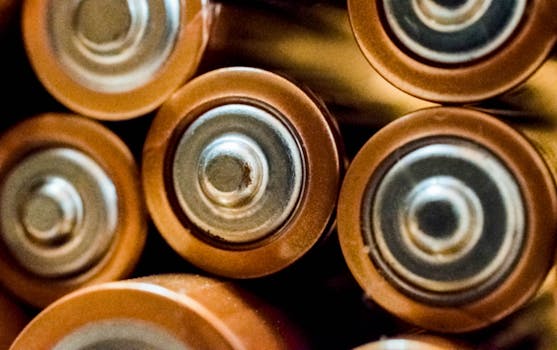 Photo: Hilary Halliwell / Pexels
Key Benefits of Home Energy Storage for Modern Households
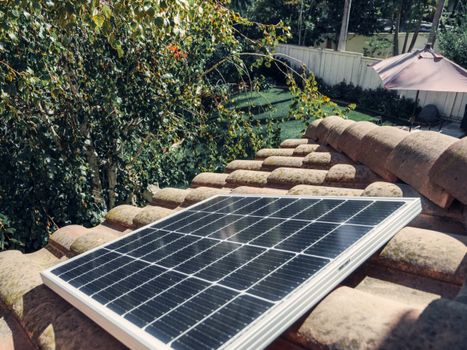 Photo: Kindel Media / Pexels
Choosing the Right Energy Storage Solutions for Your Home
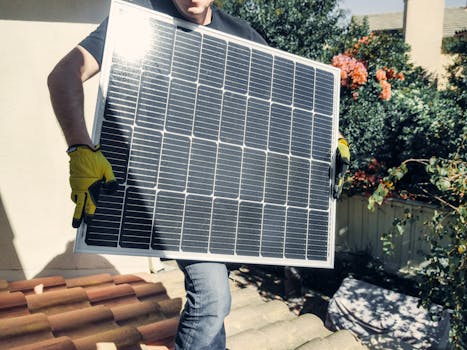 Photo: Kindel Media / Pexels
Maximizing Your Investment: Tips and Common Mistakes to Avoid
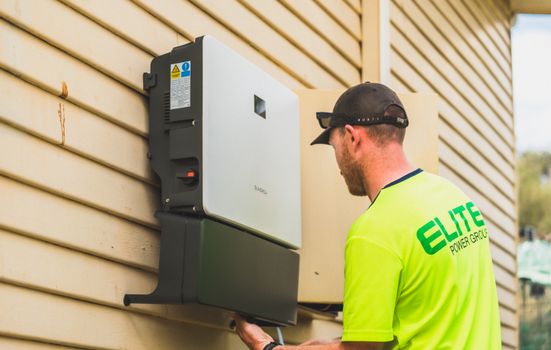 Photo: Elite Power Group / Pexels
Comparison
| Feature | Lithium-ion Battery | Lead-Acid Battery | Flow Battery |
|---|---|---|---|
| Energy Density | High | Low | Medium |
| Cycle Life | Very High | Medium | Extremely High |
| Efficiency | 90-98% | 80-90% | 75-85% |
| Cost (per kWh) | Medium-High | Low | High |
| Maintenance | Low | High | Medium |
| Environmental Impact | Recyclable (complex) | Recyclable (simpler) | Less toxic components |
What Readers Say
"Installing our Tesla Powerwall was the best decision. We've cut our electricity bill by 60% and haven't lost power once during the recent storms. It's truly transformative for our energy independence."
Sarah J. · Austin, TX"Our Enphase Encharge system integrates flawlessly with our existing solar panels. The app makes it so easy to monitor our energy usage and ensure we're always using our own solar first. Highly recommend for any solar homeowner."
Mark D. · San Diego, CA"We installed a Generac PWRcell, and it's been fantastic. During a recent 12-hour outage, our entire home ran without a hitch, including our well pump. The peace of mind alone is worth the investment."
Emily R. · Portland, OR"The LG Chem RESU battery has been a solid performer, though the initial cost was a bit steep. We're seeing consistent savings on our TOU bill, and it's great knowing we have backup, even if it's not for the whole house."
David L. · Phoenix, AZ"As someone with medical equipment, reliable power is non-negotiable. Our Sonnen ecoLinx system has provided exactly that, with seamless transitions during outages. It's more than just a battery; it's a lifeline."
Jessica M. · Boston, MAFrequently Asked Questions
What are the primary reasons to install energy storage solutions for home?
The main reasons are to reduce electricity bills by optimizing energy use (especially with time-of-use rates), provide reliable backup power during grid outages, and increase self-consumption of solar energy. These systems offer energy independence and contribute to a more sustainable lifestyle by utilizing more renewable power.
Are home battery systems safe?
Yes, modern home battery systems are designed with multiple safety features, including thermal management, fire suppression, and advanced monitoring. When professionally installed according to manufacturer guidelines and local codes, they are very safe. Reputable manufacturers adhere to strict safety standards.
How do I determine the right size battery for my home?
To determine the right size, you need to assess your daily energy consumption (in kWh) and your critical load needs during an outage (what appliances you want to run and for how long). An experienced solar and storage installer will analyze your electricity bills and conduct a home assessment to recommend the optimal battery capacity and power output.
What is the typical cost of energy storage solutions for home, and are there incentives?
The cost can range from $10,000 to $30,000+ for a complete installed system, depending on capacity, brand, and complexity. Yes, there are significant incentives, including the federal Investment Tax Credit (ITC) which offers a 30% tax credit, and various state and local rebates or utility programs that can substantially lower the net cost.
How do home battery systems compare to traditional generators for backup power?
Home battery systems are silent, emission-free, require less maintenance, and offer instant, automatic power transfer during outages. They are charged by solar or the grid. Generators, conversely, rely on fossil fuels, produce noise and emissions, require fuel storage, and often have a slight delay in activation. Batteries are better for daily energy management, while generators excel in very long-duration, high-power backup scenarios.
Who should consider installing energy storage solutions for home?
Homeowners with solar panels looking to maximize self-consumption and reduce grid reliance, those in areas with frequent power outages or high electricity rates, and individuals committed to reducing their carbon footprint should strongly consider energy storage solutions. Anyone seeking greater energy resilience and lower utility bills stands to benefit.
What are the fire risks associated with home battery storage?
While any electrical system carries some inherent risk, modern lithium-ion home batteries are engineered with advanced safety protocols to minimize fire risks. These include robust casing, internal cell monitoring, thermal management systems, and safety disconnects. Proper installation by certified professionals is paramount to ensuring safe operation and mitigating any potential hazards.
What does the future hold for residential energy storage technology?
The future is bright, with ongoing advancements focusing on increased energy density, longer lifespans, faster charging, and reduced costs. We can expect more sophisticated AI-driven energy management, seamless integration with smart grids, and the emergence of new battery chemistries that are even more sustainable and efficient. The technology will become increasingly accessible and powerful.
Ready to take control of your home's energy future? Explore the diverse energy storage solutions for home available today and discover how you can achieve greater energy independence, lower bills, and reliable backup power. Connect with certified installers to find the perfect system tailored to your needs and start your journey towards a smarter, more resilient home.