Smart Energy Saving Tips Home: Cut Bills Now
Unlock significant savings on your home energy bills with practical, impactful strategies you can implement today.
Start Saving EnergyKey Takeaways
- ✓ Heating and cooling account for nearly half of a typical U.S. home's energy consumption.
- ✓ Sealing air leaks can save 10-20% on heating and cooling costs.
- ✓ Switching to LED lighting can reduce lighting energy use by 75% or more.
- ✓ Smart thermostats can save 10-12% on heating and 15% on cooling costs annually.
How It Works
Begin by understanding where your home consumes the most energy. Review past utility bills and consider a home energy audit to pinpoint inefficiencies.
Start with easy, low-cost changes like unplugging idle electronics, adjusting thermostat settings, and sealing minor drafts. These small steps yield immediate results.
Consider more significant investments such as upgrading to energy-efficient appliances, improving insulation, or replacing old windows. These provide substantial long-term savings.
Regularly monitor your energy consumption and perform routine maintenance on heating, ventilation, and air conditioning (HVAC) systems to ensure continued efficiency and savings.
Understanding Your Home's Energy Footprint and Why It Matters
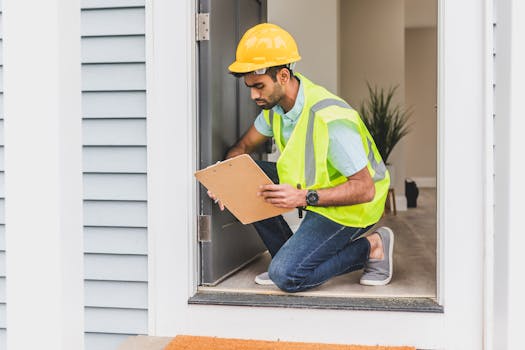 Photo: RDNE Stock project / Pexels
Mastering Your Thermostat and HVAC System for Peak Efficiency
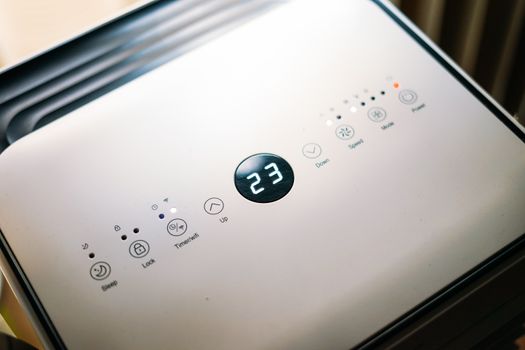 Photo: Geri Tech / Pexels
Insulation, Windows, and Sealing: Fortifying Your Home's Envelope
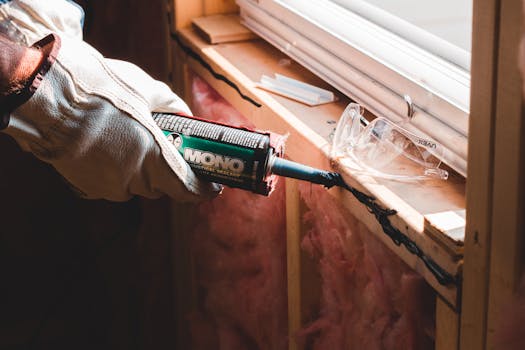 Photo: Erik Mclean / Pexels
Smart Lighting, Appliance Choices, and Behavioral Changes for Lower Bills
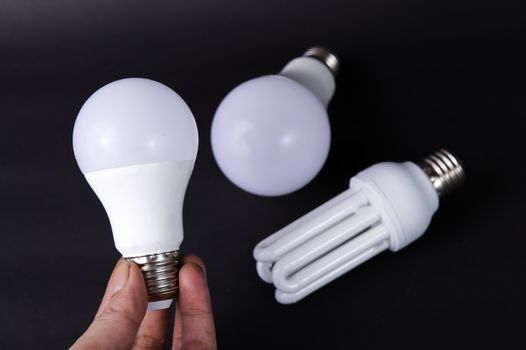 Photo: Riki Risnandar / Pexels
Comparison
| Feature | Best Option (Long-Term) | Alternative 1 (Mid-Term) | Alternative 2 (Short-Term/DIY) |
|---|---|---|---|
| Heating/Cooling Control | Smart Thermostat | Programmable Thermostat | Manual Adjustment |
| Window Efficiency | ENERGY STAR Windows | Low-E Window Film | Heavy Curtains/Caulking |
| Lighting | LED Smart Bulbs | LED Standard Bulbs | Turn Off Lights Manually |
| Insulation Upgrade | Professional Blown-In | DIY Batt Insulation | Draft Stoppers/Weatherstripping |
| Appliance Efficiency | ENERGY STAR Appliances | Proper Maintenance | Unplugging Phantom Loads |
What Readers Say
"These energy saving tips home are incredibly practical. We implemented several, like adjusting our thermostat and sealing drafts, and saw a noticeable drop in our AC bill last summer. It's empowering to take control!"
Sarah J. · Austin, TX"I was skeptical, but the advice on insulating our attic and checking ductwork made a huge difference. Our furnace runs less often, and the house feels much more comfortable. Highly recommend these strategies."
Michael R. · Denver, CO"After reading this, I swapped all my old bulbs for LEDs and started using power strips. My electricity bill dropped by over $30 last month! It just goes to show how small changes add up with these energy saving tips home."
Emily P. · Boston, MA"The guide is comprehensive, though some of the bigger upgrades like new windows are a significant investment. Still, the quick wins and appliance tips were easy to implement and have definitely helped reduce our overall energy consumption."
David L. · Seattle, WA"Living in Florida, AC is our biggest expense. The tips on thermostat management and maintaining our HVAC system were lifesavers. We're now more mindful of our energy use and saving money consistently."
Jessica M. · Orlando, FLFrequently Asked Questions
What are the most effective energy saving tips home for immediate impact?
For immediate impact, focus on adjusting your thermostat settings (68°F winter, 78°F summer), unplugging 'vampire' electronics, switching to LED light bulbs, and sealing easily accessible drafts around windows and doors. These actions require minimal effort and can lead to noticeable savings on your next utility bill.
Is investing in new energy-efficient appliances worth the cost?
Yes, investing in ENERGY STAR certified appliances is generally worth the cost over the long term. While the upfront price might be higher, the significant reduction in energy consumption throughout the appliance's lifespan leads to substantial savings on utility bills, often offsetting the initial investment within a few years.
How can I check for air leaks in my home without professional help?
You can check for air leaks by performing a 'door test' (close an exterior door on a dollar bill; if it slides out easily, you have a leak), feeling for drafts around windows, doors, and electrical outlets on a windy day, or using an incense stick to see where smoke is drawn in or pushed out. A professional energy audit offers a more comprehensive assessment.
What's the average saving I can expect from implementing these tips?
The average savings vary widely based on your current energy consumption, home size, climate, and the extent of changes you implement. However, many homeowners report saving 10-30% on their annual utility bills by adopting a combination of behavioral changes, minor upgrades, and major efficiency improvements. A professional energy audit can provide a more precise estimate for your specific home.
Are there government incentives or rebates for energy-saving home improvements in the U.S.?
Yes, the U.S. government, state governments, and even local utility companies often offer various incentives, tax credits, and rebates for energy-efficient home improvements. These can include programs for insulation upgrades, ENERGY STAR appliance purchases, solar panel installations, and more. Check the ENERGY STAR website or your utility provider's website for current offerings in your area.
Who should use these energy saving tips home?
Anyone looking to reduce their monthly utility bills, increase their home's comfort, and decrease their environmental footprint should utilize these energy saving tips home. They are beneficial for homeowners, renters, and property managers alike, regardless of the age or size of the property.
Will making my home more airtight lead to indoor air quality problems?
While making your home more airtight is crucial for energy efficiency, it's important to ensure proper ventilation to maintain good indoor air quality. Modern energy-efficient homes often incorporate controlled ventilation systems, such as exhaust fans or heat recovery ventilators (HRVs), to bring in fresh air without significant heat loss or gain. For most existing homes, sealing leaks will improve air quality by preventing unconditioned and potentially polluted outdoor air from seeping in uncontrollably.
What's the future trend for home energy saving?
The future of home energy saving is moving towards greater integration of smart home technology, artificial intelligence, and renewable energy sources. Expect more advanced smart thermostats that anticipate needs, AI-powered systems that optimize appliance usage, widespread adoption of solar power and battery storage, and increasingly efficient building materials and construction techniques designed for net-zero energy homes.
Embracing these energy saving tips home is more than just cutting costs; it's about creating a more comfortable, sustainable, and valuable living space. Start your journey toward a more energy-efficient home today and experience the tangible benefits for your wallet and the planet.