Essential Energy Saving Tips for Home: Cut Bills Now!
energy saving tips for home

Essential Energy Saving Tips for Home: Cut Bills Now!

Unlock significant savings on your utility bills and make your home more comfortable with these expert energy conservation strategies.

Start Saving Today!

Key Takeaways

  • ✓ Heating and cooling account for over half of a typical U.S. home's energy consumption.
  • ✓ Sealing air leaks can save 10-20% on heating and cooling costs.
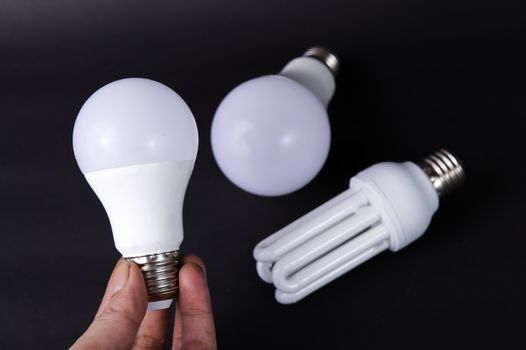
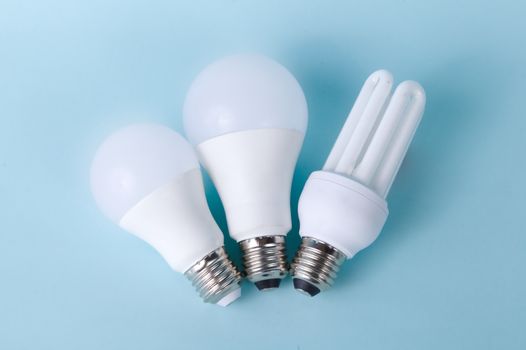
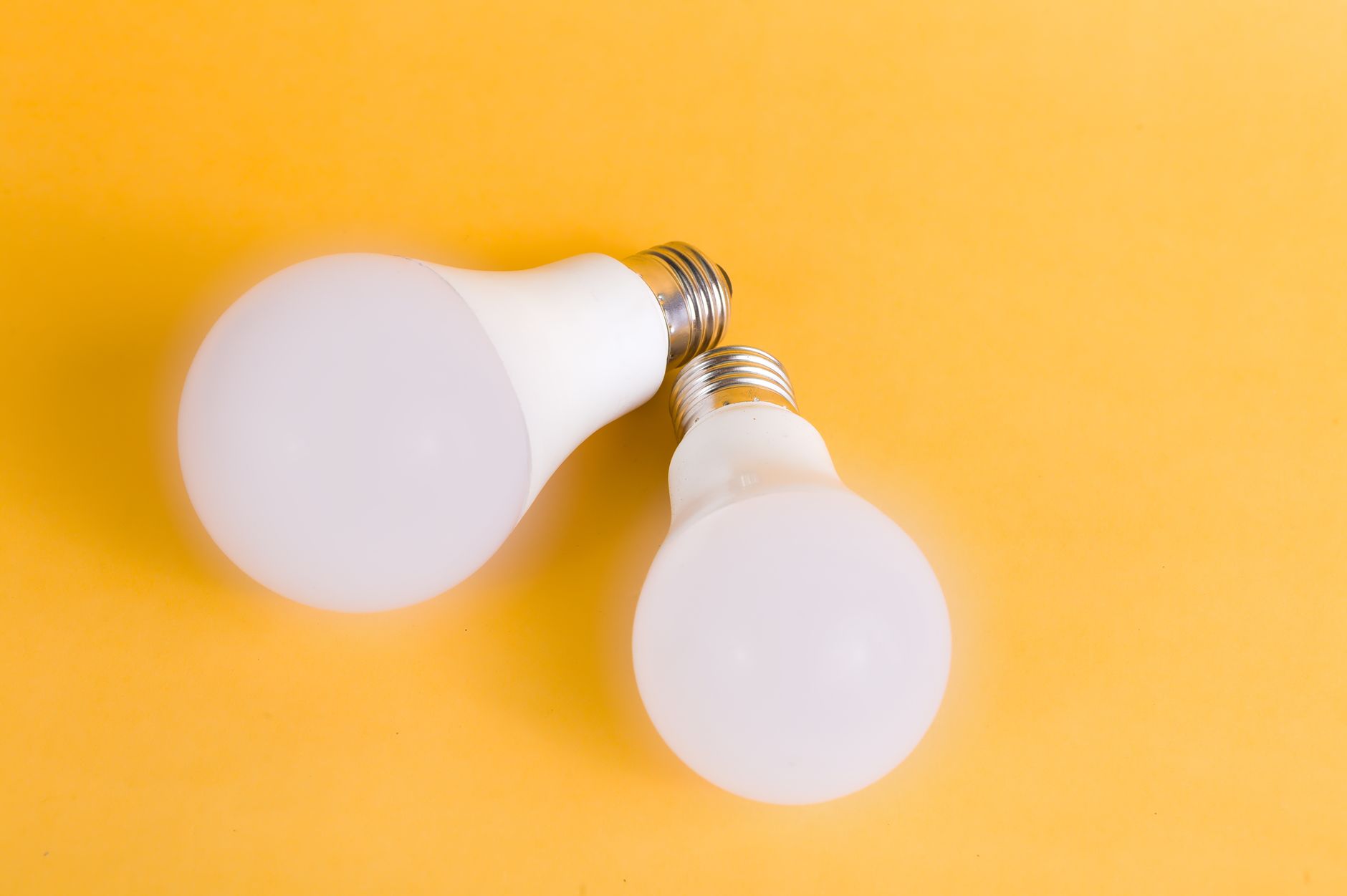
  • ✓ Upgrading to LED lighting can reduce lighting energy use by 75% or more.
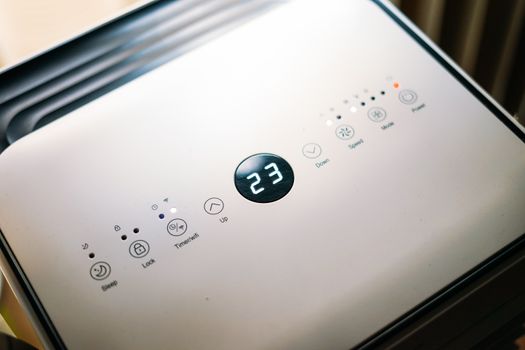
  • ✓ Smart thermostats can save an average of 10-12% on heating and 15% on cooling costs.

How It Works

1
Assess Your Current Usage

Begin by understanding where your energy is going. Review past utility bills and identify peak consumption periods and major energy hogs in your home.

2
Implement Quick Wins

Start with easy, low-cost changes like unplugging idle electronics, optimizing thermostat settings, and switching to LED bulbs. These deliver immediate savings.

3
Address Major Efficiency Opportunities

Invest in improvements like sealing air leaks, upgrading insulation, or replacing old appliances. These require more effort but offer substantial long-term returns.

4
Monitor and Maintain

Regularly check your energy consumption and maintain your systems (e.g., HVAC filters). Continuous monitoring ensures you sustain your energy-saving habits.

Mastering Your HVAC System: The Core of Home Energy Efficiency

Your Heating, Ventilation, and Air Conditioning (HVAC) system is undoubtedly the biggest energy consumer in your home, often accounting for more than half of your utility bill. Optimizing its operation is paramount for any effective energy-saving strategy. Many homeowners overlook simple maintenance tasks that can drastically improve efficiency and extend the lifespan of their units. Regular filter changes are a non-negotiable starting point. A clogged filter restricts airflow, forcing your system to work harder and consume more energy. Aim to replace or clean your filters every 1-3 months, especially during peak heating and cooling seasons. Beyond filters, consider scheduling annual professional tune-ups for both your furnace and air conditioner. A technician can identify and address minor issues before they become costly problems, ensuring your system runs at peak performance. This includes checking refrigerant levels, cleaning coils, and calibrating thermostats. Proper insulation is another critical factor. Even the most efficient HVAC system will struggle if your home is poorly insulated. Assess your attic, walls, and crawl spaces. Adding insulation can prevent heat transfer, keeping your home warmer in winter and cooler in summer with less effort from your HVAC. Look for R-values appropriate for your climate zone. Air sealing complements insulation by preventing conditioned air from escaping and unconditioned air from entering. Common culprits for air leaks include gaps around windows and doors, plumbing penetrations, electrical outlets, and attic hatches. Use caulk and weatherstripping to seal these gaps. The Department of Energy estimates that sealing air leaks can save homeowners between 10-20% on their heating and cooling costs. Furthermore, programmable or smart thermostats are game-changers. They allow you to set specific temperature schedules, so you're not heating or cooling an empty house. Smart thermostats can even learn your habits and adjust automatically, or be controlled remotely via your smartphone. Setting your thermostat just a few degrees lower in winter or higher in summer can lead to significant savings. For instance, setting your thermostat back 7-10 degrees Fahrenheit for 8 hours a day from its normal setting can save up to 10% a year on heating and cooling. Don't forget about ductwork. Leaky ducts can waste a substantial amount of energy by allowing conditioned air to escape into unconditioned spaces like attics or basements. Have a professional inspect and seal your ductwork to ensure all that expensively conditioned air reaches its intended destination. Finally, strategic use of ceiling fans can help distribute air more effectively. In summer, run fans counter-clockwise to create a cooling breeze, allowing you to raise your thermostat setting by a few degrees without sacrificing comfort. In winter, run them clockwise on a low speed to push warm air down from the ceiling. Implementing these HVAC-focused energy efficiency measures will form the bedrock of your home's energy savings.

Lighting and Appliance Upgrades: Smart Choices for Sustainable Living

Beyond your HVAC, lighting and appliances represent another significant chunk of your home's energy consumption. Making informed choices in these areas can lead to substantial, ongoing savings. The most impactful lighting upgrade you can make is transitioning from incandescent bulbs to LEDs (Light Emitting Diodes). LEDs consume up to 75% less energy and last 25 times longer than traditional incandescent bulbs. While the initial cost might be higher, the energy savings and reduced replacement frequency make them a far more economical choice in the long run. Consider replacing bulbs in high-use areas first, such as kitchens, living rooms, and bathrooms. Furthermore, leverage natural light whenever possible. Open curtains and blinds during the day to reduce the need for artificial lighting. Strategic placement of mirrors can also help amplify natural light in darker rooms. When it comes to appliances, the key is to look for ENERGY STAR certified products. These appliances meet strict energy efficiency guidelines set by the U.S. Environmental Protection Agency and Department of Energy. While they might cost a bit more upfront, their lower operating costs often lead to significant savings over their lifespan. When buying a new refrigerator, dishwasher, washing machine, or dryer, prioritize ENERGY STAR models. Your refrigerator, for example, runs 24/7, making its energy efficiency crucial. An old, inefficient refrigerator can be a major energy hog. If you have a secondary fridge or freezer, consider if it's truly necessary; often, these older units are highly inefficient. For laundry, always wash full loads and use cold water whenever possible. Modern detergents are formulated to work effectively in cold water, and heating water for laundry is a substantial energy drain. Drying clothes on a clothesline or drying rack is the ultimate energy-saving move, but if you must use a dryer, clean the lint filter before every load to maintain efficiency. Over time, lint buildup restricts airflow, making the dryer work harder. Also, consider sensor-drying models that automatically shut off when clothes are dry, preventing over-drying and wasted energy. Your dishwasher also offers opportunities for savings. Scrape plates instead of pre-rinsing under running water, and always run full loads. Use the air-dry setting or open the door after the wash cycle to allow dishes to air dry instead of using the heated dry cycle. Small kitchen appliances like microwaves, toasters, and coffee makers also consume energy, even when not in use – this is known as 'phantom load' or 'vampire draw'. Unplug them or use smart power strips that cut power to devices when they're off or not in use. These seemingly minor actions accumulate into significant savings over time. By combining smart lighting choices with efficient appliance usage, you're not just saving money, but also reducing your carbon footprint, contributing to a more sustainable household. Always check for local utility rebates when purchasing new ENERGY STAR appliances, as these can further offset the initial investment.

Water Heating and Windows: Overlooked Areas for Big Savings

While often less prominent in discussions about home energy consumption, water heating and window efficiency play critical roles in your overall energy bill. Water heating is typically the second-largest energy expense in a U.S. home, after heating and cooling. Simple adjustments can lead to substantial savings. Start by lowering your water heater's thermostat to 120°F (49°C). Most manufacturers set them higher by default, but 120°F is usually sufficient for household needs and can reduce energy consumption by 4-22% annually, depending on the current setting. For every 10-degree reduction in water temperature, you can save 3-5% on water heating costs. Insulating your water heater tank, especially if it's an older model without built-in insulation, can also save energy. Special water heater blankets are inexpensive and easy to install. Additionally, insulating the first six feet of hot and cold water pipes connected to the water heater can reduce heat loss and speed up hot water delivery, further conserving energy. Consider installing low-flow showerheads and faucet aerators. These devices restrict the amount of water flowing out while maintaining adequate pressure, significantly reducing both water usage and the energy required to heat that water. A standard showerhead uses about 2.5 gallons per minute (gpm), while a low-flow model can use as little as 1.5 gpm, saving thousands of gallons of hot water each year. For homes with older, inefficient water heaters, upgrading to a new, more efficient model can offer long-term savings. Tankless water heaters, for instance, heat water on demand rather than storing and continuously heating a large tank, potentially saving 27-50% on water heating costs for homes that use 41 gallons or less of hot water daily. Heat pump water heaters are another excellent option, using electricity to move heat from the surrounding air to the water, making them two to three times more energy efficient than conventional electric resistance water heaters. Now, let's turn our attention to windows. Windows are notorious for energy loss, responsible for 25-30% of residential heating and cooling energy use. If replacing old, single-pane windows with modern, energy-efficient ones (like double- or triple-pane with low-emissivity coatings) isn't immediately feasible due to cost, there are still many effective, less expensive solutions. Start by sealing air leaks around windows with caulk and weatherstripping, just as you would for doors. Installing heavy, insulated curtains or drapes can provide a significant barrier against heat transfer. Close them at night in winter to keep heat in, and during the day in summer to block solar heat gain. Window films are another affordable option. These films can block UV rays and reduce solar heat gain in summer, and some even offer a degree of insulation in winter. For an even more robust temporary solution, consider clear plastic shrink film kits for windows. These create an insulating air pocket and can dramatically reduce drafts and heat loss. Strategic landscaping can also play a role. Planting deciduous trees on the south and west sides of your home can provide shade in summer, reducing cooling loads, and allow sunlight to penetrate in winter after the leaves fall, providing passive solar heating. These combined strategies for water heating and window efficiency, from simple behavioral changes to more significant upgrades, are crucial components of a holistic energy-saving plan, ensuring your home is both comfortable and cost-effective year-round.

Quick Energy Saving Tips for Home: Everyday Habits for Immediate Impact

While major upgrades offer substantial long-term benefits, many impactful energy-saving tips for home involve simple changes to your daily habits. These 'quick wins' require minimal to no investment and can start reducing your energy bill immediately. Incorporating them into your routine is one of the easiest ways to cultivate a more energy-efficient lifestyle. Here's a list of actionable steps you can take today: * **Unplug 'Vampire' Electronics:** Many electronics, even when turned off, continue to draw a small amount of power (phantom load). This includes TVs, phone chargers, coffee makers, computers, and game consoles. Unplug them or use smart power strips that cut power when devices are not in use. This can save you hundreds of dollars over the year. * **Optimize Thermostat Settings:** As mentioned earlier, setting your thermostat to 68°F in winter and 78°F in summer when you're home, and adjusting it by 7-10 degrees when you're away or asleep, makes a huge difference. Use a programmable or smart thermostat to automate this process. * **Maximize Natural Light:** Open blinds and curtains during the day to let in natural light, reducing the need for artificial lighting. In winter, this also provides passive solar heating. Close them at night for insulation. * **Use Appliances Efficiently:** * **Laundry:** Wash clothes in cold water whenever possible. Always run full loads. Clean the lint filter in your dryer before every use. Consider air-drying clothes on a line or rack. * **Dishwasher:** Run full loads and use the air-dry setting instead of heated dry. Scrape plates instead of pre-rinsing. * **Take Shorter, Cooler Showers:** Hot water consumes a lot of energy. Reducing shower time by a few minutes or lowering the water temperature can save significantly on water heating costs. * **Seal Drafts:** Use inexpensive caulk and weatherstripping to seal air leaks around windows, doors, and other openings. You can often feel drafts with your hand, or use an incense stick to see where smoke is drawn. * **Mind Your Refrigerator:** Ensure your refrigerator and freezer doors seal tightly. Test by closing the door on a dollar bill; if it pulls out easily, the seal might need replacing. Keep coils clean and don't overfill, as this restricts airflow. * **Cook Smart:** Use lids on pots and pans to trap heat and cook food faster, using less energy. Use smaller appliances like microwaves or toaster ovens for small meals instead of preheating a large oven. * **Regular HVAC Maintenance:** Don't forget to change your HVAC filters monthly or quarterly. This simple task keeps your system running efficiently. These seemingly small changes, when adopted consistently, form powerful energy-saving habits that collectively lead to substantial reductions in your home's energy consumption and utility bills. They are the easiest and often most overlooked ways to achieve immediate impact without significant investment.

Comparison

FeatureLED LightingCFL LightingIncandescent Lighting
Energy EfficiencyExcellent (75-90% less energy)Good (70-75% less energy)Poor (High energy consumption)
LifespanVery Long (25,000-50,000 hrs)Long (8,000-15,000 hrs)Short (750-1,000 hrs)
Heat OutputLowLowHigh
Instant On✗ (Warm-up time)
Dimmable OptionsWide range availableLimited, specific bulbs needed
Cost (per bulb)Higher initialModerate initialLowest initial

What Readers Say

"These energy saving tips for home are fantastic! We focused on sealing air leaks and adjusting our thermostat. Our first utility bill was noticeably lower, and the house feels much more comfortable now."

Sarah J. · Austin, TX

"I thought I knew a lot about saving energy, but this article gave me several new ideas, especially regarding appliance usage. Unplugging vampire electronics alone has made a small but noticeable difference."

Mark D. · Seattle, WA

"After implementing the HVAC maintenance and insulation tips, our heating bill dropped by nearly 20% last winter! These energy saving tips for home truly deliver concrete results."

Emily R. · Denver, CO

"The advice on window treatments was particularly helpful for our hot climate. While some tips require more upfront investment, the everyday habit changes are easy to start and show immediate benefits. Very comprehensive."

David L. · Miami, FL

"As a new homeowner, I was overwhelmed by utility costs. This guide broke down complex topics into easy-to-understand steps. We've started with LED lighting and cold water laundry, and I'm excited to see the savings grow."

Jessica M. · Chicago, IL

Frequently Asked Questions

What are the most effective energy saving tips for home?

The most effective energy saving tips for home typically involve optimizing your HVAC system (regular maintenance, smart thermostat, sealing leaks), upgrading to LED lighting, and improving insulation. These areas account for the largest portion of home energy consumption, so improvements here yield the biggest savings.

Will these energy-saving changes make my home less comfortable?

Absolutely not! Many energy-saving changes, such as sealing air leaks, improving insulation, and maintaining your HVAC, actually enhance your home's comfort by eliminating drafts and maintaining more consistent temperatures. Smart thermostats also allow for personalized comfort schedules.

How can I check for air leaks in my home?

You can perform a simple visual inspection, looking for gaps around windows, doors, electrical outlets, and plumbing penetrations. For a more thorough check, hold an incense stick near these areas on a windy day; if the smoke wavers or is drawn into the house, you have a leak. Professional energy audits can also pinpoint exact locations.

What is the typical cost of implementing energy-saving tips, and what's the return on investment?

Costs vary widely. Low-cost tips like unplugging electronics or changing habits are free. Mid-range investments like LED bulbs or weatherstripping have quick paybacks (months to a couple of years). Larger investments like new insulation or an ENERGY STAR HVAC system can cost thousands but offer significant long-term savings and increased home value, often paying for themselves within 3-7 years.

Are smart home devices truly effective for saving energy, or are they just a gimmick?

Smart home devices, especially smart thermostats and smart power strips, can be highly effective tools for saving energy. Smart thermostats learn your habits and optimize heating/cooling schedules, while smart power strips eliminate phantom load. Their effectiveness hinges on proper setup and consistent use, but they offer convenience and real savings.

Who should prioritize these energy-saving tips for home?

Anyone looking to reduce their monthly utility bills, decrease their environmental footprint, or improve the comfort and value of their home should prioritize these tips. Homeowners, renters (with landlord permission), and individuals conscious about sustainable living will all benefit greatly.

Are there any safety concerns with certain energy-saving methods?

Most energy-saving tips are safe. However, always exercise caution when working with electricity or at heights (e.g., attic insulation). Ensure proper ventilation if using spray foam sealants. For major HVAC or electrical work, always consult or hire certified professionals to ensure safety and compliance with codes.

What are the future trends in home energy efficiency?

Future trends include advanced smart home integration with AI-powered energy management, widespread adoption of renewable energy sources like solar, ultra-efficient building materials and passive house design, and personalized energy consumption feedback via smart meters and apps. The focus will be on even greater automation and self-optimization.

Ready to take control of your energy bills and create a more sustainable, comfortable home? Start implementing these energy saving tips for home today. Every small change adds up to significant savings and a positive impact on your wallet and the planet. Don't wait – begin your journey to a more energy-efficient home now!

Topics: energy saving tips for homereduce electricity billhome energy efficiencysustainable livingconserve energy
Leo List
Brampton weed
Adultwork EstrelaBet Vai de Bet R7 Bet Betão Galera Bet Rainbet Bet9ja Shop SportyBet BetKing Sisal Loto Foot Hollywoodbets YesPlay Odibets RushBet Jugabet BetWarrior BetCity MSport betPawa Fortebet