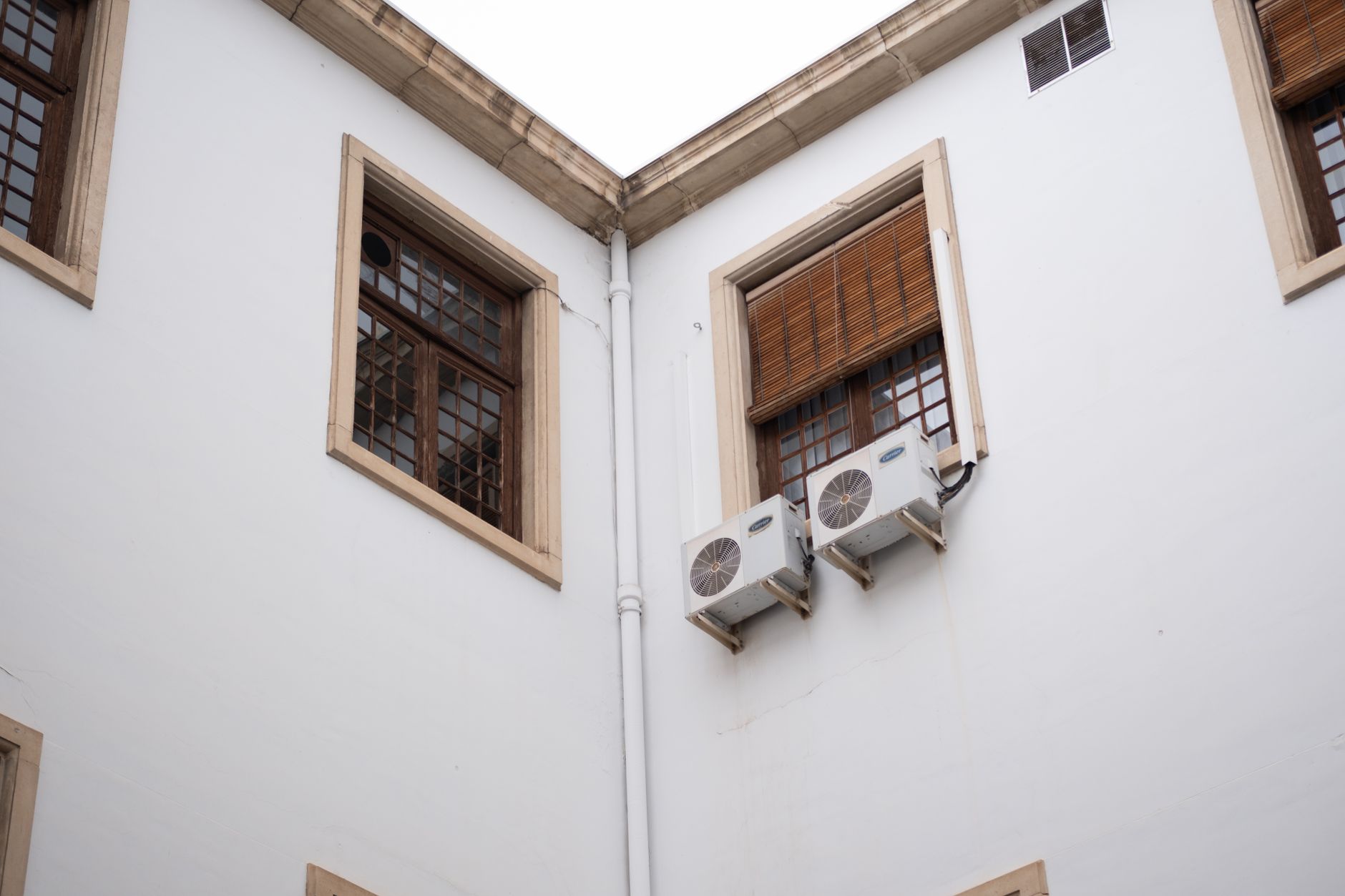
Boost Home Value: Expert Energy Efficient Windows Installation
energy efficient windows installation

Boost Home Value: Expert Energy Efficient Windows Installation

Unlock significant savings, superior comfort, and a greener home with professional energy efficient window upgrades.

Get a Free Quote

Key Takeaways

  • ✓ Energy efficient windows can reduce heating and cooling costs by 12-30%.
  • ✓ Proper installation is crucial for maximizing performance and preventing air leaks.
  • ✓ Federal tax credits and local incentives may be available for energy-efficient upgrades.
  • ✓ Modern windows offer features like Low-E coatings, argon gas fills, and multiple panes for enhanced insulation.

How It Works

1
Initial Consultation & Assessment

A professional assesses your current windows, discusses your energy goals, and recommends the best energy-efficient options tailored to your home's needs and climate.

2
Window Selection & Customization

You choose from various window types, frame materials, glass packages (e.g., Low-E, argon gas), and aesthetic options. Measurements are meticulously taken to ensure a perfect fit.

3
Professional Installation

Experienced technicians carefully remove old windows, prepare openings, install new units, and seal them meticulously. This step is critical for preventing drafts and maximizing thermal performance.

4
Final Inspection & Cleanup

After installation, a thorough inspection ensures proper functionality and sealing. The site is cleaned, and you receive guidance on maintenance and warranty information for your new windows.

Understanding the Benefits of Energy Efficient Windows
Two LED light bulbs on a bright yellow background, emphasizing modern energy-efficient lighting. Photo: Riki Risnandar / Pexels
Investing in energy efficient windows installation is one of the most impactful home improvements you can undertake, offering a multitude of benefits that extend far beyond just aesthetics. At its core, the primary advantage lies in significantly reducing your home's energy consumption. Traditional, older windows are notorious for being major culprits in heat loss during winter and heat gain during summer. They act as thermal bridges, allowing conditioned air to escape and unconditioned air to infiltrate, forcing your HVAC system to work harder and consume more energy. Modern energy-efficient windows, however, are engineered with advanced technologies to combat this. They typically feature multiple panes of glass, often two or three, separated by inert gases like argon or krypton, which are much denser than air and act as superior insulators. Furthermore, these windows often incorporate Low-Emissivity (Low-E) coatings, microscopic metallic layers applied to the glass that reflect infrared light (heat) while allowing visible light to pass through. This means heat stays inside during colder months and is reflected away during warmer months, creating a more stable indoor temperature year-round. The result? A noticeable reduction in your heating and cooling bills, which can translate into substantial savings over the lifespan of the windows. Beyond the financial savings, these windows dramatically improve indoor comfort. Say goodbye to cold drafts near windows in winter and scorching hot spots in summer. Your home will maintain a more consistent temperature, making living spaces more enjoyable and usable. This enhanced comfort also means less strain on your HVAC system, potentially extending its life and reducing maintenance costs. Moreover, energy-efficient windows contribute to a quieter indoor environment by effectively blocking outside noise, a welcome benefit for homes in busy areas. From an environmental perspective, reducing energy consumption means a smaller carbon footprint, aligning with sustainable living practices. Finally, new windows significantly boost your home's curb appeal and market value, making them a wise investment for both immediate comfort and future resale. For more insights into how energy efficiency impacts your home, consider exploring resources on home energy audits and their benefits.

Key Components and Technologies in Modern Energy Efficient Windows
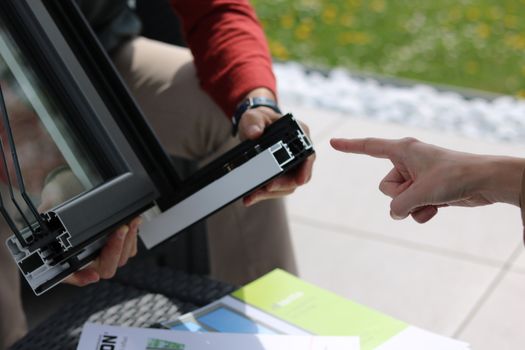
Close-up of two people examining an aluminum window frame outdoors. Photo: Francesca Cinel / Pexels
The effectiveness of energy efficient windows installation hinges on a combination of sophisticated design and material science. Understanding these components is crucial for making informed decisions about your window replacement project. One of the most critical elements is the glass package. As mentioned, multiple panes (double or triple glazing) with inert gas fills (argon or krypton) are standard. Argon and krypton are non-toxic, colorless, and odorless gases that are denser than air, slowing down heat transfer between the panes. The Low-E coating is another game-changer. This microscopically thin, transparent metallic layer is applied to one or more surfaces of the glass. It works by reflecting radiant heat, keeping your home warmer in winter and cooler in summer, without significantly impacting the amount of natural light entering your home. Different types of Low-E coatings are designed for various climates, some optimized for heat retention and others for heat rejection. The frame material also plays a significant role in a window's overall thermal performance. Common frame materials include vinyl, fiberglass, wood, and aluminum. Vinyl frames are popular due to their excellent insulation properties, low maintenance, and affordability. Fiberglass offers superior strength, durability, and insulation, making it a premium choice. Wood frames provide natural insulation and aesthetic appeal but require more maintenance. Aluminum frames, while strong, are poor insulators on their own and often require thermal breaks to prevent heat transfer. Spacers, the components that separate the glass panes, are also important. Warm-edge spacers, made from materials like foam or composite, reduce heat transfer at the edge of the glass, minimizing condensation and improving the window's overall U-factor. Finally, the quality of the seals and weatherstripping around the operable parts of the window is paramount. These components prevent air leakage, which can negate the benefits of even the most advanced glass and frame technologies. When considering energy efficient windows installation, always inquire about the U-factor and Solar Heat Gain Coefficient (SHGC) ratings, which are key indicators of a window's insulating and solar heat blocking capabilities, respectively. Lower U-factors mean better insulation, and appropriate SHGC values depend on your climate and sun exposure. A comprehensive understanding of these technologies ensures you select windows that deliver optimal performance for your specific needs.

The Professional Energy Efficient Windows Installation Process
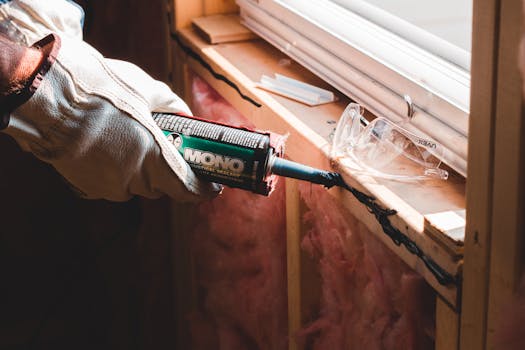
Crop unrecognizable workman in glove applying caulk from bottle on seam during window montage work in building Photo: Erik Mclean / Pexels
A successful energy efficient windows installation is as much about the quality of the product as it is about the expertise of the installation team. Even the most advanced window can underperform if not installed correctly. The process typically begins with a thorough consultation and measurement phase. Reputable installers will visit your home to assess your existing windows, discuss your energy goals, and take precise measurements. This step is critical because custom-fit windows are essential for optimal performance and preventing air gaps. Once the windows are manufactured to your specifications, the installation day arrives. The first step involves carefully preparing the work area, including protecting your floors and furniture. Next, the old windows are meticulously removed. This is often a delicate process to avoid damaging the surrounding wall structure. After the old windows are out, the window opening is prepared. This may involve cleaning, repairing any damaged wood, and ensuring the opening is plumb, level, and square. Proper preparation is foundational for a secure and energy-tight fit. The new window unit is then carefully placed into the opening. This is where precision is paramount. The installers will ensure the window is perfectly level and plumb before securing it to the house frame. Once secured, the crucial step of sealing and insulating begins. This involves applying high-quality sealants and insulation materials around the perimeter of the window frame to create an airtight and watertight barrier. This prevents drafts, moisture infiltration, and heat transfer. The type of sealant and insulation used can vary, but typically includes expanding foam insulation and exterior-grade caulking. Interior and exterior trim are then installed to finish the aesthetic look and further seal the window. Finally, the installers will test the operation of each window, ensuring it opens, closes, and locks smoothly. A thorough cleanup of the work area concludes the process. Choosing a certified and experienced installer for your energy efficient windows installation is non-negotiable. Their expertise ensures that every step, from measurement to sealing, is executed to the highest standards, maximizing your investment's energy savings and longevity. For more information on making your home more sustainable, explore our guide on sustainable home improvements.

Common Mistakes to Avoid During Energy Efficient Windows Installation

Close-up of industrial ventilation pipes above a window on a building wall. Photo: Fez Brook / Pexels
While the benefits of energy efficient windows are clear, several common mistakes can undermine your investment. Being aware of these pitfalls can help ensure a successful energy efficient windows installation project. **1. Choosing the Wrong Window Type for Your Climate:** Not all energy-efficient windows are created equal. A window optimized for a cold northern climate (high solar gain, low U-factor) might be counterproductive in a hot southern climate (low solar gain, low SHGC). Always consult with an expert who understands regional climate demands. **2. Neglecting Proper Measurements:** This is perhaps the most critical error. Incorrect measurements lead to ill-fitting windows, creating gaps that allow air and moisture infiltration. This negates the energy-saving benefits and can lead to structural issues. Always insist on professional, precise measurements. **3. DIY Installation Without Expertise:** While some home projects are suitable for DIY, energy efficient windows installation is not typically one of them. Proper sealing, leveling, and flashing require specialized tools, knowledge, and experience. A botched DIY job can lead to drafts, water leaks, and voided warranties. **4. Overlooking Frame Material and Glass Package Details:** Don't just focus on the 'energy-efficient' label. Dig into the specifics: Is it double or triple-pane? What type of gas fill? What is the Low-E coating designed for? Is the frame material thermally broken? These details significantly impact performance. **5. Skipping Professional Sealing and Insulation:** Even a perfectly installed window will underperform if the perimeter is not properly sealed and insulated. Air leaks around the frame are a major source of energy loss. Ensure your installer uses high-quality, durable sealants and appropriate insulation. **6. Not Checking for Certifications and Warranties:** Ensure your windows are NFRC (National Fenestration Rating Council) certified, which provides standardized performance ratings. Also, understand the warranty – not just on the window itself, but also on the installation. A good warranty offers peace of mind. **7. Focusing Only on Upfront Cost:** While budget is a factor, prioritizing the lowest price often means sacrificing quality of materials or installation. Remember, energy-efficient windows are a long-term investment that pays off in savings and comfort. Consider the total cost of ownership over the window's lifespan. Avoiding these common mistakes will help you maximize the benefits of your energy efficient windows installation and ensure a comfortable, energy-saving home for years to come.

Comparison

FeatureVinyl (Best Value)Fiberglass (Premium)Wood (Traditional)Aluminum (Budget/Commercial)
Insulation ValueExcellentSuperiorGoodPoor (needs thermal break)
DurabilityVery GoodExcellentGood (with maintenance)Excellent
MaintenanceLowVery LowHighLow
Cost$$$$$$$$$$
AestheticsGood (various colors)Excellent (can be painted)Excellent (natural look)Limited residential appeal
Environmental ImpactRecyclableSustainableRenewable (if sourced well)Recyclable

What Readers Say

"Our energy efficient windows installation transformed our home! The difference in our AC bill is remarkable, and the house feels so much cooler and more consistent. Highly recommend this upgrade."

Sarah J. · Austin, TX

"From consultation to cleanup, the team was professional and efficient. Our new windows have eliminated drafts, and our heating costs have dropped significantly. Best home improvement we've made."

Mark T. · Denver, CO

"We replaced all our old, leaky windows. Not only does our home look fantastic, but we're also saving over $100 a month on our energy bills. The noise reduction is an unexpected bonus!"

Emily R. · Seattle, WA

"The energy efficient windows installation went smoothly, and the new windows look great. While the energy savings are good, I wish the initial communication about the project timeline was a bit clearer."

David L. · Miami, FL

"As someone with severe allergies, the improved air quality and consistent indoor temperature from our new energy-efficient windows have been a game-changer. Plus, our old house finally feels cozy in winter."

Jessica P. · Boston, MA

Frequently Asked Questions

What is the average cost of energy efficient windows installation?

The cost of energy efficient windows installation varies widely based on factors like window type, frame material, glass package, number of windows, and labor rates in your region. Generally, you can expect to pay anywhere from $300 to $1,000+ per window, including installation. Getting multiple quotes from reputable local installers is always recommended for an accurate estimate.

How long does energy efficient windows installation typically take?

The duration of energy efficient windows installation depends on the number of windows and the complexity of the job. For a standard home with 10-15 windows, installation can often be completed within 1-3 days. Larger homes or those requiring significant structural adjustments may take longer, but most projects are finished within a week.

Can I install energy efficient windows myself?

While DIY window installation is technically possible, it's strongly discouraged for energy efficient windows. Proper installation is critical for achieving the advertised energy savings and preventing issues like drafts and water leaks. Professional installers have the expertise, tools, and experience to ensure a perfect, airtight, and watertight fit, which is essential for performance and warranty validity.

What are the best frame materials for energy efficient windows?

Vinyl and fiberglass are generally considered the best frame materials for energy efficient windows due to their excellent insulation properties and low maintenance. Vinyl is cost-effective and performs well, while fiberglass offers superior strength, durability, and can be painted. Wood also provides good insulation but requires more maintenance, and aluminum typically needs thermal breaks to be energy efficient.

How do energy efficient windows compare to just adding storm windows?

Energy efficient windows offer a more comprehensive and permanent solution compared to storm windows. While storm windows can provide some additional insulation and draft reduction, they don't match the performance of modern multi-pane, Low-E, gas-filled windows. Energy-efficient windows integrate advanced technologies into a single unit, offering superior thermal performance, noise reduction, and aesthetic appeal, often with better long-term value and less maintenance.

Who should consider energy efficient windows installation?

Anyone looking to reduce their energy bills, improve home comfort, enhance property value, or decrease their environmental footprint should consider energy efficient windows installation. It's particularly beneficial for homeowners with older, drafty windows, those experiencing high utility costs, or individuals planning to stay in their homes for several years to realize the full return on investment.

Are there any risks associated with energy efficient windows installation?

When performed by unqualified installers, risks can include improper sealing leading to drafts and moisture intrusion, damage to home siding or interior finishes, and voided warranties. Choosing a reputable, licensed, and insured contractor significantly mitigates these risks, ensuring a safe and effective installation process.

What are the future trends in energy efficient window technology?

Future trends in energy efficient window technology include even more advanced smart glass that can dynamically tint or change opacity to control light and heat, thinner and lighter vacuum-insulated glazing for superior thermal performance, and integrated solar technologies that can generate electricity. Expect continued innovation in materials and smart home integration for even greater energy savings and comfort.

Ready to transform your home with superior comfort and significant energy savings? Contact a certified professional today for your energy efficient windows installation. Invest in your home's future and start enjoying the benefits of modern, high-performance windows.

Topics: energy efficient windows installationhome energy savingswindow replacement benefitsinsulating windowssustainable home improvements
Leo List

IE Escorts NO Escorts US Escorts NZ Escorts AU Escorts
Brampton weed
Adultwork EstrelaBet Vai de Bet R7 Bet Betão Galera Bet Rainbet Bet9ja Shop SportyBet BetKing Sisal Loto Foot Hollywoodbets YesPlay Odibets RushBet Jugabet BetWarrior BetCity MSport betPawa Fortebet