✓ Energy-efficient homes can save US households hundreds to thousands of dollars annually.
✓ Heating and cooling account for over 50% of typical US home energy consumption.
✓ Small changes, like LED lighting and smart thermostats, offer significant returns.
✓ Government incentives and rebates are often available for energy efficiency upgrades.
How It Works
1
Assess Your Current Usage
Understand where your energy goes by reviewing past utility bills and conducting a home energy audit. This pinpoints major areas for improvement.
2
Implement Low-Cost Changes First
Start with easy, inexpensive adjustments like sealing drafts, optimizing thermostat settings, and switching to LED bulbs. These offer immediate savings.
3
Consider Strategic Upgrades
Once smaller changes are in place, evaluate larger investments such as insulation improvements, HVAC system upgrades, or new energy-efficient appliances. These have long-term benefits.
4
Monitor and Maintain
Regularly check your energy consumption and perform routine maintenance on systems. This ensures sustained efficiency and maximum savings over time.
Understanding Your Home's Energy Footprint
Photo: RDNE Stock project / Pexels
In the United States, understanding where your home's energy goes is the first, most crucial step toward achieving significant energy efficiency. Many homeowners are surprised to learn that heating and cooling systems often account for more than half of their total energy consumption. Beyond HVAC, water heating, lighting, and appliances make up the bulk of the remaining usage. Dissecting your utility bills can provide invaluable insights, often detailing usage patterns and even offering comparisons to similar homes in your area. Look for spikes in usage during particular seasons, which can indicate issues with your heating or cooling systems, or areas where you might be over-consuming. Some utility providers even offer free online tools or smart meter data that break down your consumption by hour or day, giving you a granular view of your energy habits.
Beyond just looking at numbers, a home energy audit is a powerful tool. This can range from a simple DIY walkthrough to a professional assessment by a certified energy auditor. A professional audit typically involves blower door tests to detect air leaks, infrared cameras to identify insulation gaps, and an evaluation of your home's overall energy performance. They can pinpoint exactly where your home is losing heat in winter or gaining it in summer, and recommend specific, actionable energy-saving solutions tailored to your property. These audits often come with a detailed report outlining recommended upgrades, their estimated costs, and projected energy savings, allowing you to prioritize improvements based on their return on investment. Furthermore, some states and local utilities offer rebates or incentives to cover part of the cost of a professional energy audit, making it an even more attractive option for homeowners serious about reducing their energy footprint. Don't underestimate the power of this initial assessment; it lays the groundwork for all subsequent energy efficiency tips US residents can implement to truly make a difference in their homes and on their budgets. Knowing your enemy – in this case, energy waste – is the first step to conquering it and building a more sustainable and cost-effective living environment.
Smart Thermostats and HVAC Optimization
Photo: BOOM 💥 Photography / Pexels
When it comes to energy efficiency tips US homes can implement, optimizing your heating, ventilation, and air conditioning (HVAC) system is paramount. As mentioned, HVAC systems are typically the largest energy consumers in a household. The most accessible upgrade in this category is often a smart thermostat. These devices learn your daily routines, automatically adjust temperatures based on occupancy, and can be controlled remotely via your smartphone. Programming your thermostat to lower temperatures when you're away or asleep in winter, and raise them in summer, can lead to substantial savings without sacrificing comfort when you need it. Energy Star estimates that you can save around 10% on heating and cooling costs by simply turning your thermostat back 7-10 degrees Fahrenheit for 8 hours a day from its normal setting.
Beyond smart controls, the efficiency of your HVAC unit itself plays a critical role. Regular maintenance, such as changing air filters monthly, is a simple yet highly effective task that ensures your system runs efficiently. Dirty filters restrict airflow, forcing your unit to work harder and consume more energy. Annually, consider having a professional HVAC technician inspect and tune up your system. They can clean coils, check refrigerant levels, and identify any potential issues that could be reducing efficiency. If your HVAC system is older (typically 10-15 years or more for AC units and 15-20 years for furnaces), it might be worth considering an upgrade to a newer, high-efficiency model. Look for units with high SEER (Seasonal Energy Efficiency Ratio) ratings for air conditioners and heat pumps, and AFUE (Annual Fuel Utilization Efficiency) ratings for furnaces. While the upfront cost of a new system can be significant, the long-term energy savings, improved comfort, and reduced carbon footprint often justify the investment. Many government programs and local utilities offer rebates or tax credits for installing Energy Star certified HVAC equipment, making these upgrades more financially viable for US homeowners. Proper sizing of your HVAC unit is also crucial; an improperly sized unit will cycle too frequently or run too long, leading to inefficiency and premature wear. Consulting with a reputable HVAC professional for an accurate load calculation is essential before any new installation.
Sealing Leaks and Boosting Insulation for US Homes
Photo: Erik Mclean / Pexels
One of the most cost-effective and impactful energy efficiency tips US homeowners can implement involves tackling air leaks and inadequate insulation. Your home is constantly battling the elements, and if it's not properly sealed and insulated, you're essentially heating or cooling the outdoors. Air leaks around windows, doors, electrical outlets, plumbing penetrations, and even in the attic or crawl space allow conditioned air to escape and unconditioned air to enter. This forces your HVAC system to work overtime, leading to higher energy bills. A simple test you can perform is the "candle test" – on a windy day, hold a lit candle or an incense stick near potential leak spots; if the flame flickers or smoke moves horizontally, you have an air leak.
Sealing these leaks can be done with relatively inexpensive materials like caulk for small gaps and weatherstripping for movable components like windows and doors. For larger gaps, expanding foam sealants are effective. Don't forget less obvious areas like attic hatches, fireplace dampers, and utility access points. The Department of Energy estimates that sealing air leaks and adding insulation can save homeowners up to 15% on heating and cooling costs, or 11% of total energy costs. Insulation plays a critical role in slowing the transfer of heat. In winter, it keeps heat inside your home; in summer, it keeps heat out. Many older homes, especially those built before the 1980s, have insufficient insulation in attics, walls, and floors. Adding insulation, particularly in the attic, can be one of the most cost-effective energy improvements. Check your attic's insulation levels – if you can easily see the top of your ceiling joists, you likely need more. The recommended R-value (a measure of thermal resistance) for attic insulation varies by region in the US, but generally ranges from R-38 to R-60. Wall insulation is more challenging to upgrade in existing homes but can be done through methods like blown-in insulation. Proper sealing and insulation not only save energy but also improve indoor comfort by eliminating cold drafts and hot spots, making your home a more pleasant place to live year-round.
Appliance Upgrades and Lighting Strategies
Photo: Arturo Añez. / Pexels
Beyond the major systems, focusing on your appliances and lighting offers significant opportunities for energy savings as part of comprehensive energy efficiency tips US homeowners should consider. Appliances, while individually smaller energy consumers than HVAC, collectively contribute significantly to your utility bill. When purchasing new appliances, always look for the Energy Star label. This label indicates that the product meets strict energy efficiency guidelines set by the U.S. Environmental Protection Agency and Department of Energy. Energy Star certified refrigerators, washing machines, dishwashers, and water heaters use significantly less energy and water than standard models, leading to substantial long-term savings. For instance, an Energy Star certified washing machine uses about 25% less energy and 33% less water than conventional models. Even small changes in usage, like running your dishwasher and washing machine only when full, and using cold water for laundry whenever possible, can add up to noticeable savings. Unplugging 'phantom loads' or 'vampire electronics' – devices that draw power even when turned off or in standby mode – can also contribute to reducing your energy footprint. Smart power strips can help manage this by cutting power to unused electronics.
Lighting is another area where easy upgrades yield quick returns. If you're still using incandescent bulbs, switching to LED (Light Emitting Diode) lighting is one of the quickest and most impactful changes you can make. LEDs consume up to 90% less energy than traditional incandescent bulbs and last 15 to 25 times longer. While the upfront cost of LEDs is higher, their longevity and energy savings mean they pay for themselves quickly. Furthermore, they emit very little heat, which reduces the load on your air conditioning system in warmer months. Optimize natural light by opening blinds and curtains during the day, reducing the need for artificial lighting. Consider installing dimmer switches to control light intensity, further saving energy. For outdoor lighting, solar-powered options or motion-sensor lights can provide security and convenience without continuous energy draw. The combined effect of smart appliance choices and a full transition to LED lighting can lead to a considerable reduction in your home's overall energy consumption, reinforcing the importance of these practical energy efficiency tips US residents can easily adopt.
Comparison
Feature
Best Option
Alternative 1
Alternative 2
Thermostat
Smart Learning Thermostat
Programmable Thermostat
Manual Thermostat
Lighting
LED Bulbs
CFL Bulbs
Incandescent Bulbs
Insulation (Attic)
Blown-in Cellulose/Fiberglass (R-49+)
Fiberglass Batts (R-30)
None/Minimal
Window Sealing
Caulk & Weatherstripping
Window Film
Draft Stoppers
Water Heater
Heat Pump Water Heater
Tankless Water Heater
Standard Tank Heater
What Readers Say
★★★★★
"These energy efficiency tips for US homeowners were incredibly helpful! We implemented several suggestions, like sealing drafts and adjusting our thermostat, and saw a 15% drop in our last electricity bill. Simple changes, big impact!"
Sarah J. · Austin, TX
★★★★★
"The advice on HVAC optimization was a game-changer. After getting our system tuned up and installing a smart thermostat, our home feels more comfortable, and our heating costs have noticeably decreased. Highly recommend these energy efficiency tips US residents should follow."
Mark D. · Seattle, WA
★★★★★
"We followed the advice to switch all our bulbs to LEDs and saw an immediate reduction in our lighting portion of the bill. It's amazing how much difference these energy efficiency tips US style can make for a family budget. Our energy usage is down by 20% overall!"
Emily R. · Denver, CO
★★★★★
"While some of the bigger upgrades are still on our to-do list, the easy fixes like unplugging phantom loads and using cold water for laundry have already started saving us money. Good, practical energy efficiency tips for US homes."
David K. · Miami, FL
★★★★★
"As a new homeowner, I was overwhelmed by utility costs. This article provided clear, actionable energy efficiency tips US tailored for various budgets. I feel much more in control of my energy consumption now. Fantastic resource!"
Lisa G. · Boston, MA
Frequently Asked Questions
What is the single most effective energy efficiency tip US homeowners can implement?
While 'single most effective' can vary by home, improving your home's insulation and sealing air leaks often provides the best return on investment. These measures directly reduce the workload on your HVAC system, which is typically the largest energy consumer, leading to significant and consistent savings year-round. A professional energy audit can precisely identify your home's biggest energy weaknesses.
Are energy-efficient upgrades really worth the upfront cost?
Absolutely. While some energy-efficient upgrades, like new windows or HVAC systems, have a higher initial cost, they typically pay for themselves over time through reduced utility bills. Many also qualify for federal tax credits, state rebates, or local utility incentives, further decreasing the net cost and accelerating your return on investment. The long-term savings, increased home comfort, and potential boost in property value make them a worthwhile investment.
How can I easily check for air leaks in my US home?
You can perform a simple DIY test. On a windy day, hold a lit incense stick or a feather near common leak areas like windows, doors, electrical outlets, and plumbing penetrations. If the smoke or feather moves, you've found an air leak. For more comprehensive detection, consider a professional home energy audit that includes a blower door test to depressurize your home and reveal hidden leaks.
What government programs or incentives are available for energy efficiency in the US?
The US federal government offers programs like the Energy Efficient Home Improvement Credit and Residential Clean Energy Credit, providing tax credits for certain energy-efficient upgrades. Many states and local utility companies also offer rebates, grants, or low-interest loans for things like insulation, HVAC upgrades, smart thermostats, and renewable energy installations. Check the Department of Energy's website or your utility provider's site for current offerings in your area.
How much can I realistically save on my energy bills by implementing these tips?
The amount you can save varies widely depending on your current energy consumption, the age and condition of your home, and which tips you implement. However, by combining low-cost changes (like sealing drafts and adjusting thermostats) with strategic upgrades (like improved insulation and efficient appliances), many US homeowners report savings of 10-30% or more on their annual utility bills. A professional energy audit can give you a personalized savings estimate.
Who should prioritize implementing energy efficiency tips US-wide?
Anyone looking to reduce their monthly expenses, increase home comfort, and decrease their environmental impact should prioritize these tips. Homeowners in older homes, those with high utility bills, or individuals planning renovations will find them particularly beneficial. Even renters can implement many low-cost strategies to save energy.
Are there any safety concerns with DIY energy efficiency projects?
Most DIY energy efficiency projects, like sealing drafts or switching light bulbs, are very safe. However, always exercise caution when working with electricity, at heights (e.g., in attics), or with power tools. When dealing with insulation, wear appropriate protective gear (gloves, mask, goggles). For complex tasks like HVAC repairs or major electrical work, it's always best to consult or hire a certified professional to ensure safety and proper installation.
What's the future trend for energy efficiency in US homes?
The trend is towards increasingly smart, integrated, and renewable energy solutions. Expect to see more widespread adoption of smart home energy management systems, advanced building materials, widespread solar power integration, and electric vehicle charging infrastructure becoming standard in homes. The focus will continue to be on net-zero or even energy-positive homes that produce as much or more energy than they consume, driven by both environmental concerns and economic benefits.
Ready to transform your home into an energy-saving haven? Start implementing these energy efficiency tips US residents swear by today. Lower your bills, enhance your comfort, and contribute to a greener future – your journey to a more efficient home begins now!

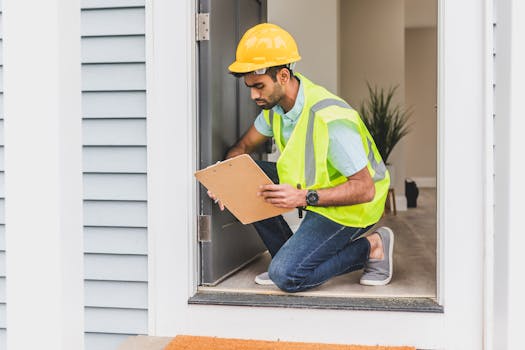 Photo: RDNE Stock project / Pexels
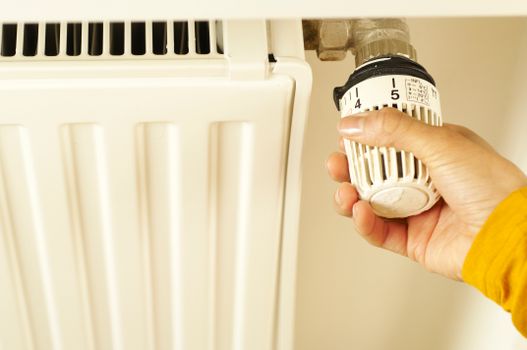 Photo: BOOM 💥 Photography / Pexels
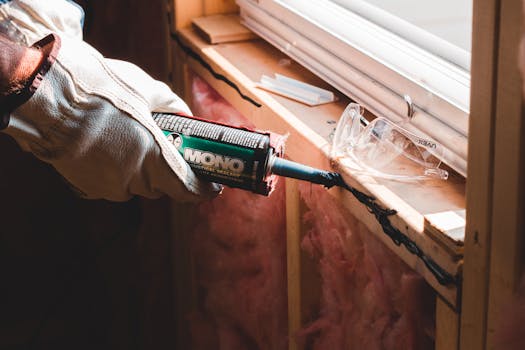 Photo: Erik Mclean / Pexels
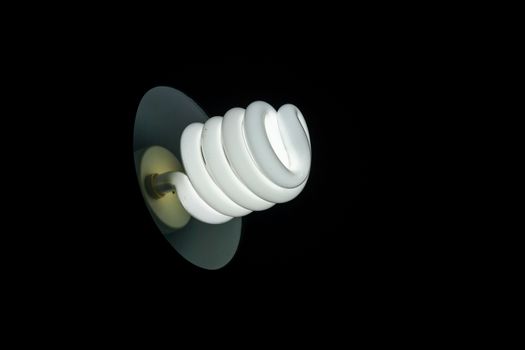 Photo: Arturo Añez. / Pexels