✓ Heating and cooling account for over half of a typical U.S. home's energy consumption.
✓ Sealing air leaks can save 10-20% on heating and cooling costs.
✓ Upgrading to LED lighting can reduce lighting energy use by 75% or more.
✓ Programmable thermostats can save approximately $180 annually.
How It Works
1
Assess Your Current Energy Use
Review past utility bills to identify peak consumption periods and areas. Consider a home energy audit to pinpoint specific inefficiencies and prioritize improvements.
2
Implement Quick Wins & Low-Cost Solutions
Start with easy changes like sealing drafts, adjusting thermostat settings, and switching to energy-efficient lighting. These small steps yield immediate savings without significant investment.
3
Invest in Smart Upgrades
Once quick wins are in place, consider larger projects like upgrading insulation, replacing old appliances, or improving windows. These investments offer substantial long-term returns.
4
Monitor and Maintain for Continuous Savings
Regularly check for new drafts, clean HVAC filters, and monitor your energy consumption. Consistent effort ensures your home remains energy-efficient over time.
Understanding Your Home's Energy Footprint and Initial Steps
Photo: RDNE Stock project / Pexels
Embarking on the journey of energy conservation for your home begins with a fundamental understanding of where your energy goes. Many homeowners are surprised to learn that heating and cooling systems are typically the biggest energy hogs, often accounting for more than half of a household's total energy consumption. Following closely are water heating, lighting, and various appliances. Before diving into solutions, it's crucial to get a clearer picture of your specific usage. Start by reviewing your past 12 months of utility bills. Look for patterns: do certain months show significantly higher usage? This can indicate seasonal issues, like an inefficient furnace struggling in winter or an old air conditioner overworking in summer.
For a more precise diagnosis, consider a professional home energy audit. An auditor uses specialized equipment, like thermographic cameras and blower doors, to identify air leaks, inadequate insulation, and inefficient appliances. They can provide a detailed report outlining specific areas for improvement and estimated savings. Many utility companies offer free or low-cost audits, so it's worth checking with your local provider. Even without a professional audit, you can conduct a DIY version. Walk around your home on a windy day, feeling for drafts around windows, doors, electrical outlets, and plumbing penetrations. These seemingly small leaks can add up to a significant amount of wasted energy, forcing your heating and cooling systems to work harder than necessary.
Once you have a sense of your home's energy profile, you can begin to implement foundational changes. One of the most impactful, yet often overlooked, initial steps is simply adjusting your thermostat. For every degree you lower your thermostat in winter (or raise it in summer) for at least eight hours a day, you can save approximately 1% on your energy bill. A programmable or smart thermostat takes this a step further, allowing you to set schedules that automatically adjust temperatures when you're away or asleep. This ensures you're not paying to heat or cool an empty house.
Another immediate win is addressing air leaks. Caulk and weatherstripping are inexpensive and highly effective tools for sealing gaps around windows and doors. Don't forget less obvious spots like attic hatches, fireplace dampers, and utility penetrations. Properly sealed ducts are also critical; ductwork can lose 20-30% of its air through leaks, especially if located in unconditioned spaces like attics or crawl spaces. Sealing these leaks with mastic or metal-backed tape (not duct tape, which often fails) can significantly improve the efficiency of your HVAC system. These initial, low-cost interventions lay the groundwork for more substantial energy savings and are excellent examples of effective home energy solutions that don't require major renovations.
Optimizing Heating, Ventilation, and Air Conditioning (HVAC) Systems
Your HVAC system is the heart of your home's energy consumption, and optimizing its performance is paramount for effective energy conservation. Beyond simply adjusting the thermostat, there are several key strategies to ensure your heating and cooling systems operate at peak efficiency. Regular maintenance is non-negotiable. This includes changing air filters every 1-3 months, depending on usage and household conditions (pets, allergies, etc.). A dirty filter restricts airflow, forcing your HVAC unit to work harder and consume more energy, while also degrading air quality. Schedule annual professional tune-ups for both your furnace and air conditioner. A technician can clean coils, check refrigerant levels, inspect electrical connections, and lubricate moving parts, all of which contribute to optimal performance and longevity.
Beyond maintenance, consider the age and efficiency of your HVAC units. If your furnace or air conditioner is more than 10-15 years old, it likely operates at a much lower efficiency than modern, ENERGY STAR® certified models. While a significant upfront investment, replacing an old, inefficient unit can lead to substantial long-term savings on your energy bills. Look for systems with high Seasonal Energy Efficiency Ratio (SEER) for air conditioners and Annual Fuel Utilization Efficiency (AFUE) for furnaces. Higher numbers indicate greater efficiency.
Another critical aspect often overlooked is insulation. Proper insulation in your attic, walls, and floors acts as a barrier against heat transfer, keeping your home warmer in winter and cooler in summer. The recommended R-value (a measure of thermal resistance) varies by region, so consult local building codes or an energy professional to determine appropriate levels for your area. Adding insulation, especially in the attic, can be one of the most cost-effective energy improvements, as it directly reduces the workload on your HVAC system.
Beyond insulation, consider radiant barriers in hot climates, which reflect heat away from your home, or air sealing in conjunction with insulation to prevent conditioned air from escaping. Even seemingly minor elements like window treatments can play a significant role. During hot months, close blinds and curtains on south and west-facing windows to block solar heat gain. In winter, open them during the day to allow sunlight to naturally warm your home, then close them at night to trap heat. These combined efforts create a comprehensive approach to managing your home's climate control efficiently, directly impacting your energy bills and overall comfort.
Smart Appliance Use, Lighting, and Water Heating Strategies
Beyond climate control, a significant portion of your home's energy consumption comes from appliances, lighting, and water heating. Making smart choices and adopting efficient habits in these areas can lead to considerable savings. When purchasing new appliances, always look for the ENERGY STAR® label. These products meet strict energy efficiency guidelines set by the U.S. Environmental Protection Agency and Department of Energy, often using 10-50% less energy than standard models. For instance, an ENERGY STAR® refrigerator can save you hundreds of dollars over its lifetime. Beyond new purchases, rethink how you use your existing appliances. For laundry, wash clothes in cold water whenever possible; heating water accounts for about 90% of the energy used by a washing machine. Always run full loads in your dishwasher and washing machine. Air-drying dishes and clothes can further reduce energy use.
Lighting is another area ripe for energy conservation. The simplest and most impactful change is switching from incandescent bulbs to LED (Light Emitting Diode) bulbs. LEDs use up to 90% less energy and last 25 times longer than traditional incandescent bulbs, offering substantial long-term savings. While the upfront cost may be slightly higher, the return on investment is rapid. Furthermore, maximize natural daylight by keeping windows clean and using light-colored interior paint and furnishings to reflect light. Consider motion sensors or timers for outdoor lighting and in rooms that are frequently left vacant, like bathrooms or utility closets. Simply remembering to turn off lights when you leave a room is a fundamental habit that contributes to overall savings.
Water heating is typically the second-largest energy consumer in a home. Reducing hot water usage is key. Take shorter showers, install low-flow showerheads and aerators on faucets, and repair any leaky faucets immediately. A dripping hot water faucet can waste hundreds of gallons of hot water annually. Consider insulating your hot water tank and the first six feet of hot and cold water pipes connected to it; this reduces standby heat loss. If your water heater is old (over 10-15 years), replacing it with a more efficient model, such as a tankless water heater or a heat pump water heater, can offer significant savings. Tankless heaters only heat water on demand, eliminating standby losses, while heat pump water heaters use electricity to move heat from the surrounding air to the water, making them two to three times more efficient than conventional electric resistance water heaters. These strategies collectively contribute to a holistic approach to sustainable home living and drastically reduce your energy consumption.
Exterior Home Improvements and Behavioral Changes for Lasting Savings
While much of energy conservation focuses on the interior, the exterior of your home plays a crucial role in its overall energy efficiency. Your roof, windows, and landscaping all impact how much energy your home consumes. A light-colored or 'cool' roof, for example, can reflect more sunlight and absorb less heat than a traditional dark roof, significantly reducing cooling costs in hot climates. Similarly, well-maintained windows are vital. If replacing windows isn't an option, consider adding storm windows, which can improve efficiency by 10-30%. For new windows, look for double or triple-pane units with low-emissivity (low-e) coatings and inert gas fills (like argon or krypton) to minimize heat transfer. Proper installation is key, ensuring air-tight seals to prevent drafts.
Landscaping can be a surprisingly effective energy conservation tool. Strategically planted trees can provide shade in the summer, reducing direct solar gain on your roof and walls, and act as windbreaks in the winter, protecting your home from cold winds. Deciduous trees are particularly beneficial, as they provide shade in summer and allow sunlight through in winter after their leaves fall. Evergreen trees are excellent for year-round windbreaks. Even small changes like planting shrubs near your foundation can create an insulating pocket of air, further reducing heat loss.
Finally, the most powerful and often overlooked aspect of energy conservation lies in consistent behavioral changes. These are the daily habits that, when compounded, lead to substantial savings. Unplug electronics when not in use to combat 'vampire drain' or phantom load, where devices continue to draw small amounts of power even when turned off. Use power strips for entertainment centers and computer setups, allowing you to easily cut power to multiple devices at once. During peak electricity demand times, typically late afternoon and early evening, try to defer energy-intensive tasks like running the dishwasher or laundry.
Educate all family members on the importance of energy conservation. Simple reminders like 'turn off the lights' or 'close the door' can make a big difference when adopted consistently. Regularly check for changes in your home's energy performance, such as unexplained increases in utility bills, which could signal a new leak or an appliance malfunction. By integrating these exterior improvements and diligent behavioral practices, you create a robust, energy-efficient living environment that not only saves money but also contributes to a more sustainable lifestyle.
Comparison
Energy Saving Method
Best Option
Alternative 1
Alternative 2
Lighting
LED Bulbs
CFL Bulbs
Maximize Natural Light
Thermostat Control
Smart Thermostat (e.g., Nest, Ecobee)
Programmable Thermostat
Manual Adjustment
Air Sealing
Professional Air Sealing (Mastic)
DIY Caulk & Weatherstripping
Duct Sealing
Insulation
Attic Insulation Upgrade (R-value appropriate for region)
Wall Insulation
Rim Joist Insulation
Water Heating
Heat Pump Water Heater
Tankless Water Heater
Insulate Tank & Pipes
Appliances
ENERGY STAR® Certified Appliances
Efficient Use of Existing Appliances
Unplug Phantom Loads
What Readers Say
★★★★★
"These energy conservation tips for homeowners truly transformed my utility bills. After sealing air leaks and adjusting my thermostat, my summer electricity bill dropped by 20% compared to last year. I'm so glad I found this guide!"
Sarah J. · Austin, TX
★★★★★
"The detailed advice on HVAC maintenance was invaluable. Our old furnace was really struggling, but after a professional tune-up and some insulation upgrades, our heating costs are noticeably lower. Highly recommend this comprehensive resource."
Mark D. · Seattle, WA
★★★★★
"I followed the advice on switching to LED lighting and unplugging electronics. It seemed like small changes, but my monthly electricity usage decreased by 15 kWh. The savings really do add up, and I feel good about reducing my footprint."
Jessica L. · Denver, CO
★★★★★
"Many of these tips were familiar, but the emphasis on exterior improvements like cool roofs and strategic landscaping was a game-changer for my hot climate. It's a solid guide, though some of the bigger investments are still on my to-do list."
Robert K. · Miami, FL
★★★★★
"As a new homeowner, I was overwhelmed by energy costs. This article broke down energy conservation tips for homeowners into manageable steps. I started with simple fixes and already see savings, giving me confidence for bigger projects."
Emily P. · Chicago, IL
Frequently Asked Questions
What are the most effective energy conservation tips for homeowners to start with?
The most effective starting points are often low-cost and high-impact: sealing air leaks around windows and doors with caulk and weatherstripping, adjusting your thermostat settings (e.g., 68°F in winter, 78°F in summer), and switching to LED light bulbs. These actions can yield immediate savings and build momentum for further improvements.
Is investing in energy-efficient upgrades truly worth the cost?
Absolutely. While some energy-efficient upgrades, like new windows or an HVAC system, have higher upfront costs, they offer significant long-term savings on utility bills and can increase your home's value and comfort. Many upgrades also qualify for federal tax credits or local rebates, further reducing the net cost.
How can I easily identify air leaks in my home?
A simple DIY method is to conduct a 'smoke test' on a windy day. Light an incense stick or hold a feather near potential leak spots like windows, doors, electrical outlets, and plumbing penetrations. If the smoke or feather moves, you've found a leak. For a more thorough assessment, consider a professional energy audit with a blower door test.
What's the best way to save on water heating costs?
To save on water heating, start by reducing hot water usage (shorter showers, low-flow fixtures). Insulate your hot water tank and the first six feet of hot and cold pipes. If your water heater is old, consider upgrading to a more efficient model like a heat pump water heater or a tankless unit, which provide significant long-term savings.
How do smart thermostats compare to programmable thermostats for energy savings?
Both offer savings over manual thermostats. Programmable thermostats allow you to set schedules. Smart thermostats go further by learning your habits, adjusting based on occupancy, integrating with other smart home devices, and often providing remote access and energy usage reports, potentially optimizing savings even more.
Who should consider implementing energy conservation tips for homeowners?
Every homeowner can benefit from implementing energy conservation tips. Whether you're looking to reduce high utility bills, increase your home's comfort, minimize your environmental footprint, or boost your property value, these strategies offer tangible benefits for anyone seeking a more efficient and sustainable living space.
Are there any risks associated with DIY energy efficiency projects?
Most DIY projects like sealing drafts or switching light bulbs are low-risk. However, projects involving electricity (e.g., smart thermostat installation), working in attics (e.g., insulation), or dealing with gas appliances should be approached with caution. If unsure, always consult a professional to ensure safety and proper execution.
What future trends are emerging in home energy conservation?
Future trends include widespread adoption of smart home energy management systems that optimize consumption across all devices, advancements in renewable energy integration (solar, geothermal), more sophisticated building materials (e.g., phase-change materials for thermal regulation), and increasing focus on grid-interactive efficient buildings that can communicate with the utility grid.
Ready to take control of your energy bills and create a more comfortable, sustainable home? Start implementing these energy conservation tips for homeowners today. Your wallet and the planet will thank you.
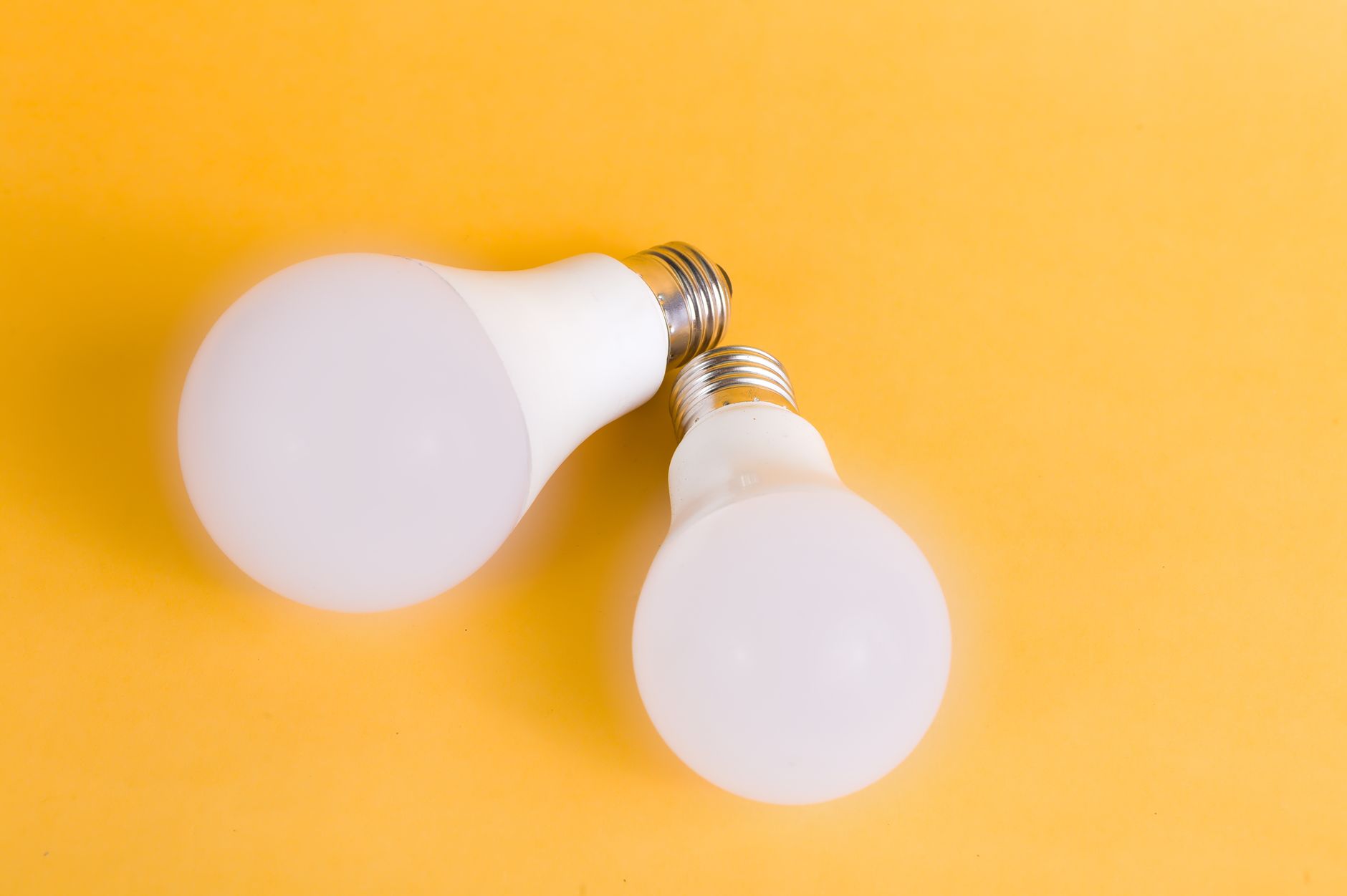
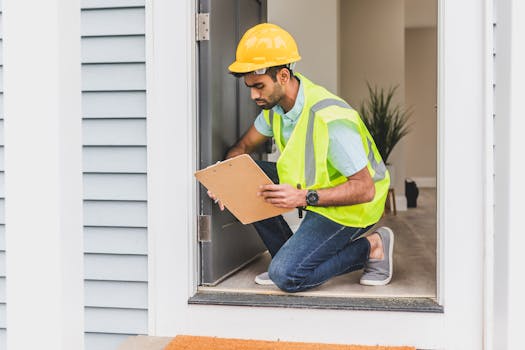 Photo: RDNE Stock project / Pexels