Energy Audit For Home Cost: Your Path to Savings
energy audit for home cost

Energy Audit For Home Cost: Your Path to Savings

Discover how a home energy audit pays for itself by revealing hidden inefficiencies and guiding you to lower utility bills.

Calculate Your Savings

Key Takeaways

  • ✓ Average home energy audit cost ranges from $100 to $600, but can be free.
  • ✓ Professional audits include blower door tests, thermography, and visual inspections.
  • ✓ Identifying and fixing issues can lead to 5-30% savings on energy bills.
  • ✓ Many utility companies offer rebates or free audits to their customers.

How It Works

1
Initial Consultation & Data Gathering

An auditor discusses your energy concerns, reviews past utility bills, and gathers information about your home's construction and appliances. This helps tailor the audit to your specific needs and potential problem areas.

2
On-Site Inspection & Diagnostic Testing

The auditor performs a thorough visual inspection, checks insulation levels, and uses specialized tools like blower door tests and infrared cameras. These diagnostic tools pinpoint air leaks and thermal bridging invisible to the naked eye.

3
Analysis & Report Generation

All collected data is analyzed to identify energy inefficiencies and their root causes. A comprehensive report is then compiled, detailing findings, recommended improvements, and estimated cost savings.

4
Recommendations & Implementation Support

The auditor presents the report, explains the prioritized recommendations, and answers any questions you may have. They may also provide resources for contractors, rebates, and financing options to help you implement the improvements.

Understanding the Factors Influencing Energy Audit For Home Cost
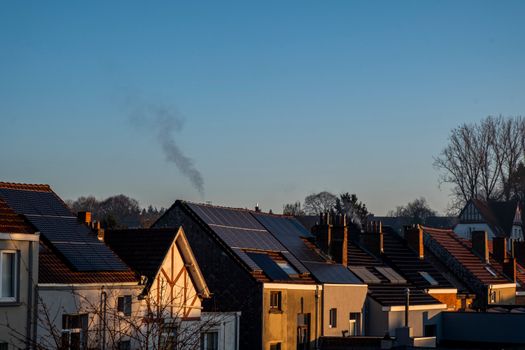
A row of houses displaying solar panels on their rooftops, reflecting sustainable energy practices. Photo: MARIANNE RIXHON / Pexels
Embarking on a journey to a more energy-efficient home often begins with a comprehensive energy audit. But before you schedule one, a common question arises: what is the typical energy audit for home cost? The truth is, there's no single, fixed price, as several variables play a significant role in determining the final expense. Understanding these factors will help you budget effectively and make an informed decision. First and foremost, the type of audit you choose profoundly impacts the cost. A basic walk-through assessment, often offered free by utility companies or as a low-cost service, involves a visual inspection and basic recommendations. While helpful for identifying obvious issues, it lacks the diagnostic depth of a professional, comprehensive audit. These more advanced audits, which typically range from $200 to $600, include specialized equipment and detailed analysis. They delve into areas like insulation R-value, appliance efficiency, and heating/cooling system performance, providing a much more accurate picture of your home's energy consumption. Another crucial factor is the size and complexity of your home. A sprawling multi-story house with multiple heating and cooling zones will naturally require more time and resources to audit than a compact, single-story ranch. Homes with unique architectural features, older construction, or numerous additions can also increase the audit's complexity, driving up the cost. The square footage, number of rooms, and even the type of foundation (slab, crawl space, or basement) all contribute to the overall scope of work for the energy auditor. The geographical location also plays a part. Labor costs and demand for energy efficiency services vary across different regions and states. In areas with higher costs of living or strong government incentives for energy efficiency improvements, you might find audit prices trending higher. Conversely, in regions with less demand or more competitive markets, prices could be lower. It's always a good idea to get quotes from multiple providers in your local area to understand the prevailing rates. The specific services included in the audit package also matter. Some auditors might offer basic services for a lower price, while others include advanced diagnostics like infrared thermography, blower door testing, and combustion safety checks as standard. These specialized tests provide invaluable data but come with associated equipment and expertise costs. Always clarify what's included in any quote you receive to avoid surprises. Finally, the auditor's experience and certifications (e.g., BPI certification) can influence their pricing. Highly experienced and certified professionals often command higher fees due to their expertise and the quality of their recommendations, but their insights can lead to greater long-term savings. When evaluating the energy audit for home cost, consider these factors holistically to ensure you're getting the most value for your investment.

What's Included in a Professional Home Energy Audit and Why It Matters
Close-up of large red and blue industrial fans on a rustic wall showcasing machinery and ventilation. Photo: Pixabay / Pexels
When considering the energy audit for home cost, it’s essential to understand exactly what you’re paying for, especially with a professional, comprehensive assessment. A top-tier energy audit goes far beyond a simple walk-through; it's a deep dive into your home's energy performance, using advanced tools and expert analysis to pinpoint inefficiencies. Knowing what's included helps justify the investment and showcases the potential for significant savings. One of the cornerstones of a professional audit is the blower door test. This critical diagnostic tool depressurizes your home, exaggerating air leaks through cracks and openings. By measuring the rate of air exchange, the auditor can quantify your home's airtightness and identify precisely where conditioned air is escaping or unconditioned air is entering. This test is invaluable for finding hidden gaps around windows, doors, electrical outlets, plumbing penetrations, and even in the attic or basement, which are often major culprits of energy waste. Without a blower door test, many significant air leaks would go undetected, leaving substantial savings on the table. Infrared thermography, or thermal imaging, is another powerful component. An infrared camera captures heat signatures, allowing the auditor to visualize temperature differences on surfaces. This technology reveals areas of insufficient or missing insulation in walls, ceilings, and floors, as well as cold spots caused by air leaks or thermal bridging (where heat bypasses insulation through structural elements). Seeing these heat losses visually helps homeowners understand the problem and prioritize insulation upgrades. It's an objective way to show where your home is bleeding energy. Beyond these high-tech tools, a comprehensive audit includes a thorough visual inspection of your home's major energy-consuming systems. This encompasses examining your HVAC system for efficiency, proper sizing, and ductwork integrity; checking your water heater for insulation and proper settings; and assessing the condition of windows, doors, and overall building envelope. The auditor will also evaluate your lighting, appliances, and even your landscaping for their energy impact. They'll look for signs of moisture problems, ventilation issues, and potential health and safety concerns related to combustion appliances. The culmination of this process is a detailed, prioritized report. This isn't just a list of problems; it’s a strategic roadmap for improvement. The report typically outlines specific recommendations, estimates the potential energy savings for each improvement, and often includes a cost-benefit analysis. Many reports also provide information on available rebates, tax credits, and financing options, making the implementation process smoother. The value of this report is immense, as it empowers you to make informed decisions that optimize your energy usage, reduce your carbon footprint, and ultimately, significantly lower your utility bills for years to come. This thorough approach ensures that the energy audit for home cost is an investment, not just an expense.

Maximizing Your Return on Investment: Is the Energy Audit For Home Cost Worth It?

A close-up image of a glowing lightbulb with a warm tone against a blurred background. Photo: Johannes Plenio / Pexels
The question of whether the energy audit for home cost is a worthwhile investment is often on the minds of homeowners. The short answer, for most, is a resounding yes. While there's an upfront expense, the potential for long-term savings, increased comfort, and environmental benefits often far outweighs the initial outlay. To truly maximize your return on investment (ROI), it's crucial to approach the audit with a clear understanding of its value and how to act on its findings. The primary benefit, and often the most compelling reason, is the significant reduction in utility bills. By identifying and addressing energy inefficiencies, homeowners can typically expect to see savings ranging from 5% to 30% on their annual heating, cooling, and electricity costs. Over time, these monthly savings accumulate, effectively paying back the initial energy audit for home cost and continuing to put money back in your pocket for years. Imagine saving $50-$150 each month – that quickly adds up to hundreds, if not thousands, annually. Beyond the financial savings, an energy audit dramatically improves home comfort. Drafts, uneven temperatures between rooms, and excessive humidity are common complaints that an audit can help resolve. By sealing air leaks and optimizing insulation, your home becomes a more consistent and pleasant living environment, reducing the need to constantly adjust thermostats or wear extra layers indoors. This enhanced comfort is a tangible benefit that contributes significantly to your quality of life at home. Furthermore, addressing issues like poor ventilation or combustion safety can lead to a healthier indoor environment by reducing allergens, mold potential, and exposure to harmful gases. An audit doesn't just save money; it creates a safer, more comfortable space. To truly maximize your ROI, however, you must act on the recommendations. The audit report is a roadmap; merely possessing it won't yield savings. Prioritize the recommendations based on their potential savings, cost-effectiveness, and impact on comfort and safety. Often, low-cost measures like sealing air leaks with caulk and weatherstripping offer the quickest payback. More significant investments, such as upgrading insulation, replacing old windows, or improving your HVAC system, might have a longer payback period but offer greater long-term savings and comfort. Many homeowners find it beneficial to tackle improvements in phases, starting with the most impactful and affordable changes. Finally, don't overlook available incentives. Many federal, state, and local programs, as well as utility companies, offer rebates, tax credits, and low-interest loans for energy efficiency upgrades. These incentives can significantly offset the cost of improvements, further reducing your payback period and boosting your ROI. Your energy auditor may even be able to provide information on these programs. By strategically implementing the audit's findings and leveraging available support, the energy audit for home cost transforms from an expense into a powerful investment in your home's future and your financial well-being. For more insights on general energy conservation, consider exploring broader strategies.

Choosing the Right Energy Auditor and Avoiding Common Mistakes
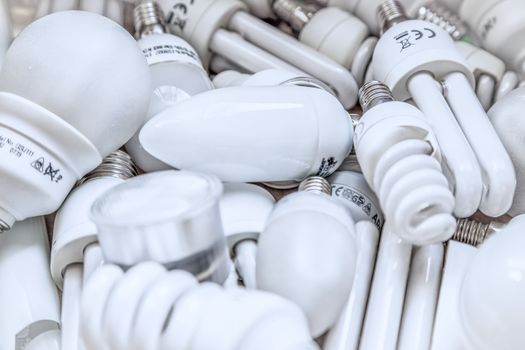
Pile of diverse energy-efficient light bulbs showcasing an array of designs and functionalities. Photo: tom analogicus / Pexels
Navigating the process of selecting an energy auditor is crucial to ensuring your energy audit for home cost is a sound investment. Not all auditors are created equal, and making the right choice can significantly impact the quality of the assessment and the effectiveness of the recommendations you receive. Avoiding common pitfalls will help you get the most value for your money and ensure your home truly becomes more energy efficient. **Tips for Choosing the Right Energy Auditor:** * **Look for Certifications:** The most reputable energy auditors hold certifications from organizations like the Building Performance Institute (BPI) or RESNET (Residential Energy Services Network). These certifications indicate that the auditor has undergone rigorous training and passed exams covering building science principles and diagnostic testing. This expertise is vital for a thorough and accurate assessment. * **Ask for References and Reviews:** A good auditor will have a track record of satisfied clients. Check online reviews on platforms like Google, Yelp, or Angie's List, and don't hesitate to ask the auditor for references from previous customers. Hearing about others' experiences can provide valuable insight into their professionalism and the quality of their work. * **Inquire About Equipment and Methods:** A professional audit should include diagnostic tools like blower door tests and infrared cameras. Ask the auditor about the specific equipment they use and their audit methodology. If an auditor only offers a visual walk-through for a professional fee, it might be a red flag. * **Understand What's Included:** Get a clear, written quote that details everything included in the energy audit for home cost. This should specify the types of tests, the scope of the inspection, and what kind of report you will receive. Ensure there are no hidden fees. * **Discuss Their Reporting Style:** A valuable audit culminates in a clear, actionable report. Ask for a sample report if possible, and ensure it includes prioritized recommendations, estimated savings, and potential payback periods. The report should be easy to understand and provide practical steps. **Common Mistakes to Avoid:** * **Only Focusing on Price:** While cost is a factor, choosing the cheapest option without vetting the auditor can lead to a superficial audit that misses critical issues. A slightly higher upfront energy audit for home cost for a certified, thorough professional can save you far more in the long run. * **Not Asking Questions:** Don't be afraid to ask about the auditor's experience, their process, or anything in the report you don't understand. A good auditor will be patient and willing to educate you. * **Ignoring the Report:** The audit is only valuable if you act on its findings. Many homeowners pay for an audit but then fail to implement the recommendations, thus negating the investment. Create a plan to address the most impactful issues. * **Not Leveraging Incentives:** Failing to research and apply for available rebates, tax credits, or financing programs can mean missing out on significant savings that reduce the effective energy audit for home cost and the expense of improvements. * **Assuming All Issues Are Visible:** Many energy inefficiencies, like air leaks behind walls or insufficient attic insulation, are not immediately obvious. A professional audit uses specialized tools to uncover these hidden problems, which a DIY visual inspection might miss. Trust the diagnostic tools.

Comparison

FeatureProfessional Audit (BPI/RESNET)Utility Company Audit (Often Free/Low Cost)DIY Visual Check
Average Cost$200 - $600$0 - $150$0
Diagnostic ToolsBlower Door, IR CameraLimited/BasicNone
Report DetailComprehensive, PrioritizedBasic RecommendationsPersonal Notes
Savings Potential10-30%5-15%0-5%
Expertise LevelCertified ProfessionalTrained TechnicianHomeowner Knowledge
Rebate AssistanceOften ProvidedOften Provided

What Readers Say

"The energy audit for home cost initially seemed like an expense, but our auditor was incredibly thorough. He found major air leaks we never knew existed. Our utility bills dropped by almost 20% in the first month after sealing the drafts!"

Sarah J. · Austin, TX

"We paid $350 for a professional energy audit and it was worth every penny. The infrared camera showed exactly where our insulation was failing. The report was clear, and we've already saved more than the audit cost in just six months."

Mark D. · Denver, CO

"After our energy audit, we implemented the recommended attic insulation upgrade. Our home is now noticeably warmer in winter and cooler in summer. Our electricity bill went from $250 to $180 consistently, a huge win!"

Emily R. · Boston, MA

"The energy audit for home cost was a bit higher than I expected, but the auditor was very knowledgeable. While some recommendations were too expensive for us right now, the low-cost air sealing tips alone have made a difference. Good starting point."

David L. · Portland, OR

"Our utility company offered a discounted audit, and we took it. The technician was friendly and gave us great tips on appliance usage and window sealing. It was a fantastic introduction to energy savings without a huge energy audit for home cost."

Jessica M. · Atlanta, GA

Frequently Asked Questions

What is the average energy audit for home cost in the US?

The average energy audit for home cost in the US typically ranges from $200 to $600 for a comprehensive, professional assessment. However, basic walk-through audits can be free or cost under $100, often offered by utility companies. The price depends on factors like home size, location, and the depth of the audit performed.

Is a home energy audit really worth the investment?

Yes, a home energy audit is generally a worthwhile investment. The upfront energy audit for home cost is often offset by significant long-term savings on utility bills, typically ranging from 5% to 30%. Beyond financial benefits, audits improve home comfort, identify potential safety issues, and increase your home's overall value.

How can I get a free or low-cost energy audit?

Many local utility companies offer free or heavily discounted energy audits to their customers as part of energy efficiency programs. Check your utility provider's website or contact their customer service to inquire about available programs. Some state or local government agencies also offer similar incentives.

What kind of savings can I expect after an energy audit?

After implementing the recommendations from a professional energy audit, homeowners can typically expect to see annual energy savings of 5% to 30%. The exact amount depends on the initial inefficiency of your home and the scope of improvements you undertake, but even small changes can lead to noticeable reductions in utility bills.

What's the difference between a DIY energy audit and a professional one?

A DIY energy audit involves a homeowner visually inspecting their home for obvious issues like drafts or old appliances. A professional audit, however, uses specialized equipment like blower doors and infrared cameras to detect hidden air leaks and insulation deficiencies that are impossible to find otherwise. The professional audit provides a much more accurate and comprehensive assessment.

Who should consider getting an energy audit for their home?

Anyone looking to reduce their utility bills, improve home comfort, or understand their home's energy consumption better should consider an energy audit. It's particularly beneficial for owners of older homes, those experiencing high energy bills, or anyone planning major renovations to ensure energy efficiency is integrated.

Are there any risks associated with an energy audit?

There are virtually no risks associated with the energy audit itself. Professional auditors are trained to safely operate diagnostic equipment. In fact, audits can identify existing risks like carbon monoxide leaks from combustion appliances or moisture problems, making your home safer in the long run.

Will an energy audit increase my home's value?

While an energy audit itself doesn't directly increase home value, the energy efficiency upgrades recommended by an audit certainly can. Homes with lower utility bills, better insulation, and modern HVAC systems are often more attractive to buyers and can command a higher selling price, especially in a market increasingly focused on sustainability.

Understanding the energy audit for home cost is the first step towards a more efficient, comfortable, and affordable living space. Don't let the initial investment deter you; the long-term savings and benefits far outweigh the expense. Take control of your energy consumption today and invest in your home's future.

Topics: energy audit for home costhome energy assessment pricecost of energy efficiency auditresidential energy audit expensesave on utility bills
Leo List

IE Escorts NO Escorts US Escorts NZ Escorts AU Escorts
Brampton weed
Adultwork EstrelaBet Vai de Bet R7 Bet Betão Galera Bet Rainbet Bet9ja Shop SportyBet BetKing Sisal Loto Foot Hollywoodbets YesPlay Odibets RushBet Jugabet BetWarrior BetCity MSport betPawa Fortebet