Navigating Electric Vehicle Charging Stations US
Unlock the future of sustainable transportation by mastering the ins and outs of EV charging across America.
Find Your Next ChargeKey Takeaways
- ✓ Over 160,000 public charging ports are available in the US.
- ✓ Level 2 chargers are the most common public charging type.
- ✓ DC Fast Chargers (DCFC) can add hundreds of miles of range in under an hour.
- ✓ The US government aims for 500,000 public chargers by 2030.
How It Works
Use in-car navigation, dedicated apps (e.g., ChargePoint, PlugShare), or your EV manufacturer's app to find nearby charging stations. Filter by connector type and charging speed.
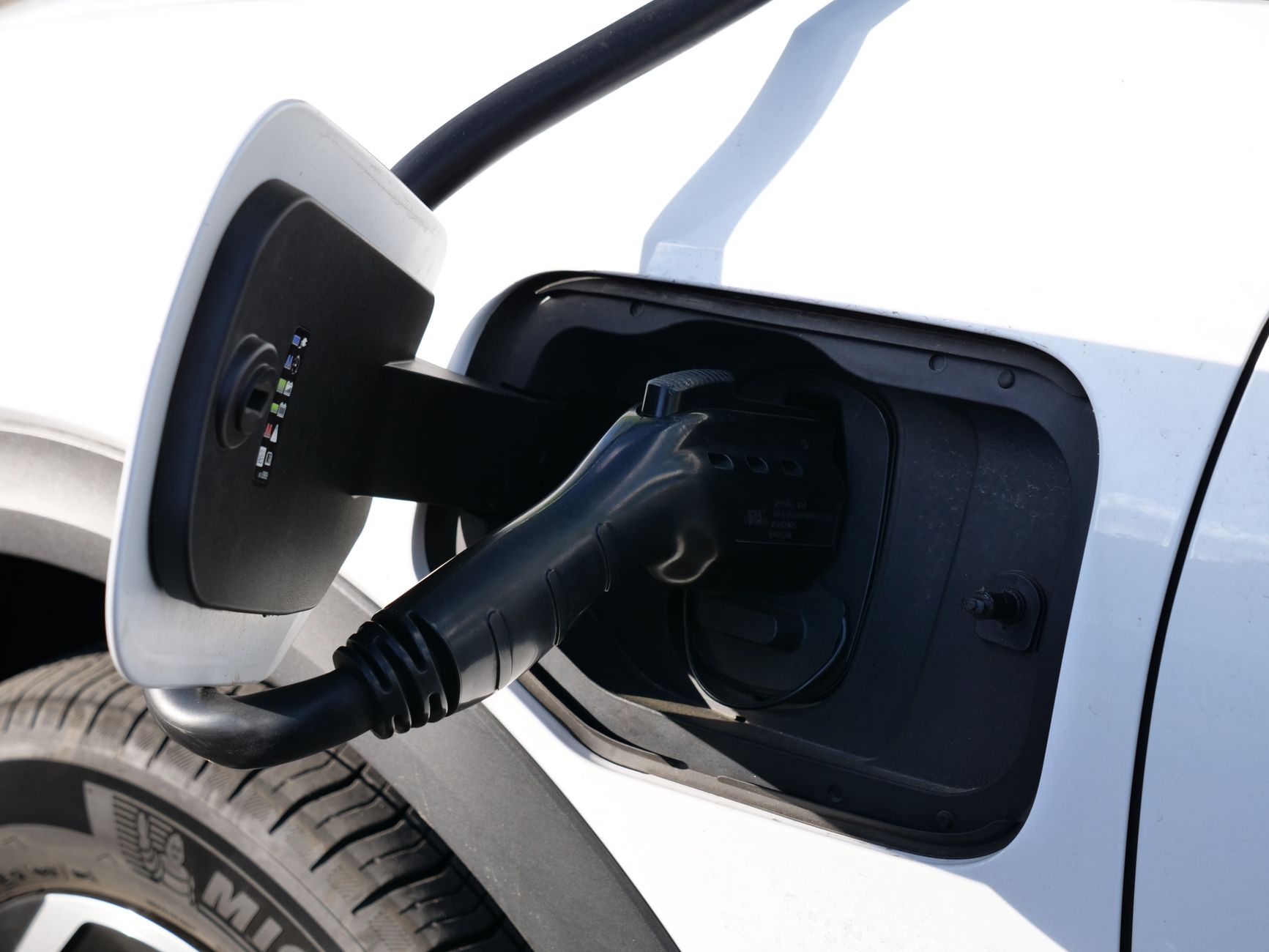
Once at the station, plug the appropriate charging cable into your EV's charging port. Ensure a secure connection to initiate the charging process.
Activate the station using an RFID card, mobile app, or credit card payment. Monitor your charging progress via the station's screen, your car's dashboard, or the charging app.
Once your desired charge level is reached or the session is complete, stop the charge via the app or station. Safely unplug the connector and return it to its holder.
Understanding EV Charging Infrastructure in the US
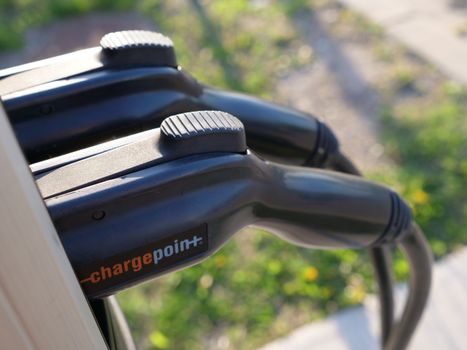 Photo: Giant Asparagus / Pexels
Navigating Public Electric Vehicle Charging Stations US: Networks and Connectors
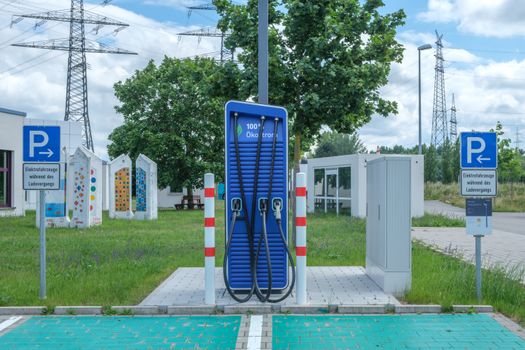 Photo: Reinhard Bruckner / Pexels
The Economics of EV Charging: Costs and Incentives in the US
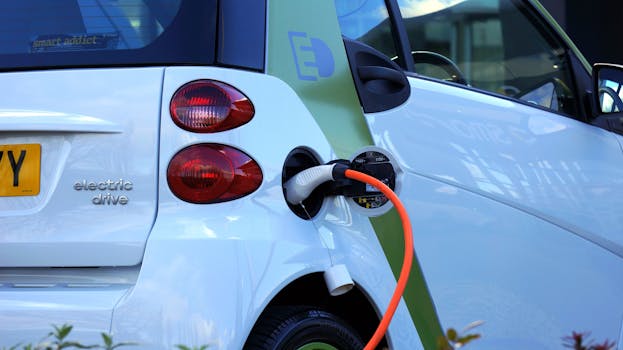 Photo: Mike Bird / Pexels
Maximizing Your EV Charging Experience: Tips and Common Pitfalls
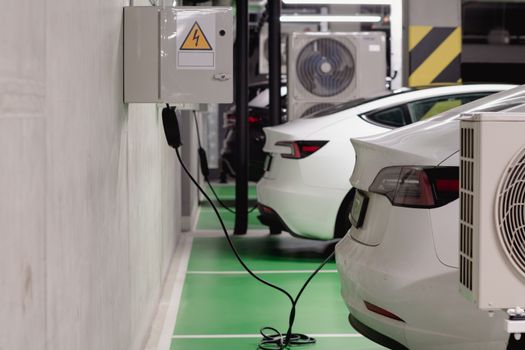 Photo: Jakub Zerdzicki / Pexels
Comparison
| Feature | Home Level 2 | Public Level 2 | Public DC Fast Charger | |
|---|---|---|---|---|
| Charging Speed (miles/hr) | 20-30 | 20-30 | 100-1000+ | 100-1000+ |
| Cost (per kWh) | $0.10-$0.30 | Free-$0.40 | $0.25-$0.60+ | |
| Convenience | High | Medium | High (on-the-go) | |
| Installation Required | ✓ | ✗ | ✗ | |
| Ideal Use Case | Daily charging | Work/Shopping | Road trips/Quick top-offs |
What Readers Say
"Finding electric vehicle charging stations in the US has become so much easier. The ChargePoint network here in Austin is extensive, and I never have trouble finding a spot for my daily commute. It's truly changed how I view 'fueling' my car."
Sarah J. · Austin, TX"Electrify America's DC Fast Chargers along I-70 are a game-changer for my ski trips. I can get a significant charge in the time it takes to grab a coffee, making long-distance EV travel totally viable in the US."
Mark D. · Denver, CO"My workplace installed new electric vehicle charging stations, and it's been fantastic. I save over $100 a month on gas and never worry about range anxiety on my drive home. This infrastructure is essential for EV growth."
Emily R. · San Francisco, CA"While most electric vehicle charging stations in the US are great, sometimes I wish there was more consistency in pricing across different networks. Still, the convenience and environmental benefits far outweigh any minor inconveniences."
David L. · Miami, FL"As a ride-share driver, reliable electric vehicle charging stations in the US are crucial. Tesla Superchargers are incredibly fast and dependable, letting me get back on the road quickly and maximize my earnings."
Jessica M. · Chicago, ILFrequently Asked Questions
What are the most common types of electric vehicle charging stations in the US?
The most common types are Level 1 (standard household outlet, slow), Level 2 (240V, faster for daily use), and DC Fast Charging (DCFC, very fast for long trips). Most public stations are Level 2 or DCFC.
Is it difficult to find electric vehicle charging stations in the US?
No, it's becoming increasingly easy. With dedicated apps like PlugShare, ChargePoint, and built-in navigation in most EVs, locating available charging stations is straightforward. The network is expanding rapidly.
How do I pay for charging at public electric vehicle charging stations in the US?
Payment methods vary by network. Many accept credit cards directly, while others use dedicated mobile apps, RFID cards, or membership accounts. Signing up for network accounts often offers better rates.
How much does it cost to use electric vehicle charging stations in the US?
Costs vary significantly. Home charging is typically the cheapest ($0.10-$0.30/kWh). Public Level 2 can be free or cost around $0.15-$0.40/kWh. DC Fast Charging is the most expensive, ranging from $0.25-$0.60+/kWh or per minute.
Are electric vehicle charging stations in the US compatible with all EV models?
Not all. Most non-Tesla EVs use J1772 for Level 2 and CCS for DCFC. Tesla vehicles primarily use NACS. However, many new EVs and charging stations are adopting NACS, and adapters are becoming more common to bridge compatibility gaps.
Who should use electric vehicle charging stations in the US?
Anyone who owns or is considering owning an electric vehicle. Public charging is essential for those without home charging, for longer trips, or for topping up during daily activities. It's a critical component of EV ownership.
Are electric vehicle charging stations in the US safe to use in all weather conditions?
Yes, public electric vehicle charging stations are designed to be weatherproof and safe for use in various conditions, including rain and snow. Always ensure the connector is dry before plugging in and follow the station's instructions.
What's the future outlook for electric vehicle charging stations in the US?
The future is bright, with significant expansion expected. Government funding and private investment aim to dramatically increase the number of chargers, especially DCFC along major corridors. Interoperability and standardization are also improving, promising a more seamless experience.
Embrace the electrified future by confidently navigating electric vehicle charging stations across the US. With a growing network, diverse options, and continuous innovation, powering your EV has never been more accessible or convenient. Start planning your next charge today and experience the benefits of sustainable transportation.