Unlocking EV Freedom: Electric Vehicle Charging Stations US
electric vehicle charging stations US

Unlocking EV Freedom: Electric Vehicle Charging Stations US

Explore the comprehensive guide to EV charging, ensuring you're always powered up for your adventures.

Find Your Charge

Key Takeaways

  • ✓ Over 160,000 public EV charging ports are available in the US.
  • ✓ Level 2 chargers are the most common type for public and home use, offering 12-80 miles of range per hour.
  • ✓ DC Fast Chargers (Level 3) can charge an EV to 80% in 20-60 minutes.
  • ✓ The US government aims for a national network of 500,000 public EV chargers by 2030.

How It Works

1
Locate a Charging Station

Use in-car navigation, mobile apps (like PlugShare or ChargePoint), or dedicated network apps to find available charging stations. Filter by connector type and power level.

2
Connect Your Vehicle

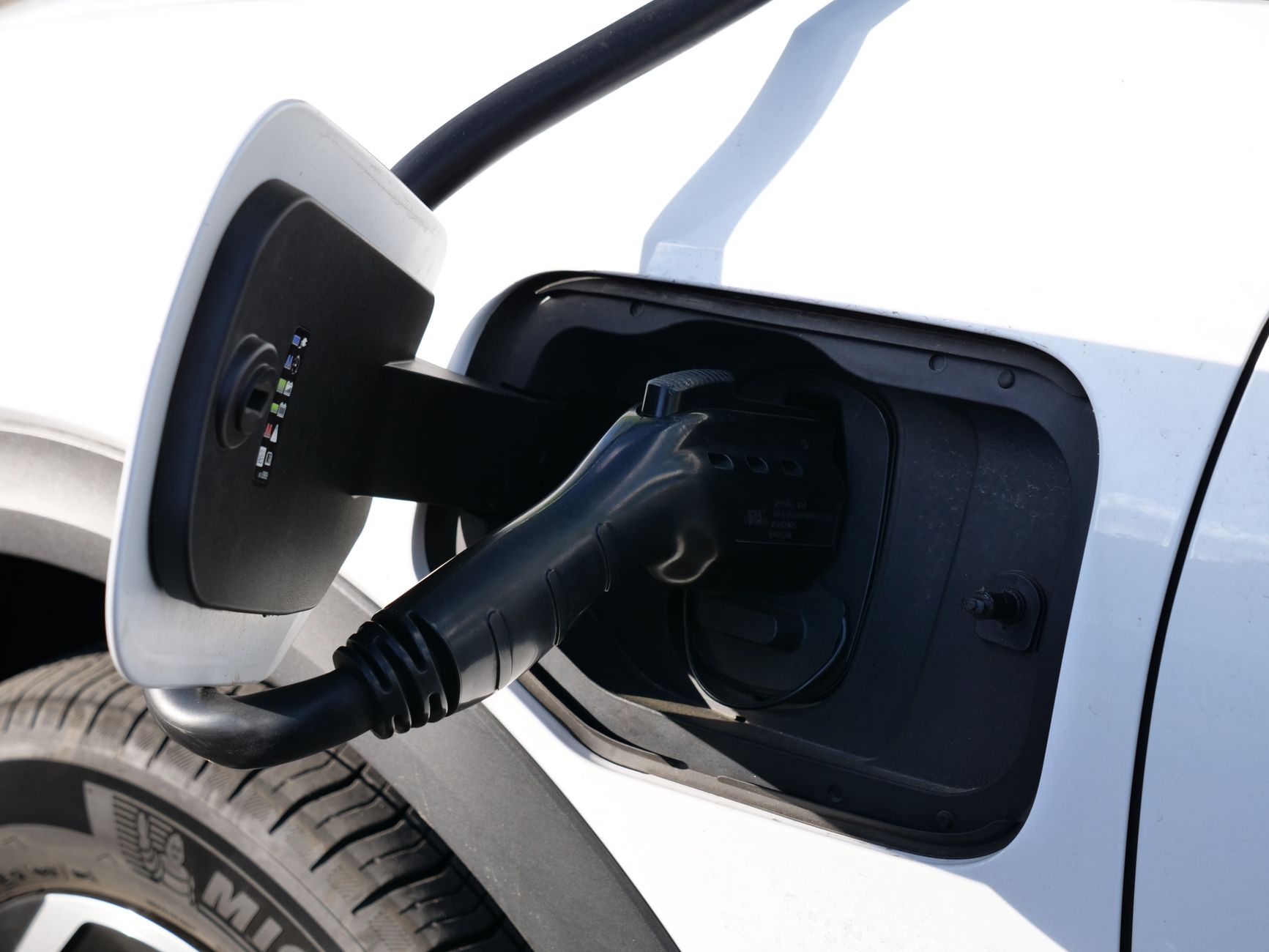
Park your EV, open the charging port, and securely plug in the charging cable. Ensure the connection is firm to initiate the charging process.

3
Initiate Charging Session

Depending on the station, you might use an RFID card, a mobile app, or a credit card to start charging. Follow the on-screen prompts or app instructions.

4
Monitor and Disconnect

Monitor your charging progress via your vehicle's display or the charging app. Once charged to your desired level, stop the session through the app or station, then safely disconnect the cable and return it.

The Evolving Landscape of EV Charging Infrastructure
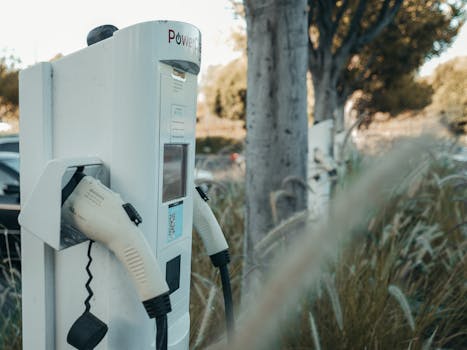
Electric vehicle charging station in an outdoor natural setting, highlighting sustainable technology. Photo: Kindel Media / Pexels
The transition to electric vehicles (EVs) in the United States is accelerating, driven by environmental concerns, technological advancements, and supportive government policies. Central to this transformation is the robust and rapidly expanding network of electric vehicle charging stations US. Understanding this infrastructure is crucial for current and prospective EV owners. The US Department of Energy's Alternative Fuels Data Center (AFDC) reports a significant increase in public charging ports, indicating a growing commitment to EV adoption. This infrastructure isn't monolithic; it comprises various types of chargers, each suited for different needs and charging speeds. At the most basic level, EV charging can be categorized into three main levels: Level 1, Level 2, and DC Fast Charging (often referred to as Level 3). Level 1 charging uses a standard 120-volt AC outlet, similar to those found in any home, providing a slow but convenient trickle charge. While suitable for overnight charging for low-mileage drivers, it's not practical for public use. Level 2 charging, the most prevalent type for both public and residential installations, utilizes a 240-volt AC power source. These chargers deliver a significantly faster charge, often adding 12 to 80 miles of range per hour, making them ideal for workplaces, public parking lots, and home garages. The rapid expansion of Level 2 chargers is a cornerstone of the US charging strategy, aiming for ubiquitous access. DC Fast Charging represents the pinnacle of charging speed, using direct current (DC) to bypass the EV's onboard charger and deliver power directly to the battery. These stations, typically found along major highways and in high-traffic urban areas, can replenish an EV's battery to 80% capacity in as little as 20-60 minutes, depending on the vehicle and charger output. The deployment of DC Fast Chargers is critical for long-distance travel, effectively mitigating range anxiety. Major networks like Electrify America, EVgo, and ChargePoint are investing heavily in expanding their DC Fast Charging footprints, ensuring that intercity travel by EV becomes as seamless as with gasoline-powered vehicles. Furthermore, the standardization of connector types, such as J1772 for Level 1 and 2, and CCS, CHAdeMO, and Tesla's proprietary connector for DC Fast Charging, is vital for interoperability and user convenience. The Biden administration's infrastructure plan includes significant funding to accelerate the buildout of a national EV charging network, emphasizing reliability, accessibility, and equity across all regions of the US.

Understanding Charging Levels and Connector Types
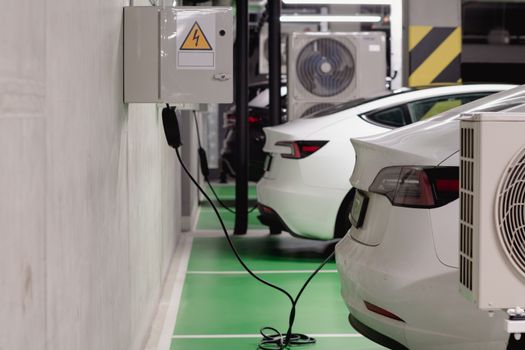
Electric vehicles charging at an indoor station in a modern underground garage. Photo: Jakub Zerdzicki / Pexels
Delving deeper into the technical aspects of electric vehicle charging stations in the US reveals a spectrum of charging options designed to meet diverse user requirements. Each charging level offers distinct benefits regarding speed, accessibility, and cost. Understanding these nuances is key to optimizing your EV ownership experience. **Level 1 Charging:** This is the simplest form of EV charging, utilizing a standard 120V AC household outlet. It's often referred to as 'trickle charging' because it delivers power slowly, typically adding only 2-5 miles of range per hour. While incredibly convenient for overnight charging at home for drivers with short daily commutes, it's generally not practical for public charging due to its slow speed. Most EVs come with a Level 1 charging cable, making it an accessible option from day one. **Level 2 Charging:** This is the most common type of charging found in both residential and public settings. Level 2 chargers use a 240V AC power source, similar to what powers large appliances like electric dryers. They deliver significantly more power than Level 1, typically adding 12-80 miles of range per hour, depending on the charger's output and the vehicle's acceptance rate. This makes Level 2 ideal for home charging, workplaces, and public destinations where vehicles are parked for a few hours, such as shopping centers, hotels, and restaurants. The most common connector for Level 2 charging in North America is the J1772 standard, which nearly all EVs (except older Tesla models without an adapter) can use. **DC Fast Charging (Level 3):** Representing the fastest charging method available today, DC Fast Chargers convert AC power from the grid into DC power before delivering it directly to the EV's battery, bypassing the car's onboard charger. This allows for extremely rapid charging, often replenishing an EV's battery to 80% in 20-60 minutes. DC Fast Chargers are crucial for long-distance travel and for drivers needing a quick top-up. There are several DC Fast Charging connector standards: * **CCS (Combined Charging System):** This is the most common DC Fast Charging standard in North America and Europe, supported by most non-Tesla EVs. * **CHAdeMO:** Predominantly used by Japanese automakers like Nissan and Mitsubishi, though its prevalence is declining in new EV models. * **Tesla Supercharger:** Tesla's proprietary network uses a unique connector, but Tesla also offers adapters for CCS and J1772, and newer Tesla models are beginning to integrate the CCS port. The choice of charging level and understanding connector types directly impacts convenience, travel time, and overall EV experience. As the EV market matures, interoperability and standardization are becoming increasingly important for a seamless charging experience across different networks and vehicle brands.

Costs, Networks, and Finding Electric Vehicle Charging Stations US

Electric vehicles charging at an indoor station in a modern underground garage. Photo: Jakub Zerdzicki / Pexels
The economic aspect and accessibility of electric vehicle charging stations US are paramount for EV adoption. Understanding the costs associated with charging and knowing how to locate reliable stations are crucial skills for any EV owner. Unlike gasoline, where pricing is relatively transparent at the pump, EV charging costs can vary significantly based on the charging level, network provider, location, and even time of day. **Charging Costs:** * **Home Charging (Level 1 & 2):** This is generally the most cost-effective option. The cost is simply your residential electricity rate, typically ranging from $0.10 to $0.30 per kilowatt-hour (kWh). For an average EV with a 60 kWh battery, a full charge might cost $6 to $18, providing 200-300 miles of range. Many utility companies offer off-peak rates, making overnight charging even cheaper. * **Public Level 2 Charging:** Prices for public Level 2 chargers can vary. Some are free, particularly at workplaces or retail locations aiming to attract customers. Others charge by the hour, by the session, or by the kWh. Hourly rates might be $1-$3, while per-kWh rates can range from $0.20 to $0.50. It's often more expensive than home charging but more convenient for on-the-go top-ups. * **DC Fast Charging:** As the fastest option, DC Fast Charging is also the most expensive. Costs can range from $0.30 to $0.60 per kWh, or sometimes a flat session fee. A full fast charge could cost $18-$36 for a 60 kWh battery. While higher, the convenience for long trips often outweighs the cost difference for occasional use. **Charging Networks:** The US is home to several prominent EV charging networks, each with its own app, payment system, and often a subscription model for discounts: * **ChargePoint:** One of the largest networks, offering a mix of Level 2 and DC Fast Chargers. Known for its extensive app and wide availability. * **EVgo:** Primarily focuses on DC Fast Charging, often found in urban areas and along major corridors. Offers pay-as-you-go and subscription plans. * **Electrify America:** Established through the Volkswagen Dieselgate settlement, this network is rapidly expanding its DC Fast Charging footprint across the country, particularly along highways. * **Tesla Supercharger Network:** Exclusive to Tesla vehicles (though increasingly opening up to other EVs with adapters or built-in CCS), renowned for its reliability and speed. * **Other Networks:** Blink, Volta (often free, ad-supported), Shell Recharge, and local utility-operated stations also contribute to the diverse ecosystem. **Finding Charging Stations:** Several tools make locating charging stations straightforward: * **In-Car Navigation:** Many modern EVs integrate charging station maps directly into their navigation systems, often showing real-time availability. * **Mobile Apps:** Apps like PlugShare, ChargePoint, EVgo, and Electrify America are indispensable. PlugShare is particularly useful as it aggregates stations from all networks and allows users to filter by connector type, charging speed, and even user reviews. These apps often provide real-time status updates (available, in use, out of order) and pricing information. * **Website Resources:** Websites like the AFDC's Alternative Fueling Station Locator offer comprehensive databases of public charging stations across the US. By leveraging these resources and understanding the cost structures, EV owners can confidently plan their journeys and manage their charging expenses effectively, making the transition to electric mobility seamless and economical.

Essential Tips for Maximizing Your EV Charging Experience

Electric vehicles charging at an indoor station in a modern underground garage. Photo: Jakub Zerdzicki / Pexels
Navigating the world of electric vehicle charging stations in the US can be simple and efficient with a few key strategies. Whether you're a new EV owner or looking to optimize your existing routine, these tips will help you make the most of the available charging infrastructure. **Plan Your Routes Strategically:** * Always check your route for charging stations before embarking on a long journey. Utilize apps like PlugShare or your vehicle's built-in navigation to identify suitable charging stops, especially DC Fast Chargers for quick recharges. * Consider charging at destinations. Many hotels, restaurants, and shopping centers offer Level 2 charging, allowing you to top up while you're already parked and enjoying your activity. **Understand Charging Etiquette:** * **Don't hog the charger:** Once your car is sufficiently charged, move it to allow others to use the station, especially DC Fast Chargers which are high-demand. * **Report issues:** If a charger is out of order or experiences problems, report it via the network's app or customer service to help others. * **Be respectful of others:** Avoid blocking charging spots for non-EVs or parking in an EV spot if you're not charging. **Leverage Home Charging:** * Install a Level 2 charger at home if feasible. This provides the most convenient and often the most cost-effective charging solution, allowing you to start each day with a full 'tank'. * Take advantage of off-peak electricity rates by scheduling your charging sessions for nighttime hours when demand (and often cost) is lower. **Download and Set Up Multiple Charging Apps:** * Different charging networks require different apps or RFID cards to initiate sessions. Download and set up accounts for the major networks (ChargePoint, EVgo, Electrify America) in your area or along your common routes. This prevents delays when you arrive at a station. **Monitor Your Battery and Charging Speed:** * While DC Fast Chargers are quick, the charging rate often slows down significantly after 80% to protect the battery. Unless you absolutely need 100%, stopping at 80% can save you time and money. * Be aware that extreme temperatures can impact charging speeds. Batteries charge slower in very cold conditions. **Always Carry Adapters (if applicable):** * If your EV uses a specific connector (e.g., Tesla), ensure you have the necessary adapters for other standards (J1772, CCS) to maximize your charging options at public stations. By integrating these practices into your EV ownership, you'll find that charging is a seamless and stress-free part of the electric vehicle experience. The growing availability and improving technology of charging stations make EV travel more accessible than ever. **Key Takeaways for EV Charging:** * **Plan ahead:** Use apps for station locations and availability. * **Charge at home:** Most convenient and cost-effective. * **Be courteous:** Move your car when charging is complete. * **Know your networks:** Have apps/accounts ready. * **Optimize charging:** Prioritize efficiency over 100% on fast chargers.

Comparison

FeatureHome Level 2Public Level 2DC Fast Charger
Charging Speed12-80 miles/hr12-80 miles/hr100-300+ miles/hr
ConvenienceHighest (daily)High (destination)Moderate (travel)
Cost per kWh$0.10 - $0.30$0.20 - $0.50+$0.30 - $0.60+
Typical LocationResidential garagesWorkplaces, retail, hotelsHighways, urban hubs
Installation RequiredYes (for Level 2)NoNo

What Readers Say

"The public electric vehicle charging stations US have improved dramatically. I used to worry about finding a charger, but now with apps like PlugShare, it's so easy to locate a reliable station, even on road trips."

Sarah J. · Austin, TX

"Our workplace installed several Level 2 electric vehicle charging stations, and it's been a game-changer. I leave work every day with a full charge, saving me money and time compared to gas."

Mark D. · Seattle, WA

"I recently drove from Florida to Georgia in my EV, and the Electrify America electric vehicle charging stations US along I-95 were fantastic. Quick charging and easy payment, made the long trip stress-free."

Emily R. · Miami, FL

"While most electric vehicle charging stations are great, I've encountered a few out-of-order ones. It's usually not a big deal since there are so many alternatives, but it's something to be aware of when planning. Still, overwhelmingly positive experience."

David L. · Denver, CO

"As a ride-share driver, reliable electric vehicle charging stations US are crucial for my livelihood. The DC Fast Chargers in the city allow me to quickly get back on the road and maximize my earnings."

Carlos M. · Chicago, IL

Frequently Asked Questions

What are the primary types of electric vehicle charging stations in the US?

The primary types are Level 1 (standard household outlet, slow), Level 2 (240V AC, common for home and public, moderate speed), and DC Fast Charging (Level 3, rapid charging for long trips). Each offers different speeds and is suited for various charging needs and locations across the US.

Is it difficult to find electric vehicle charging stations on a road trip?

Not anymore. With dedicated charging networks like Electrify America and Tesla Superchargers strategically placed along major highways, and apps like PlugShare showing real-time availability for all networks, finding electric vehicle charging stations US for road trips has become significantly easier and more reliable.

How do I pay for public EV charging?

Payment methods vary by network but commonly include mobile apps linked to your credit card, RFID cards provided by the network, or direct credit card payments at the station. Some stations, particularly Level 2 at businesses, may offer free charging.

Is charging an EV more expensive than fueling a gasoline car?

Generally, no. Home charging is almost always cheaper than gasoline on a per-mile basis. Public Level 2 charging is often comparable or slightly more, while DC Fast Charging can sometimes approach gasoline costs for a similar range, but overall, EVs tend to be more cost-effective for 'fueling'.

Are all electric vehicle charging stations compatible with all EVs?

Most Level 1 and Level 2 stations use the J1772 connector, which is compatible with nearly all non-Tesla EVs. Teslas can use J1772 with an adapter. For DC Fast Charging, there are CCS, CHAdeMO, and Tesla Supercharger connectors. Many newer stations offer multiple connector types for broader compatibility, and adapters are available.

Who should consider installing a home electric vehicle charging station?

Anyone with an EV who has off-street parking should consider installing a home Level 2 charging station. It offers the most convenience, allows for overnight charging, and typically provides the lowest cost per mile, making daily EV use incredibly simple and efficient.

What are the safety concerns related to using electric vehicle charging stations?

EV charging is generally very safe. Stations are designed with multiple safety features to prevent electrical hazards. Users should ensure cables are properly connected, avoid using damaged equipment, and follow manufacturer guidelines. The risk of electric shock or fire is extremely low when equipment is used correctly.

What does the future hold for electric vehicle charging stations in the US?

The future promises even greater density and reliability of electric vehicle charging stations US. We can expect more high-power DC Fast Chargers, increased standardization across networks, enhanced smart charging capabilities, and further integration with renewable energy sources, making EV charging even more seamless and sustainable.

Embrace the future of mobility with confidence. The expanding network of electric vehicle charging stations US makes EV ownership more accessible and convenient than ever. Start your electric journey today, knowing a charge is always within reach.

Topics: electric vehicle charging stations USEV charging infrastructurepublic EV charginghome EV chargingcharging networks
Leo List

IE Escorts NO Escorts US Escorts NZ Escorts AU Escorts
Brampton weed
Adultwork EstrelaBet Vai de Bet R7 Bet Betão Galera Bet Rainbet Bet9ja Shop SportyBet BetKing Sisal Loto Foot Hollywoodbets YesPlay Odibets RushBet Jugabet BetWarrior BetCity MSport betPawa Fortebet