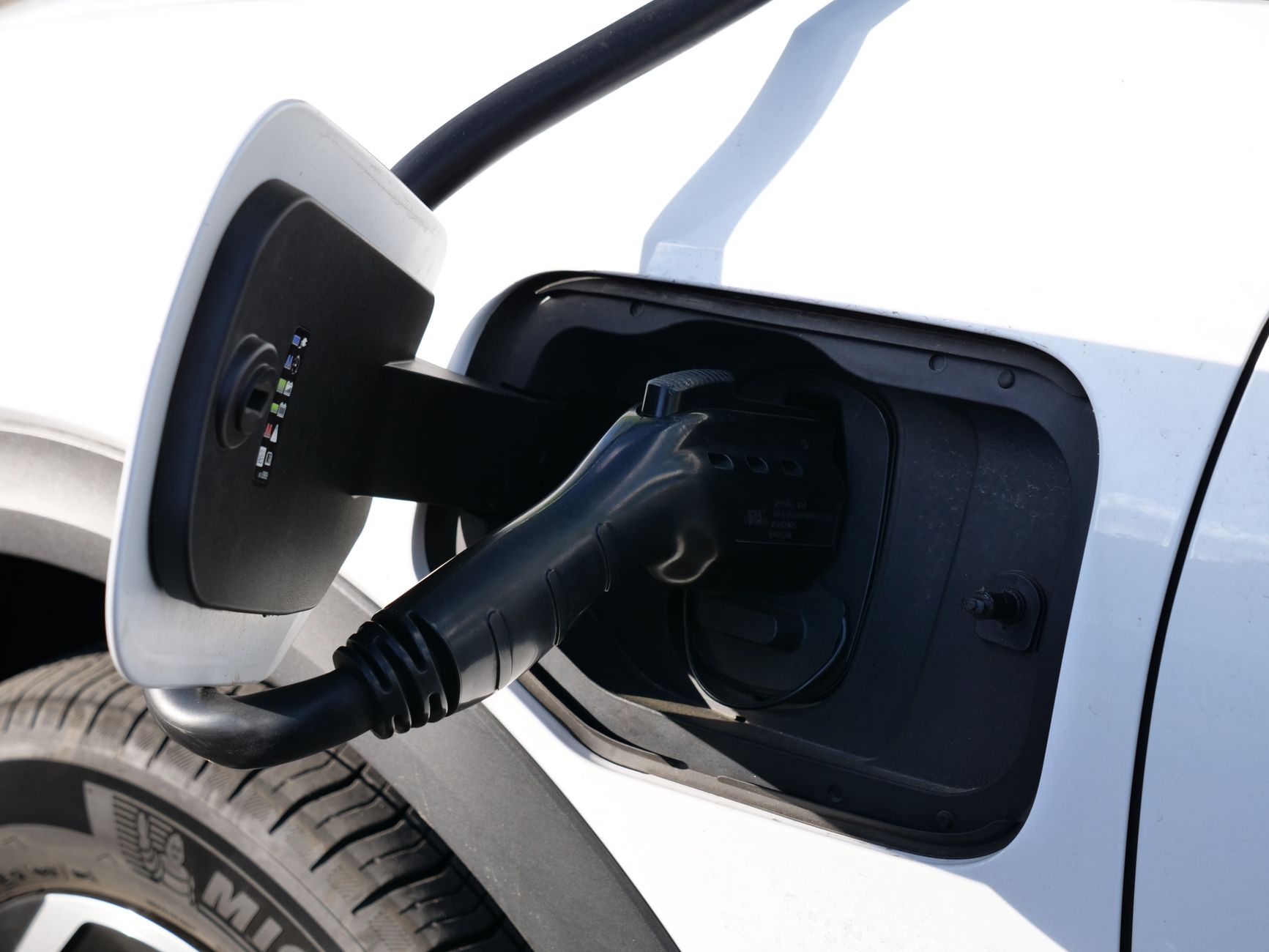
Your Ultimate electric vehicle charging stations map Guide
electric vehicle charging stations map

Your Ultimate electric vehicle charging stations map Guide

Unlock seamless EV travel across the US by mastering the art of finding and using charging stations.

Find Your Next Charge

Key Takeaways

  • ✓ Over 160,000 public EV charging ports exist across the US.
  • ✓ Level 2 chargers are most common, ideal for overnight or daily charging.
  • ✓ DC Fast Chargers (DCFC) provide the quickest charge, perfect for road trips.
  • ✓ Several dedicated apps and in-car navigation systems offer real-time charging map data.

How It Works

1
Choose Your Map or App

Select a reputable EV charging stations map like PlugShare, ChargePoint, or your vehicle's native navigation. These platforms offer comprehensive data on station types and availability.

2
Filter by Connector & Speed

Input your EV's connector type (e.g., CCS, J1772, NACS) and desired charging speed (Level 2 or DC Fast Charge). This ensures compatibility and meets your time constraints.

3
Check Availability & Pricing

View real-time station availability, operational status, and pricing information where available. Some maps even show user reviews and photos to help you decide.

4
Navigate & Charge

Once you've selected a station, use the integrated navigation to get directions. Arrive, plug in, initiate your charge via the app or station interface, and continue your journey.

Understanding the EV Charging Ecosystem in the US
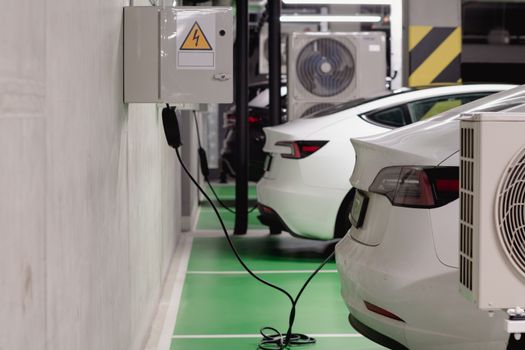
Electric vehicles charging at an indoor station in a modern underground garage. Photo: Jakub Zerdzicki / Pexels
The landscape of electric vehicle charging in the United States has undergone a transformative evolution, moving from nascent infrastructure to a robust and expanding network. For any current or prospective EV owner, comprehending this ecosystem is the first step towards anxiety-free electric driving. At its core, the US charging infrastructure is composed of various types of charging stations, each serving distinct purposes and charging speeds. We primarily categorize these into Level 1, Level 2, and DC Fast Charging (DCFC). Level 1 charging, while ubiquitous, relies on a standard 120V household outlet, offering a slow trickle charge primarily suitable for overnight charging at home. Public infrastructure largely bypasses Level 1 in favor of faster options. Level 2 chargers, operating on 240V, are the most common public charging standard, found in workplaces, shopping centers, and public parking lots. They can add between 20-30 miles of range per hour, making them ideal for charges lasting a few hours. DC Fast Chargers, on the other hand, are the titans of the charging world, delivering significant range in a short period, often adding hundreds of miles in under an hour. These are crucial for long-distance travel and are typically found along major highways and corridors. Beyond the hardware, the ecosystem is also defined by a multitude of charging networks, each with its own app, payment system, and often, proprietary stations. Major players include Electrify America, ChargePoint, EVgo, Tesla's Supercharger network (increasingly open to non-Tesla EVs), and Blink. Each network contributes to the overall availability seen on any comprehensive electric vehicle charging stations map. The interoperability between these networks is constantly improving, though users may still need multiple apps or RFID cards. Federal and state incentives, alongside private investment, continue to fuel the expansion of this infrastructure, particularly in underserved areas. This growth is critical for achieving widespread EV adoption and ensuring that an electric vehicle charging stations map becomes an increasingly reliable tool for all drivers. Understanding these foundational elements is paramount to effectively utilizing any available energy infrastructure for your EV.

Navigating Your Journey with an electric vehicle charging stations map

A woman holds a map while traveling through the scenic desert of California, USA. Photo: Leah Newhouse / Pexels
For electric vehicle owners, an electric vehicle charging stations map isn't just a convenience; it's an indispensable tool for daily commutes and ambitious road trips alike. The sheer volume of data available through these maps can be overwhelming without a clear understanding of how to use them effectively. Modern charging maps and apps integrate a wealth of information, from the type of connector available (J1772, CCS, CHAdeMO, NACS) to real-time availability, power output, and even user reviews. This data empowers drivers to make informed decisions, preventing wasted time and alleviating range anxiety. When planning a route, the first step is to input your destination and, crucially, your vehicle's current state of charge. Advanced mapping tools can then suggest optimal charging stops, factoring in your vehicle's specific range and charging curve. Filters are your best friend here. You can filter by charging speed (Level 2 for a meal break, DCFC for a quick top-up), network preference (if you have memberships or preferred apps), and even amenities nearby, such as restrooms or food options. Some maps go a step further, allowing you to filter by specific connector types, which is vital as not all EVs use the same plug for DC Fast Charging. Real-time data is a game-changer. Imagine pulling up to a station only to find all chargers occupied or, worse, out of order. Many electric vehicle charging stations maps provide live status updates, indicating whether a charger is in use, available, or undergoing maintenance. User-generated content, such as check-ins and comments, further enhances this real-time picture, offering insights into potential issues or positive experiences that official data might miss. Before embarking on a long journey, it's always wise to have a primary charging plan and at least one or two backup options identified on your map, especially when traveling through less densely populated areas. This proactive approach transforms the electric vehicle charging stations map from a simple locator into a powerful travel companion, ensuring a smooth and stress-free journey every time.

Top electric vehicle charging stations map Apps and Platforms
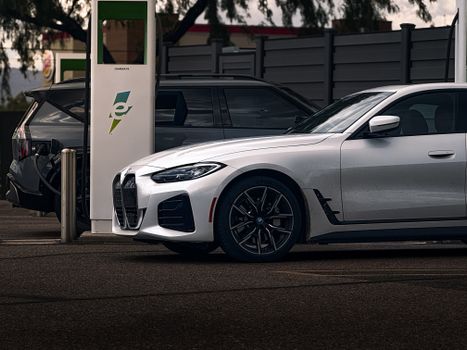
White electric car charging at a public station with another vehicle nearby. Photo: 𝓢𝓱𝓪𝓷𝓮 𝓦𝓮𝓼𝓽 ™ / Pexels
The market for electric vehicle charging stations map applications and online platforms is robust, with several key players offering comprehensive solutions for EV drivers. Each platform brings its unique strengths, catering to different user preferences and needs. Understanding these differences can help you choose the best tools for your charging routine. **PlugShare** is arguably the most popular and comprehensive EV charging map. Its strength lies in its extensive user community, which provides real-time check-ins, photos, and reviews of charging stations. This crowdsourced data is invaluable for assessing the reliability and user experience of a given charger. PlugShare allows filtering by connector type, charging speed, and network, and even shows amenities. It's an essential app for any EV owner, regardless of their primary charging network. **ChargePoint** operates one of the largest independent charging networks in the US, and its app doubles as an excellent electric vehicle charging stations map specifically for its stations. It provides real-time availability, allows users to start and stop charging sessions, and manages payment. While focused on its own network, its widespread presence makes it a crucial app to have. **Electrify America** and **EVgo** also offer dedicated apps that provide maps of their respective networks. These are particularly useful for drivers who frequently use these networks, especially for DC Fast Charging. Their apps often integrate loyalty programs and streamlined payment processes. **A Better Routeplanner (ABRP)** stands out as a sophisticated trip planning tool that integrates charging stops seamlessly into your route. It considers factors like your EV model, current battery, elevation changes, and weather to provide highly optimized charging recommendations. While not primarily a charging map in the traditional sense, its route-planning capabilities make it an indispensable companion for long-distance EV travel. Finally, many **vehicle manufacturers' native apps and in-car navigation systems** are becoming increasingly sophisticated, offering integrated charging maps that prioritize their own compatible stations (e.g., Tesla's Supercharger network, though now more open). While convenient, it's often beneficial to cross-reference with a broader platform like PlugShare for a more complete picture of all available public charging options. Utilizing a combination of these tools ensures you're always connected to the best available energy source for your electric vehicle.

Tips for Maximizing Your electric vehicle charging stations map Experience

Person relaxing indoors with coffee and smartphone, texting in a cozy setting. Photo: RDNE Stock project / Pexels
While an electric vehicle charging stations map is a powerful tool, mastering its use requires a few key strategies. These tips will help you navigate the charging landscape more efficiently and avoid common pitfalls. **1. Download Multiple Apps:** Don't rely on just one app or your car's native navigation. Different charging networks require their own apps for activation and payment, and comprehensive maps like PlugShare offer invaluable crowd-sourced data. Having 2-3 key apps (e.g., PlugShare, ChargePoint, Electrify America) on your phone ensures you're prepared for most scenarios. **2. Understand Your EV's Charging Capabilities:** Know your vehicle's maximum Level 2 and DCFC charging rates, and its connector types. This will help you filter maps effectively and avoid stations that can't deliver the speed or connection you need. **3. Plan Ahead for Road Trips:** For longer journeys, don't just rely on finding a charger when your battery is low. Use a route planner like ABRP in conjunction with your chosen electric vehicle charging stations map to pre-plan stops, especially in less populated areas. Account for potential charger downtime or queues. **4. Read User Reviews and Check-ins:** This is one of the most valuable features of platforms like PlugShare. Recent reviews can alert you to broken chargers, slow speeds, or difficult parking situations that official data might not reflect. **5. Consider Charging Etiquette:** If you're using a public charger, be mindful of others. Don't overstay your welcome once your car is fully charged, especially at DCFC stations. Move your vehicle promptly to allow others to charge. **6. Set Up Accounts and Payment Methods in Advance:** Before you need to charge, set up accounts with major charging networks and link your payment methods. This saves precious time and frustration when you're on the go. **7. Don't Rely Solely on 'Fast' Chargers:** While DCFC is great for speed, remember that Level 2 chargers are abundant and often more affordable for longer stops (e.g., while dining or shopping). **8. Carry Your Charging Cable (for Level 1/2):** While public Level 2 stations usually have attached cables, some older or destination chargers might require you to bring your own J1772 cable. Always have it in your trunk. By incorporating these practices, your reliance on an electric vehicle charging stations map will become a seamless and reassuring part of your electric vehicle ownership experience. * **List of Essential EV Charging Apps:** * PlugShare (Universal map and community) * ChargePoint (Network specific, widespread) * Electrify America (Network specific, DCFC focus) * EVgo (Network specific, DCFC focus) * A Better Routeplanner (ABRP) (Advanced trip planning) * Tesla (for Tesla owners, increasingly open to others) * Your vehicle manufacturer's app (for remote control and specific features)

Comparison

FeaturePlugShare (Best Overall)ChargePoint (Network Focus)A Better Routeplanner (Route Focus)
CoverageExcellent (all networks)Good (ChargePoint network)Good (integrates various networks)
Real-time AvailabilityYes (user-reported & official)Yes (ChargePoint network)Yes (estimated based on data)
User Reviews & PhotosExtensiveLimited (for ChargePoint stations)N/A
Trip PlanningBasic (find nearby)NoExcellent (optimized routes)
Payment IntegrationNo (links to network apps)Yes (for ChargePoint stations)No
Connector Filtering

What Readers Say

"The electric vehicle charging stations map on PlugShare saved my road trip! I was able to find a working DC fast charger in a rural area that my car's navigation missed. The user comments were incredibly helpful."

Sarah J. · Austin, TX

"I use the ChargePoint electric vehicle charging stations map daily. It's seamless for finding available chargers at my office and local grocery store, and starting a session is always quick and easy."

Mark D. · Seattle, WA

"Thanks to a reliable electric vehicle charging stations map, I successfully completed a 1,000-mile journey with my EV, always finding available chargers exactly when I needed them. No range anxiety at all!"

Emily R. · Miami, FL

"While most electric vehicle charging stations maps are great, I occasionally find outdated information on smaller networks. Still, they're essential for EV ownership and have improved dramatically."

David L. · Denver, CO

"As a new EV owner, the electric vehicle charging stations map was initially daunting. But with a bit of practice, it's become second nature, allowing me to confidently explore new areas without charging worries."

Jessica M. · Boston, MA

Frequently Asked Questions

What is the best electric vehicle charging stations map for the US?

PlugShare is widely considered the best electric vehicle charging stations map for the US due to its comprehensive coverage of all networks, extensive user community providing real-time data and reviews, and robust filtering options. It acts as an aggregator, showing chargers from almost all providers.

Will I always find an available charger using a map?

While electric vehicle charging stations maps provide real-time availability, it's not a 100% guarantee, especially during peak hours or in high-demand areas. User reviews and check-ins can offer additional insights, but having a backup plan or two is always recommended for peace of mind.

How do I pay for charging at stations found on an electric vehicle charging stations map?

Payment methods vary by network. Most require you to download their specific app (e.g., ChargePoint, Electrify America) and link a credit card. Some stations accept tap-to-pay with credit cards, while others might use an RFID card provided by the network. Always check the station's instructions.

Are all charging stations on the map compatible with my EV?

Not necessarily. Electric vehicle charging stations maps allow you to filter by connector type (e.g., J1772, CCS, CHAdeMO, NACS). Always ensure the station has the correct connector for your vehicle, especially for DC Fast Charging, as not all EVs use the same fast-charge plug.

How does an electric vehicle charging stations map compare to my car's built-in navigation?

Your car's built-in navigation is convenient but often limited to its own brand's network or a curated selection. Dedicated electric vehicle charging stations maps like PlugShare offer a much broader view of all public chargers, including smaller networks and user-contributed data, providing more options and real-time insights.

Who benefits most from using an electric vehicle charging stations map?

Anyone who owns or plans to own an EV benefits from using an electric vehicle charging stations map. It's particularly useful for new EV owners learning the ropes, road-trippers needing reliable charging stops, and urban drivers seeking convenient local charging options.

What if a charger shown on the map is broken?

If a charger is broken, most electric vehicle charging stations maps allow users to report its status. Many also show recent user check-ins or comments that can warn you if a charger is out of order. It's always a good idea to check these before driving out of your way.

What future trends can I expect for electric vehicle charging stations maps?

Future trends include greater standardization of payment methods, more seamless integration with vehicle navigation systems, predictive analytics for charger availability and demand, and enhanced features for route optimization based on real-time traffic and energy prices. The 'open' NACS standard will also simplify connector compatibility.

Embrace the electric revolution with confidence. By leveraging the power of an electric vehicle charging stations map, you can unlock unparalleled freedom, plan smarter journeys, and always stay charged. Start exploring the vast network of EV charging options today and make range anxiety a thing of the past.

Topics: electric vehicle charging stations mapEV charging locationscharging station finderelectric car charging networkEV charging apps
Leo List

IE Escorts NO Escorts US Escorts NZ Escorts AU Escorts
Brampton weed
Adultwork EstrelaBet Vai de Bet R7 Bet Betão Galera Bet Rainbet Bet9ja Shop SportyBet BetKing Sisal Loto Foot Hollywoodbets YesPlay Odibets RushBet Jugabet BetWarrior BetCity MSport betPawa Fortebet