Dating App Scams: What to Watch Out For
dating app scams

Dating App Scams: What to Watch Out For

Uncover the deceptive tactics of online predators and empower yourself to date safely and confidently.

Stay Safe Online

Key Takeaways

  • ✓ Romance scams cost victims billions annually, with dating apps being a primary vector.
  • ✓ Scammers often create elaborate fake profiles and build emotional connections quickly.
  • ✓ Common scam types include catfishing, military scams, and urgent financial pleas.
  • ✓ Never send money or personal financial information to someone you've only met online.

How It Works

1
Identify Red Flags

Learn to recognize common warning signs, such as declarations of love too soon or profiles that seem too perfect. These can indicate a scammer trying to manipulate your emotions.

2
Verify Identities

Perform reverse image searches on profile pictures and ask for video calls early on. Scammers often avoid video calls to maintain their anonymity and fake persona.

3
Protect Personal Information

Never share sensitive data like your bank details, Social Security number, or home address. Scammers will use any information they gather to exploit you.

4
Report and Block

If you suspect a scam, report the profile to the dating app immediately and block all communication. This helps protect both you and future potential victims.

Understanding the Landscape of Online Dating Scams
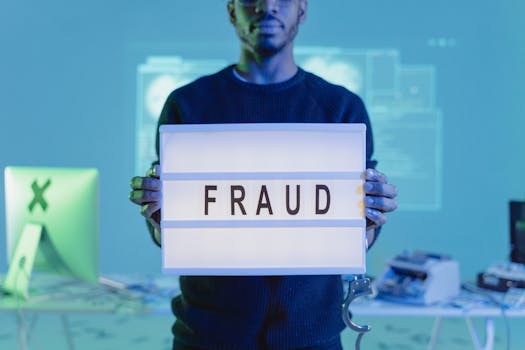
A man holding a sign reading 'FRAUD' in a tech environment, highlighting cybersecurity concerns. Photo: Tima Miroshnichenko / Pexels
The digital age has revolutionized how we connect, bringing people together from all corners of the globe. Dating apps, in particular, have become a ubiquitous part of modern romance, offering a convenient platform to meet potential partners. However, with this convenience comes a significant downside: the proliferation of sophisticated scams designed to exploit hopeful individuals. Understanding the fundamental nature of these online dating scams is the first critical step in protecting yourself. These aren't just petty thieves; they are often organized criminal enterprises, sometimes operating internationally, with well-honed psychological manipulation tactics. They prey on emotions, loneliness, and the universal human desire for connection and love. The 'energy' behind these scams is often a calculated, persistent effort to build trust and affection, only to eventually pivot to financial exploitation. They leverage the anonymity of the internet to create elaborate fake personas, known as 'catfishing,' often using stolen photos and fabricated life stories. Their goal is not romance, but financial gain, and they are incredibly patient, sometimes cultivating a relationship for months before making their move. They masterfully craft narratives that evoke sympathy, urgency, or an irresistible opportunity, all designed to bypass your rational judgment. It's crucial to recognize that anyone can fall victim, regardless of their intelligence or experience. Scammers target a wide demographic, from young adults to seniors, and their methods are constantly evolving to circumvent security measures and user vigilance. They often monitor current events, holidays, and personal details shared by victims to make their stories more believable and impactful. For instance, a scammer might claim to be a soldier deployed overseas, making it difficult to meet in person and creating a sense of urgency and sympathy. Or they might claim to be a successful entrepreneur facing a temporary financial crisis that only you can help resolve. The emotional toll of these scams can be devastating, extending far beyond financial losses. Victims often experience profound feelings of betrayal, shame, and isolation, which can impact future relationships and overall mental well-being. This emotional manipulation is a core component of their strategy, making it harder for victims to recognize the fraud until it's too late. By understanding the breadth and depth of these deceptive practices, you empower yourself to approach online dating with a healthy dose of skepticism, ensuring your emotional and financial security. This foundational knowledge is your primary defense against becoming another statistic in the rising tide of romance fraud. They exploit the very human need for connection, twisting it into a weapon for financial gain. The more aware you are of their general modus operandi, the better equipped you'll be to spot the subtle and not-so-subtle signs of a potential scammer.

Common Tactics and Red Flags to Recognize

Scammers employ a variety of cunning tactics, but many share common traits that, once identified, can serve as critical red flags. One of the most prevalent is the rapid development of intense emotional connection. A scammer will often declare love or deep affection very early in the interaction, sometimes within days or weeks, without having met in person. This 'love bombing' is designed to overwhelm you emotionally, making you less likely to question their motives. They will shower you with compliments, promise a future together, and make you feel like you've found your soulmate. Another significant red flag is their reluctance or inability to meet in person or even engage in video calls. They will always have an elaborate excuse: they're working overseas, in the military, on an oil rig, or experiencing technical difficulties with their camera. These excuses are designed to maintain their anonymity and prevent you from seeing their true identity. Any consistent avoidance of real-time, face-to-face interaction should be a major warning sign. Scammers frequently use stolen photos, often from social media profiles of attractive individuals, to create their fake personas. A quick reverse image search using tools like Google Images can often reveal if the photos are being used elsewhere by different names. If their profile pictures appear to be stock photos, celebrity images, or belong to someone else entirely, it's a strong indicator of fraud. Their stories often contain inconsistencies or elements that seem too good to be true. They might claim to have a high-paying job but constantly be in dire financial straits. Their English might be poor, despite claiming to be a native speaker from an English-speaking country. They might also pressure you to move off the dating app to private messaging platforms like WhatsApp or email quickly, where there's less oversight and fewer security features. The ultimate goal of most dating app scams is financial exploitation. This often starts with small, seemingly innocent requests for help, escalating over time. They might claim to need money for an emergency medical bill, travel expenses to visit you, a business venture that went wrong, or even to pay for a visa. They create a sense of urgency and guilt, making you feel responsible for their well-being. They will never ask for a loan, but rather for a 'gift' or 'help' that they promise to repay, which, of course, never happens. Be wary of anyone asking for money, gift cards, wire transfers, or cryptocurrency. These methods are often irreversible and difficult to trace. They might also try to involve you in money laundering schemes, asking you to receive money into your account and then forward it to someone else. Understanding these common tactics and continuously looking for these red flags will significantly enhance your ability to identify and avoid potential scams.

Our partners at marishapp.com offer related services.

Protecting Your Assets and Emotional Well-being

Safeguarding yourself from dating app scams goes beyond just recognizing red flags; it involves proactive measures to protect both your financial assets and your emotional health. The financial impact of these scams can be devastating, with victims losing life savings, retirement funds, and even homes. Therefore, establishing clear boundaries around financial requests is paramount. The golden rule is simple: never send money, gift cards, or cryptocurrency to anyone you haven't met in person and established a long-term, trusted relationship with. Scammers are master manipulators, and they will craft compelling stories designed to tug at your heartstrings and bypass your rational judgment. They might claim to be in a life-threatening situation, stuck overseas, or facing an urgent medical emergency for a loved one. Remember, legitimate partners do not ask for money early in a relationship, especially from someone they've only met online. Any request for financial assistance, no matter how small or seemingly urgent, should immediately raise a red flag. If you are ever pressured for money, it's time to end the communication. Beyond financial protection, your emotional well-being is equally at stake. The betrayal and emotional devastation caused by a romance scam can be profound, leading to feelings of shame, guilt, anger, and a deep sense of loss. It can erode your trust in others and impact your ability to form genuine connections in the future. To protect your emotional health, approach online dating with a balanced perspective. While it's important to be open to connection, maintain a healthy level of skepticism, especially in the early stages. Don't let the excitement of a new relationship overshadow your critical thinking. If something feels off, trust your gut instinct. Talk to trusted friends or family members about your new online relationship, especially if you start feeling overwhelmed or pressured. An outside perspective can often spot red flags that you might miss due to emotional involvement. A valuable resource for reporting scams and seeking assistance is the FBI's Internet Crime Complaint Center (IC3). Reporting helps law enforcement track these criminals and potentially prevent others from falling victim. Remember, you are not alone, and there is no shame in seeking help if you've been targeted. Protecting yourself from dating app scams requires a combination of vigilance, clear boundaries, and a commitment to prioritizing your safety above all else. Your energy and resources are valuable; don't let a scammer exploit them.

Staying Vigilant: Advanced Tips for Online Dating Safety

Maintaining vigilance in the online dating world means adopting proactive strategies beyond just spotting obvious red flags. One crucial advanced tip is to conduct thorough background checks, where feasible and appropriate. While you don't need to hire a private investigator for every match, simple online searches can reveal a lot. Search their name, look for their social media profiles, and cross-reference information they've shared with what's publicly available. Inconsistencies should be scrutinized. Be wary of profiles with minimal digital footprints or those that seem too generic. Additionally, pay close attention to the language used by your match. Scammers often use generic romantic phrases that seem to be pulled from a script, or their grammar and spelling might be consistently poor despite claiming to be highly educated. They may also use unusual phrases or expressions that don't quite fit their claimed background. This can be a subtle but significant indicator that they are not who they claim to be. Never let a scammer isolate you. They will often try to discourage you from talking about them or your relationship with friends and family, claiming that others wouldn't understand your 'special connection.' This isolation tactic is designed to remove your support network, making you more vulnerable to their manipulation. Always discuss new relationships with trusted individuals who can offer an objective perspective. Consider setting up a separate email address specifically for dating app communications, and use a unique password. This adds an extra layer of security and helps to compartmentalize your online dating life from your personal and professional digital footprint. If you decide to meet someone in person, always choose a public place, inform a friend or family member of your plans, and share your location. Even if you've been chatting for a while, the first meeting should always prioritize your physical safety. Trust your intuition; if something feels off, it probably is. The 'energy' you feel from a conversation, whether it's too intense, too quick, or just doesn't sit right, is a powerful indicator. Don't dismiss these gut feelings. Remember, true connections develop over time, with shared experiences and mutual respect, not through immediate declarations of love or urgent financial pleas. Empower yourself with knowledge and caution, and you can navigate the online dating landscape much more safely.

Comparison

FeatureSafe Dating PracticesScammer TacticsEarly Warning Sign
Pace of RelationshipGradual, natural progressionRapid declarations of loveToo fast, too good to be true
Meeting In PersonEager to meet, video callsConstant excuses, avoids videoAlways an excuse to not meet
Financial RequestsNever asks for moneyUrgent pleas for funds/giftsAsking for money, gift cards, crypto
Personal InformationShares appropriately over timeAsks for sensitive data earlyProbing for bank details, SSN
Profile AuthenticityConsistent, verifiable detailsGeneric photos, inconsistent storiesStolen images, vague background

What Readers Say

"This article on Dating App Scams: What to Watch Out For was incredibly eye-opening. I was talking to someone who exhibited several red flags, and reading this gave me the confidence to cut ties before I lost anything. It's a must-read for anyone on dating apps."

Sarah J. · Austin, TX

"I've always considered myself pretty savvy, but the tactics described here are so subtle. The section on emotional manipulation really resonated. This guide provides practical steps to protect your 'energy' and sanity."

Mark D. · Miami, FL

"After nearly falling for a military scam, this article provided the validation and information I needed. The advice to trust your gut and report profiles is crucial. It helped me avoid a significant financial loss and rebuild my confidence."

Emily R. · Denver, CO

"While I haven't been scammed, the detailed examples of red flags in 'Dating App Scams: What to Watch Out For' have made me much more cautious. It's a lot of information, but it's all vital for safe online dating. I appreciate the thoroughness."

David L. · Seattle, WA

"As someone new to dating apps, I was overwhelmed. This article broke down 'Dating App Scams: What to Watch Out For' into digestible, actionable steps. It feels like having a knowledgeable friend guiding you through the potential pitfalls. Highly recommend!"

Jessica M. · Chicago, IL

Frequently Asked Questions

What is the most common type of dating app scam?

The most common type is romance fraud, where scammers create fake identities and build emotional connections with victims over time, eventually asking for money for various fabricated emergencies or opportunities. Catfishing, where a person pretends to be someone else entirely, is a significant component of this, used to draw victims in and maintain the deception.

How quickly do scammers usually ask for money?

Scammers typically build trust and rapport over a period ranging from a few weeks to several months before making a financial request. They strategically cultivate a strong emotional bond to make their victims more susceptible to their pleas. Any request for money, regardless of the timeline, should be treated with extreme caution.

What should I do if I suspect I'm talking to a scammer?

If you suspect you're talking to a scammer, stop all communication immediately. Do not send any more money or personal information. Report the profile to the dating app platform and block the individual. You should also gather all evidence of your interactions and report the scam to the FBI's Internet Crime Complaint Center (IC3).

Is it safe to share my phone number with someone from a dating app?

While sharing a phone number is common in dating, it's generally safer to communicate within the app's messaging system initially. If you do share your number, be aware that scammers often try to move conversations off-platform quickly to avoid app security features. Always use your judgment and only share when you feel comfortable and have established a level of trust.

How do dating app scams compare to other online scams?

Dating app scams, or romance scams, are particularly insidious because they exploit emotions and the desire for connection, making them deeply personal and often more devastating than other online scams. Unlike phishing emails that target many, romance scams are highly personalized and involve significant emotional investment from the victim, making recovery more challenging.

Who is most vulnerable to dating app scams?

While anyone can fall victim, older adults, individuals who are recently widowed or divorced, and those experiencing loneliness are often targeted. Scammers look for individuals who may be more emotionally vulnerable and eager for companionship. However, age, gender, and background do not guarantee immunity; awareness is key for everyone.

Can I get my money back if I've been scammed on a dating app?

Recovering money lost to dating app scams is extremely difficult, especially if funds were sent via wire transfer, gift cards, or cryptocurrency, as these methods are often irreversible and untraceable. Reporting the scam to law enforcement and your bank is crucial, but successful recovery is rare. Prevention is the best defense.

What are future trends in dating app scams?

Future dating app scams are likely to leverage advanced AI to create more convincing fake profiles, generate realistic deepfake videos for 'video calls,' and use AI-powered chatbots for more sophisticated and personalized emotional manipulation. They may also increasingly target niche dating apps and communities, adapting their tactics to specific user demographics.

Stay informed and stay safe in the world of online dating. By understanding the common tactics of scammers and implementing proactive safety measures, you can protect your heart and your finances. Empower yourself with this knowledge and date with confidence.

Topics: dating app scamsonline dating safetycatfishingromance fraudscam prevention
Leo List
Brampton weed
Adultwork EstrelaBet Vai de Bet R7 Bet Betão Galera Bet Rainbet Bet9ja Shop SportyBet BetKing Sisal Loto Foot Hollywoodbets YesPlay Odibets RushBet Jugabet BetWarrior BetCity MSport betPawa Fortebet