
Understanding the True Cost of Solar Panels Installation
Unlock significant savings and energy independence by understanding the real investment in solar power for your home.
Get a Free Solar QuoteKey Takeaways
- ✓ The average gross cost for a residential solar system in the US ranges from $15,000 to $30,000 before incentives.
- ✓ The federal solar tax credit (ITC) covers 30% of the installation cost, significantly reducing your net expense.
- ✓ System size, panel type, labor costs, and local incentives are major factors influencing the total price.
- ✓ Financing options like loans, leases, and PPAs can make solar accessible without a large upfront investment.
How It Works
A solar professional evaluates your energy needs, roof suitability, and sun exposure. They'll provide a preliminary design and cost estimate based on these factors.
Engineers design a custom solar system tailored to your home and energy consumption. You'll receive a detailed proposal outlining equipment, costs, savings, and payback period.
Once approved, the installer handles all necessary permits and schedules the installation. This typically takes 1-3 days, depending on system size and complexity.
After installation, local authorities inspect the system for compliance and safety. Upon approval, your utility company connects your solar system to the grid, and you start generating clean energy.
Deconstructing the Cost of Solar Panels Installation: What You're Paying For
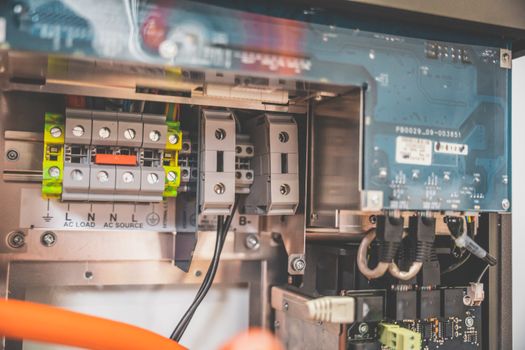 Photo: Elite Power Group / Pexels
Unlocking Savings: Federal, State, and Local Solar Incentives
 Photo: Monstera Production / Pexels
Financing Your Solar Investment: Options and Considerations
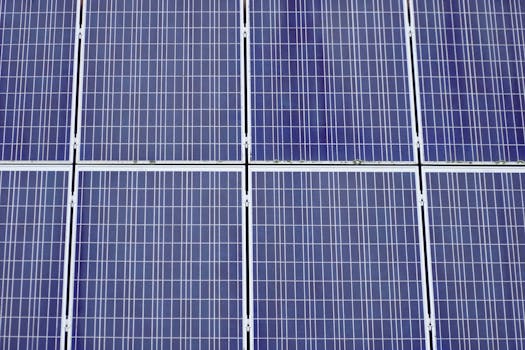 Photo: Budget Bizar / Pexels
Common Mistakes to Avoid When Calculating Solar Costs
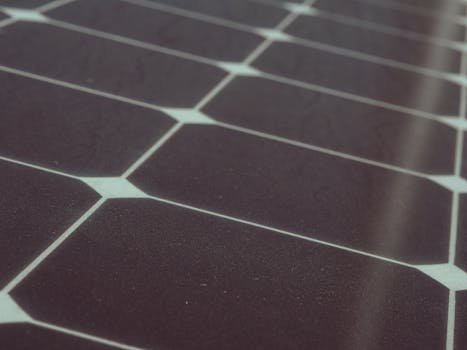 Photo: Kindel Media / Pexels
Comparison
| Feature | Cash Purchase | Solar Loan | Solar Lease/PPA |
|---|---|---|---|
| Upfront Cost | High | Low/None | None |
| System Ownership | Yes | Yes | No |
| Federal ITC Eligibility | ✓ | ✓ | ✗ |
| Long-Term Savings | Highest | High | Moderate |
| Maintenance Responsibility | Owner (often covered by warranty) | Owner (often covered by warranty) | Installer |
| Home Value Increase | Significant | Significant | Moderate |
What Readers Say
"The cost of solar panels installation was a big concern, but our installer walked us through every incentive. We ended up paying significantly less than expected upfront and our electricity bills are tiny now!"
Sarah J. · Austin, TX"We financed our solar system with a loan, and the monthly payments are less than what we used to pay for electricity. Understanding the true cost of solar panels installation, including the tax credit, made all the difference."
Michael R. · Denver, CO"After installing solar, our energy independence is incredible. The initial cost of solar panels installation was substantial, but the long-term savings and increased home value have already proven it was a smart investment."
Emily Chen · San Jose, CA"While the upfront cost of solar panels installation was higher than I initially budgeted, the process was smooth, and the energy savings are consistent. I wish I had understood the full scope of potential electrical upgrades sooner."
David W. · Orlando, FL"As a new homeowner, I was hesitant about the cost of solar panels installation. Our installer clearly explained all the state and federal incentives, making it surprisingly affordable. We're very happy with our lower energy bills."
Maria G. · Boston, MAFrequently Asked Questions
What is the average cost of solar panels installation in the US?
The average gross cost for a residential solar system in the US typically ranges from $15,000 to $30,000 before incentives. This figure varies based on system size, location, equipment quality, and installation complexity, but the federal tax credit significantly reduces the net cost.
Will solar panels increase my home's value?
Yes, studies consistently show that homes with owned solar panel systems sell for more and often faster than comparable homes without solar. This added value typically exceeds the net cost of the solar panels installation, making it a sound investment.
How do I calculate the payback period for my solar investment?
To calculate your payback period, divide your net system cost (after incentives) by your estimated annual electricity savings. This gives you an approximate number of years it will take for your savings to equal your initial investment. Most systems have a payback period of 6-10 years.
Is it better to lease solar panels or buy them?
Buying solar panels (cash or loan) is generally better for long-term financial returns as you own the system, claim incentives, and maximize savings. Leasing or PPAs offer lower upfront costs but mean you don't own the system or receive the federal tax credit.
How much electricity will my solar panels generate?
The electricity generated depends on your system size (in kilowatts), the amount of sunlight your roof receives, and the efficiency of your panels. A typical 6 kW system in a sunny area can generate around 7,000-9,000 kWh per year, significantly offsetting or eliminating your utility bill.
Who should consider the cost of solar panels installation?
Homeowners with suitable roofs (good sun exposure, good condition), high electricity bills, and a desire for energy independence and environmental stewardship should consider the cost of solar panels installation. It's also ideal for those looking to increase home value and leverage tax incentives.
What happens if there's a power outage with solar panels?
Without a solar battery storage system, grid-tied solar panels will shut down during a power outage for safety reasons (to prevent backfeeding the grid). To have power during an outage, you need to include a battery backup system as part of your solar panels installation.
Are solar panel costs expected to continue to decrease?
While the dramatic price drops of the last decade have slowed, industry experts anticipate continued gradual decreases in equipment costs and increased efficiency. However, labor and installation costs may vary. Incentives also play a crucial role in overall affordability.
Understanding the cost of solar panels installation is the first step towards a brighter, more sustainable future. With significant incentives and flexible financing options, solar energy is more accessible and affordable than ever before. Take control of your energy bills and contribute to a greener planet – get a personalized solar quote today and discover your true savings potential.