Unlock Savings: The True Cost of Commercial Solar Panels
cost of commercial solar panels

Unlock Savings: The True Cost of Commercial Solar Panels

Explore the financial landscape of commercial solar, revealing hidden savings and powerful returns for your enterprise.

Get a Free Estimate

Key Takeaways

  • ✓ Average commercial solar cost ranges from $1.50 to $3.50 per watt before incentives.
  • ✓ The Investment Tax Credit (ITC) can cover 30% or more of your commercial solar installation cost.
  • ✓ Payback periods for commercial solar often fall between 3-7 years, depending on factors.
  • ✓ Operating expenses are significantly reduced, increasing profitability and energy independence.

How It Works

1
Initial Assessment & Design

A solar provider evaluates your business's energy needs, roof space, and sun exposure. They design a custom system tailored to your consumption patterns and operational goals.

2
Financial Analysis & Incentives

The provider outlines the total cost, potential savings, and available federal, state, and local incentives. This includes the ITC, depreciation benefits, and any SRECs or grants.

3
Installation & Grid Connection

Certified professionals install the solar panels, inverters, and necessary electrical components. After inspection, your system is connected to the utility grid, ready to generate power.

4
Energy Generation & Monitoring

Your commercial solar system begins producing clean electricity, reducing your utility bills. Monitoring tools allow you to track performance and energy production in real-time.

Understanding the Commercial Solar Installation Cost Landscape
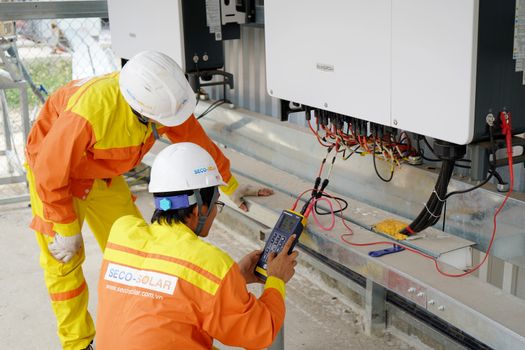
Two electrical engineers installing and testing solar power systems wearing safety gear at a construction site. Photo: Trinh Trần / Pexels
Embarking on a commercial solar project involves a deep dive into various financial components. The overarching question, 'What is the cost of commercial solar panels?', is multifaceted, extending far beyond the price of the panels themselves. When businesses consider transitioning to solar, they're looking at an investment that promises long-term savings, enhanced sustainability, and often, a significant boost to their public image. The initial sticker price can seem daunting, but it's crucial to understand the breakdown and the substantial financial incentives available in the United States. Typically, the cost of commercial solar installations is measured on a per-watt basis. This figure encompasses not just the solar panels but also inverters, racking, wiring, labor, permitting fees, and design costs. For businesses in the US, this average ranges from approximately $1.50 to $3.50 per watt before any incentives are applied. This wide range reflects the diversity in system sizes, panel efficiencies, installation complexities, and regional labor rates. A small business with a 50 kW system will have a different per-watt cost profile than a large industrial facility requiring a 1 MW array. The larger the system, generally, the more economies of scale come into play, potentially driving down the per-watt cost. Key components contributing to this cost include the solar panels themselves, which vary in efficiency and brand reputation; inverters, which convert DC power to AC; mounting hardware tailored to roof type or ground installation; and the balance of system (BOS) components like wiring, conduits, and safety disconnects. Labor costs are also a significant factor, varying by state and the complexity of the installation. For instance, a complex roof structure requiring specialized equipment or safety measures will incur higher labor expenses. Permitting and interconnection fees, while often smaller line items, are non-negotiable and vary by local jurisdiction and utility company. Furthermore, engineering and design services ensure the system is optimized for your specific energy consumption patterns and structural integrity. It's important for businesses to obtain detailed, itemized quotes from multiple reputable solar providers. This allows for a clear comparison of component quality, warranty offerings, and overall installation methodology. Understanding what each part of the commercial solar installation cost covers is the first step toward making an informed decision. Don't just look at the bottom line; delve into the specifics to ensure you're getting a high-quality system designed for durability and optimal performance. The long-term performance and reliability of your solar array are directly tied to the quality of its components and installation. A cheaper upfront cost might lead to higher maintenance expenses or lower energy production over the system's lifespan, ultimately diminishing your return on investment. Therefore, a comprehensive understanding of these cost drivers is paramount for any business considering solar adoption.

Maximizing Your ROI: Federal and State Solar Incentives for Businesses
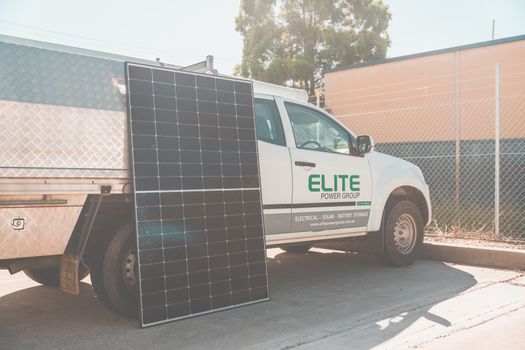
Solar panel leaning against utility truck promoting clean energy installation. Photo: Elite Power Group / Pexels
The initial cost of commercial solar panels is significantly offset by a robust landscape of incentives designed to accelerate solar adoption among businesses. Understanding and leveraging these financial mechanisms is critical to maximizing your return on investment (ROI) and making solar an even more attractive proposition. The most impactful federal incentive is the Investment Tax Credit (ITC), also known as the Solar Tax Credit. This credit allows businesses to deduct a percentage of the cost of installing a new solar energy system from their federal taxes. Currently, for systems placed in service, the ITC stands at 30% for commercial projects, providing a substantial reduction in the overall capital expenditure. This credit has been a cornerstone of solar growth in the US and remains a powerful driver for businesses to go solar. Beyond the ITC, businesses can benefit from accelerated depreciation. Under the Modified Accelerated Cost Recovery System (MACRS), businesses can depreciate the cost of solar energy equipment over a five-year period. This allows companies to recover the cost of the system faster than traditional depreciation schedules, further enhancing the financial attractiveness of solar. When combined with bonus depreciation provisions, which allow businesses to immediately deduct a significant portion of the cost of eligible assets, the tax benefits become even more compelling. These depreciation schedules effectively reduce a company's taxable income, leading to further savings. State and local incentives further sweeten the deal. These can vary widely by location but often include property tax exemptions, sales tax exemptions, performance-based incentives (PBIs), and grant programs. Property tax exemptions ensure that the increased value of your property due to a solar installation doesn't lead to higher property taxes, removing a potential disincentive. Sales tax exemptions eliminate the sales tax on solar equipment purchases, providing immediate savings. PBIs, such as Solar Renewable Energy Credits (SRECs), allow businesses to earn income for the clean electricity their systems generate. SRECs are tradable commodities, where one SREC is typically equivalent to one megawatt-hour (MWh) of electricity generated. Businesses can sell these credits to utility companies that need to meet renewable energy mandates, creating an additional revenue stream. Grant programs, often targeted at specific industries or underserved communities, can provide direct funding for solar projects. Navigating this complex web of incentives requires expertise. Many solar providers offer comprehensive financial analysis services, helping businesses identify and apply for all eligible federal, state, and local programs. They can also assist with understanding the long-term cash flow implications, factoring in energy savings, incentive values, and potential revenue from SRECs. The net business solar ROI is heavily dependent on skillfully combining these financial levers, transforming a significant upfront investment into a highly profitable, sustainable asset. It's not just about reducing your electricity bill; it's about optimizing your capital deployment for maximum financial gain and environmental stewardship.

Financing Options and Long-Term Savings: Making Commercial Solar Accessible

Solar panel leaning against utility truck promoting clean energy installation. Photo: Elite Power Group / Pexels
The substantial upfront cost of commercial solar panels can be a barrier for some businesses, but a variety of innovative financing options have emerged to make solar accessible to companies of all sizes. Understanding these options is crucial for businesses looking to transition to clean energy without a large initial capital outlay. One of the most common financing methods is a direct purchase, either through cash or a commercial loan. While a cash purchase offers the highest long-term ROI by avoiding interest payments, a commercial loan allows businesses to spread the cost over several years, often with payments structured to be less than or equal to the monthly energy savings, resulting in immediate positive cash flow. Another popular option is a Power Purchase Agreement (PPA). Under a PPA, a third-party developer owns, operates, and maintains the solar system on your property. Your business then purchases the electricity generated by the solar panels at a predetermined, often lower, rate than your utility company. This structure requires no upfront capital investment from your business, making it an attractive option for companies that want to go solar without taking on ownership or maintenance responsibilities. PPAs typically include escalator clauses, where the price per kWh increases annually by a small percentage, but this rate is usually predictable and remains competitive with or below traditional utility rates. Solar leases are similar to PPAs in that a third party owns the system, but instead of buying the electricity, your business leases the equipment for a fixed monthly payment. Like PPAs, leases require little to no upfront cost and transfer the maintenance responsibilities to the system owner. Both PPAs and leases allow businesses to immediately benefit from lower electricity costs, often with positive cash flow from day one, without the complexities of system ownership. For businesses looking for off-balance sheet financing, Property Assessed Clean Energy (PACE) financing is an option in many states. PACE allows businesses to finance energy efficiency and renewable energy projects through an assessment on their property tax bill. This financing is repaid over a long term (typically 10-20 years) and is tied to the property, not the business owner, making it transferable upon sale. PACE loans often have competitive interest rates and can cover up to 100% of the project cost, making large-scale solar projects more feasible. Beyond the direct financial models, the long-term savings from commercial solar are profound. Businesses gain energy independence, shielding themselves from unpredictable utility rate hikes. The operational savings directly impact the bottom line, increasing profitability. Moreover, the enhanced public image and sustainability credentials can attract environmentally conscious customers and investors. The cumulative effect of reduced operating expenses, tax benefits, and potential SREC revenues makes the cost of commercial solar panels not an expense, but a strategic investment that pays dividends for decades.

Avoiding Pitfalls: Key Considerations for Your Commercial Solar Investment
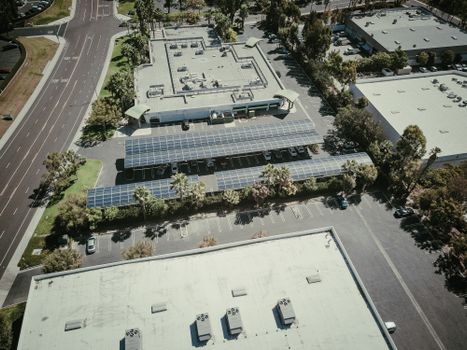
Drone shot of solar panels in a city showcasing sustainable energy use. Photo: Kindel Media / Pexels
While the benefits of commercial solar are substantial, a successful project hinges on careful planning and avoiding common pitfalls. Businesses must approach their solar investment with due diligence to ensure optimal performance, maximum savings, and a smooth installation process. One critical consideration is selecting the right solar provider. It’s not enough to simply compare quotes; scrutinize the provider's experience with commercial projects of your size and type, their track record, certifications, and customer reviews. A reputable installer will offer comprehensive services, from initial assessment and design to installation, permitting, and post-installation support. They should also be transparent about equipment choices, warranties, and projected performance. Another crucial aspect is understanding your energy consumption patterns. A thorough energy audit can reveal opportunities for energy efficiency improvements before solar installation, potentially allowing for a smaller, more cost-effective solar system. Miscalculating your energy needs can lead to an undersized system that doesn't meet your demands or an oversized system that generates excess power you can't effectively use or sell back to the grid (depending on net metering policies). Work closely with your solar designer to ensure the system is perfectly sized for your current and projected energy requirements. Navigating local permitting and utility interconnection agreements can be complex and time-consuming. These processes vary significantly by municipality and utility company, and delays can impact your project timeline and budget. Ensure your solar provider has a strong understanding of local regulations and can manage these aspects efficiently. Failure to comply with all requirements can lead to project stoppages or even fines. It's also vital to understand the utility's net metering policies in your area. Net metering allows you to send excess solar electricity back to the grid for credits on your utility bill, but the specifics of these programs vary, impacting your financial returns. Here are some key considerations to ensure a successful commercial solar investment: * **Thorough Due Diligence on Providers:** Research multiple installers, check references, and verify licenses and insurance. * **Accurate Energy Assessment:** Understand your business's energy usage to size the system correctly. * **Comprehensive Financial Analysis:** Ensure all incentives, depreciation, and financing options are factored into your ROI calculation. * **Roof Condition and Structural Integrity:** Have your roof professionally inspected to ensure it can support the solar array for its 25+ year lifespan. Address any necessary repairs beforehand. * **Warranty and Maintenance Plans:** Understand the warranties on panels, inverters, and labor, and inquire about ongoing maintenance services. * **Future Expansion Potential:** Consider if your business might grow and if the solar system can be expanded in the future. * **Insurance Coverage:** Confirm that your business insurance policy covers the solar array. By meticulously addressing these points, businesses can mitigate risks and ensure their investment in commercial solar panels delivers the promised financial and environmental benefits for decades to come.

Comparison

FeatureDirect Purchase (Cash/Loan)Power Purchase Agreement (PPA)Solar Lease
Upfront CostHigh (Cash) / Moderate (Loan)Very Low to $0Very Low to $0
System OwnershipBusinessThird-Party DeveloperThird-Party Developer
Tax Incentives (ITC, Depreciation)✓ (Business) ✗ (Developer)✗ (Developer)
Long-Term ROIHighestModerateModerate
Maintenance ResponsibilityBusinessThird-Party DeveloperThird-Party Developer
Energy Price StabilityHigh (fixed production cost)High (fixed rate with escalator)High (fixed payment)
TransferabilityComplex with property saleEasier with property saleEasier with property sale

What Readers Say

"Understanding the cost of commercial solar panels was our biggest hurdle. This article helped us break down the pricing and incentives. Our 100 kW system has cut our energy bills by 70%!"

Sarah Chen · Austin, TX

"We were hesitant about the initial investment, but the detailed explanation of the ITC and depreciation made the numbers work. Our ROI is projected at 4 years, which is fantastic for our manufacturing plant."

David Miller · Phoenix, AZ

"The financing options section was incredibly helpful. We opted for a PPA, and it's been seamless. No upfront cost, and we're saving money on electricity every month. A true win-win for our retail business."

Maria Rodriguez · San Diego, CA

"While the process of securing all the permits and interconnection was slower than expected, the long-term benefits of our commercial solar panels are undeniable. Our carbon footprint is down, and our operating costs are significantly reduced."

James Thompson · Chicago, IL

"As a small business owner, I thought commercial solar was out of reach. This guide demystified the cost and benefits, allowing us to install a smaller system that still yields incredible savings and marketing advantages."

Emily White · Miami, FL

Frequently Asked Questions

What is the average cost of commercial solar panels per watt in the US?

The average cost of commercial solar panels in the US typically ranges from $1.50 to $3.50 per watt before incentives. This figure includes the panels, inverters, racking, labor, and other balance of system components. The final per-watt cost depends on system size, panel efficiency, installation complexity, and regional factors.

How much can the Investment Tax Credit (ITC) reduce the cost of commercial solar?

The Investment Tax Credit (ITC) currently offers a 30% federal tax credit for eligible commercial solar projects. This means businesses can deduct 30% of the total installed cost of their solar system from their federal tax liability, significantly reducing the net expense and improving project economics.

What is the typical payback period for a commercial solar panel system?

The typical payback period for a commercial solar panel system in the US can range from 3 to 7 years. This timeframe is influenced by factors such as the initial system cost, available incentives, local electricity rates, and the business's energy consumption patterns. After the payback period, the electricity generated is essentially free.

Are there financing options available for commercial solar projects with no upfront cost?

Yes, several financing options allow businesses to install commercial solar with little to no upfront cost. These include Power Purchase Agreements (PPAs), where a third party owns and maintains the system, and solar leases. Both options allow businesses to pay for the electricity or lease the equipment at a predictable rate, often lower than utility bills.

How do state and local incentives impact the cost of commercial solar panels?

State and local incentives can significantly reduce the net cost and improve the ROI of commercial solar panels. These incentives vary by location and may include property tax exemptions, sales tax exemptions, grants, and Solar Renewable Energy Credits (SRECs), which provide an additional revenue stream for the electricity generated.

Who should consider investing in commercial solar panels?

Any business with significant electricity consumption, suitable roof or ground space, and a long-term operational outlook should consider investing in commercial solar panels. This includes manufacturing facilities, warehouses, retail centers, office buildings, farms, and educational institutions looking to reduce operating costs, enhance sustainability, and achieve energy independence.

What are the long-term maintenance costs for commercial solar panels?

Commercial solar panels require relatively low maintenance. Most systems come with robust warranties (25+ years for performance). Routine maintenance typically involves occasional cleaning (especially in dusty areas) and monitoring system performance. Inverter replacements might be needed after 10-15 years, but overall, operating expenses are minimal compared to the energy savings.

How will future energy prices affect the value of my commercial solar investment?

Future energy price increases will only enhance the value and ROI of your commercial solar investment. As utility rates continue to rise, the savings generated by your solar system become more significant over time. Solar provides a hedge against energy price volatility, offering predictable and often lower electricity costs for decades.

Understanding the cost of commercial solar panels is the first step towards a smarter, more sustainable business future. With powerful incentives and flexible financing, clean energy is more accessible than ever. Don't let perceived costs deter you from unlocking significant savings and enhancing your business's environmental stewardship.

Topics: cost of commercial solar panelscommercial solar installation costbusiness solar ROIsolar incentives for businessescommercial solar financing
Leo List
Brampton weed
Adultwork EstrelaBet Vai de Bet R7 Bet Betão Galera Bet Rainbet Bet9ja Shop SportyBet BetKing Sisal Loto Foot Hollywoodbets YesPlay Odibets RushBet Jugabet BetWarrior BetCity MSport betPawa Fortebet