Top Solar Energy Companies US: Your Guide to Clean Power
solar energy companies US

Top Solar Energy Companies US: Your Guide to Clean Power

Unlock the potential of solar for your home or business with insights into the nation's premier solar providers.

Find Your Solar Provider

Key Takeaways

  • ✓ The US solar industry grew by 51% in 2023, installing a record 32.4 GW of capacity.
  • ✓ Over 4.7 million US homes now have solar installations.
  • ✓ Federal tax credits (ITC) cover 30% of solar system costs for homeowners.
  • ✓ California, Texas, and Florida lead the nation in solar capacity additions.

How It Works

1
Initial Consultation & Site Assessment

Solar companies evaluate your property's solar potential, energy needs, and shading. They discuss your goals and provide a preliminary system design and cost estimate.

2
System Design & Proposal

Engineers design a custom solar system tailored to your roof, energy consumption, and local regulations. You receive a detailed proposal outlining equipment, costs, savings, and incentives.

3
Permitting & Installation

The company handles all necessary permits and approvals from local authorities and utility providers. Once approved, certified technicians install the solar panels, inverters, and electrical components.

4
Inspection, Connection & Activation

After installation, the system undergoes inspection by local officials and the utility company. Upon final approval, your system is connected to the grid and activated, producing clean energy.

Understanding the US Solar Market Landscape
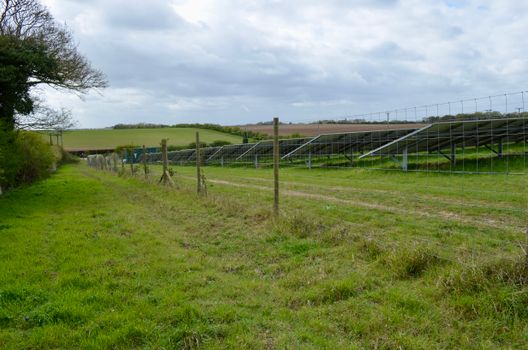
Solar panels installed in a rural field landscape under a cloudy sky. Photo: Neville Hawkins / Pexels
The United States solar market is a dynamic and rapidly expanding sector, driven by increasing environmental consciousness, supportive government policies, and declining technology costs. Over the past decade, solar energy has transitioned from a niche alternative to a mainstream power source, fundamentally altering the nation's energy infrastructure. This growth isn't just about environmental benefits; it's also about energy independence, economic development, and creating high-paying jobs across the country. Understanding the landscape of solar energy companies in the US involves recognizing the diverse players and their contributions to this burgeoning industry. From large, vertically integrated corporations that handle everything from manufacturing to installation, to smaller, localized installers focused on community-specific needs, the market offers a wide spectrum of services. These companies are not merely selling panels; they are providing comprehensive energy solutions, including battery storage, electric vehicle charging integration, and smart home energy management systems. The competitive nature of the market has fostered innovation, leading to more efficient panels, smarter inverters, and more streamlined installation processes. This competition ultimately benefits consumers, as companies strive to offer the most compelling value proposition through advanced technology, superior customer service, and attractive financing options. Key drivers for this growth include federal incentives like the Investment Tax Credit (ITC), which offers a substantial percentage credit on the cost of installing solar power systems for both residential and commercial properties. Additionally, many states and local municipalities offer their own incentives, such as property tax exemptions, sales tax exemptions, and net metering policies that allow solar owners to sell excess electricity back to the grid. These policies significantly reduce the payback period for solar investments, making them financially viable for a broader segment of the population. The increasing frequency and intensity of extreme weather events also highlight the need for resilient energy solutions, with solar and battery storage offering a compelling path to greater energy security. The industry is also characterized by continuous technological advancements. Research and development efforts are focused on improving panel efficiency, durability, and aesthetics. Perovskite solar cells, bifacial panels, and transparent solar technologies are just a few examples of innovations poised to further revolutionize the market. These advancements not only make solar more accessible and efficient but also expand its application possibilities, from building-integrated photovoltaics (BIPV) to portable solar solutions. As the US pushes towards ambitious clean energy targets, the role of solar energy companies will only become more central, dictating the pace and direction of this energy transition. Choosing the right company means partnering with an entity that understands these market dynamics and can navigate them effectively to deliver optimal results for the customer.

Leading Solar Providers: A Deep Dive into Key Players
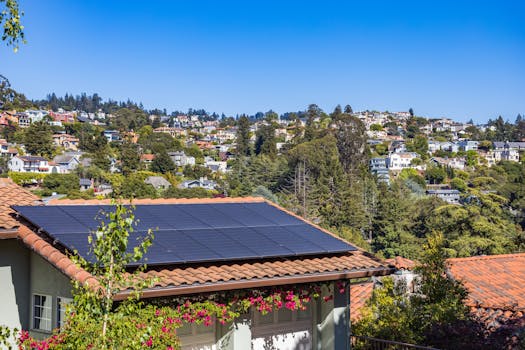
Solar panels on a suburban home, surrounded by lush greenery and a sunny blue sky. Photo: Robert So / Pexels
When considering a transition to solar energy, identifying the right provider is paramount. The US is home to numerous solar energy companies, each with its unique strengths, service areas, and specialties. While the landscape is constantly evolving, several companies consistently stand out due to their market share, reputation for quality, and comprehensive offerings. These leaders often set industry standards and are at the forefront of technological adoption and customer service. One category of leading providers includes large, national installers. Companies like Sunrun and Vivint Solar (now part of Sunrun) have established vast networks, offering services across multiple states. They often provide a full suite of services, from consultation and design to installation, financing, and ongoing maintenance. Their scale allows them to offer competitive pricing, diverse financing options (including leases and power purchase agreements), and robust warranties. However, due to their size, some customers might find their approach less personalized than smaller, local firms. These national players are particularly strong in residential solar, making clean energy accessible to millions of homeowners. Another significant segment comprises companies specializing in commercial and utility-scale projects. Firms such as NextEra Energy Resources and Southern Power are major players in developing massive solar farms that feed directly into the national grid, supplying power to entire communities. Their expertise lies in large-scale project management, intricate financing structures, and navigating complex regulatory environments. While not directly serving individual homeowners, their work is crucial for the overall expansion of solar capacity in the US and for achieving national renewable energy goals. Then there are regional and local solar companies. While they might not have the national footprint of the larger players, many excel in specific geographic areas, offering highly localized expertise and often a more personalized customer experience. These companies are frequently deeply embedded in their communities, understanding local permitting requirements, utility regulations, and specific weather challenges. They can be particularly adept at tailoring solutions to unique regional needs, from hurricane-resistant installations in coastal areas to snow load considerations in northern states. Often, these smaller firms thrive on word-of-mouth referrals and a strong commitment to local customer satisfaction. When evaluating these leading providers, consumers should consider several factors: their track record and experience, the quality of equipment they install (panels, inverters, batteries), the types of warranties offered (performance, equipment, workmanship), financing options, and their customer service reputation. Reviews and testimonials from previous clients can offer invaluable insights into a company's reliability and post-installation support. The best solar energy company for you will ultimately depend on your specific needs, location, budget, and priorities, making thorough research and comparison essential.

Financing Your Solar Investment: Options and Incentives

Woman writing with calculator on desk, managing finances indoors. Photo: www.kaboompics.com / Pexels
Investing in solar energy for your home or business is a significant financial decision, but a wide array of financing options and incentives makes it more accessible and affordable than ever before. Understanding these mechanisms is crucial to maximizing your return on investment and making the transition to clean energy a smooth one. Solar energy companies in the US are increasingly adept at guiding customers through these financial complexities, offering tailored solutions that fit various budgets and preferences. At the federal level, the most impactful incentive is the Investment Tax Credit (ITC), also known as the solar tax credit. This allows homeowners and businesses to deduct 30% of the cost of installing a solar energy system from their federal taxes. This credit is not a deduction from taxable income but a direct reduction in the amount of tax owed, making it incredibly valuable. The ITC has been instrumental in driving solar adoption nationwide and is a primary factor in the financial viability of many solar projects. It's important to note that the credit applies to the total cost of the system, including equipment, installation, and often even battery storage. Beyond the federal ITC, state and local incentives play a pivotal role. Many states offer their own tax credits, rebates, or performance-based incentives (PBIs) like Solar Renewable Energy Credits (SRECs). SRECs allow solar system owners to earn credits for the clean electricity their systems generate, which can then be sold on a market to utility companies needing to meet renewable energy mandates. Net metering policies are another critical state-level incentive, enabling solar owners to send excess electricity back to the grid for credit on their utility bills, effectively turning their meter backward and reducing or even eliminating their monthly electricity costs. Property tax exemptions for the added value of solar panels also exist in many areas, preventing homeowners from paying higher taxes on their improved property. When it comes to direct financing, several options are available. The most common is a direct purchase, either with cash or a solar loan. Solar loans are similar to home improvement loans, often with favorable interest rates and terms, allowing you to own the system outright and benefit from all available incentives. Another popular option, particularly for residential customers, is a solar lease or a Power Purchase Agreement (PPA). With a lease, you pay a fixed monthly fee to the solar company to use the system, which they own and maintain. With a PPA, you only pay for the electricity the solar panels produce, typically at a rate lower than your utility company. Both leases and PPAs often come with no upfront cost, making solar accessible to those who prefer not to purchase the system outright, though you may not directly qualify for the federal ITC in these scenarios. Choosing the right financing option requires careful consideration of your financial situation, tax liability, and long-term goals. Many solar companies employ financial experts who can walk you through the various options, calculate your potential savings, and help you navigate the application processes for incentives. It's always advisable to get multiple quotes and compare the total cost of ownership, including the impact of incentives, before making a decision. The long-term savings on electricity bills, combined with these generous incentives, make solar a sound investment for the future.

Choosing the Best Solar Energy Company for Your Needs
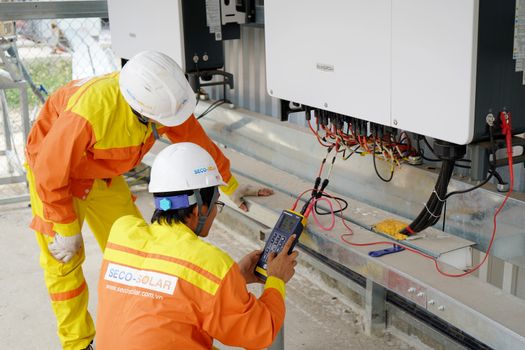
Two electrical engineers installing and testing solar power systems wearing safety gear at a construction site. Photo: Trinh Trần / Pexels
Selecting the ideal solar energy company from the multitude of options available in the US can feel daunting, but a structured approach can simplify the process. The 'best' company isn't universal; it's the one that best aligns with your specific energy goals, budget, and property characteristics. Focusing on key criteria will help you make an informed decision and ensure a successful solar installation experience. **Tips for Choosing Your Solar Provider:** * **Evaluate Experience and Track Record:** Look for companies with a proven history of successful installations in your region. Longevity in the business often signals reliability and expertise. Check their portfolio and ask for references. * **Check Certifications and Licenses:** Ensure the company and its installers are properly licensed, bonded, and insured. Look for certifications like NABCEP (North American Board of Certified Energy Practitioners), which indicates a high level of training and technical competence. * **Review Equipment Offerings:** Inquire about the brands and types of solar panels, inverters, and batteries they typically install. Reputable companies use high-quality, warrantied equipment from established manufacturers. Understand the differences in efficiency, durability, and aesthetics. * **Understand Warranties:** A comprehensive solar system should come with multiple warranties: a performance warranty for the panels (guaranteeing energy output over decades), an equipment warranty (covering defects), and a workmanship warranty (covering the installation itself). Ensure these are robust and clearly outlined. * **Assess Customer Service and Communication:** A good company will be transparent, responsive, and provide clear communication throughout the entire process, from initial consultation to post-installation support. Read online reviews on platforms like Google, Yelp, and the Better Business Bureau. * **Compare Financing Options:** Discuss all available financing models – cash purchase, solar loan, lease, PPA – and understand the implications of each on your upfront costs, long-term savings, and eligibility for incentives. A good company will help you navigate these complexities. * **Get Multiple Quotes:** Never settle for the first quote. Obtain at least three detailed proposals from different companies. This allows you to compare system designs, equipment, costs, and projected savings side-by-side. * **Local vs. National:** Consider the pros and cons of national vs. local installers. National companies may offer scale and diverse financing, while local firms often provide more personalized service and deeper understanding of local regulations. * **Permitting and Paperwork Handling:** Confirm that the company handles all necessary permitting, inspections, and interconnection agreements with your utility. This can be a complex process, and their expertise is invaluable. By diligently following these tips, you can confidently navigate the solar market and partner with a solar energy company that will deliver a high-quality, reliable, and cost-effective solar solution for your property, contributing to a sustainable future.

Comparison

FeatureNational InstallerRegional SpecialistLocal Boutique Firm
Service AreaMulti-state/NationalSeveral states/Large regionSpecific city/county
Pricing CompetitivenessOften competitive (scale)Moderate to competitiveCan vary, often value-based
Financing OptionsWide range (loans, leases, PPAs)Good range, some leases/PPAsPrimarily cash/loans
Personalized ServiceLess personalizedGood, tailored solutionsHighly personalized
Equipment OptionsDiverse, established brandsGood selection, quality focusCurated, premium or specific brands
Local ExpertiseGeneral, broader codesStrong, specific to regionDeep, specific to locale
Post-Install SupportDedicated support teamsResponsive, direct contactVery direct, personal contact
Innovation AdoptionLeading edgeKeen on proven techNiche, specific tech focus

What Readers Say

"Our experience with one of the top solar energy companies US was fantastic. From the initial quote to the final inspection, everything was seamless and professional. Our electricity bills have plummeted, and we couldn't be happier with our decision to go solar."

Sarah J. · Austin, TX

"After researching several solar energy companies in the US, we chose a regional provider, and they exceeded our expectations. The installation crew was efficient, and the system is performing even better than projected. It's a game-changer for our energy independence."

Mark D. · San Diego, CA

"We saved over $300 on our first month's electricity bill thanks to our new solar panels installed by a reputable local company. The process was straightforward, and they handled all the permits, making it completely stress-free for us."

Emily R. · Boston, MA

"The national solar company we used offered great financing options, which was a huge plus. While communication was occasionally a bit slow, the quality of the installation and the performance of the system are excellent. I'd recommend them for their value."

David L. · Phoenix, AZ

"As a small business owner, finding commercial solar solutions that made financial sense was crucial. One of the solar energy companies US provided a tailored proposal that fit our budget and significantly reduced our operating costs. Their expertise was invaluable."

Jessica M. · Orlando, FL

Frequently Asked Questions

What are the primary factors to consider when choosing among solar energy companies in the US?

Key factors include the company's experience and reputation, the quality and warranty of the equipment they offer, their customer service track record, available financing options, and their ability to handle all permitting and interconnection processes. Always get multiple quotes to compare.

Is solar energy still a good investment with fluctuating electricity prices?

Yes, solar energy remains an excellent investment. It provides long-term stability against fluctuating utility rates, hedges against future energy cost increases, and significantly reduces your carbon footprint. Federal and state incentives further enhance its financial attractiveness.

How do I start the process of getting solar panels for my home?

Begin by researching reputable solar energy companies in your area. Contact a few for initial consultations and site assessments. They will evaluate your energy needs, design a system, provide a quote, and guide you through financing and installation steps.

What is the average cost of installing solar panels in the US?

The average cost can vary widely based on system size, location, and equipment, typically ranging from $15,000 to $30,000 before incentives. However, the federal ITC and state-specific rebates can significantly reduce the net cost, often by 30% or more.

How do solar leases and Power Purchase Agreements (PPAs) compare to buying a solar system?

Leases and PPAs typically require no upfront cost, with the solar company owning and maintaining the system. You pay a fixed monthly fee (lease) or for the electricity produced (PPA). Buying (cash or loan) means you own the system, qualify for all incentives, and maximize long-term savings, but requires a larger initial investment.

Who should consider using solar energy companies US for their power needs?

Anyone looking to reduce their electricity bills, increase energy independence, lower their carbon footprint, and boost their property value should consider solar. It's suitable for homeowners, businesses, and even large-scale utility projects across most regions of the US.

Are there any risks associated with installing solar panels?

While generally safe, potential risks include minor roof damage during installation (preventable with experienced installers), issues with system performance if not properly maintained, or navigating complex utility interconnection rules. Reputable solar energy companies mitigate these risks with professional installation, robust warranties, and expert guidance.

What is the future outlook for solar energy companies in the US?

The outlook is exceptionally strong. Driven by technological advancements, favorable policies, and growing demand for clean energy, the US solar market is projected to continue its rapid expansion. Innovation in battery storage and smart grid integration will further solidify solar's role as a dominant energy source.

Ready to harness the power of the sun? Researching and connecting with leading solar energy companies in the US is your first step towards a cleaner, more affordable energy future. Take control of your energy bills and contribute to a sustainable planet today.

Topics: solar energy companies USbest solar installers Americaresidential solar UScommercial solar solutionssolar panel installation cost
Leo List
Brampton weed
Adultwork EstrelaBet Vai de Bet R7 Bet Betão Galera Bet Rainbet Bet9ja Shop SportyBet BetKing Sisal Loto Foot Hollywoodbets YesPlay Odibets RushBet Jugabet BetWarrior BetCity MSport betPawa Fortebet