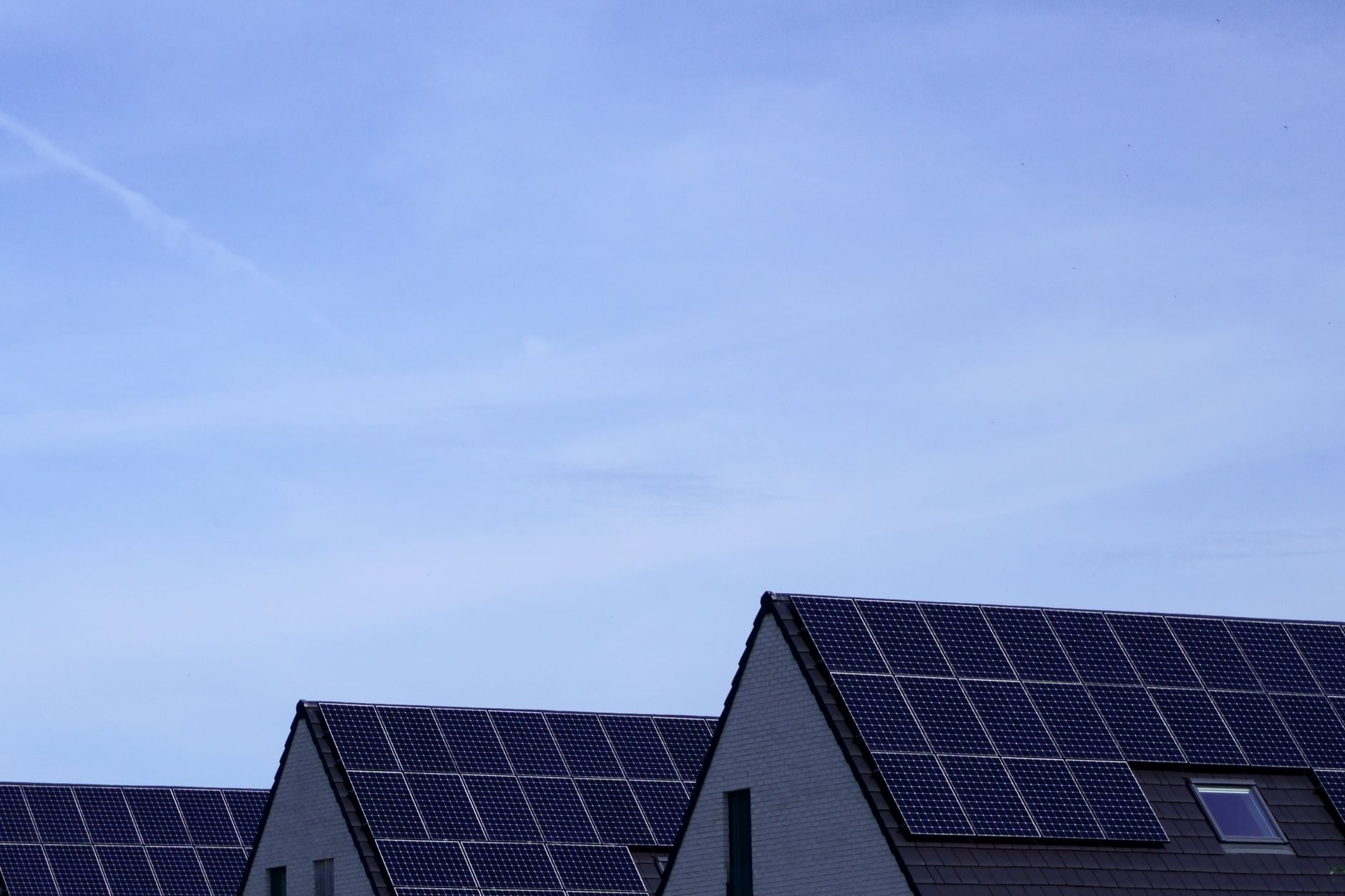
Unlock Savings: Understanding Solar Panel Installation Cost
Navigate the complexities of solar investment to make an informed decision for a brighter, greener future.
Get Your Free Solar Quote TodayKey Takeaways
- ✓ The average solar panel installation cost in the US ranges from $15,000 to $25,000 before incentives.
- ✓ Federal and state incentives can reduce the net cost by 30% or more.
- ✓ Panel efficiency, system size, and local labor rates significantly impact the final price.
- ✓ Solar panels typically pay for themselves within 6-10 years through energy bill savings.
How It Works
A solar professional evaluates your home's energy usage, roof suitability, and sun exposure. They'll discuss your goals and provide a preliminary system design and cost estimate.
Based on the assessment, a detailed system design is created, including panel type, inverter, and mounting. You'll receive a comprehensive proposal outlining the solar panel installation cost, projected savings, and financing options.
Once you approve the design and financing, the installer handles all necessary permits and paperwork. Installation typically takes 1-3 days, depending on system size and complexity, followed by electrical connections.
After installation, local authorities inspect the system to ensure compliance with codes. Upon approval, your utility company connects your solar system to the grid, and you start generating your own clean energy.
Breaking Down the Average Solar Panel Installation Cost in the US
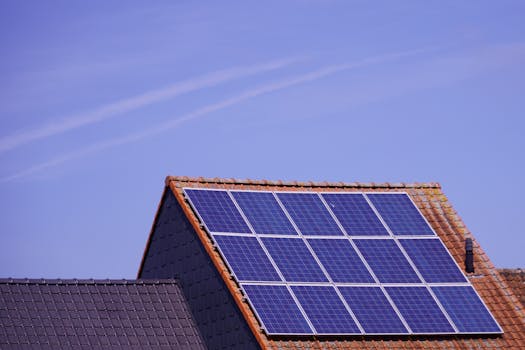 Photo: Budget Bizar / Pexels
Factors Influencing Your Specific Solar Panel Costs
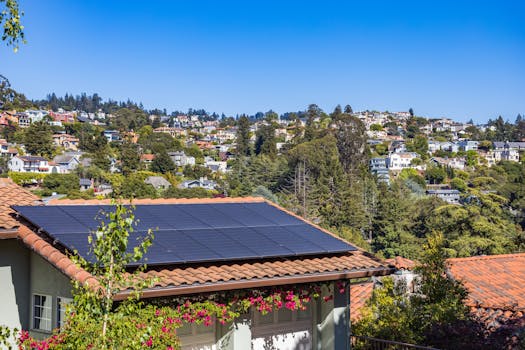 Photo: Robert So / Pexels
Our partners at rental car offer related services.
Maximizing Savings: Federal and State Solar Incentives
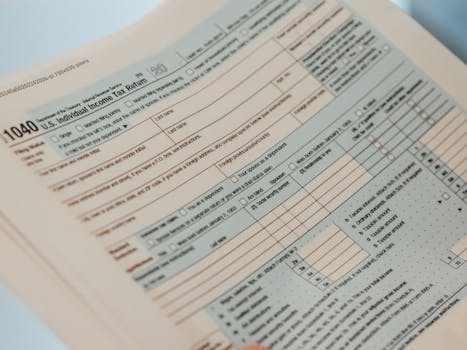 Photo: Kindel Media / Pexels
Avoiding Common Pitfalls: Tips for a Smooth Solar Installation
 Photo: Kindel Media / Pexels
Comparison
| Feature | Cash Purchase | Solar Loan | PPA/Lease |
|---|---|---|---|
| Upfront Cost | High | Low/None | None |
| System Ownership | Yes | Yes | No (Owned by provider) |
| Federal ITC Eligibility | Yes | Yes | No (Provider claims) |
| Long-Term Savings | Highest | High (after loan repayment) | Moderate |
| Maintenance Responsibility | Owner | Owner | Provider |
| Property Value Increase | ✓ | ✓ | ✗ |
What Readers Say
"The solar panel installation cost was clearly explained from the start. We used a solar loan and are already seeing significant savings on our electricity bill, making the investment totally worth it."
Sarah M. · Austin, TX"I was worried about the upfront cost, but the federal tax credit made a huge difference. Our system was installed efficiently, and the process was much smoother than I anticipated."
David L. · Denver, CO"After installing solar, our average monthly electric bill went from $200 to less than $30! The solar panel installation cost is offset by these incredible savings, and we feel great about our reduced carbon footprint."
Emily R. · San Diego, CA"While the initial solar panel installation cost was a bit higher than I expected, the company offered excellent financing options. The performance has been great, though I wish the permitting process was quicker."
Mark J. · Orlando, FL"We opted for a premium system, which increased our solar panel installation cost, but the peace of mind from the extended warranty and higher efficiency is invaluable. Our home feels truly energy independent now."
Jessica T. · Boston, MAFrequently Asked Questions
What is the typical solar panel installation cost for a residential home in the US?
The average solar panel installation cost for a residential home in the US typically ranges from $15,000 to $25,000 before incentives. This figure can vary significantly based on system size, panel type, labor rates, and local permitting requirements. After applying the federal tax credit and any state/local incentives, the net cost can be substantially lower, often reducing the overall investment by 30% or more.
Will solar panels increase my property taxes?
In many states, solar panel installations are exempt from property tax increases. This means that while adding solar panels increases your home's value, it often won't lead to a higher property tax bill. It's crucial to check your specific state and local regulations, as policies can vary. This exemption is designed to encourage renewable energy adoption without penalizing homeowners.
How do I choose the right solar installer?
To choose the right solar installer, start by getting multiple quotes (at least 3-5) to compare pricing, equipment, and warranties. Research their reputation through online reviews and check for proper licensing and insurance. Ask for references and ensure they provide clear, transparent proposals with no hidden fees. A good installer will also handle all permitting and interconnection paperwork for you.
How long does it take for solar panels to pay for themselves?
The payback period for solar panels, often referred to as the break-even point, typically ranges from 6 to 10 years in the US. This timeframe is influenced by your initial solar panel installation cost, the amount of electricity you consume, your local electricity rates, and the financial incentives you receive. After this period, the electricity generated by your system is essentially free, leading to significant long-term savings.
Is it better to buy or lease solar panels?
The choice between buying and leasing solar panels depends on your financial situation and long-term goals. Buying (either cash or with a loan) gives you full ownership, allowing you to claim federal and state incentives, maximize long-term savings, and increase your home's value. Leasing or a Power Purchase Agreement (PPA) typically requires no upfront cost and includes maintenance, but you don't own the system, nor do you qualify for tax credits, and long-term savings are generally lower.
Who should consider investing in solar panel installation?
Homeowners with consistent high electricity bills, good sun exposure on their roof, and a desire to reduce their carbon footprint should strongly consider investing in solar panel installation. Those who plan to stay in their home for several years will also benefit most from the long-term savings and increased property value. Additionally, individuals who can take advantage of federal and state incentives will find solar particularly attractive.
What are the risks associated with solar panel installation?
While generally safe, risks include potential roof damage if not installed correctly, electrical hazards during installation, and performance issues if the system is improperly designed or maintained. Choosing a reputable, licensed, and insured installer significantly mitigates these risks. Modern solar systems are designed with safety features and adhere to strict building codes.
How will future energy prices impact my solar investment?
Future increases in traditional energy prices will enhance the value and accelerate the payback period of your solar investment. As utility rates continue to climb, the savings generated by your fixed-cost solar system become even more substantial. This makes solar a powerful hedge against energy inflation, providing predictable electricity costs for decades to come.
Ready to take control of your energy future and understand your personalized solar panel installation cost? Get a free, no-obligation quote today and discover how much you can save by going solar.