Smart Choices: Compare Energy Providers US & Save
Navigate the complex US energy market with ease to find the best electricity and natural gas rates for your household.
Start Saving NowKey Takeaways
- ✓ Over half of US states have deregulated electricity markets, allowing consumers to choose their provider.
- ✓ Switching energy providers can lead to savings of 10-20% on monthly bills.
- ✓ Fixed-rate plans offer price stability, while variable-rate plans can fluctuate with market conditions.
- ✓ Many providers now offer plans with renewable energy sources, contributing to a greener future.
How It Works
Review past utility bills to determine your average monthly electricity and natural gas consumption. This data is crucial for accurately comparing different plan structures and estimating future costs.
Utilize online comparison tools and state utility commission websites to identify all licensed energy providers in your service area. Look for companies with strong reputations and diverse plan offerings.
Carefully examine different plan types (fixed vs. variable, green energy), contract lengths, early termination fees, and supply rates. Pay close attention to the 'price per kWh' for electricity and 'price per therm' for natural gas.
Once you've identified the best plan for your needs and budget, contact the new provider to initiate the switch. They will handle the transition, and your local utility will continue to deliver your energy.
Understanding the US Energy Market: Why You Can Compare Energy Providers US
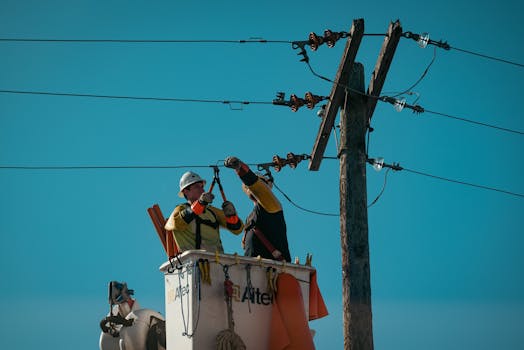 Photo: Chris F / Pexels
Key Factors to Consider When You Compare Energy Providers US
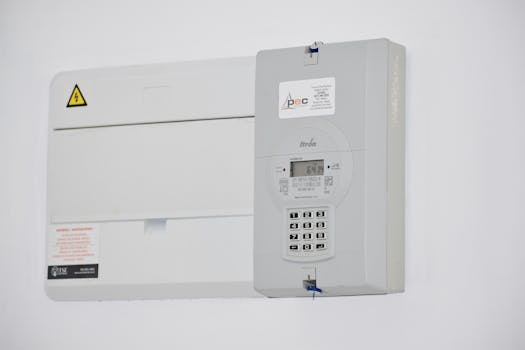 Photo: Akashni Weimers / Pexels
How to Effectively Compare Energy Providers US: A Step-by-Step Guide
 Photo: RDNE Stock project / Pexels
Avoiding Common Pitfalls and Maximizing Savings When You Compare Energy Providers US
 Photo: Johannes Plenio / Pexels
- Always Read the Electricity Facts Label (EFL): This document is your best friend. It transparently outlines all charges, terms, and conditions. Don't sign up for a plan without thoroughly reviewing it.
- Understand Renewable Energy Claims: If green energy is important, verify the provider's claims. Some offer 100% renewable plans, while others might just purchase renewable energy credits (RECs) to offset their carbon footprint.
- Set Reminders for Contract End Dates: Proactively shop for a new plan 30-60 days before your current contract expires. Allowing your contract to roll over into a month-to-month variable rate is often the most expensive option.
- Monitor Your Usage: Keep track of your monthly energy consumption. Significant changes in usage might mean a different plan structure would be more beneficial.
- Leverage Customer Reviews, but with Caution: While reviews are helpful, remember that a few negative experiences don't always reflect the entire company. Look for patterns in complaints rather than isolated incidents.
- Ask About Incentives and Promotions: Some providers offer sign-up bonuses, smart thermostat incentives, or referral programs that can add to your overall savings.
Comparison
| Feature | Fixed-Rate Plan | Variable-Rate Plan | Green Energy Plan |
|---|---|---|---|
| Price Stability | Excellent (Locked-in rate) | Poor (Fluctuates monthly) | Good (Often fixed, but can vary) |
| Risk of Price Spikes | Low | High | Low to Moderate |
| Contract Length | Typically 6-36 months | Month-to-month | Typically 12-24 months |
| Early Termination Fees | Often present | Rarely present | Often present |
| Environmental Impact | Neutral (Unless specified) | Neutral (Unless specified) | High (Supports renewables) |
| Budget Predictability | ✓ | ✗ | ✓ |
| Flexibility | ✗ | ✓ | ✗ |
| Potential for Lowest Price | Good long-term value | Possible during low market | Good for values-driven choice |
What Readers Say
"I used to just stick with my old provider, but after I decided to compare energy providers US, I found a fixed-rate plan that saved me over $30 a month. The process was surprisingly easy and the new company handled everything."
Sarah J. · Houston, TX"Shopping for electricity seemed daunting, but this guide helped me understand the different plan types. I switched to a renewable energy provider and feel good about my lower bill and environmental choice."
Mark D. · Philadelphia, PA"I compared energy providers US annually and consistently save hundreds of dollars. Last year, I locked in a 24-month fixed rate just before prices spiked, saving me an estimated $400 over the year."
Emily R. · Dallas, TX"The information here was very helpful in navigating the complex options. While I didn't find a dramatically cheaper rate, I did get a better contract term without early termination fees, which gives me peace of mind."
David L. · Chicago, IL"As a small business owner, every penny counts. Comparing energy providers US for my shop's electricity significantly reduced my operating costs, allowing me to invest more in my business."
Jessica M. · Edison, NJFrequently Asked Questions
What is the biggest benefit to compare energy providers US?
The biggest benefit is the potential for significant cost savings on your monthly energy bills. By shopping around, you can find lower rates, better plan structures (like fixed rates for price stability), and terms that suit your specific usage patterns, which can lead to hundreds of dollars in annual savings.
Will my power go out if I switch energy providers?
No, your power will not go out. When you switch energy providers in a deregulated market, you are only changing the company that supplies your energy, not the company that delivers it. Your local utility continues to maintain the infrastructure and respond to outages, so your service remains uninterrupted.
How often should I compare energy providers US and switch?
It's recommended to compare energy providers US annually, especially as your current contract approaches its expiration date. This ensures you avoid rolling over into potentially higher variable rates and can consistently secure the best available deals in the market.
Are there hidden fees when I compare energy providers US?
While reputable providers aim for transparency, some plans may have additional charges such as monthly service fees, minimum usage fees, or early termination fees. Always carefully review the Electricity Facts Label (EFL) or similar disclosure documents to understand all potential costs associated with a plan.
Is comparing energy providers the same as going solar?
No, comparing energy providers US is different from going solar. Comparing providers means choosing a different retail company to supply your electricity or natural gas through the existing grid. Going solar involves installing panels on your property to generate your own electricity, potentially reducing or eliminating your reliance on grid power.
Who should use compare energy providers US?
Anyone living in a US state with a deregulated energy market should actively compare energy providers. This includes residents and small business owners in states like Texas, Pennsylvania, Ohio, Illinois, New York, and others, who have the power to choose their energy supplier.
What if I'm unhappy with my new energy provider?
If you're unhappy, check your contract for early termination fees. Many contracts allow you to switch providers, though a fee may apply. For service issues, first contact your provider's customer service. If unresolved, you can escalate the issue to your state's Public Utility Commission (PUC) or Public Service Commission (PSC).
How will renewable energy options evolve when I compare energy providers US?
The trend towards renewable energy is accelerating. Expect to see more providers offering 100% green energy plans, potentially at more competitive prices as renewable generation becomes cheaper. Innovations like community solar and advanced smart grid integration will also likely become more prevalent, offering consumers more sustainable choices.
Don't leave money on the table. Take control of your energy bills today by learning how to effectively compare energy providers US. Start your search now to find a plan that not only saves you money but also aligns with your personal values and energy needs.