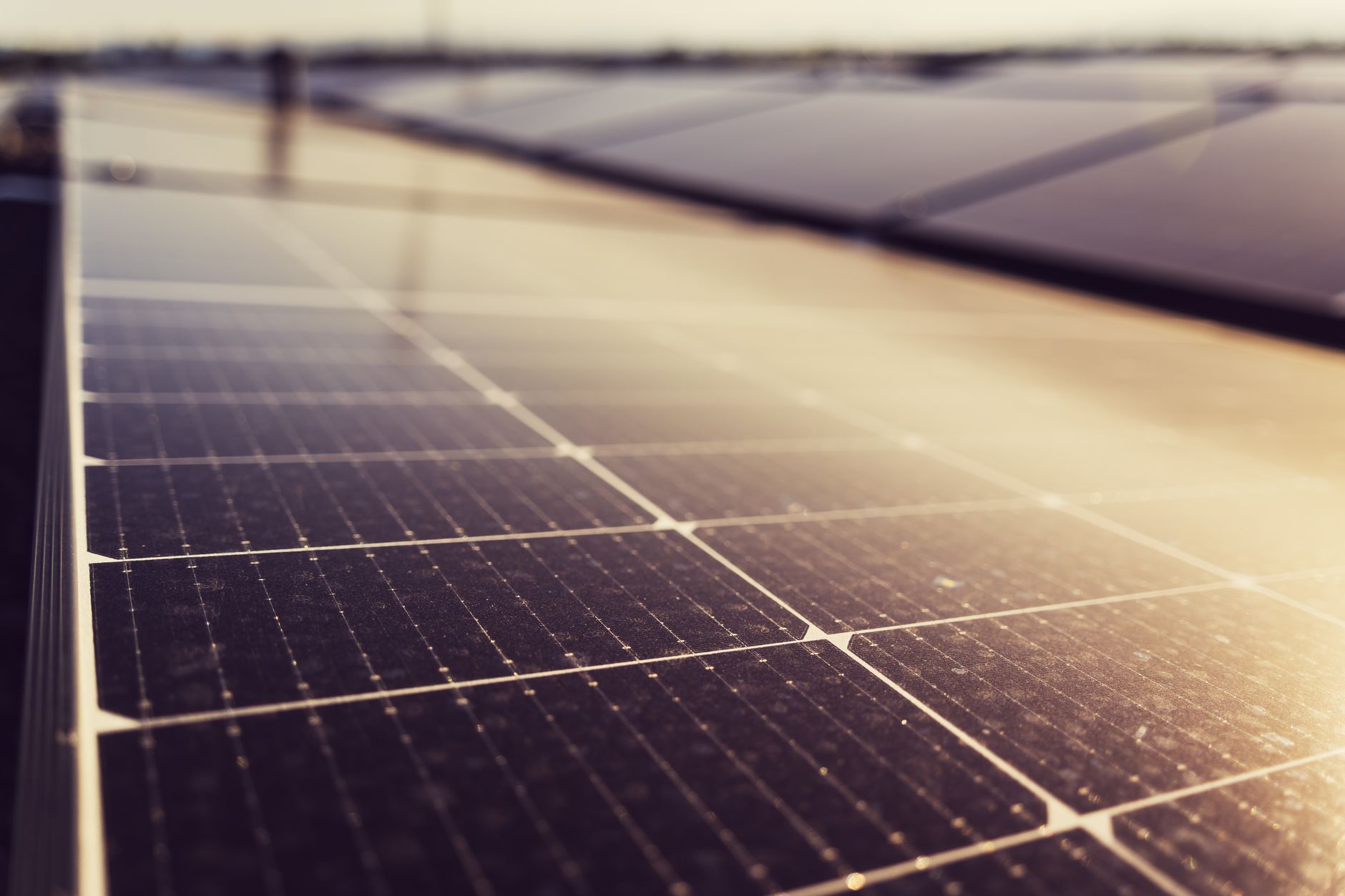
Commercial Solar Panel Installation: Power Your Business Future
Harness the sun's power to reduce operating costs, boost your brand, and secure energy independence.
Get a Free Solar AssessmentKey Takeaways
- ✓ Commercial solar can reduce electricity bills by 50-90%.
- ✓ Federal and state incentives can cover 30%+ of installation costs.
- ✓ Typical payback periods range from 3-7 years, with systems lasting 25+ years.
- ✓ Solar enhances corporate social responsibility and brand image.
How It Works
Experts evaluate your energy needs, roof structure, and sun exposure to design a custom solar solution. This phase determines feasibility and system size.
Engineers create a detailed system design, including panel layout, inverter selection, and estimated energy production. You receive a comprehensive proposal outlining costs, savings, and incentives.
All necessary permits are secured by the installation team, ensuring compliance with local regulations. Certified technicians then efficiently install the solar panels and electrical components.
After final inspections and utility approval, your system is switched on, immediately generating clean energy. Ongoing monitoring ensures optimal performance and identifies any issues.
The Unmatched Benefits of Commercial Solar Solutions
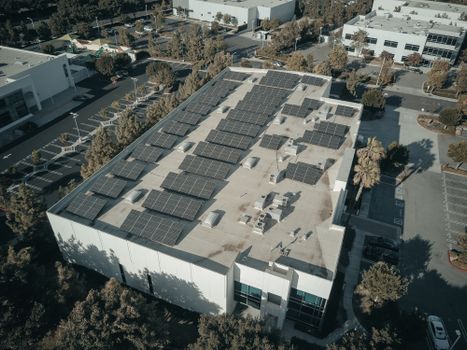 Photo: Kindel Media / Pexels
Navigating the Commercial Solar Panel Installation Process
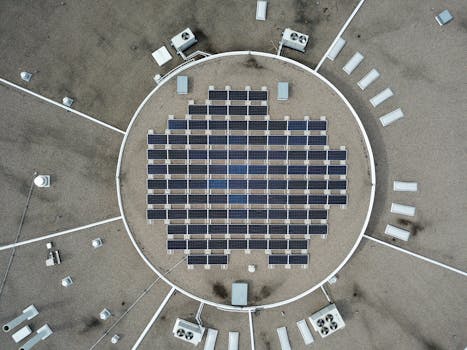 Photo: Giant Asparagus / Pexels
Financing Your Commercial Solar Panel Installation
 Photo: Dhruvan Patel / Pexels
Avoiding Pitfalls: Key Considerations for Your Commercial Solar Project
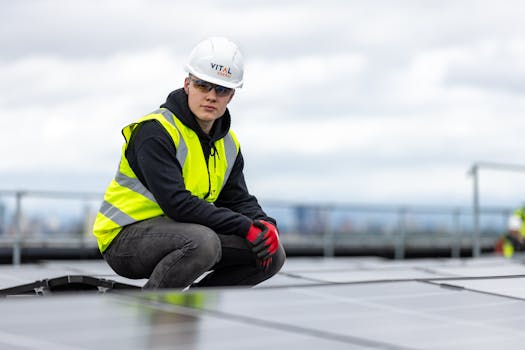 Photo: This Is Engineering / Pexels
Comparison
| Feature | Direct Ownership | Power Purchase Agreement (PPA) | Solar Lease |
|---|---|---|---|
| Upfront Cost | High (unless financed) | None or Very Low | None or Very Low |
| Tax Incentives (ITC, MACRS) | ✓ (Claimed by business) | ✗ (Claimed by developer) | ✗ (Claimed by lessor) |
| Energy Savings | Highest Long-Term | Immediate, Predictable | Immediate, Predictable |
| System Ownership | Business | Third-Party Developer | Third-Party Lessor |
| Maintenance Responsibility | Business (or contractor) | Third-Party Developer | Third-Party Lessor |
| Contract Duration | N/A (Owned asset) | 15-25 Years | 15-25 Years |
What Readers Say
"Our commercial solar panel installation dramatically cut our monthly electricity bills by over 60%. The team was professional, efficient, and handled all the permits, making the process seamless for our manufacturing facility."
Sarah Jenkins · Austin, TX"Switching to solar for our office building was a fantastic decision. The installation was completed ahead of schedule, and we've significantly reduced our carbon footprint, which aligns perfectly with our company values."
Mark Chen · Denver, CO"Our restaurant chain installed solar on three locations, and the energy savings have exceeded projections. We're now saving thousands each month, directly impacting our bottom line and improving our sustainability profile."
Maria Rodriguez · Miami, FL"The commercial solar panel installation for our warehouse was a complex project, but the team managed it well. There were minor delays with utility approvals, but the end result is a highly efficient system that's delivering consistent savings."
David Lee · Seattle, WA"As a non-profit, we needed a cost-effective solution. The PPA option for our commercial solar panel installation allowed us to go solar with no upfront cost and start saving immediately, freeing up funds for our mission."
Jessica White · Boston, MAFrequently Asked Questions
What is the typical ROI for a commercial solar panel installation?
The Return on Investment (ROI) for commercial solar typically ranges from 3 to 7 years, though this can vary based on electricity rates, system size, and available incentives. After the payback period, the electricity generated is essentially free, leading to decades of pure savings and a significant boost to your business's financial health.
Will a commercial solar system work during a power outage?
Standard grid-tied commercial solar systems are designed to shut down during a power outage for safety reasons (to prevent backfeeding the grid). To maintain power during outages, businesses need to incorporate battery storage solutions or a generator into their solar system design, creating a resilient microgrid.
How do I choose the right commercial solar installer?
Choosing the right installer involves researching their experience with commercial projects, checking their licenses and certifications, reviewing client testimonials, and ensuring they offer comprehensive services from design and permitting to installation and maintenance. Always obtain multiple quotes and compare proposals thoroughly.
What are the main costs associated with commercial solar?
The primary costs include solar panels, inverters, racking systems, electrical components, labor for installation, and permitting fees. However, these costs are significantly offset by federal tax credits (like the ITC), state rebates, accelerated depreciation, and the long-term savings on electricity bills.
How does commercial solar compare to purchasing renewable energy credits (RECs)?
While RECs allow businesses to offset their carbon footprint by supporting renewable energy projects elsewhere, commercial solar panel installation provides direct, on-site energy generation. This not only offers environmental benefits but also delivers tangible financial savings through reduced electricity bills and greater energy independence, which RECs do not directly offer.
Which types of businesses benefit most from commercial solar panel installation?
Businesses with high electricity consumption, large roof spaces or available land, and a long-term commitment to their current location often benefit most. This includes manufacturing facilities, warehouses, data centers, agricultural operations, retail stores, office buildings, and schools, which can all achieve substantial savings and environmental impact.
Are commercial solar panels safe for my building and operations?
Yes, when installed by certified professionals, commercial solar panels are very safe. Installers adhere to strict building codes, electrical standards, and safety protocols. Modern panels are durable, fire-resistant, and designed to withstand harsh weather conditions, posing no significant risk to your building or daily operations.
What are the future trends for commercial solar panel installation?
Future trends include the integration of advanced battery storage solutions, smart energy management systems that optimize consumption, and the growth of community solar programs for businesses without suitable on-site space. Expect continued technological advancements in panel efficiency and further reductions in installation costs, making solar even more attractive.
Ready to transform your business operations with clean, cost-effective energy? Explore the unparalleled advantages of commercial solar panel installation and secure a sustainable future for your company. Contact us today for a personalized assessment and discover how much your business can save.