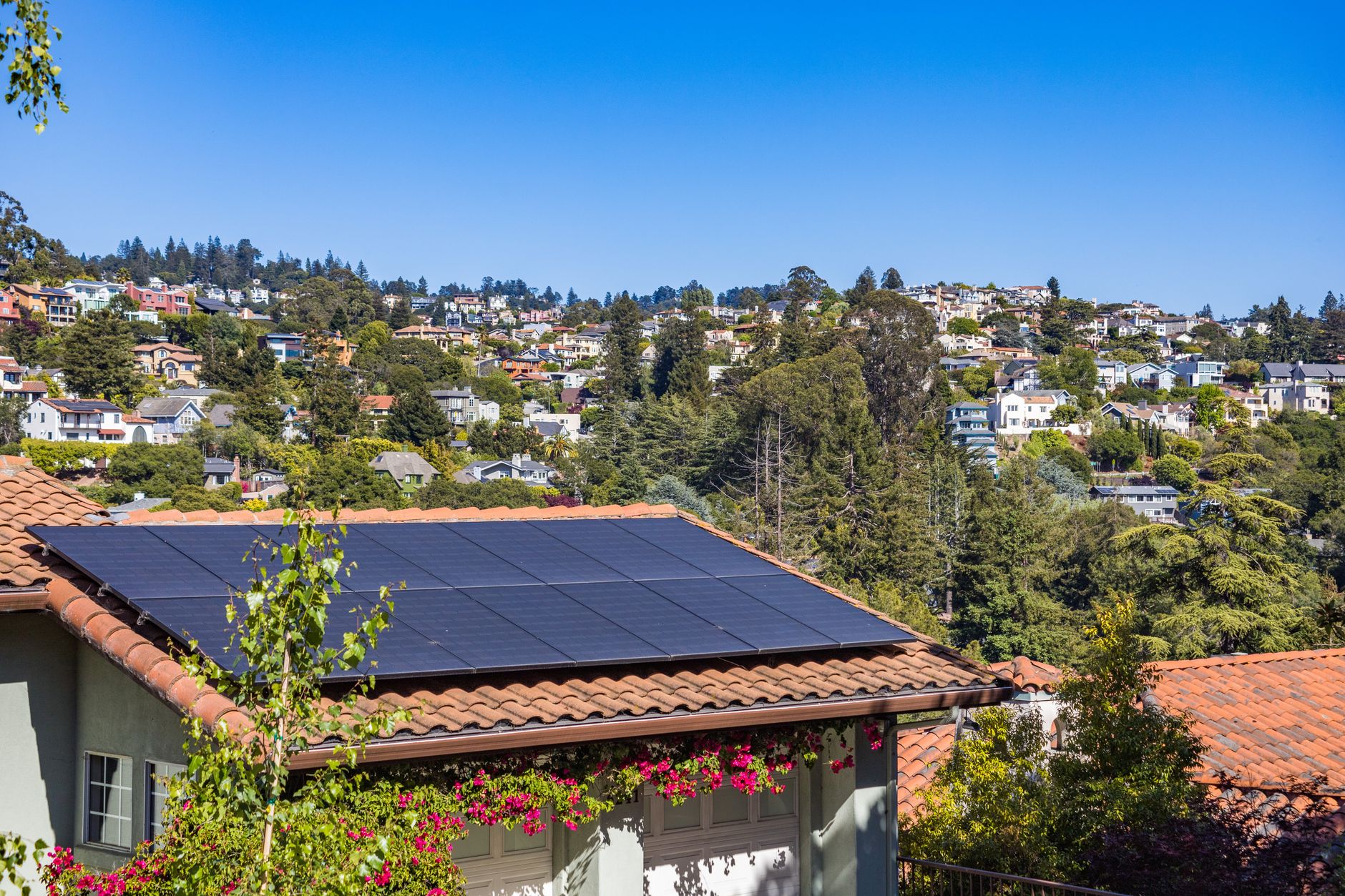
How to Buy Residential Solar Panels: Your Ultimate Guide
Unlock energy independence and savings. Discover everything you need to know about going solar for your home.
Start Your Solar JourneyKey Takeaways
- ✓ The average cost to install residential solar panels in the US ranges from $15,000 to $25,000 before incentives.
- ✓ The federal Investment Tax Credit (ITC) offers a 30% tax credit for solar systems installed through 2032.
- ✓ Solar panels can significantly reduce or eliminate your monthly electricity bills.
- ✓ Most residential solar systems have a lifespan of 25-30 years, often with performance guarantees.
How It Works
A solar professional evaluates your home's energy needs, roof suitability, and sun exposure. They'll discuss your current electricity usage and future goals.
Based on the assessment, a customized solar system is designed, detailing panel type, inverter, battery options, and expected energy production. You'll receive a comprehensive proposal including costs and savings.
Once you approve the design, financing options are finalized, and the solar company handles all necessary permits and utility interconnection agreements. This can take several weeks.
Certified installers mount the panels, inverters, and wiring on your roof. After inspection by local authorities and the utility company, your system is connected to the grid and activated, allowing you to generate your own power.
Understanding the Benefits of Residential Solar Power
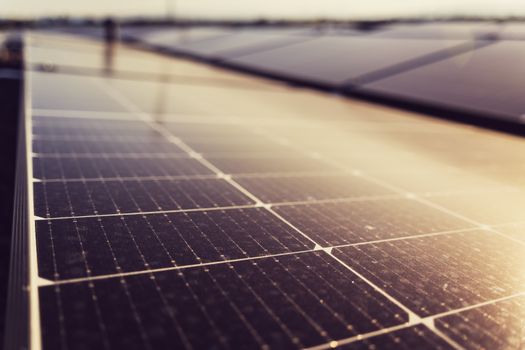 Photo: Michael Pointner / Pexels
The environmental benefits are equally compelling. By generating clean, renewable energy directly from the sun, you significantly reduce your carbon footprint. This means fewer greenhouse gas emissions, contributing to cleaner air and a healthier planet. For many homeowners, the desire to live more sustainably is a primary motivator for going solar. It's a tangible way to make a difference, demonstrating a commitment to environmental stewardship.
Furthermore, installing solar panels can increase your property value. Studies consistently show that homes with solar energy systems sell for more and often faster than comparable homes without them. This added value is a significant asset, making your home more attractive in the real estate market. It's not just about the energy savings; it's about investing in a modern, efficient, and desirable property.
Government incentives, both federal and state, sweeten the deal considerably. The federal Investment Tax Credit (ITC) currently offers a 30% tax credit on the cost of your solar system, a powerful incentive that directly reduces your out-of-pocket expenses. Many states and local municipalities also offer additional rebates, tax exemptions, or performance-based incentives (like SRECs – Solar Renewable Energy Credits) that can further offset the cost and accelerate your return on investment. These incentives are designed to encourage adoption of renewable energy, making solar more accessible and affordable for the average homeowner. Understanding these benefits is the first crucial step in your journey to buy residential solar panels and embrace a brighter, more sustainable future for your home. You can learn more about general energy savings by visiting our energy efficiency guide.
Navigating the Costs and Financial Incentives for Home Solar
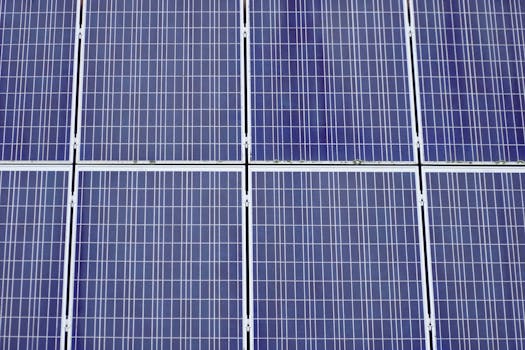 Photo: Budget Bizar / Pexels
The most impactful financial incentive is the federal Investment Tax Credit (ITC), often referred to as the solar tax credit. This allows you to claim 30% of the cost of your solar system as a credit on your federal income taxes. This isn't a deduction; it's a dollar-for-dollar reduction in your tax liability, making it incredibly valuable. For example, a $20,000 system would qualify for a $6,000 tax credit. This credit is available for systems installed through 2032, with step-downs in subsequent years, so acting sooner rather than later can maximize your savings.
Beyond the federal ITC, many states offer their own incentives. These can include state tax credits, property tax exemptions (meaning your home's increased value from solar won't raise your property taxes), sales tax exemptions, and rebates. Some states also have performance-based incentives (PBIs) like Solar Renewable Energy Credits (SRECs), where you earn credits for the electricity your system generates, which can then be sold for additional income. Researching the specific incentives available in your state and local area is a critical step in reducing your overall cost.
Financing options are also plentiful. While paying cash offers the highest return on investment, many homeowners opt for solar loans, which function similarly to a home improvement loan. Power Purchase Agreements (PPAs) and solar leases are other options where a third party owns the system on your property, and you pay them for the electricity it produces or a fixed monthly fee. While these often require no upfront cost, they typically offer lower long-term savings compared to owning the system outright. Carefully evaluating these financing models will help you choose the best path to affordability when you decide to buy residential solar panels.
Choosing the Right Solar Panels and Installation Process
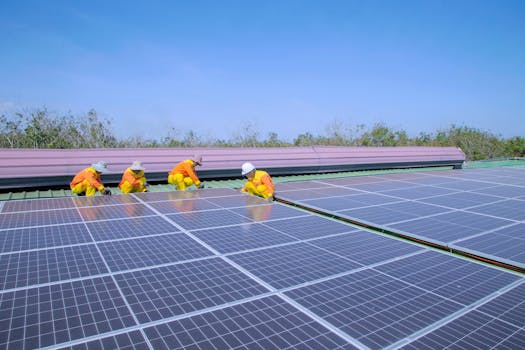 Photo: Hoan Ngọc / Pexels
Inverters are another critical piece of equipment, converting the DC electricity generated by your panels into AC electricity usable by your home and the grid. String inverters are a common, cost-effective choice, but microinverters (one per panel) or power optimizers (mounted on each panel) offer advantages like individual panel monitoring and improved performance in shaded conditions. Battery storage systems are also becoming increasingly popular, allowing you to store excess solar energy for use at night or during power outages, enhancing your energy independence.
The installation process itself typically follows a structured timeline. After your initial consultation and system design approval, the solar company will handle all necessary permitting and utility interconnection agreements. This administrative phase can take several weeks or even months, depending on your local jurisdiction and utility company. Once permits are secured, the physical installation usually takes 1-3 days for a standard residential system. This involves mounting the racking system on your roof, securing the panels, installing the inverter(s), and connecting the electrical wiring to your home's main service panel.
Following installation, a final inspection by local building authorities and the utility company is required. The utility company will then replace your traditional meter with a net meter, which tracks both the electricity you consume from the grid and the excess electricity your solar system sends back to it. Once everything passes inspection and the net meter is installed, your system is officially activated, and you can begin generating your own clean electricity. Reputable solar installers will provide comprehensive warranties on equipment and labor, often covering 25 years for panels and 10-12 years for inverters. Always ensure your chosen installer is certified and experienced, as proper installation is crucial for system performance and longevity. For more insights on maximizing your home's energy efficiency, explore our guide to smart home energy solutions.
Tips for Maintaining Your Solar System and Avoiding Common Mistakes
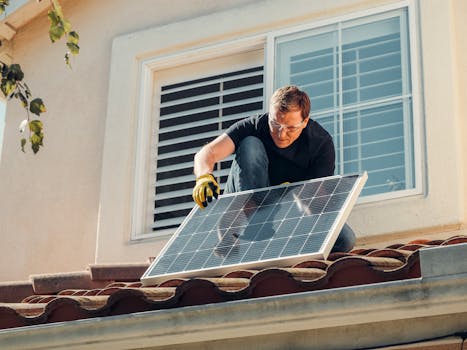 Photo: Kindel Media / Pexels
Monitoring your system’s performance is another key tip. Most modern solar systems come with monitoring apps or online portals that allow you to track energy production in real-time. If you notice a sudden drop in output that isn't attributable to weather, it might be an indication of an issue that requires professional attention. Schedule periodic professional inspections, perhaps every 3-5 years, to ensure all electrical components are functioning correctly and that connections are secure.
Avoiding common mistakes can save you headaches and money. One major pitfall is not getting multiple quotes. Always solicit at least three detailed proposals from different reputable solar companies. This allows you to compare pricing, equipment, warranties, and customer service. Another mistake is overlooking the importance of a strong warranty package. Ensure you understand the product warranty (on panels and inverters), the performance warranty (guaranteeing panel output over time), and the workmanship warranty (covering installation quality).
Failing to understand your electricity consumption patterns before sizing your system is another error. An undersized system won't meet your needs, while an oversized one might be an unnecessary expense, especially if your utility has restrictive net metering policies. Finally, don't forget to research local incentives and permitting requirements thoroughly. Each state and municipality can have unique rules and benefits that could significantly impact your project's feasibility and cost. Being proactive and well-informed will make your transition to solar much smoother and more rewarding.
Comparison
| Feature | Owning (Cash/Loan) | Solar Lease | Power Purchase Agreement (PPA) |
|---|---|---|---|
| Upfront Cost | High (Cash) / Moderate (Loan) | Low / None | Low / None |
| Long-term Savings | Highest | Moderate | Moderate |
| Property Value Increase | ✓ | ✗ | ✗ |
| Eligibility for Incentives (ITC, etc.) | ✓ | ✗ | ✗ |
| System Ownership | Homeowner | Third Party | Third Party |
| Maintenance Responsibility | Homeowner (covered by warranty) | Third Party | Third Party |
| Flexibility (moving) | High | Low (lease transfer) | Low (PPA transfer) |
What Readers Say
"Deciding to buy residential solar panels was the best decision for our home. Our electricity bills are almost nonexistent now, and the installation process was smooth and professional. The team explained everything clearly, from the federal tax credit to local incentives."
Sarah J. · Austin, TX"We just had our solar system activated, and already we're seeing huge savings. The company that helped us buy residential solar panels was fantastic, guiding us through financing and permits. It feels great to be producing our own clean energy."
Mark D. · San Diego, CA"After years of high energy bills, we finally decided to buy residential solar panels. Our first full month's bill was $12, down from $180! The sales rep was knowledgeable, and the installers were efficient and tidy. Highly recommend for anyone considering solar."
Jessica L. · Denver, CO"The process to buy residential solar panels was mostly straightforward. There was a slight delay with permitting, but the company communicated well throughout. We're happy with the system's performance and the significant reduction in our energy costs."
Robert K. · Orlando, FL"We wanted to reduce our carbon footprint, and buying residential solar panels was the perfect solution. Even in a cloudier climate, our system is performing well, and we appreciate the environmental impact. The installation team was excellent."
Emily R. · Seattle, WAFrequently Asked Questions
What is the average cost to buy residential solar panels in the US?
The average cost to install a residential solar system in the US typically ranges from $15,000 to $25,000 before any incentives. This cost can vary based on system size, panel efficiency, installation complexity, and your geographic location. The federal Investment Tax Credit (ITC) can significantly reduce this net cost.
Will solar panels increase my home's value?
Yes, numerous studies have shown that homes with owned solar panel systems sell for more and often faster than comparable homes without solar. The added value can vary depending on your local market, system size, and energy savings, but it's generally considered a strong investment.
How long does it take to install residential solar panels?
The physical installation of solar panels typically takes 1-3 days for a standard residential system. However, the entire process, from initial consultation to system activation, can take several weeks to a few months, primarily due to permitting, utility interconnection approvals, and scheduling.
What financing options are available when I buy residential solar panels?
You have several financing options: paying cash (highest ROI), taking out a solar loan (similar to a home improvement loan), or opting for a solar lease or Power Purchase Agreement (PPA) where a third party owns the system. Each option has different upfront costs and long-term savings.
How do solar panels work with the electricity grid?
Residential solar panels generate DC electricity, which is converted to AC electricity by an inverter. This power is used by your home, and any excess is sent back to the grid. Through 'net metering,' your utility company credits you for the power you export, reducing your overall electricity bill.
Who should consider buying residential solar panels?
Homeowners with suitable roof space, good sun exposure, and high electricity bills are prime candidates. Those looking to reduce their carbon footprint, increase home value, or achieve energy independence will find significant benefits from investing in residential solar panels.
Are solar panels safe for my home?
When installed by certified professionals, solar panel systems are very safe. They are designed to meet stringent electrical and building codes. Modern systems include safety features like rapid shutdown capabilities, and reputable installers adhere to all industry best practices to ensure a secure installation.
What is the future outlook for residential solar energy?
The future of residential solar is bright. Advancements in panel efficiency, battery storage technology, and smart home integration are continuously improving systems. With ongoing federal and state support, solar energy is expected to become even more accessible and cost-effective, playing a crucial role in a sustainable energy future.
Ready to take control of your energy future and significantly reduce your utility bills? Start your journey to buy residential solar panels today. Get free quotes from trusted local installers and discover how easy and affordable it can be to power your home with the sun.