
Why Buy Home Battery Storage System? Your Ultimate Guide
Unlock energy independence, reduce bills, and secure your home with the right battery storage solution.
Explore Your OptionsKey Takeaways
- ✓ Home battery storage systems store excess electricity for later use.
- ✓ They provide backup power during outages, enhancing energy security.
- ✓ Can significantly reduce electricity bills through time-of-use optimization.
- ✓ Integrate seamlessly with solar panels to maximize renewable energy consumption.
How It Works
Solar panels convert sunlight into DC electricity. This power can be used directly by your home or sent to the battery for storage.
An inverter converts DC power to AC for home use and battery charging. Intelligent management systems optimize when to store, use, or discharge power based on your needs and grid conditions.
When solar production is low (e.g., night) or during a grid outage, the stored energy in your battery is discharged to power your home. This ensures continuous electricity supply.
Depending on your setup, excess battery power can be exported to the grid for credits, or the system can draw power from the grid during off-peak hours to charge the battery, further optimizing costs.
Understanding Residential Energy Storage Systems: The Core Benefits
 Photo: Kindel Media / Pexels
Key Factors to Consider When You Buy Home Battery Storage System
 Photo: Hilary Halliwell / Pexels
Installation Process and Regulatory Landscape for Home Battery Storage
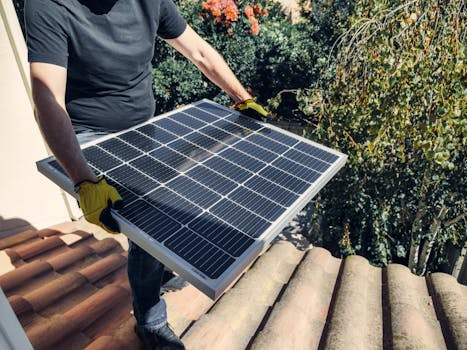 Photo: Kindel Media / Pexels
Common Mistakes to Avoid When You Buy Home Battery Storage System
 Photo: Terrance Barksdale / Pexels
Comparison
| Feature | Lithium Iron Phosphate (LFP) | NMC Lithium-ion | Lead-Acid (AGM/Gel) |
|---|---|---|---|
| Cycle Life | 6,000 - 10,000+ | 3,000 - 6,000 | 500 - 1,500 |
| Safety | Excellent (Thermal Stability) | Good (Thermal Runaway Risk) | Good (Gas Emission Risk) |
| Efficiency | 90-95% | 90-95% | 75-85% |
| Cost (per kWh) | Moderate to High | High | Low (Upfront) |
| Maintenance | Low | Low | Moderate (Ventilation, Equalization) |
| Depth of Discharge | 90-100% | 80-90% | 50% |
What Readers Say
"Deciding to buy home battery storage system was the best decision for our Texas summers. We paired it with our solar, and now we barely feel the heat waves, even with rolling blackouts. Our electricity bills have dropped significantly, and we have total peace of mind."
Sarah P. · Austin, TX"After the recent wildfires and power shut-offs, we knew we needed a reliable backup. Our new home battery system kicks in instantly, keeping our essential appliances running. It's truly a game-changer for energy security, and we're seeing good savings on our TOU plan."
Mark T. · San Jose, CA"I was hesitant about the cost to buy home battery storage system, but the federal tax credit and state incentives made it feasible. We've reduced our grid reliance by over 80% and our utility bills are consistently lower. The monitoring app is super user-friendly too!"
Emily R. · Boston, MA"The installation process was a bit longer than expected due to permitting, but the system itself is fantastic. It handles our AC during peak hours beautifully. I wish the initial cost was lower, but the long-term benefits and energy independence are worth it."
David L. · Phoenix, AZ"As someone working from home, consistent power is non-negotiable. Our home battery system has provided uninterrupted power during several storms, meaning no lost work hours. It's a fantastic investment for both reliability and reducing our carbon footprint."
Jessica M. · Portland, ORFrequently Asked Questions
What is the average cost to buy home battery storage system in the US?
The average cost to buy home battery storage system in the US can range from $10,000 to $20,000+ for a typical 10-15 kWh system, including installation. This price can vary significantly based on battery capacity, brand, installation complexity, and local labor costs. However, federal and state incentives can substantially reduce this upfront investment.
Are home battery storage systems safe?
Yes, modern home battery storage systems, especially those utilizing Lithium Iron Phosphate (LFP) chemistry, are designed with multiple safety features to prevent overheating, overcharging, and short circuits. Professional installation by certified technicians is crucial to ensure all safety protocols and electrical codes are met, minimizing any risks.
How do I choose the right size battery for my home?
To choose the right size, you need to assess your daily energy consumption (especially during non-solar hours or desired backup periods) and identify your critical loads. An energy audit and consultation with a professional installer will help determine the optimal battery capacity (kWh) and power output (kW) to meet your specific needs.
Can a home battery system power my entire house during an outage?
Whether a home battery system can power your entire house depends on its capacity and power output relative to your home's energy demands. Many homeowners choose to power only essential circuits during an outage to maximize backup duration. A larger, more powerful system can indeed power an entire home, but this comes with a higher cost.
How does a home battery compare to a traditional generator for backup power?
Home batteries offer silent, clean, and automatic backup power with no fuel requirements or exhaust fumes, making them ideal for seamless transitions. Traditional generators require fuel, produce noise and emissions, and often need manual startup. While generators can offer longer backup durations for very high loads, batteries are superior for convenience, sustainability, and integration with solar.
Who should consider buying a home battery storage system?
Homeowners with solar panels looking to maximize self-consumption and reduce grid reliance, those living in areas prone to power outages, individuals on time-of-use electricity plans, and anyone seeking greater energy independence and a reduced carbon footprint should consider buying a home battery storage system.
What is the lifespan of a typical home battery storage system?
The lifespan of a typical home battery storage system, particularly lithium-ion variants, is generally 10 to 15 years, or between 3,000 to 10,000 charge/discharge cycles. Most manufacturers offer warranties that guarantee a certain percentage of capacity retention (e.g., 70-80%) over this period or number of cycles.
Will home battery technology improve significantly in the near future?
Yes, home battery technology is continuously evolving. We can expect to see improvements in energy density (more storage in a smaller footprint), increased efficiency, longer cycle lives, and potentially lower costs due to advancements in chemistry and manufacturing processes. Smart energy management features will also become more sophisticated, offering even greater optimization.
Ready to take control of your home's energy future? Don't wait to buy home battery storage system and unlock unparalleled energy independence, significant savings, and reliable backup power. Connect with a certified installer today to get a personalized quote and start your journey towards a more resilient and sustainable home.