Why Buy Home Battery Storage? Your Guide to Energy Freedom
buy home battery storage

Why Buy Home Battery Storage? Your Guide to Energy Freedom

Gain control over your home's power, protect against outages, and optimize your energy consumption for a sustainable future.

Start Your Energy Journey

Key Takeaways

  • ✓ Home battery storage can provide backup power during grid outages.
  • ✓ It allows homeowners to store excess solar energy for later use, reducing reliance on the grid.
  • ✓ Battery systems can optimize energy costs by charging during off-peak hours and discharging during peak times.
  • ✓ Federal and state incentives can significantly reduce the upfront cost of home battery storage in the US.

How It Works

1
Energy Generation & Collection

Solar panels (or the grid) generate electricity. This power is then directed to your home for immediate use or to the battery for storage.

2
Storing Excess Energy

When your solar panels produce more electricity than your home consumes, the surplus energy is routed to your home battery to charge it for future use.

3
Powering Your Home On-Demand

When solar production is low (e.g., at night, on cloudy days) or during a power outage, the stored energy in your battery is discharged to power your home.

4
Smart Energy Management

Advanced battery systems integrate with smart home technology, allowing you to monitor energy flow, optimize charging/discharging based on time-of-use rates, and manage your energy profile.

Understanding the Benefits of Residential Energy Storage

Charming suburban house with parked cars and vibrant summer setting. Photo: Justin L U C K / Pexels
In an increasingly unpredictable world, the decision to buy home battery storage has moved from a niche interest to a compelling necessity for many US homeowners. Beyond the undeniable appeal of energy independence, a home battery system offers a multifaceted array of benefits that directly impact your comfort, financial well-being, and environmental footprint. One of the most immediate and tangible advantages is reliable backup power. When severe weather strikes or grid infrastructure faces strain, power outages can leave homes in the dark for hours or even days. A properly sized home battery ensures that critical appliances, lighting, and even entire homes can continue to operate seamlessly, providing peace of mind and maintaining essential services. This resilience is a primary driver for many considering this investment, especially in regions prone to natural disasters or an aging electrical grid. Furthermore, integrating a battery with a solar panel system unlocks a new level of energy optimization. While solar panels generate clean electricity during the day, this production often doesn't perfectly align with a household's peak consumption patterns, which typically occur in the evenings. Without storage, excess solar energy is often sent back to the grid, sometimes with limited compensation through net metering. By choosing to buy home battery storage, you can capture this surplus solar energy and store it for use when the sun isn't shining. This significantly reduces your reliance on grid electricity, especially during expensive peak-rate periods, leading to substantial long-term savings on your utility bills. This self-consumption model maximizes the value of your solar investment and accelerates your return on investment. Economic incentives also play a crucial role in making residential energy storage more accessible and appealing. The federal Investment Tax Credit (ITC), for example, offers a significant tax credit for battery storage systems installed in conjunction with solar, or even standalone in certain scenarios. Many states and local utilities also offer additional rebates, grants, or performance-based incentives that can further offset the upfront cost. These financial advantages make the decision to invest in home energy solutions increasingly attractive, transforming what might seem like a luxury into a smart financial move. Moreover, by reducing your reliance on fossil fuel-generated electricity, you contribute to a cleaner environment, lowering your carbon footprint and supporting the transition to a sustainable energy future. This environmental benefit aligns with the values of many homeowners seeking to make a positive impact.

Key Factors to Consider Before You Buy Home Battery Storage
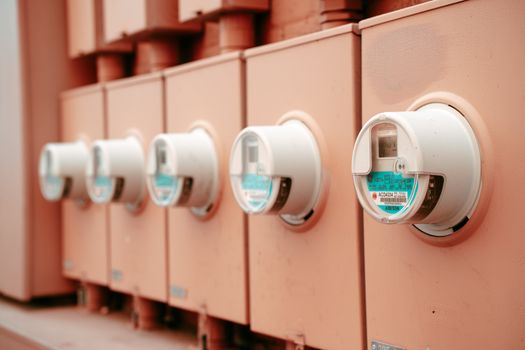
Close-up view of a row of industrial electricity meters for power monitoring and technology. Photo: Connor Scott McManus / Pexels
Deciding to buy home battery storage is a significant investment that requires careful consideration of several key factors to ensure you select the right system for your specific needs and budget. The first and most critical consideration is capacity, measured in kilowatt-hours (kWh). This determines how much energy your battery can store and, consequently, how long it can power your home or essential appliances. To accurately assess your needs, you'll need to evaluate your average daily energy consumption, identify critical loads you want to power during an outage (e.g., refrigerator, lights, medical devices), and determine your desired backup duration. A professional energy audit or consultation with an experienced installer can help you calculate this precisely. Over-sizing your battery can lead to unnecessary costs, while under-sizing could leave you without power when you need it most. Another vital factor is power output, typically measured in kilowatts (kW). This indicates how much electricity the battery can deliver at any given moment. High-power appliances like air conditioners or electric ovens require higher power output. Ensure the battery's power output matches or exceeds the peak demand of the appliances you intend to run simultaneously. For instance, if you want to power your entire home, you'll need a system with higher power output than if you only plan to back up a few essential circuits. Different battery chemistries, primarily Lithium-ion (LiFePO4 being a popular and safer variant) and lead-acid, also come with distinct characteristics regarding lifespan, efficiency, safety, and cost. Lithium-ion batteries generally offer higher energy density, longer cycle life, and greater efficiency, making them the preferred choice for most modern residential applications, despite a higher upfront cost. Integration with existing or planned solar systems is paramount. Most home battery systems are designed to pair seamlessly with solar panels, optimizing energy flow and maximizing self-consumption. It's crucial to confirm compatibility between your solar inverter and the chosen battery system. Some batteries are AC-coupled, meaning they connect to your home's existing electrical panel, while others are DC-coupled, connecting directly to your solar panels via a hybrid inverter. Each configuration has its pros and cons regarding efficiency, installation complexity, and cost. Understanding these technical aspects, or relying on a knowledgeable installer to guide you, is essential. Finally, warranty and manufacturer reputation cannot be overlooked. A robust warranty, typically covering capacity degradation and operational performance for 10-15 years, provides peace of mind. Researching manufacturer reliability and customer support is critical for a long-term investment like home energy storage.

Installation Process and Navigating Incentives to Buy Home Battery Storage
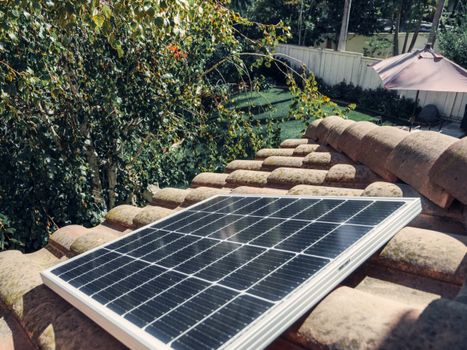
Close-up of a solar panel installed on a tiled roof, capturing clean energy. Photo: Kindel Media / Pexels
Once you've decided to buy home battery storage, understanding the installation process and how to maximize available incentives is crucial for a smooth and cost-effective transition. The installation typically begins with a comprehensive site assessment by a qualified installer. This involves evaluating your home's electrical system, determining the optimal location for the battery (considering factors like temperature, accessibility, and proximity to your electrical panel), and finalizing the system design based on your energy needs. Depending on the system, the installation may involve mounting the battery unit, wiring it into your home's electrical panel, and integrating it with your solar inverter if applicable. This work often requires permits and adherence to local electrical codes, which your chosen installer should manage entirely. It's vital to select an installer with proper licensing, insurance, and a proven track record in residential battery storage installations to ensure safety and compliance. A professional installation guarantees optimal performance and longevity of your system. Navigating the landscape of financial incentives can significantly reduce the upfront cost of your home battery system. The federal Investment Tax Credit (ITC) is arguably the most impactful incentive in the US, offering a 30% tax credit for battery storage systems with a capacity of at least 3 kWh. Importantly, this credit applies whether the battery is installed alongside a new solar system or as a standalone upgrade, provided it is charged by renewable energy at least 75% of the time. This makes the decision to embrace sustainable home energy much more financially viable. Beyond the federal level, many states and even specific utilities offer additional programs. For instance, states like California, New York, and Massachusetts have robust incentive programs (e.g., SGIP in California) that can provide significant rebates or performance-based payments for energy storage installations. These programs are often designed to encourage grid resilience and cleaner energy adoption, and eligibility criteria can vary. Researching state and local incentives requires diligence. Websites of your state's energy office, local utility provider, or reputable solar and storage installers are excellent resources. Some programs might have specific requirements regarding battery chemistry, manufacturing origin, or installer certification. It's also worth investigating if your utility offers specific 'time-of-use' (TOU) rates or 'demand response' programs. These programs incentivize you to use your stored battery power during peak demand periods, potentially earning you credits or reducing your electricity bill further. Your installer should be well-versed in these local opportunities and can guide you through the application processes, helping you maximize your savings and accelerate your return on investment. Understanding and leveraging these incentives is a critical step in making home battery storage an affordable and attractive option for your residence.

Common Mistakes to Avoid When You Buy Home Battery Storage

Top view of batteries on a blue grid design surface with a charger, showcasing organization and technology. Photo: Looking For Feferences / Pexels
Embarking on the journey to buy home battery storage is exciting, but it's crucial to be aware of common pitfalls that can lead to dissatisfaction or unexpected costs. Avoiding these mistakes will ensure a smoother process and a more effective energy solution for your home. One significant error is underestimating your actual energy needs. Many homeowners focus solely on critical loads but later wish they could power more appliances during an outage. A thorough energy audit and a realistic assessment of your lifestyle and desired level of energy independence are essential. Don't just think about emergencies; consider daily optimization if you're pairing with solar. Another mistake is neglecting to properly vet your installer. The quality of installation directly impacts the safety, efficiency, and lifespan of your battery system. Always choose certified, licensed, and insured professionals with a strong local reputation and demonstrable experience in battery storage. Check references and review their previous work. Ignoring compatibility issues can also be a costly oversight. Not all batteries are compatible with all inverters or solar panel systems. An incompatible setup can lead to reduced efficiency, voided warranties, or even safety hazards. Ensure your chosen battery seamlessly integrates with your existing or planned solar infrastructure. Furthermore, failing to account for future energy needs is a common regret. As homes become more electrified (e.g., electric vehicles, heat pumps), your energy consumption might increase. While some systems are modular and expandable, planning for potential future growth can save you from needing a complete system overhaul down the line. Lastly, overlooking the long-term costs beyond the initial purchase price is a mistake. Consider the warranty, expected lifespan, and any potential maintenance requirements of the battery system. While home batteries are generally low-maintenance, understanding the total cost of ownership is vital for a sound financial decision. By being proactive and informed, you can avoid these common errors and ensure your home battery storage system delivers the reliability and savings you anticipate. * **Mistake 1: Underestimating Energy Needs:** Not accurately calculating daily consumption and backup requirements, leading to an undersized or oversized system. * **Mistake 2: Choosing the Wrong Installer:** Opting for unlicensed or inexperienced installers, risking safety issues, improper installation, and voided warranties. * **Mistake 3: Ignoring System Compatibility:** Failing to ensure the battery is compatible with existing solar inverters or home electrical systems. * **Mistake 4: Disregarding Future Growth:** Not considering potential increases in energy demand (e.g., EV charging, new appliances) when sizing the system. * **Mistake 5: Overlooking Long-Term Costs:** Focusing only on upfront price without considering warranty, lifespan, and potential maintenance or replacement costs.

Comparison

FeatureTesla Powerwall 2Enphase IQ Battery 5PGenerac PWRcell
Usable Capacity (kWh)13.5 kWh5.0 kWh (modular)9-18 kWh (modular)
Max Continuous Power (kW)5 kW (off-grid), 7 kW (on-grid)3.84 kW7.6 - 11.4 kW
ChemistryNMC Lithium-ionLFP Lithium-ionLFP Lithium-ion
Warranty10 years, 70% capacity15 years, 70% capacity10 years, 70% capacity
Grid-tied Backup
Modular/ExpandableNo (can add multiple units)
Integrated Inverter✓ (AC-coupled)✓ (Microinverters)✓ (Hybrid inverter)

What Readers Say

"Deciding to buy home battery storage was the best decision for our Texas heat. We paired it with our solar, and now we barely touch the grid. The peace of mind during summer storms is invaluable."

Sarah J. · Austin, TX

"Our Enphase battery system has truly transformed our energy bill. We charge during off-peak hours and use the stored power during expensive peak times. The savings are noticeable every month, making the investment worthwhile."

Mark D. · San Diego, CA

"After experiencing multiple hurricane-related outages, we knew we needed backup. Our new home battery kept our fridge, lights, and WiFi running for two days straight when the grid went down. It's a game-changer for hurricane season."

Emily R. · Orlando, FL

"The installation of our Generac PWRcell was smooth, and the system performs well. I wish the initial cost was a bit lower, but the federal tax credit helped significantly. We're still learning to optimize its usage, but so far, so good."

David K. · Boston, MA

"Living in Arizona with abundant sunshine, having a battery to store our excess solar energy just makes sense. We've achieved near-total energy independence and love monitoring our consumption through the app. Highly recommend for solar homeowners."

Lisa M. · Phoenix, AZ

Frequently Asked Questions

How much does it cost to buy home battery storage in the US?

The cost to buy home battery storage in the US typically ranges from $10,000 to $20,000, including installation, for a standard residential system. This price can vary significantly based on battery capacity, brand, chemistry, and installation complexity. However, federal tax credits (like the 30% ITC) and various state/local incentives can substantially reduce the net cost, making it a more accessible investment for many homeowners.

Are home batteries safe to have in my house?

Modern home batteries, particularly those using Lithium Iron Phosphate (LiFePO4) chemistry, are designed with multiple safety features and undergo rigorous testing to meet stringent safety standards. When installed by certified professionals according to local codes, they are very safe. Proper ventilation and adherence to manufacturer guidelines are key to ensuring safe operation.

How do I determine the right size battery for my home?

To determine the right size, you need to assess your daily energy consumption (from utility bills), identify critical appliances you want to power during an outage, and decide how long you want backup power to last. A professional energy audit or consultation with an experienced installer is the best way to accurately calculate your specific capacity (kWh) and power output (kW) needs for optimal system sizing.

What is the lifespan of a typical home battery?

Most modern home batteries, especially Lithium-ion models, come with warranties guaranteeing performance for 10 to 15 years, often ensuring a certain percentage of original capacity remains. Their actual functional lifespan can extend beyond this, typically ranging from 10 to 20 years, depending on usage patterns, environmental conditions, and charge/discharge cycles.

Is a home battery worth it without solar panels?

While often paired with solar, a home battery can still be worth it without solar panels, particularly if your utility offers time-of-use (TOU) electricity rates. You can charge the battery during cheaper off-peak hours and discharge it during more expensive peak hours, saving money. It also provides valuable backup power during outages, regardless of solar generation.

Who should consider buying home battery storage?

Home battery storage is ideal for homeowners who experience frequent power outages, those with solar panel systems looking to maximize self-consumption and reduce grid reliance, individuals living in areas with high electricity rates or time-of-use billing, and anyone seeking greater energy independence and a reduced carbon footprint. It's also a strong consideration for those planning for future electrification, such as EV charging.

What maintenance do home battery storage systems require?

Modern home battery storage systems are largely maintenance-free. Most units are sealed and require no regular user intervention. However, it's advisable to periodically check for clear ventilation, keep the area around the battery free of obstructions, and ensure the system's monitoring app is functioning correctly. Your installer might recommend occasional professional check-ups, especially after the initial warranty period.

How will home battery technology evolve in the coming years?

Home battery technology is expected to continue evolving rapidly. We anticipate increases in energy density, leading to smaller, more powerful units, and further reductions in cost. Advances in battery chemistry (e.g., solid-state batteries) promise enhanced safety and longer lifespans. Integration with smart home systems will become even more seamless, offering advanced predictive energy management and greater grid interaction capabilities.

Ready to take control of your home's energy future? To buy home battery storage is to invest in resilience, savings, and sustainability. Explore your options today and unlock the benefits of energy independence for your household.

Topics: buy home battery storageresidential energy storagesolar battery costhome power backupenergy independence
Leo List
Brampton weed
Adultwork EstrelaBet Vai de Bet R7 Bet Betão Galera Bet Rainbet Bet9ja Shop SportyBet BetKing Sisal Loto Foot Hollywoodbets YesPlay Odibets RushBet Jugabet BetWarrior BetCity MSport betPawa Fortebet