✓ Windows can account for 25-30% of residential heating and cooling energy loss.
✓ ENERGY STAR certified windows can save homeowners an average of $101-$583 annually.
✓ Tax credits and rebates are often available for installing energy-efficient windows in the US.
✓ Proper installation is as crucial as the window's quality for optimal energy performance.
How It Works
1
Assess Your Needs
Determine your home's climate zone, current window performance, and budget. Consider factors like noise reduction and UV protection.
2
Understand Key Metrics
Familiarize yourself with U-factor, Solar Heat Gain Coefficient (SHGC), Visible Transmittance (VT), and Air Leakage (AL) ratings to compare options effectively.
3
Choose the Right Type
Select window materials (vinyl, wood, fiberglass, aluminum) and glass packages (double-pane, triple-pane, low-e coatings, argon/krypton gas fills) that align with your climate and goals.
4
Professional Installation
Engage certified installers to ensure proper sealing and fit, maximizing your new windows' energy performance and longevity. Get multiple quotes.
Understanding the True Value of Energy-Efficient Windows
Photo: MaLui Yi / Pexels
When you decide to buy energy efficient windows, you're not just purchasing a product; you're investing in your home's future, comfort, and financial well-being. Many homeowners overlook the profound impact their windows have on their energy consumption, indoor climate, and even their property value. In the US, where climate zones range from scorching deserts to freezing tundras, the right windows are paramount to maintaining a comfortable and affordable living environment. Traditional single-pane windows, or even older double-pane units, are notorious for their poor insulation properties. They act as direct conduits for heat transfer, allowing warm air to escape in winter and cool air to leak out in summer. This constant battle against external temperatures forces your HVAC system to work overtime, leading to inflated utility bills and increased wear and tear on your heating and cooling units.
Energy-efficient windows, by contrast, are engineered to minimize this heat transfer. They incorporate advanced technologies such as multiple panes of glass, often filled with inert gases like argon or krypton, and specialized Low-E (low-emissivity) coatings. These features work in tandem to create a formidable barrier against thermal exchange. The result? A home that stays warmer in winter and cooler in summer, with significantly less reliance on artificial heating and cooling. But the benefits extend beyond just energy savings. Improved insulation also leads to a more consistent indoor temperature, eliminating drafts and cold spots near windows, thereby enhancing overall comfort. Furthermore, the specialized glass can reduce outside noise, creating a more peaceful home environment. For those concerned about fading furniture and flooring, Low-E coatings also block harmful UV rays, protecting your interiors from sun damage. This holistic improvement in living conditions makes the initial investment in energy-efficient windows a decision that pays dividends for years to come. Understanding these core benefits is the first step towards making an informed decision when you evaluate your home's energy needs.
Key Metrics and Technologies: What to Look for When You Buy Energy Efficient Windows
Photo: Francesca Cinel / Pexels
Navigating the world of energy-efficient windows requires understanding a few key performance metrics and the technologies behind them. These ratings are standardized by organizations like the National Fenestration Rating Council (NFRC) and help homeowners compare products objectively. The most critical metric is the U-factor, which measures how well a window prevents heat from escaping. A lower U-factor indicates better insulating properties, making it ideal for colder climates. Conversely, the Solar Heat Gain Coefficient (SHGC) measures how much solar radiation passes through a window and is absorbed as heat. A lower SHGC is beneficial in hot climates where minimizing heat gain is crucial, while a higher SHGC might be desired in cold climates to maximize passive solar heating.
Visible Transmittance (VT) measures how much visible light comes through the window, impacting natural light levels and glare. Air Leakage (AL) quantifies how much air infiltrates through the window assembly, with lower numbers indicating better sealing and reduced drafts. Beyond these ratings, several technologies contribute to a window's energy efficiency. Low-E coatings are microscopic, metallic layers applied to the glass that reflect infrared light, keeping heat inside during winter and outside during summer, without significantly impeding visible light. Inert gas fills, such as argon or krypton, are denser than air and are sealed between panes of glass, further improving insulation by slowing heat transfer. Frame materials also play a significant role. Vinyl frames are popular for their excellent insulation, low maintenance, and affordability. Fiberglass offers superior strength, durability, and insulation, while wood frames provide natural beauty and good insulation, though they require more maintenance. Aluminum frames are strong but are poor insulators unless they incorporate thermal breaks. When you're ready to buy energy efficient windows, always look for the ENERGY STAR label, which signifies that the product meets strict energy efficiency guidelines set by the EPA and Department of Energy, ensuring you're getting a high-performing unit for your specific climate zone.
The Installation Imperative: Maximizing Your Investment in Energy-Saving Windows
Photo: Kindel Media / Pexels
The finest energy-efficient windows on the market can underperform if not installed correctly. Poor installation can negate many of the benefits, leading to air leaks, moisture infiltration, and compromised thermal performance. This is why the installation process is just as critical as the window's quality itself when you decide to buy energy efficient windows. A professional, certified installer understands the nuances of proper sealing, flashing, and fitting, ensuring that the window performs to its maximum potential. They will meticulously prepare the opening, ensuring it is plumb, level, and square, which is crucial for the window's operation and energy seal. Incorrect measurements or a hasty installation can lead to gaps that allow conditioned air to escape and unconditioned air to enter, creating drafts and undermining your efforts to save on home energy costs.
Beyond the immediate energy implications, proper installation also safeguards your home against moisture damage. Incorrect flashing or sealing can allow water to penetrate around the window frame, leading to rot, mold growth, and structural issues that can be costly to repair. A professional installer will use appropriate sealants and flashing techniques to create a watertight barrier, protecting your home's integrity. Furthermore, they are typically bonded and insured, providing you with peace of mind in case any issues arise during or after the installation. When selecting an installer, look for companies with a strong track record, positive customer reviews, and certifications from industry organizations. Ask for references and ensure they offer a warranty on their workmanship. While DIY installation might seem like a cost-saving measure, the potential long-term expenses from improper installation often far outweigh any initial savings. Investing in professional installation ensures that your energy-efficient windows deliver on their promise of comfort, savings, and durability for decades to come, truly maximizing the return on your investment.
Common Mistakes to Avoid When You Buy Energy Efficient Windows
Photo: Alex Bian / Pexels
When making a significant home improvement like replacing windows, it's easy to fall into common traps that can diminish your investment's value. Avoiding these pitfalls will ensure you truly benefit when you buy energy efficient windows.
* **Ignoring Climate Zone:** One of the biggest mistakes is choosing windows without considering your specific climate zone. A window ideal for a hot, sunny climate (low SHGC) may not be the best choice for a cold climate where passive solar heat gain (higher SHGC) is desirable in winter. Always check the ENERGY STAR ratings for your specific region.
* **Focusing Solely on Price:** While budget is a factor, opting for the cheapest windows often means sacrificing quality, durability, and long-term energy savings. A slightly higher upfront investment in better materials and glass packages can lead to significantly greater savings over the lifespan of the windows.
* **Neglecting NFRC Ratings:** Don't just rely on marketing claims. Always ask for and understand the National Fenestration Rating Council (NFRC) label, which provides objective, standardized performance data (U-factor, SHGC, VT, AL) for comparing different windows.
* **Overlooking Installation Quality:** As discussed, even the best windows will underperform if installed poorly. Skimping on professional installation can lead to drafts, moisture problems, and reduced efficiency. Always choose a reputable, certified installer with a strong warranty.
* **Not Considering Frame Material:** Different frame materials (vinyl, wood, fiberglass, aluminum) have varying insulating properties, maintenance requirements, and aesthetic appeals. Ensure the chosen material aligns with your home's style, budget, and insulation needs.
* **Forgetting About Warranties:** A comprehensive warranty on both the window product and the installation is crucial. Understand what's covered, for how long, and what might void the warranty. This protects your investment against defects and installation errors.
* **Ignoring Local Rebates and Tax Credits:** Many federal, state, and local programs offer incentives for installing ENERGY STAR certified windows. Failing to research and apply for these can mean missing out on significant savings that reduce your overall cost.
Comparison
Feature
Best Option (Cold Climate)
Best Option (Hot Climate)
Budget-Friendly Option
U-Factor
0.27 or lower
0.30-0.35
0.35-0.40
SHGC
0.40 or higher
0.25 or lower
0.30-0.40
Glass Panes
Triple-Pane (Argon/Krypton)
Double-Pane (Argon, Low-E)
Double-Pane (Air, Basic Low-E)
Low-E Coating
High Solar Gain
Spectrally Selective
Basic Clear
Frame Material
Fiberglass or Wood
Vinyl or Fiberglass
Vinyl
Noise Reduction
Excellent
Good
Fair
Typical Cost (per window)
$700 - $1200+
$500 - $1000
$300 - $600
What Readers Say
★★★★★
"Deciding to buy energy efficient windows was the best decision for our drafty old home. Our energy bills have plummeted, and the house feels so much more comfortable, even during the coldest winter days. I'm especially impressed with the lack of drafts."
Sarah J. · Denver, CO
★★★★★
"We replaced all our windows with low-SHGC energy-efficient models. The difference in our AC usage is incredible; the house stays cooler, and our electricity bill is noticeably lower. Plus, the sun isn't fading our furniture anymore!"
Michael D. · Phoenix, AZ
★★★★★
"After installing new energy-efficient windows, our monthly heating and cooling costs dropped by an average of $80. The process was smooth, and the installers were very professional. It's a significant saving over the year."
Emily R. · Atlanta, GA
★★★★★
"The new windows have made a huge difference in reducing outside noise and keeping our home warmer. While the initial cost was higher than I anticipated, the long-term benefits in comfort and energy savings are clearly worth it. Just wish I had done it sooner."
David L. · Seattle, WA
★★★★★
"As someone with allergies, the improved air sealing from our new energy-efficient windows has been a game-changer. Less dust and allergens entering the home, plus a much more consistent temperature. It's a healthier and more comfortable living space."
Jessica M. · Boston, MA
Frequently Asked Questions
What are the most important factors to consider when I buy energy efficient windows?
The most crucial factors are the U-factor (for insulation), Solar Heat Gain Coefficient (SHGC, for solar heat control), and Air Leakage (AL) ratings. Additionally, consider your climate zone, window frame material, glass package (e.g., Low-E coatings, inert gas fills), and the reputation of the installer.
Are energy-efficient windows really worth the investment?
Yes, absolutely. While the upfront cost can be higher, energy-efficient windows typically pay for themselves over time through significant reductions in heating and cooling costs. They also enhance home comfort, reduce noise, protect interiors from UV damage, and increase property value, making them a worthwhile long-term investment.
How do I find a reputable installer for energy-efficient windows?
Look for installers with strong local reputations, positive customer reviews, and relevant certifications (e.g., from AAMA or NFRC). Get multiple quotes, ask for references, and ensure they provide a comprehensive warranty on both the product and their workmanship. Avoid companies that pressure you into immediate decisions.
What is the typical cost to buy energy efficient windows and have them installed?
The cost can vary widely based on window type, material, glass package, size, and installation complexity. On average, you might expect to pay between $300 to $1,200+ per window, including installation. High-performance custom windows can be even more. It's essential to get detailed quotes from several providers.
How do energy-efficient windows compare to simply adding storm windows?
While storm windows can offer some improvement by creating an additional air barrier, they generally don't match the performance of modern, integrated energy-efficient windows. New windows often feature advanced glass technologies, inert gas fills, and superior frame materials that provide much better insulation, air sealing, and overall thermal performance.
Who should prioritize buying energy-efficient windows?
Homeowners with older, single-pane or inefficient double-pane windows will see the most significant benefits. Also, those experiencing high energy bills, uncomfortable drafts, excessive outside noise, or faded interior furnishings due to UV exposure should prioritize this upgrade. It's a valuable investment for almost any homeowner looking to improve comfort and save money.
Are there any risks associated with installing energy-efficient windows?
The primary risks stem from improper installation, which can lead to air leaks, moisture intrusion, and diminished performance. Choosing an inexperienced or uncertified installer is the biggest risk. Additionally, selecting windows with an SHGC too low for a cold climate might reduce passive solar heating, potentially increasing heating costs.
What future trends should I be aware of when considering energy-efficient windows?
Look out for advancements in smart windows that can dynamically tint or change opacity based on sunlight, further optimizing energy use. Expect continued improvements in vacuum-insulated glazing (VIG) for even higher R-values, and more widespread adoption of sustainable and recycled frame materials. The drive for net-zero homes will continue to push window technology forward.
Ready to transform your home's comfort and significantly reduce your energy bills? Don't wait to buy energy efficient windows. Take the first step today by researching options, understanding the ratings, and connecting with certified professionals to get personalized quotes and start your journey towards a more sustainable and comfortable home.
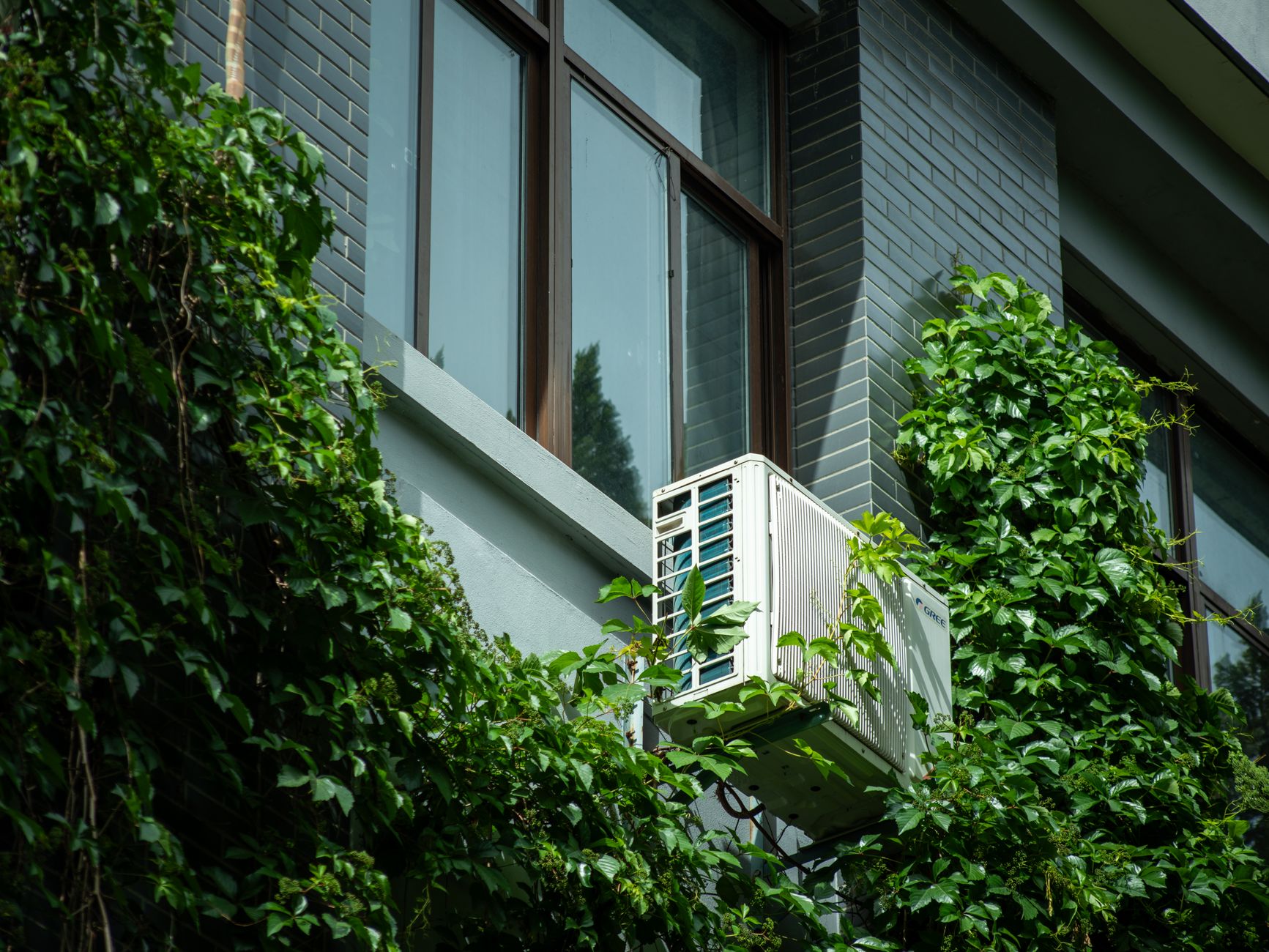
 Photo: MaLui Yi / Pexels
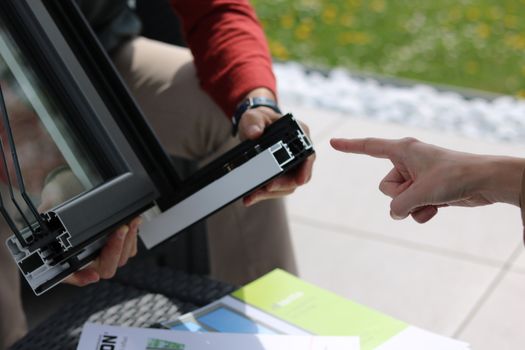 Photo: Francesca Cinel / Pexels
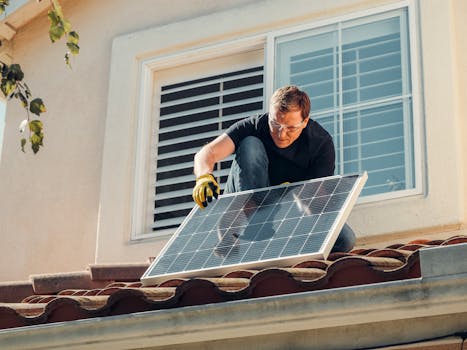 Photo: Kindel Media / Pexels
 Photo: Alex Bian / Pexels