Residential Wind Turbine Price: Your Guide to Home Energy Costs
residential wind turbine price

Residential Wind Turbine Price: Your Guide to Home Energy Costs

Unlock the financial realities and long-term savings of harnessing wind power for your US residence.

Calculate Your Savings

Key Takeaways

  • ✓ The average residential wind turbine system in the US can range from $12,000 to $70,000, before incentives.
  • ✓ System size, wind resource, and installation complexity are primary cost drivers.
  • ✓ Federal tax credits (ITC) and state/local incentives can significantly reduce the net cost.
  • ✓ Payback periods vary, typically between 6 to 15 years, depending on electricity rates and wind availability.

How It Works

1
Assess Your Wind Resource

Professional site assessment determines average wind speeds and potential energy generation. This is crucial for system sizing and predicting performance.

2
Select Turbine & System Components

Based on energy needs and wind data, choose a turbine type (horizontal or vertical axis) and size, along with tower, inverter, and battery storage if desired.

3
Permitting & Installation

Navigate local zoning laws and obtain necessary permits. Certified installers then erect the tower, mount the turbine, and connect it to your home's electrical system.

4
Grid Connection & Operation

After inspection, your system is connected to the utility grid (grid-tied) or operates independently (off-grid). Monitor performance and enjoy clean energy.

Understanding the Core Residential Wind Turbine Price Components

Peaceful countryside with wind turbines during sunset, showcasing sustainable energy. Photo: Pixabay / Pexels
Delving into the residential wind turbine price requires a comprehensive breakdown of its constituent elements. It's not just the turbine itself; a complete system involves several critical components, each contributing significantly to the overall investment. At the heart of it, the turbine unit – comprising the blades, nacelle (housing the generator), and tail vane – typically accounts for a substantial portion of the cost, often between 30% to 50% of the total hardware expense. The size and power output of this unit are directly correlated with its price; a 1 kW turbine designed for supplementary power will naturally be less expensive than a 10 kW turbine aiming for near-total energy independence. However, the turbine is merely the beginning. The tower, which elevates the turbine to optimal wind speeds, is another major cost factor. Tower height, material (lattice vs. monopole), and installation complexity dictate its price. Taller towers generally capture more consistent and stronger winds, leading to higher energy production, but also incur greater material and installation costs. Foundations, engineered to withstand significant wind loads, are equally critical and can add thousands to the project. Beyond the physical structure, the balance of system (BOS) components are essential for converting wind energy into usable electricity for your home. This includes the inverter, which transforms the turbine's direct current (DC) output into alternating current (AC) compatible with your home and the utility grid. Wiring, disconnect switches, grounding equipment, and surge protectors are also part of the BOS, ensuring safe and efficient operation. For those considering energy storage, batteries and a charge controller will further increase the residential wind turbine price, offering resilience during calm periods or power outages. It's crucial to distinguish between the cost of the hardware and the cost of installation. While hardware costs are relatively transparent, installation can vary widely based on site specifics, labor rates in your region, and the complexity of the project. Factors like difficult terrain, the need for heavy machinery, or extensive electrical work can drive up installation expenses. Permitting and interconnection fees, often overlooked, are also mandatory costs. These fees cover local zoning approvals, electrical inspections, and the utility company's charges for connecting your system to the grid. An experienced installer will provide a detailed quote that itemizes these components, offering clarity on where your investment is allocated. Understanding these core components is the first step in accurately estimating the residential wind turbine price for your specific needs and location. For more insights into clean energy solutions, explore sustainable home energy options.

Factors Influencing the Residential Wind Turbine Price Tag
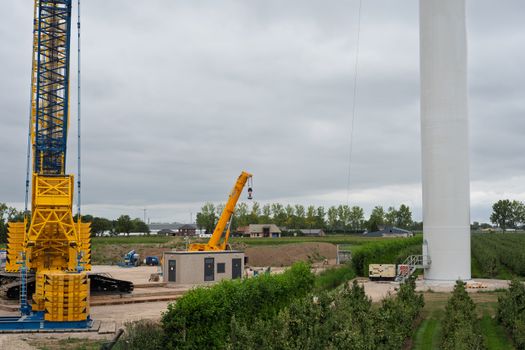
A construction site featuring cranes and a large wind turbine, set in a rural landscape. Photo: Martijn Stoof / Pexels
The variability in residential wind turbine price stems from a multitude of factors, making a one-size-fits-all estimate challenging. One of the most significant determinants is the system's size, measured in kilowatts (kW). Smaller turbines, typically 1 kW to 5 kW, are designed for supplemental power or off-grid applications, while larger systems, ranging from 10 kW to 20 kW or more, aim for substantial or even complete energy independence. As expected, a larger capacity generally translates to a higher upfront cost for the turbine itself and its associated components. However, it's not a linear relationship; economies of scale can sometimes make larger systems more cost-effective per kilowatt. The average wind speed at your specific location is another paramount factor. A site with consistently high wind speeds will allow a smaller, less expensive turbine to generate more electricity, potentially reducing the overall system size needed to meet your energy demands. Conversely, a site with lower average wind speeds might necessitate a larger, more powerful, and thus more expensive turbine to achieve the same energy output. Professional wind resource assessments are indispensable for optimizing this balance. Installation complexity plays a critical role in the final residential wind turbine price. This encompasses everything from site accessibility for equipment and personnel to the type of foundation required and the local labor costs. A property with clear, open space and easy access will incur lower installation expenses compared to a site requiring extensive tree clearing, specialized excavation, or remote access. The choice between a grid-tied system (connected to the utility grid) and an off-grid system (independent, often with battery storage) also impacts costs. Off-grid systems are typically more expensive due to the additional components like batteries, charge controllers, and often a backup generator, but they offer complete energy independence. Furthermore, the quality and brand of the turbine and components can influence the price. Reputable manufacturers with established track records for durability and performance may have higher initial prices but can offer better warranties and long-term reliability, potentially leading to lower maintenance costs and higher energy production over the system's lifespan. Lastly, regional differences in permitting fees, interconnection charges from utility companies, and the availability of qualified installers all contribute to the geographical variation in residential wind turbine price across the US. Understanding these nuances is key to an accurate financial projection for your wind energy investment.

Navigating Incentives and ROI for Your Home Wind System

Wind turbines amidst expansive fields under a clear blue sky, illustrating renewable energy and sustainable farming. Photo: Pixabay / Pexels
While the initial residential wind turbine price might seem substantial, understanding the array of incentives and the potential return on investment (ROI) is crucial for making an informed decision. The most significant federal incentive currently available is the Investment Tax Credit (ITC), often referred to as the solar tax credit, which also applies to qualified small wind energy systems. This credit allows homeowners to deduct a percentage of the cost of installing a renewable energy system from their federal taxes. The percentage can vary, but it has historically been a powerful driver for renewable energy adoption. It's essential to consult with a tax professional to understand the specific eligibility requirements and current credit percentages, as these can change. This federal incentive alone can dramatically reduce the net residential wind turbine price. Beyond federal programs, many states and even local municipalities offer additional incentives. These can include state tax credits, rebates, property tax exemptions for the added value of the system, and sales tax exemptions. Some states also have Renewable Energy Certificate (REC) programs or net metering policies. Net metering allows you to send excess electricity generated by your wind turbine back to the grid, earning credits on your utility bill, which effectively increases your system's financial return. Researching specific incentives available in your US state and county is a vital step in calculating the true cost and potential savings. Websites like the Database of State Incentives for Renewables & Efficiency (DSIRE) are excellent resources for this information. Calculating the ROI for a residential wind turbine involves weighing the upfront costs (after incentives) against the long-term savings on your electricity bills. The payback period, or the time it takes for the savings to equal the initial investment, typically ranges from 6 to 15 years, but this is highly dependent on factors such as your current electricity rates, the amount of electricity your turbine generates, and the specific incentives you receive. Homes in areas with high electricity rates and excellent wind resources will generally see a faster payback. Over the lifespan of a well-maintained turbine (often 20-25 years), the cumulative savings can far exceed the initial investment, providing a significant financial benefit while also contributing to environmental sustainability. Furthermore, owning a wind turbine can hedge against future electricity rate increases, providing long-term energy price stability. For more detailed financial planning, consider consulting with a renewable energy financial specialist or an installer who can provide a detailed ROI analysis tailored to your property. Learn more about the broader benefits of investing in renewable energy.

Common Mistakes to Avoid When Estimating Residential Wind Turbine Price

Wind turbines with dark storm clouds in the background, highlighting renewable energy amid powerful weather conditions. Photo: Expect Best / Pexels
Estimating the residential wind turbine price accurately requires careful consideration and avoiding several common pitfalls. One of the most frequent mistakes is focusing solely on the turbine's purchase price and neglecting the comprehensive 'installed cost.' As discussed, the turbine itself is just one component. Skipping a professional wind resource assessment is another critical error. Without understanding your site's actual wind profile, you risk oversizing or undersizing your system, leading to either unnecessary expense or insufficient energy production. A professional assessment provides data-driven insights essential for proper system design. Another mistake is underestimating the complexity and cost of permitting and interconnection. Local zoning laws vary drastically, and obtaining permits can be a time-consuming and sometimes costly process. Utility interconnection fees, electrical upgrades, and potential engineering studies are also often overlooked, adding unexpected expenses to the residential wind turbine price. Not budgeting for maintenance and potential repairs is also a common oversight. While modern turbines are robust, they require periodic inspections and occasional servicing to ensure optimal performance and longevity. Factor in a small annual budget for these needs. Failing to research and apply for all available incentives can leave significant money on the table. Many homeowners are aware of federal tax credits but might miss state or local rebates, grants, or property tax exemptions that could dramatically reduce the net cost. Always work with an installer who is knowledgeable about local incentive programs. Lastly, choosing the cheapest option without considering quality or installer reputation can lead to long-term headaches. A poorly installed or low-quality system might have lower initial residential wind turbine price, but it could result in frequent breakdowns, lower energy output, and higher repair costs over time. Prioritize reputable manufacturers and certified installers with proven track records. * **Key Mistakes to Avoid:** * Ignoring the 'installed cost' vs. 'turbine cost'. * Skipping a professional wind resource assessment. * Underestimating permitting and interconnection fees. * Not budgeting for ongoing maintenance. * Failing to maximize available incentives. * Prioritizing low upfront cost over system quality and installer reputation. By being diligent in these areas, homeowners can gain a much clearer and more accurate understanding of the true residential wind turbine price and ensure a successful investment in renewable energy.

Comparison

FeatureSmall (1-5 kW)Medium (5-15 kW)Large (15-20+ kW)
Target UseSupplemental power / Off-gridSignificant home power / Grid-tiedNear-total energy independence
Typical Cost Range (Installed, pre-incentives)$12,000 - $35,000$30,000 - $60,000$50,000 - $70,000+
Tower Height (Average)30-80 ft60-120 ft80-140 ft
Space RequirementModerateSubstantialLarge
Permitting ComplexityModerateHighVery High
ROI PotentialGood (especially off-grid)Excellent (grid-tied savings)Very Good (long-term independence)

What Readers Say

"The residential wind turbine price was a big initial hurdle, but with the federal tax credit and state incentives, it became much more manageable. Our 5kW system now covers about 70% of our energy needs, and we're seeing real savings."

Sarah J. · Boulder, CO

"We live off-grid, and the investment in our wind turbine was essential. The residential wind turbine price was higher for an off-grid setup with batteries, but the peace of mind and constant power are invaluable. No more generator noise!"

Mark D. · Rural Iowa

"After installing our 10kW turbine, our average monthly electricity bill dropped from $180 to about $30. The initial residential wind turbine price was a lump sum, but the financial returns are already evident, and it feels great to be green."

Emily R. · Upstate NY

"The wind turbine price was a significant investment, and the permitting process was a bit of a maze. However, our installer guided us through it, and now we're generating clean power. I wish I'd known more about the specific local regulations beforehand."

David L. · Central Texas

"Our farm needed a reliable, independent power source, and the residential wind turbine was the perfect fit. The price included a robust system that handles our agricultural needs, and the consistency of wind here makes it a fantastic ROI."

Jessica M. · Coastal Oregon

Frequently Asked Questions

What is the average residential wind turbine price in the US?

The average residential wind turbine price in the US for a fully installed system typically ranges from $12,000 for smaller 1kW units to over $70,000 for larger 20kW systems, before considering any tax credits or incentives. This cost includes the turbine, tower, inverter, installation, and permitting.

Are residential wind turbines noisy?

Modern residential wind turbines are significantly quieter than older models. While some low-level aerodynamic noise can be present, especially in high winds, most well-sited and properly installed small turbines are generally comparable to background ambient noise levels and typically not a significant disturbance to homeowners or neighbors.

How do I determine if my property is suitable for a wind turbine?

To determine suitability, you'll need a professional wind resource assessment. This involves evaluating your property's average wind speed, identifying potential obstructions like trees or buildings, and assessing local zoning regulations. A qualified installer can perform this crucial initial step.

What is the return on investment (ROI) for a residential wind turbine?

The ROI for a residential wind turbine varies widely, but typical payback periods range from 6 to 15 years. Factors influencing ROI include the upfront cost (after incentives), your local electricity rates, the amount of wind at your site, and the system's efficiency. Higher electricity rates and consistent wind generally lead to faster paybacks.

How does the residential wind turbine price compare to solar panel costs?

Generally, the upfront residential wind turbine price per kilowatt of installed capacity tends to be higher than that of solar panels. However, wind turbines can often generate electricity for more hours in a day and night, potentially offering a more consistent energy output in suitable locations. Both systems benefit from similar federal tax credits.

Who should consider investing in a residential wind turbine?

Homeowners with properties that have consistent, unobstructed wind resources, high electricity bills, and a desire for energy independence or reduced carbon footprint are ideal candidates. Those in rural areas with favorable zoning and sufficient land often find wind power particularly advantageous.

Are residential wind turbines safe?

When installed by certified professionals according to manufacturer guidelines and local building codes, residential wind turbines are very safe. They are designed with safety features like automatic shutdowns for high winds and overspeed protection. Proper siting away from structures and public areas is key to safety.

What are the future trends for residential wind turbine price and technology?

Future trends indicate a gradual decrease in residential wind turbine price due to manufacturing advancements and increased competition. Technology is evolving towards more efficient blade designs, quieter operation, and smarter grid integration, making wind power more accessible and appealing for homeowners.

Understanding the residential wind turbine price is the first step towards energy independence. Evaluate your wind resource, explore incentives, and connect with certified installers to bring clean, reliable wind power to your US home.

Topics: residential wind turbine pricehome wind power costsmall wind turbine installationwind energy for homeswind turbine ROI
Leo List
Brampton weed
Adultwork EstrelaBet Vai de Bet R7 Bet Betão Galera Bet Rainbet Bet9ja Shop SportyBet BetKing Sisal Loto Foot Hollywoodbets YesPlay Odibets RushBet Jugabet BetWarrior BetCity MSport betPawa Fortebet