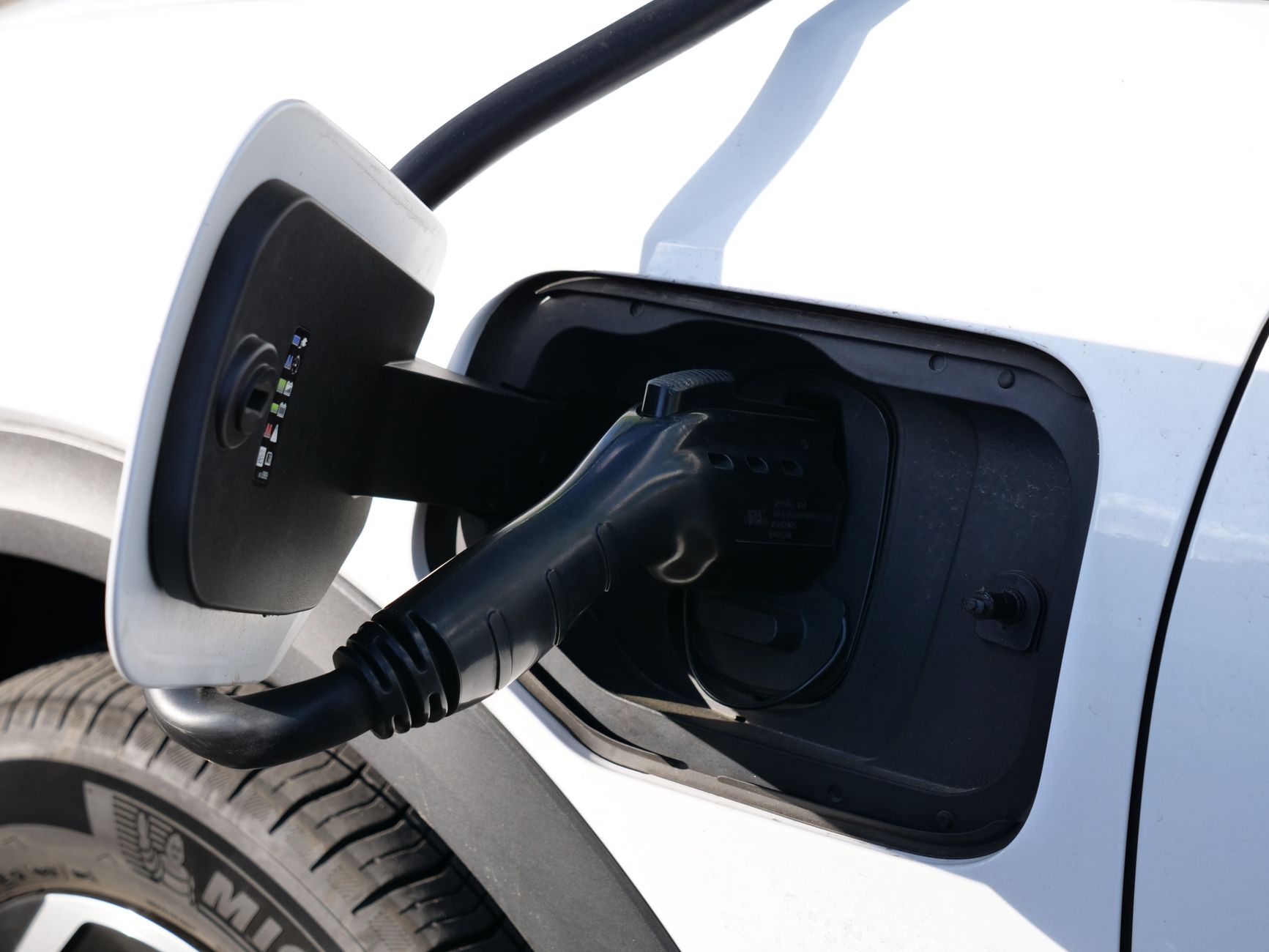
How to Buy Electric Car Charger: Your Ultimate Guide
buy electric car charger

How to Buy Electric Car Charger: Your Ultimate Guide

Unlock the convenience of home EV charging with our expert insights, ensuring you make the best choice for your electric vehicle.

Find Your Perfect Charger

Key Takeaways

  • ✓ Over 80% of EV charging happens at home.
  • ✓ Level 2 chargers are the most common and recommended for residential use.
  • ✓ Installation costs can vary significantly based on electrical panel capacity.
  • ✓ Federal and state incentives can substantially reduce the overall cost.
  • ✓ Future-proofing your charger for higher power and smart features is wise.

How It Works

1
Assess Your Needs

Determine your EV's charging speed requirements, daily mileage, and available electrical capacity at home. This forms the foundation for your charger choice.

2
Choose Charger Type

Select between Level 1 (slow, standard outlet) and Level 2 (faster, dedicated circuit) chargers. Level 2 is generally preferred for its efficiency and convenience.

3
Professional Installation

Hire a certified electrician to install your Level 2 charger, ensuring safety and compliance with local codes. They will assess your home's electrical system.

4
Enjoy Convenient Charging

Plug in your EV at home and wake up to a full charge every day. Utilize smart features for scheduling and monitoring your charging sessions.

Understanding Your Options When You Buy Electric Car Charger
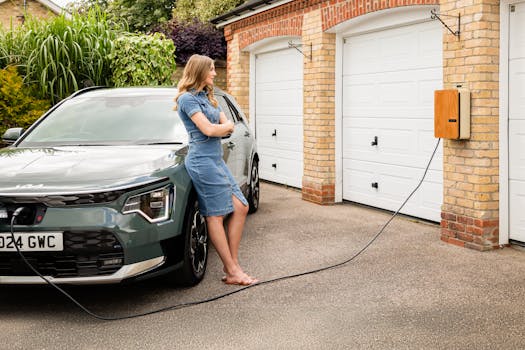
Woman charging electric vehicle at home with a modern wall-mounted charging station. Photo: Andersen EV / Pexels
Deciding to buy electric car charger for your home is a significant step towards maximizing the convenience and cost-effectiveness of owning an electric vehicle. The market, however, is flush with options, which can feel overwhelming. To make an informed decision, it's crucial to understand the different types of chargers available and what each entails. Primarily, residential charging falls into two categories: Level 1 and Level 2. Level 1 charging utilizes a standard 120-volt AC outlet, the same kind you use for household appliances. Every electric vehicle comes with a Level 1 charging cord that plugs directly into a standard wall socket. This method is incredibly simple and requires no special installation. However, it's also the slowest. A Level 1 charger typically adds about 2-5 miles of range per hour of charging. For someone with a short daily commute and plenty of overnight charging time, Level 1 might suffice. It's often seen as a backup or supplementary charging solution rather than a primary one, especially for EVs with larger battery capacities. Imagine needing to charge a 60 kWh battery from empty; it could take well over 24 hours with Level 1, which isn't practical for most drivers. Level 2 charging, on the other hand, is the gold standard for home EV charging. These chargers operate on a 240-volt AC circuit, similar to what powers a clothes dryer or electric oven. This higher voltage allows for significantly faster charging speeds, typically delivering 20-60 miles of range per hour, depending on the charger's amperage and your vehicle's acceptance rate. Most homeowners opt for a Level 2 charger because it can fully recharge an EV overnight, even one with a substantial battery. The convenience of waking up to a full 'tank' every morning cannot be overstated. When you buy electric car charger that is Level 2, you're investing in daily convenience and peace of mind. Beyond the basic levels, you'll encounter various features. Some chargers are 'smart,' meaning they can connect to your home Wi-Fi network. This allows for scheduled charging (to take advantage of off-peak electricity rates), remote monitoring, and integration with home energy management systems. Other features include variable amperage settings, which can be useful if your home's electrical panel has limited capacity, or if you want to future-proof your charger for a new EV with different charging needs. Cable length is another practical consideration; ensure it's long enough to reach your car comfortably from the charging unit's location. The physical design, durability (especially for outdoor installation), and safety certifications are also critical. Understanding these distinctions will empower you to choose a charger that perfectly aligns with your lifestyle and your electric vehicle's demands. For more detailed information on maximizing your home's energy efficiency, explore our guide to smart home energy solutions.

Key Factors to Consider Before You Buy Electric Car Charger
Array of outdoor electric meters on a brick wall with vines. Photo: Tim Mossholder / Pexels
Before you commit to a specific model and buy electric car charger, several critical factors warrant careful consideration. These elements will not only dictate the suitability of the charger for your needs but also influence the overall cost and installation process. Ignoring them can lead to frustration, unexpected expenses, or an inefficient charging setup. First and foremost, your electric vehicle's charging capabilities are paramount. Not all EVs charge at the same speed, even with a powerful Level 2 charger. Your car has an onboard charger that dictates the maximum AC charging rate it can accept. For example, if your EV can only accept 7.2 kW, installing an 11.5 kW (48-amp) charger won't make it charge any faster; it will simply draw the maximum it can. Check your vehicle's specifications to understand its maximum AC charging input. This will help you select a charger that matches your car's capacity without overspending on unnecessary power. Secondly, your home's electrical panel capacity is a major determinant. Level 2 chargers require a dedicated 240-volt circuit. The amperage of this circuit can range from 20 amps (delivering about 3.8 kW) to 80 amps (delivering 19.2 kW, though 40-60 amp chargers are most common for residential use). Installing a higher amperage charger requires a corresponding circuit breaker and wiring, which might necessitate an upgrade to your existing electrical panel if it's already at its limit. An electrician will perform a load calculation to determine if your panel can safely support the additional load of an EV charger. This assessment is non-negotiable and often the first step in the installation process. If a panel upgrade is needed, it will add to the overall cost and complexity. Thirdly, consider the installation location. Will the charger be indoors (e.g., in a garage) or outdoors? If outdoors, you'll need a weather-rated (NEMA-rated) charger designed to withstand rain, snow, and extreme temperatures. The proximity of the charger to your electrical panel also impacts installation costs, as longer runs of heavy-gauge wire are more expensive. Think about where you typically park your EV and ensure the charger cable will comfortably reach the charging port without tension or obstruction. Finally, don't overlook smart features and future-proofing. Smart chargers offer functionalities like Wi-Fi connectivity, app control, scheduled charging, and integration with utility demand response programs. These features can help you save money by charging during off-peak hours when electricity rates are lower. Furthermore, while your current EV might have a certain charging capacity, consider if a future EV might benefit from a higher amperage charger. Investing in a slightly more powerful charger now (e.g., a 48-amp unit) could save you from needing an upgrade down the line if your next vehicle can accept more power. Balancing your current needs with potential future requirements is a smart strategy when you buy electric car charger.

Installation Process and Costs When You Buy Electric Car Charger
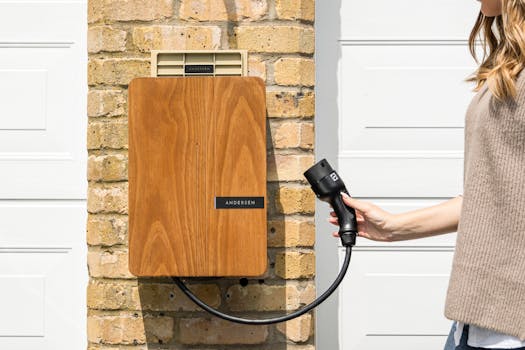
Wooden EV home charger installed on a brick wall for sustainable transportation. Photo: Andersen EV / Pexels
Once you've decided to buy electric car charger and selected a model, the next crucial step is professional installation. This is not a DIY project for most homeowners, especially for Level 2 chargers, due to the high voltage and amperage involved. Hiring a licensed and experienced electrician is paramount for safety, compliance with local electrical codes, and ensuring optimal performance of your charging station. An electrician's first task will be to conduct a thorough site visit and electrical assessment. This involves evaluating your home's existing electrical panel, identifying available circuit breaker space, and performing a load calculation to determine if your home can safely accommodate the additional power draw of a Level 2 charger. They will also assess the best location for the charger, considering proximity to your parking spot and the electrical panel, as well as whether it needs to be weather-rated. If your electrical panel lacks sufficient capacity, the electrician will discuss options for an upgrade, which could involve installing a sub-panel or a full main panel upgrade. This is often the most variable and potentially expensive part of the installation process. The actual installation involves running new wiring from your electrical panel to the chosen charger location, installing a dedicated 240-volt circuit breaker, mounting the charging unit, and connecting it to the new wiring. The electrician will then test the unit to ensure it's functioning correctly and safely. Depending on the complexity, this process can take anywhere from a few hours to a full day. Factors influencing labor costs include the distance between the panel and the charger, the need to run conduit through walls or attics, and any necessary panel upgrades. Regarding costs, there are typically three main components: the charger unit itself, the electrical installation labor, and materials. Level 2 chargers generally range from $300 to $1,000, with smart features and higher power output often correlating with higher prices. Installation costs are more variable, ranging from $500 to $2,000 or more, particularly if a panel upgrade is required. The national average for Level 2 EV charger installation in the US typically falls between $800 and $1,800, but this can fluctuate widely based on regional labor rates and the specifics of your home's electrical system. It's important to research federal, state, and local incentives that can significantly offset these costs. The federal government offers a tax credit for alternative fuel vehicle refueling property, which can cover a percentage of both the charger and installation costs. Many states and utility companies also offer rebates or incentives. For example, some utilities provide rebates for purchasing smart chargers or participating in off-peak charging programs. Always check what's available in your specific area before you buy electric car charger and schedule installation to maximize your savings. For more insights on maximizing your energy savings, check out our guide on understanding energy consumption.

Common Mistakes to Avoid When You Buy Electric Car Charger
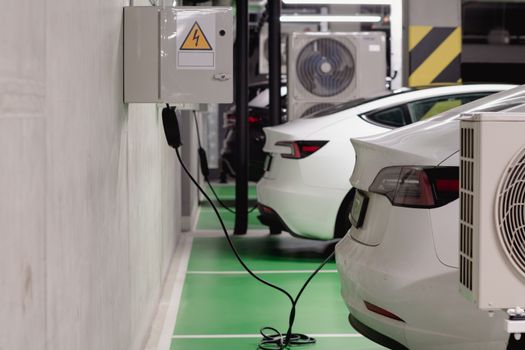
Electric vehicles charging at an indoor station in a modern underground garage. Photo: Jakub Zerdzicki / Pexels
Navigating the process to buy electric car charger can be straightforward if you're well-informed, but there are several common pitfalls that homeowners frequently encounter. Avoiding these mistakes can save you time, money, and frustration. One of the most frequent errors is underestimating your home's electrical capacity. Many older homes, or even newer ones without high-demand appliances, may have electrical panels that are already near their maximum capacity. Trying to install a powerful Level 2 charger without a proper load calculation by a qualified electrician can lead to tripped breakers, potential fire hazards, or the need for a costly emergency panel upgrade mid-installation. Always prioritize the electrical assessment before purchasing the charger. Another mistake is buying a charger that doesn't match your EV's maximum AC charging rate. As mentioned earlier, if your car can only accept 7.2 kW, installing an 11.5 kW charger won't provide faster charging. You'll have paid extra for a capability your car can't utilize. Conversely, buying a charger that is too low powered (e.g., a 16-amp charger for a car that can accept 48 amps) might leave you wishing for faster charging speeds, especially if your daily driving increases. Ignoring future needs is another common oversight. While your current EV might be perfectly served by a 32-amp charger, your next vehicle might have a larger battery and accept faster charging. If you plan to keep your home for many years, investing in a slightly more robust charger (e.g., 40-48 amps) now could prevent the need for another installation later. This is often referred to as 'future-proofing' your charging infrastructure. Failing to consider the charger's physical location and cable length can also cause headaches. Imagine buying a beautiful charger only to realize the cable is too short to reach your car's charging port without parking awkwardly, or that it's exposed to harsh weather conditions it wasn't designed for. Measure distances, consider weather exposure, and plan the installation location meticulously. Finally, overlooking available incentives is a costly mistake. Many homeowners pay full price for chargers and installations without realizing that federal tax credits, state rebates, or utility company programs could significantly reduce their out-of-pocket expenses. Always research and apply for any eligible incentives before or immediately after your purchase and installation. Key Mistakes to Avoid: * **Not getting an electrical assessment first:** Always consult an electrician to confirm panel capacity. * **Mismatched charger power:** Ensure the charger's amperage aligns with your EV's maximum AC charging rate. * **Ignoring future EV needs:** Consider a slightly more powerful charger for future-proofing. * **Poor placement planning:** Account for cable length, weather, and parking habits. * **Missing out on incentives:** Research and apply for all available federal, state, and local rebates/tax credits. * **DIY Level 2 installation:** Always hire a licensed professional for safety and compliance. By being aware of these common pitfalls, you can navigate the process to buy electric car charger with confidence and ensure a smooth, efficient, and cost-effective home charging setup.

Comparison

FeatureLevel 2 (Recommended)Level 1 (Basic)DC Fast Charge (Public)
Voltage240V AC120V AC400-900V DC
Charging Speed (miles/hr)20-602-5100-1000+
InstallationProfessional electricianPlug-and-playCommercial/Complex
Cost (Charger Unit)$300 - $1,000$0 (comes with EV)$10,000 - $100,000+
Typical LocationHome garage/drivewayAny standard outletPublic stations
Smart Features✓ (Optional)✓ (Typically integrated)
Panel Upgrade Potential

What Readers Say

"Deciding to buy electric car charger for my Tesla Model 3 was a game-changer. I went with a Wall Connector, and the installation was smooth. Now I never worry about range anxiety and always start my day with a full battery."

Sarah J. · Austin, TX

"After researching options to buy electric car charger, I chose a JuiceBox 40. The smart features are fantastic, letting me schedule charging during off-peak hours, saving me money. The convenience is truly worth the investment."

Mark D. · Seattle, WA

"Our electrician helped us choose the ChargePoint Home Flex when we decided to buy electric car charger for our new Hyundai Ioniq 5. We had to upgrade our panel, but now we get a full charge in about 6 hours, which is perfect for our daily commute."

Emily R. · Denver, CO

"I was hesitant to buy electric car charger at first, thinking Level 1 would be enough. But after a few weeks, I realized I needed faster charging. Upgrading to a Level 2 unit was the right move, though I wish I'd done it from the start to save on the extra installation trip."

David L. · Miami, FL

"As a busy professional, the decision to buy electric car charger for my garage was purely about convenience. My Enel X Way JuiceBox has been flawless, providing reliable, fast charging every night. It integrates seamlessly with my smart home system too."

Jessica M. · Chicago, IL

Frequently Asked Questions

What's the best type of electric car charger to buy for home use?

For most homeowners, a Level 2 (240-volt) charger is the best option. It offers a significant speed increase over Level 1 charging, allowing you to fully recharge your electric vehicle overnight, even with larger battery capacities. Look for chargers with 32 to 48 amps for optimal performance and future-proofing.

Is it expensive to install an electric car charger at home?

The cost can vary, but generally ranges from $800 to $2,000 for a Level 2 charger and its installation. This includes the charger unit itself ($300-$1,000) and electrician labor ($500-$1,000+). Factors like your home's electrical panel capacity and the distance to the charger location can influence the final price. Don't forget to check for available tax credits and rebates!

Do I need a special permit to install an EV charger?

Yes, in most jurisdictions in the US, installing a Level 2 EV charger requires an electrical permit. This ensures the installation complies with local building codes and safety standards. A licensed electrician will typically handle the permit application process as part of their service, so always ensure your chosen professional is knowledgeable about local requirements.

How much does it cost to charge an electric car at home?

The cost depends on your electricity rates and your car's efficiency. In the US, the average electricity rate is about $0.16 per kWh. If your EV consumes 0.3 kWh per mile and you drive 1,000 miles a month, it would cost approximately $48 to charge at home. Using smart charging features to charge during off-peak hours can often reduce this cost further.

Should I buy a smart EV charger or a basic one?

A smart EV charger, which connects to Wi-Fi and offers app control, is generally recommended. While slightly more expensive upfront, features like scheduled charging (for off-peak rates), remote monitoring, and energy usage tracking can lead to long-term savings and greater convenience. They also often qualify for utility rebates, making the added cost negligible.

Who should buy electric car charger for their home?

Anyone who owns an electric vehicle and has a consistent parking spot at home should strongly consider buying and installing an electric car charger. It provides unparalleled convenience, cost savings compared to public charging, and ensures you always start your day with a full charge, eliminating range anxiety for daily commutes and errands.

Are home EV chargers safe?

Yes, when installed by a licensed and certified electrician according to all local electrical codes, home EV chargers are very safe. They are designed with multiple safety features, including ground fault protection and overcurrent protection. Always ensure your chosen charger is UL listed or has similar safety certifications.

What are future trends for home electric car chargers?

Future trends include bi-directional charging (Vehicle-to-Grid/Home) allowing your EV to power your home or send energy back to the grid, greater integration with smart home energy management systems, and enhanced AI-driven scheduling to optimize charging based on grid demand and renewable energy availability. Chargers will become even more integral to home energy ecosystems.

Ready to embrace the ultimate convenience of home charging? Use this guide to confidently buy electric car charger that perfectly fits your needs and budget. Invest in your electric future today!

Topics: buy electric car chargerhome EV charging stationelectric vehicle charging solutionslevel 2 charger installationEV charger cost
Leo List
Brampton weed
Adultwork EstrelaBet Vai de Bet R7 Bet Betão Galera Bet Rainbet Bet9ja Shop SportyBet BetKing Sisal Loto Foot Hollywoodbets YesPlay Odibets RushBet Jugabet BetWarrior BetCity MSport betPawa Fortebet