✓ Biomass is organic material from plants and animals used for energy.
✓ It's a renewable energy source, unlike fossil fuels, as it can be replenished.
✓ Common biomass feedstocks include agricultural waste, forest residues, and energy crops.
✓ Biomass energy production can reduce landfill waste and greenhouse gas emissions.
How It Works
1
Feedstock Collection & Pre-treatment
Organic materials are gathered from various sources, then processed to improve their energy density and suitability for conversion. This often involves drying, chipping, or densification into pellets.
2
Conversion Technologies
The pre-treated biomass undergoes thermochemical or biochemical conversion. Thermochemical methods include combustion, gasification, and pyrolysis, while biochemical methods involve anaerobic digestion and fermentation.
3
Energy Generation
Converted biomass products (heat, syngas, biogas, biofuels) are then used to generate electricity, produce heat, or power vehicles. This often occurs in power plants, boilers, or internal combustion engines.
4
Energy Distribution & Utilization
The generated energy is distributed to homes, industries, or transportation networks. Excess heat or byproducts like biochar can also be utilized, enhancing overall system efficiency.
Understanding the Fundamentals of Biomass Feedstocks and Their Preparation
Photo: Serhii Barkanov / Pexels
The journey of biomass energy production begins long before any fuel is combusted or gasified; it starts with the careful selection and meticulous preparation of feedstocks. Biomass, by definition, encompasses a vast array of organic materials derived from plants and animals. In the United States, common sources include agricultural residues such as corn stover, wheat straw, and bagasse (from sugar cane); forest residues like logging debris, thinnings, and sawmill waste; municipal solid waste (MSW) organic components; and dedicated energy crops such as switchgrass, miscanthus, and fast-growing trees like willow and poplar. Each feedstock possesses unique characteristics, including moisture content, energy density, ash content, and chemical composition, all of which significantly influence its suitability for different conversion technologies and the overall efficiency of the energy production process.
Collecting these diverse feedstocks often involves sophisticated logistics. For agricultural residues, this might mean baling and transporting materials after harvest. Forest residues require specialized equipment for chipping and hauling. Dedicated energy crops are cultivated specifically for energy purposes, often on marginal lands, and harvested in a manner optimized for biomass production. Once collected, raw biomass typically requires some form of pre-treatment to enhance its energy characteristics and prepare it for efficient conversion. This pre-treatment phase is critical because raw biomass can be bulky, wet, and inconsistent in quality, making it difficult and expensive to transport, store, and process. Common pre-treatment methods include drying to reduce moisture content, which improves heating value and combustion efficiency; grinding or chipping to reduce particle size, making it easier to handle and convert; and densification, where biomass is compressed into pellets or briquettes. Pellets, for instance, have a much higher energy density than raw wood chips, making them more economical to transport over long distances and more consistent in combustion. Torrefaction, a mild pyrolysis process, can also be used to create a coal-like material that is hydrophobic and has a higher energy density, further improving its storage and handling properties. The choice of pre-treatment depends on the specific feedstock, the intended conversion technology, and economic considerations. An efficient pre-treatment strategy is vital for optimizing the entire biomass energy production process, reducing operational costs, and maximizing energy yield. Without proper preparation, even the most abundant biomass source can become an uneconomical energy option. The ongoing research in this area focuses on developing more energy-efficient and cost-effective pre-treatment technologies to unlock the full potential of various biomass resources.
Exploring Thermochemical Conversion Pathways for Bioenergy
Photo: Tom Fisk / Pexels
Thermochemical conversion represents a cornerstone of the biomass energy production process, transforming organic matter into usable energy through the application of heat. These methods are particularly effective for dry biomass and offer a range of products including heat, electricity, and liquid or gaseous fuels. The three primary thermochemical pathways are combustion, gasification, and pyrolysis, each with distinct mechanisms and outputs.
Combustion, the most straightforward and widely adopted method, involves burning biomass directly in the presence of excess air to produce heat. This heat is then used to generate steam, which drives a turbine to produce electricity, or it can be used directly for industrial processes or district heating. While relatively simple and mature, direct combustion can be associated with air emissions if not properly controlled, and its efficiency is highly dependent on the moisture content and composition of the biomass. Modern combustion facilities incorporate advanced emission control technologies to mitigate environmental impacts.
Gasification, on the other hand, is a partial oxidation process where biomass is heated in a controlled amount of oxygen (less than required for complete combustion) to produce a combustible gas mixture known as syngas (synthesis gas). Syngas is primarily composed of carbon monoxide, hydrogen, and methane, and can be used in gas engines or turbines for electricity generation, or further processed to produce liquid fuels (e.g., Fischer-Tropsch diesel) or chemicals. Gasification offers higher electrical conversion efficiencies compared to direct combustion and can produce a cleaner burning fuel. However, the technology is more complex, and the syngas often requires cleaning to remove impurities before use. Different types of gasifiers (e.g., fixed-bed, fluidized-bed) are chosen based on feedstock characteristics and desired syngas quality.
Pyrolysis involves heating biomass in the complete absence of oxygen at high temperatures. This process breaks down the organic material into a liquid called bio-oil (or pyrolysis oil), char (a solid residue similar to charcoal), and non-condensable gases. Fast pyrolysis, characterized by rapid heating and cooling, maximizes bio-oil production, which can be upgraded into transportation fuels or used in industrial boilers. Slow pyrolysis, in contrast, prioritizes char production, which has applications as a soil amendment (biochar) or solid fuel. Bio-oil is a complex mixture and typically requires significant upgrading to be used as a drop-in fuel, but it offers a high energy density liquid product from solid biomass. Each thermochemical pathway has its advantages and disadvantages regarding feedstock flexibility, product versatility, and technological maturity, making the choice dependent on specific energy needs and economic viability. Advancements in these technologies continue to improve efficiency and reduce environmental footprints.
Biochemical Routes: Anaerobic Digestion and Fermentation in Bioenergy
Photo: Tom Fisk / Pexels
Beyond thermochemical approaches, biochemical conversion pathways offer a distinct and equally vital component of the biomass energy production process, particularly for wet organic materials. These methods harness the power of microorganisms to break down biomass, producing energy-rich gases and liquids. The two primary biochemical routes are anaerobic digestion and fermentation, each playing a crucial role in leveraging different types of biomass.
Anaerobic digestion is a natural biological process where microorganisms decompose organic matter in the absence of oxygen. This process yields biogas, a mixture predominantly composed of methane (50-75%) and carbon dioxide, along with digestate, a nutrient-rich slurry that can be used as a fertilizer. Common feedstocks for anaerobic digestion include animal manures, wastewater sludge, food waste, and certain energy crops. The methane in biogas can be directly combusted to generate electricity and heat in combined heat and power (CHP) units, or it can be upgraded to biomethane (renewable natural gas) by removing CO2 and other impurities. This biomethane is pipeline-quality and can be injected into natural gas grids or used as a vehicle fuel. Anaerobic digestion not only produces renewable energy but also offers significant environmental benefits by reducing methane emissions from landfills and agricultural waste, managing waste streams, and producing a valuable soil amendment. The process typically occurs in large, sealed reactors called digesters, which are carefully controlled for temperature, pH, and mixing to optimize microbial activity and biogas yield. The digestate byproduct contributes to circular economy principles by returning nutrients to the soil, reducing the need for synthetic fertilizers. Sustainable power generation often integrates this process for waste management and resource recovery.
Fermentation, on the other hand, is a metabolic process that converts carbohydrates into alcohols (primarily ethanol) or organic acids using microorganisms like yeast or bacteria. This process is most famously used to produce bioethanol from sugary or starchy biomass feedstocks such as corn, sugarcane, and cellulosic materials. The first generation of bioethanol production primarily utilizes food crops, raising concerns about food-versus-fuel debates. However, significant research and development are focused on cellulosic ethanol production, which utilizes non-food biomass like agricultural residues, forest waste, and dedicated energy crops. This second-generation approach involves pre-treatment steps to break down complex cellulose and hemicellulose into fermentable sugars, followed by fermentation and distillation to recover the ethanol. Bioethanol can be blended with gasoline to reduce reliance on fossil fuels and lower greenhouse gas emissions from transportation. While the infrastructure for ethanol production and use is well-established, challenges remain in making cellulosic ethanol economically competitive and scaling up production. Both anaerobic digestion and fermentation exemplify the power of biological processes in converting diverse organic feedstocks into valuable energy carriers, contributing significantly to a diversified and sustainable energy portfolio.
Optimizing Biomass Energy: Efficiency, Environmental Impact, and Future Trends
Photo: Serhii Barkanov / Pexels
Optimizing the biomass energy production process involves a multifaceted approach, considering not only technological advancements but also environmental stewardship and economic viability. Efficiency improvements are constantly sought across all stages, from feedstock cultivation and harvesting to conversion and end-use. For instance, developing energy crops with higher yields and lower input requirements can significantly boost the overall energy return on investment. Similarly, refining pre-treatment methods to be less energy-intensive and more effective directly impacts the efficiency of subsequent conversion steps. In thermochemical processes, advancements in gasifier and combustor designs aim to increase conversion efficiency, reduce emissions, and handle a wider range of feedstocks. For biochemical routes, optimizing microbial strains and reactor designs can lead to higher biogas or biofuel yields and faster processing times.
Environmental impact is a critical consideration for biomass energy. While often touted as carbon-neutral, the sustainability of biomass energy depends heavily on how feedstocks are sourced and processed. Responsible forest management, sustainable agricultural practices, and efficient waste utilization are paramount to ensuring that biomass energy contributes to net greenhouse gas reductions and does not lead to deforestation or soil degradation. Life cycle assessments (LCAs) are essential tools for evaluating the full environmental footprint, from cultivation to consumption, including emissions from transportation, processing, and land-use changes. Modern biomass facilities are also investing in advanced emission control technologies to minimize air pollutants such as particulate matter, nitrogen oxides, and sulfur dioxide. The co-location of biomass power plants with industrial facilities that can utilize waste heat (Combined Heat and Power - CHP) significantly boosts overall energy efficiency and reduces thermal pollution.
Looking ahead, several future trends are shaping the landscape of biomass energy. The development of advanced biofuels, such as bio-jet fuel and bio-diesel from non-food sources, is gaining momentum, offering decarbonization pathways for hard-to-abate sectors like aviation and heavy-duty transport. Carbon Capture, Utilization, and Storage (CCUS) integrated with biomass power generation (BECCS - Bioenergy with Carbon Capture and Storage) holds promise for achieving net-negative emissions, effectively removing CO2 from the atmosphere. Furthermore, the concept of biorefineries, which produce multiple products (fuels, chemicals, materials) from biomass, analogous to petroleum refineries, is a significant trend. These integrated facilities aim to maximize the value extracted from every component of the biomass feedstock, enhancing economic competitiveness and resource efficiency. Policy support, research funding, and public acceptance will be crucial in realizing the full potential of biomass as a sustainable and integral part of the future energy mix. Continuous innovation in all aspects of the biomass value chain will be key to unlocking its full potential as a robust and reliable component of our energy future.
Comparison
Feature
Biomass (General)
Solar PV
Wind Power
Natural Gas (Fossil)
Renewability
Renewable (sustainable sourcing)
Renewable
Renewable
Non-renewable
Fuel Source
Organic matter
Sunlight
Wind
Fossil gas
Dispatchability
Dispatchable (storage possible)
Intermittent (storage needed)
Intermittent (storage needed)
Dispatchable
Carbon Footprint
Low (if sustainably sourced)
Very low
Very low
High
Land Use
Moderate to High
Moderate
High (space for turbines)
Low (for power plant)
Waste Byproducts
Ash, digestate, biochar
None (during operation)
None (during operation)
CO2, other pollutants
What Readers Say
★★★★★
"Our farm implemented an anaerobic digester for manure, and the biogas production has significantly cut our energy costs. The digestate is also a fantastic fertilizer, greatly improving our soil health and reducing chemical use."
Sarah J. · Ames, IA
★★★★★
"Understanding the biomass energy production process helped me appreciate how much waste can be turned into valuable energy. It's truly a circular economy in action, especially with forest residues."
Mark D. · Portland, OR
★★★★★
"As an environmental scientist, I'm impressed by the advancements in cellulosic ethanol production. It's a game-changer for sustainable transportation fuels, moving away from food-based sources and creating a viable alternative to gasoline."
Dr. Emily R. · Boulder, CO
★★★★★
"While biomass energy has huge potential, ensuring truly sustainable sourcing is crucial. I've seen some projects that don't quite hit the mark, but the overall direction towards cleaner energy is very positive."
David L. · Atlanta, GA
★★★★★
"Our community power plant switched partially to biomass co-firing, and we've seen a noticeable reduction in our carbon footprint. It's a practical step towards diversifying our energy portfolio and increasing energy independence."
Maria C. · Sacramento, CA
Frequently Asked Questions
What are the main types of biomass used for energy production?
The main types of biomass include agricultural residues (e.g., corn stover, wheat straw), forest residues (e.g., logging waste, thinnings), municipal solid waste (organic fraction), dedicated energy crops (e.g., switchgrass, willow), and animal wastes (e.g., manure). The choice depends on regional availability, cost, and the specific conversion technology used.
Is biomass energy truly carbon neutral?
Biomass energy is often considered carbon neutral because the CO2 released during combustion or conversion is theoretically reabsorbed by new growing biomass. However, its carbon neutrality depends critically on sustainable sourcing and efficient processing, ensuring that regrowth rates match consumption and that emissions from cultivation, harvesting, and transportation are minimized.
How is biomass converted into electricity?
Biomass can be converted into electricity primarily through direct combustion, where it's burned to heat water and create steam, which then drives a turbine connected to a generator. Alternatively, it can be gasified to produce syngas, which fuels gas engines or turbines, or converted into biogas via anaerobic digestion, which can also power generators.
What is the cost of biomass energy compared to other renewables?
The cost of biomass energy varies significantly based on feedstock availability, transportation costs, and the specific technology employed. While it can be more expensive than utility-scale solar or wind in some contexts, biomass offers dispatchability and can utilize waste streams, providing economic benefits beyond just electricity generation, such as waste management and fertilizer production.
How does biomass energy compare to fossil fuels in terms of environmental impact?
Compared to fossil fuels, biomass energy can significantly reduce greenhouse gas emissions if sustainably sourced, as it recycles atmospheric carbon. It also helps reduce landfill waste and can mitigate methane emissions from agricultural residues. However, local air quality impacts from combustion need careful management, and land use for biomass cultivation must be balanced with food production and biodiversity.
Who should consider investing in biomass energy systems?
Businesses or communities with significant organic waste streams (e.g., farms, food processing plants, forestry operations, municipalities) are prime candidates for biomass energy systems. Industries needing reliable process heat or electricity, especially in remote areas, can also benefit. Individuals interested in sustainable heating or off-grid solutions might explore smaller-scale biomass options like pellet stoves.
What are the safety risks associated with biomass energy production?
Safety risks in biomass energy production can include dust explosions (especially with fine particulate biomass), fires in storage facilities, exposure to hazardous gases (e.g., carbon monoxide from gasifiers, hydrogen sulfide from biogas), and general industrial hazards associated with heavy machinery. Proper ventilation, fire suppression systems, and strict safety protocols are essential to mitigate these risks.
What is the future outlook for biomass energy in the US?
The future outlook for biomass energy in the US is positive, driven by the need for renewable energy, waste management solutions, and rural economic development. Advances in biorefinery concepts, cellulosic biofuels, and bioenergy with carbon capture (BECCS) are expected to enhance its role. Policy support, sustainable sourcing practices, and technological innovations will be key to its continued growth and integration into the broader energy landscape.
Embrace the potential of biomass energy to power a cleaner, more sustainable future. By understanding and supporting the biomass energy production process, you contribute to a resilient energy landscape and a healthier planet. Explore how you can be part of this vital energy revolution today.
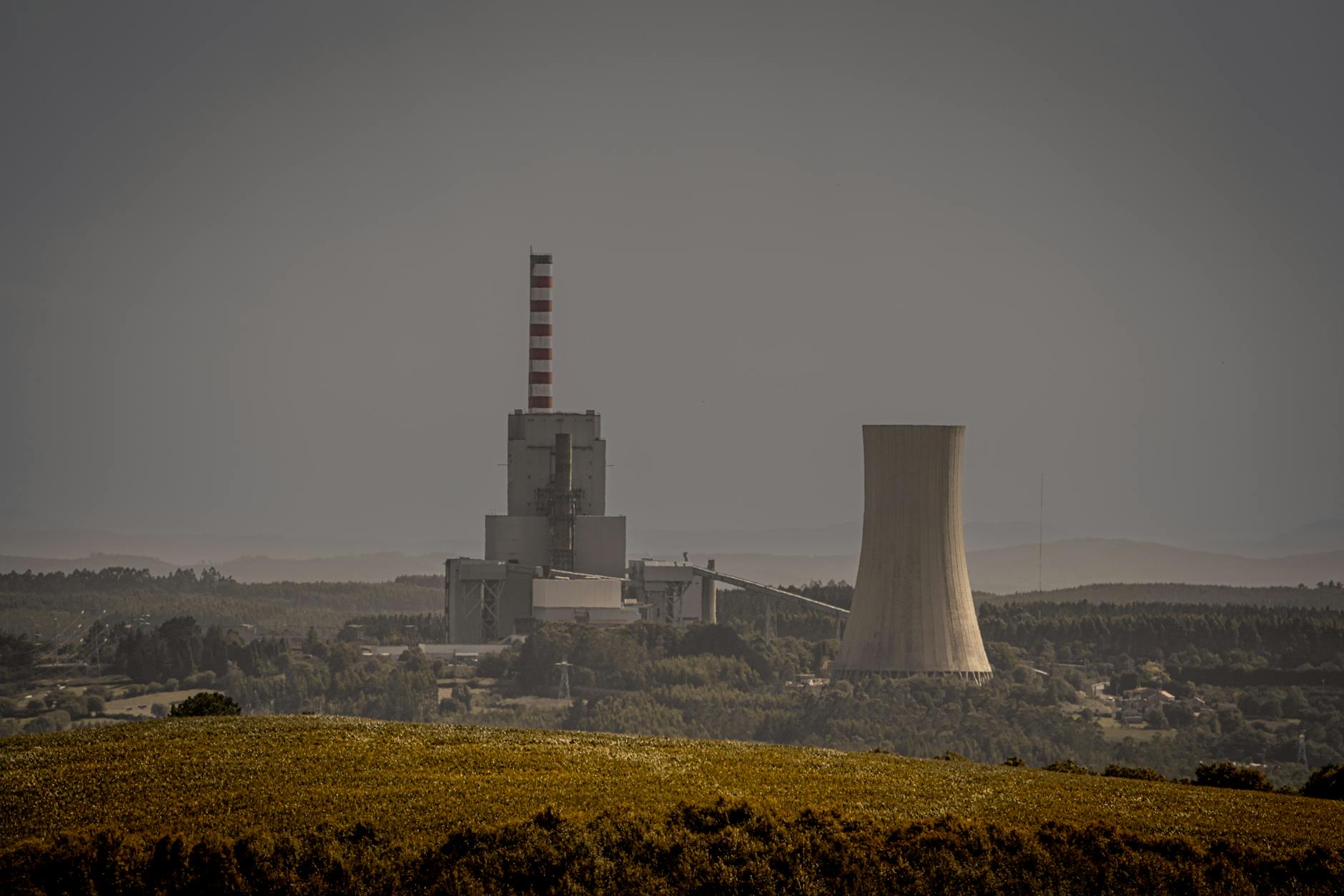
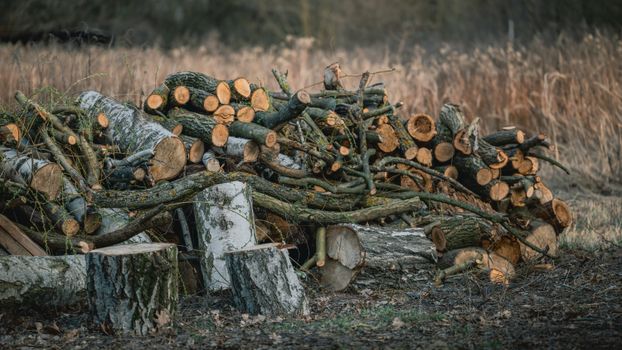 Photo: Serhii Barkanov / Pexels
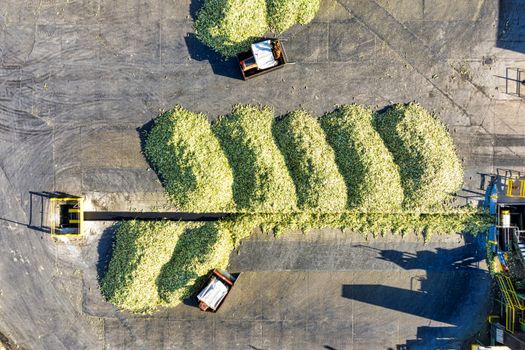 Photo: Tom Fisk / Pexels
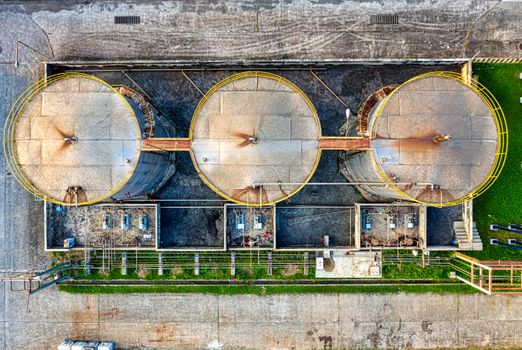 Photo: Tom Fisk / Pexels